Transforming Human Health: Celebrating 50 Years of Discovery and Progress (2022)
Chapter: Other Non-Communicable Diseases: Reducing the Global Burden
Other Non-Communicable Diseases:
Reducing the Global Burden
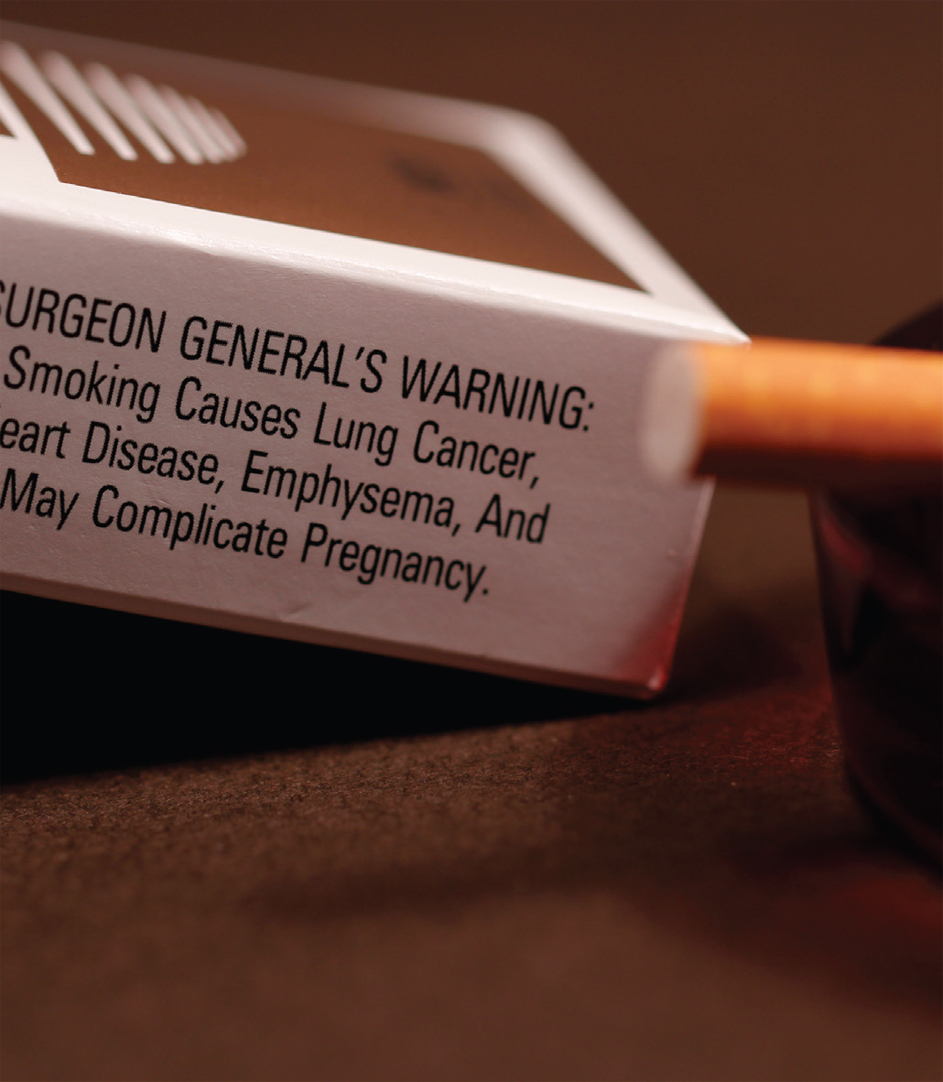
Driven largely by four major modifiable risk factors—tobacco use, unhealthy diets, physical inactivity, and harmful use of alcohol—non-communicable diseases are the leading cause of death and disability worldwide. Once considered diseases of the rich and elderly, noncommunicable diseases have become increasingly common throughout the world, pushing households into poverty and imposing tremendous economic burdens on national finances.
1972
Improving Insulin Safety and Access
Until 1972, insulin for the treatment of diabetes had been widely used in two different concentrations, requiring different syringes for self-administration. The introduction of a single concentration significantly reduced the frequency of dosing errors for patients living with diabetes. In 2016, in response to rising costs for insulin, the American Diabetes Association passed a resolution calling for transparency across the supply chain, and Congress held hearings and conducted investigations to ensure that people with diabetes have access to insulin.

1972
Increasing Kidney Patients’ Opportunities to Remain Healthy
Individuals living with kidney diseases gained increased access to lifesaving care after 1972 legislation that provided federal financial support for nearly all Americans with kidney failure. Then, in 1997, the National Kidney Foundation’s clinical practice guidelines set standards for treatment of all aspects of kidney disease, resulting in major differences in the quality of care for patients. Specifically, the 2002 chronic kidney disease clinical practice guideline highlighted for the first time the opportunity to slow the disease and prevent complications through early detection.

1977
Progress in Treating Obstructive Lung Disease
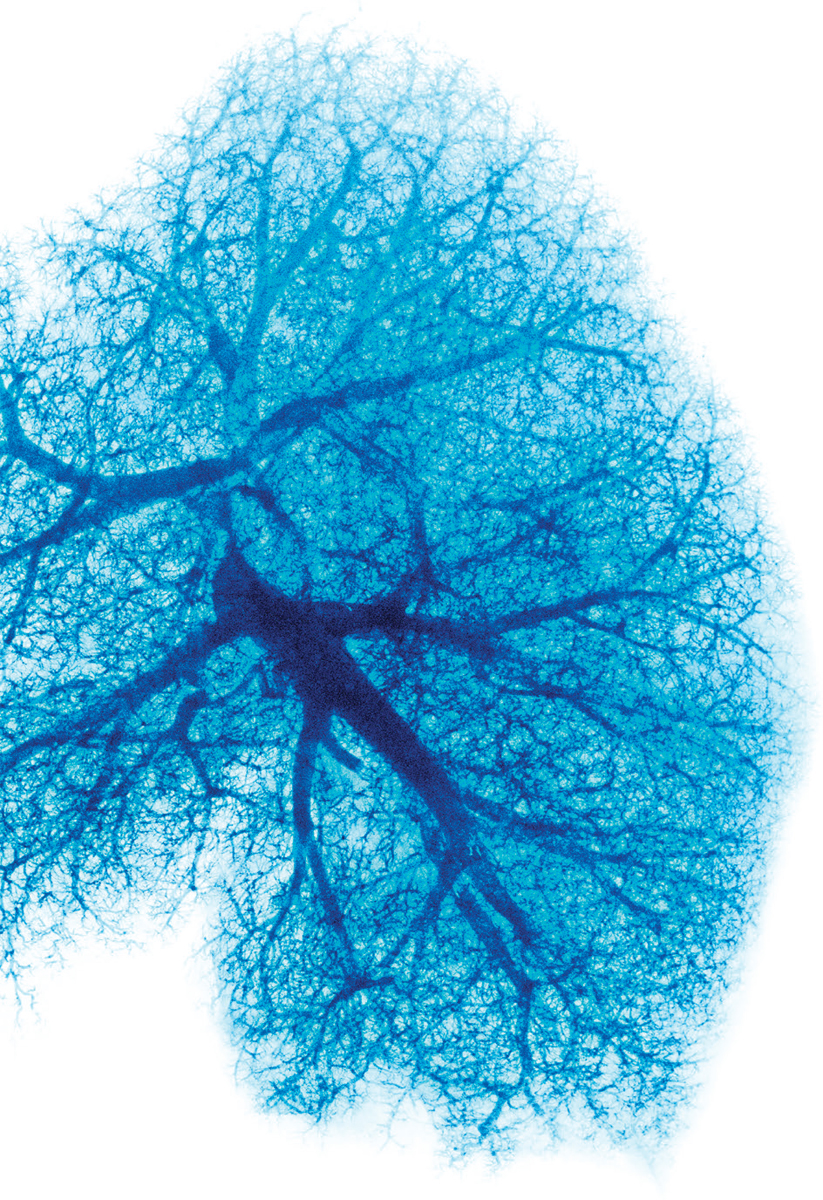
A 1977 study to glean insights into the development of chronic obstructive pulmonary disease (COPD) discovered that people who experienced reduced lung function in early middle age as a result of smoking would benefit the most from quitting smoking. This was an early step in recognizing that long-term exposure to lung irritants most often causes COPD; it also demonstrated the need for screening and early intervention to prevent severe obstructive lung disease.

1980
Understanding the Lasting Effects of Trauma
Long-term symptoms of trauma and posttraumatic stress disorder (PTSD) were not added to the Diagnostic and Statistical Manual of Mental Disorders until 1980, following the advocacy of combat veterans and mental health professionals. Soon, official diagnoses in these categories expanded to include the aftermath of domestic violence, sexual assault, and child abuse. The terms complex trauma and complex PTSD refer to the multiple origins of trauma and its impact on all aspects of a person’s life, including long-term social and professional functioning, substance abuse, unemployment, and homelessness.
1980s
Asthma Over the Years
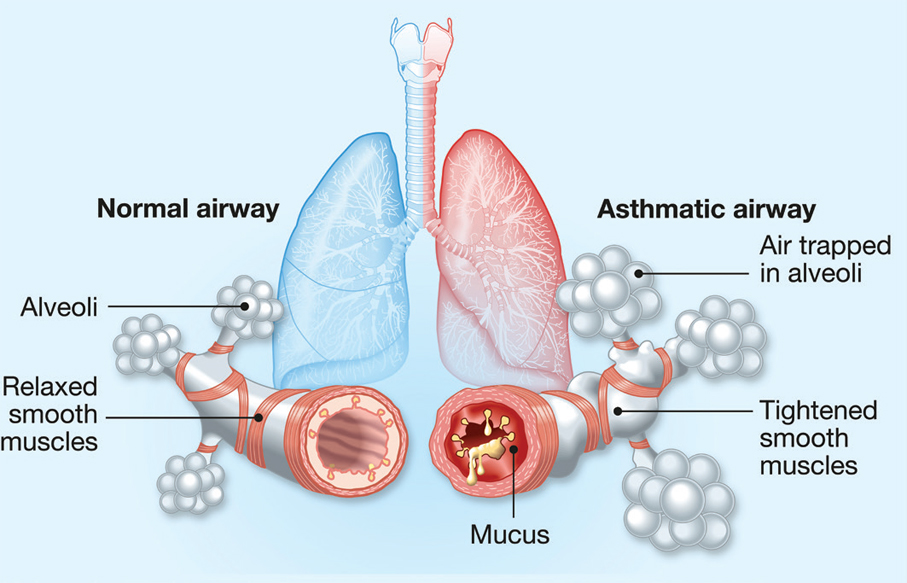
While asthma is not a new condition, the World Health Organization estimated that its incidence has increased over 60 percent and that the death rate from asthma has doubled since the 1980s. One result of this increased prevalence has been renewed scientific exploration of asthma as an immune-triggered condition, which has led to many of the effective asthma treatments being used today.

1994
Preventing and Reducing Tobacco Use
In the early 1990s, research showed that nearly all tobacco use happens before an individual turns 18. To respond to this trend, in 1994, the U.S. Surgeon General released a first-of-its-kind report that focused on reducing tobacco use in young people. That same year, the Institute of Medicine released Growing Up Tobacco Free: Preventing Nicotine Addiction in Children and Youths, which identified tobacco-related deaths as “the leading cause of avoidable death in the United States.” Following the issuance of these publications, youth smoking fell rapidly, but these gains have been undermined in recent years due to the rising use among adolescents of e-cigarettes, of which the health implications are not well understood.
1997
Bringing the Attention of the World to Chronic Obstructive Pulmonary Disease
In an effort to raise awareness about the management and prevention of chronic obstructive pulmonary disease (COPD), a committed group of scientists encouraged the formation of the Global Initiative for Chronic Obstructive Lung Disease in 1997, which works to improve the lives of people with COPD through events and evidence-based strategies. Research on the diagnosis and treatment of patients with COPD has improved the quality of care provided to patients with COPD, increased public knowledge about the harmful effects of smoking, and improved the diagnosis, monitoring, and treatment of the disease.


2002
Addressing Disease Risk Around the Globe
The World Health Report 2002: Reducing Risks, Promoting Healthy Life identified five basic risk factors for non-communicable diseases: elevated blood pressure, elevated levels of cholesterol in the blood, tobacco use, alcohol consumption, and obesity. The report demonstrated the significant population health improvements that could be achieved by reducing these risk factors. In 2009, the World Health Organization announced the launch of the Global Noncommunicable Disease Network, a network of leading health organizations and experts seeking to strengthen global partnerships and help governments implement measures to reduce the non-communicable disease burden.

2016
Adjusting Modifiable Behaviors to Address Global Death Inequities
In 2016, the World Health Organization observed that 71 percent of global deaths were due to noncommunicable diseases, especially cardiovascular diseases, cancers, diabetes, and chronic lung diseases, with the burden of these diseases falling disproportionately on lower-income countries and populations. In addition, almost half of deaths occurred among people between the ages of 30 and 69, demonstrating the potential to extend lives through increased detection, screening, and treatment of these diseases.

A significant decrease in noncommunicable diseases will require more than just enhanced treatment. The risk factors that predispose individuals to these diseases must be reduced along with the inequities that increase vulnerability. All sectors will need to collaborate to develop and institute evidence-based interventions that can reduce the burden these diseases place on the world.


