Transforming Human Health: Celebrating 50 Years of Discovery and Progress (2022)
Chapter: Health Security and Disease Surveillance: Responding to Global Health Threats
Health Security and Disease Surveillance:
Responding to Global Health Threats
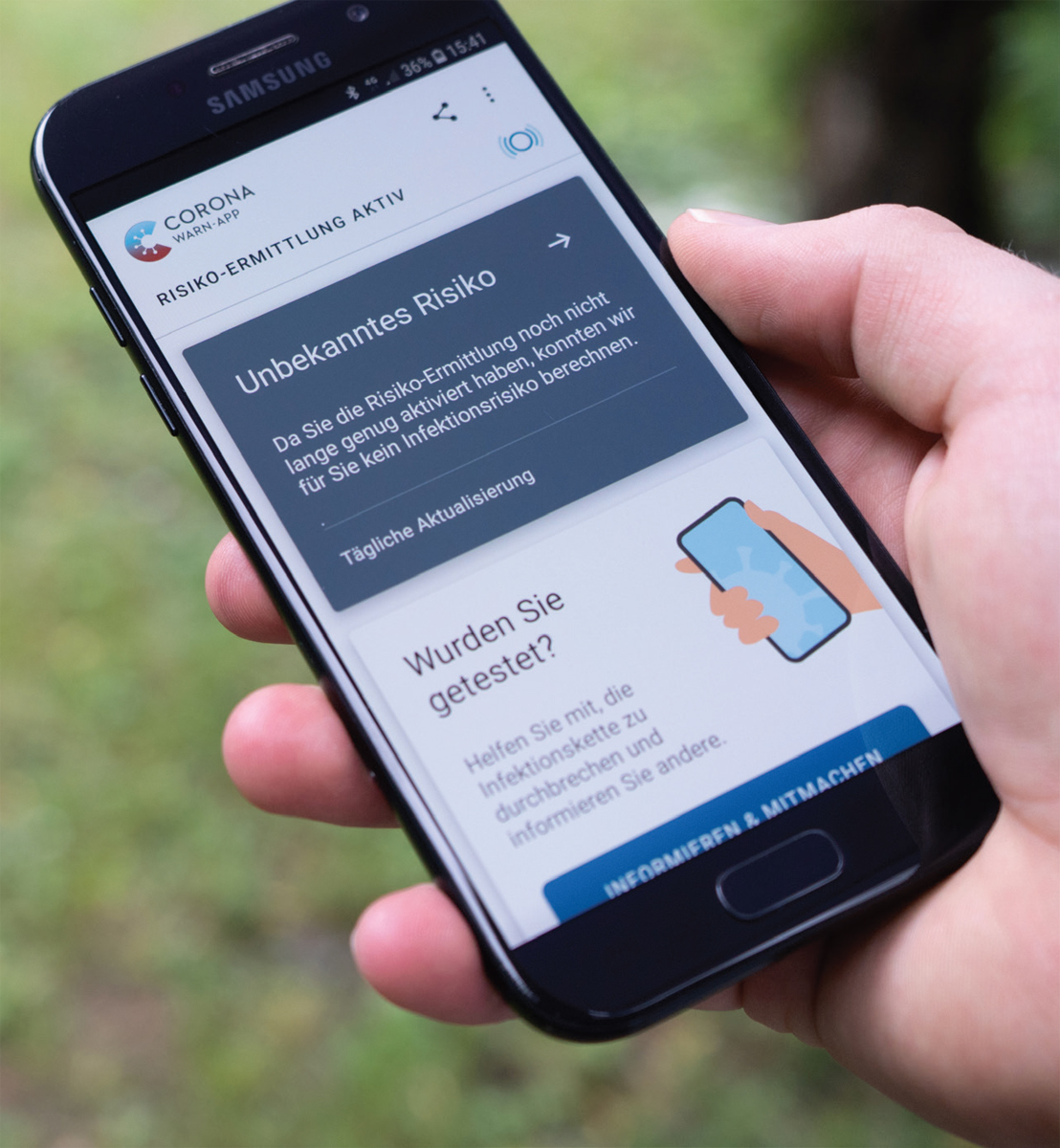
Since 1970, disease surveillance has evolved beyond infectious diseases to include chronic diseases, mental illness, occupational health, environmental health, and other threats to health. A complex global health system has emerged to respond to these threats while also working to improve sanitation, nutrition, the availability of clean water, vaccination, and health care. Despite these efforts, new disease outbreaks and the rising burden of chronic diseases continue to challenge worldwide health and stability, underscoring the importance of adaptive, coordinated strategies for disease surveillance and response.
1990
Quantifying the Health Effects of Disease and Injury
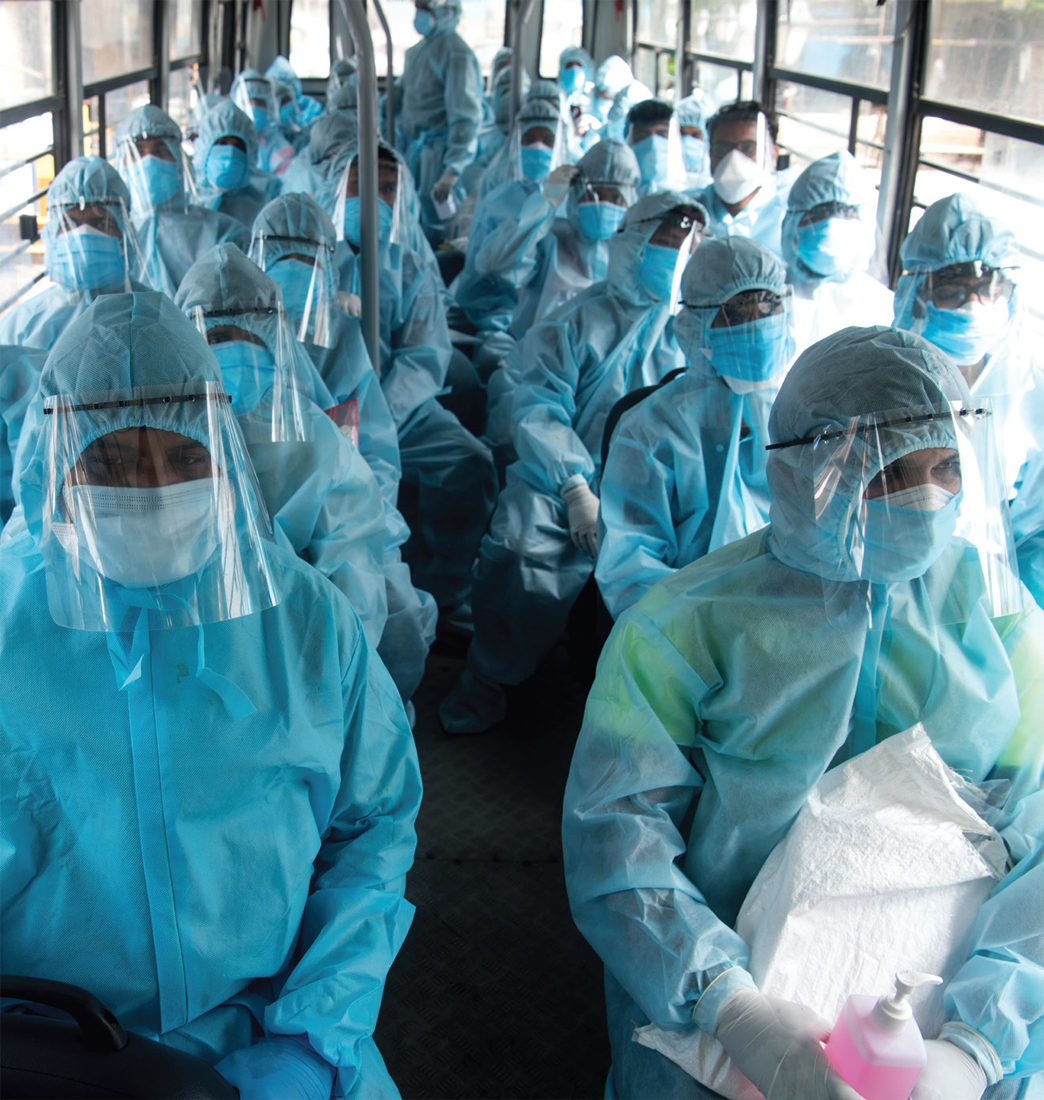
To create greater understanding of each country’s unique health challenges, the World Bank initiated the first Global Burden of Disease (GBD) study in 1990 as part of its World Development Report. Now known as the GBD, the project has provided a comprehensive tool to quantify the health burden from diseases, injuries, and health risk factors. The GBD has estimated morbidity and mortality rates by age, sex, and region across more than 200 countries and territories, providing decision-makers with a tool that they can use to promote better health and reduce health disparities.
1992
Sounding the Alarm on Infectious Threats
The Institute of Medicine report Emerging Infections: Microbial Threats to Health in the United States was instrumental in increasing awareness about the importance of global vigilance against infectious diseases. Following the 1992 publication, the Centers for Disease Control and Prevention and the National Institute of Allergy and Infectious Diseases released research and response plans for emerging infectious diseases. In 1994, the International Society for Infectious Diseases launched the Program for Monitoring Emerging Diseases to identify unusual health events affecting humans, animals, and plants.
2000
Coordinating Responses to Global Outbreaks
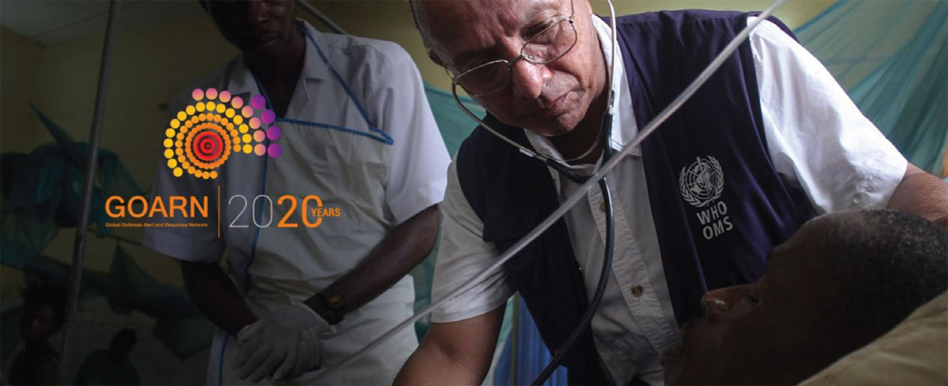
To better organize and more effectively coordinate emergency response efforts, the World Health Organization established the Global Outbreak Alert and Response Network (GOARN) in 2000 to engage resources for rapid communication, identification, confirmation, and response to public health emergencies of international importance. GOARN functions as a “network of networks” to ensure a coordinated response to emergencies caused by infectious diseases, contaminated food, chemical toxins, and other natural and human-made disasters. Since its formation, GOARN has conducted more than 160 operations and has deployed more than 3,300 experts to assist more than 90 countries around the world.
2001
Efforts to Stem Antimicrobial Resistance
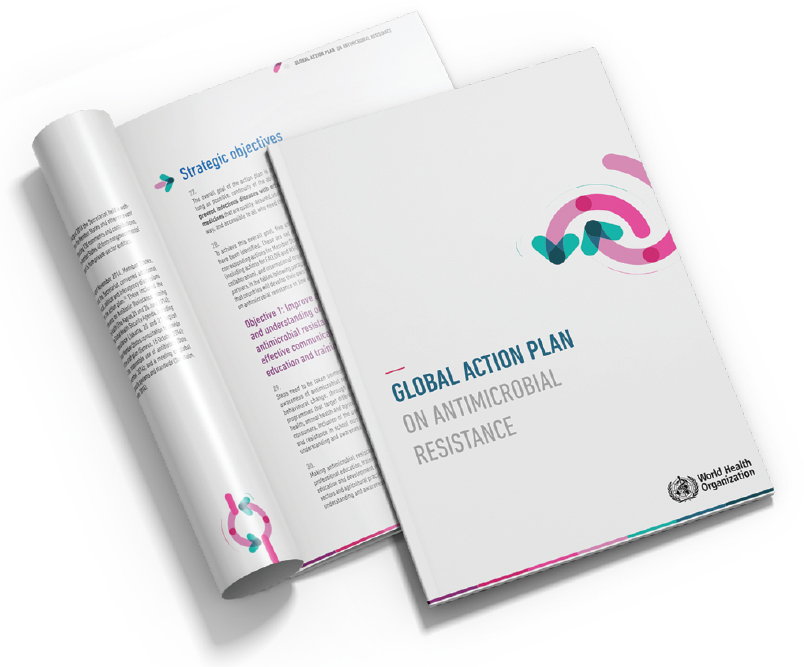
A global strategy developed by the World Health Organization in 2001 established a framework for slowing the emergence and reducing the spread of antimicrobial resistance, which is a substantial and growing source of death, disability, prolonged illness, and financial hardship. The 2015 Global Action Plan on Antimicrobial Resistance committed countries to reduce the misuse of antibiotics and other antimicrobials, provide clean water and sanitation for humans and animals, improve infection control in health care facilities, and take other steps to control the development of resistance to treatments in bacteria, viruses, fungi, and parasites. Combating antimicrobial resistance is one goal of the One Health approach, which brings together multiple sectors and stakeholders to work together toward better public health outcomes.
2002
Outbreaks of Severe Acute Respiratory Syndrome
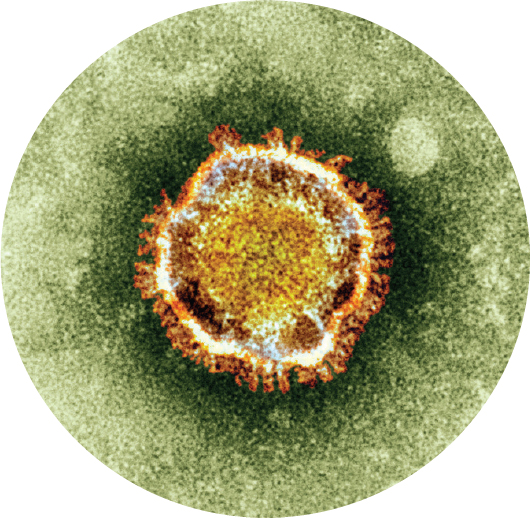
Severe acute respiratory syndrome (SARS) is a respiratory disease caused by a coronavirus that was first transmitted from animals to humans in southern China in 2002. The virus then spread quickly from person to person, primarily in health care settings that lacked adequate infection control procedures. Over the course of several months in 2003, the disease spread to 26 countries, resulting in more than 8,000 cases and 774 fatalities, before appropriate infection control practices brought the global outbreak to an end later that year. In 2012, another often-severe viral respiratory disease caused by a coronavirus was identified in Saudi Arabia. Since then, 27 countries have reported cases of Middle East respiratory syndrome, though roughly 80 percent of cases have occurred in Saudi Arabia, and sporadic outbreaks continue to occur across the Arabian Peninsula as scientists work to develop an effective vaccine and treatment.
2005
Working Together for Global Health Security
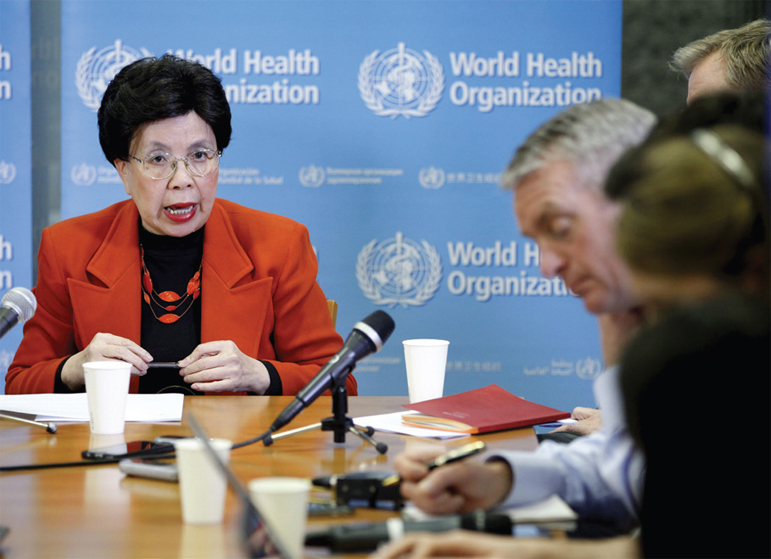
Announcement of the International Health Regulations (IHR) in 2005 provided an overarching legal framework for collaboration among the member states of the World Health Organization to respond to public health emergencies that have the potential to cross international borders. The IHR defined the rights and obligations of the participating countries to build their capacities to detect, assess, and report disease outbreaks. The regulations also introduced safeguards to protect international trade and the rights of travelers while limiting the spread of health risks to neighboring countries.
2007
Zika Virus and Birth Defects
The first recorded case of Zika virus disease was reported in 2007 from the Island of Yap in the Federated States of Micronesia. In 2015, Brazil reported a large outbreak of a rash-inducing illness that was soon identified as the result of infection by the virus. Later that year, researchers discovered that Zika virus disease can produce adverse outcomes in the children of pregnant women, including an increased risk of preterm birth, fetal death and stillbirth, and birth defects such as microcephaly. No treatment currently exits for Zika virus disease, which has been reported in more than 80 countries and territories. Pregnant women, women of child-bearing age, and children are advised to take particular caution against mosquito bites in Zika-affected areas.

2019
Confronting the COVID-19 Pandemic
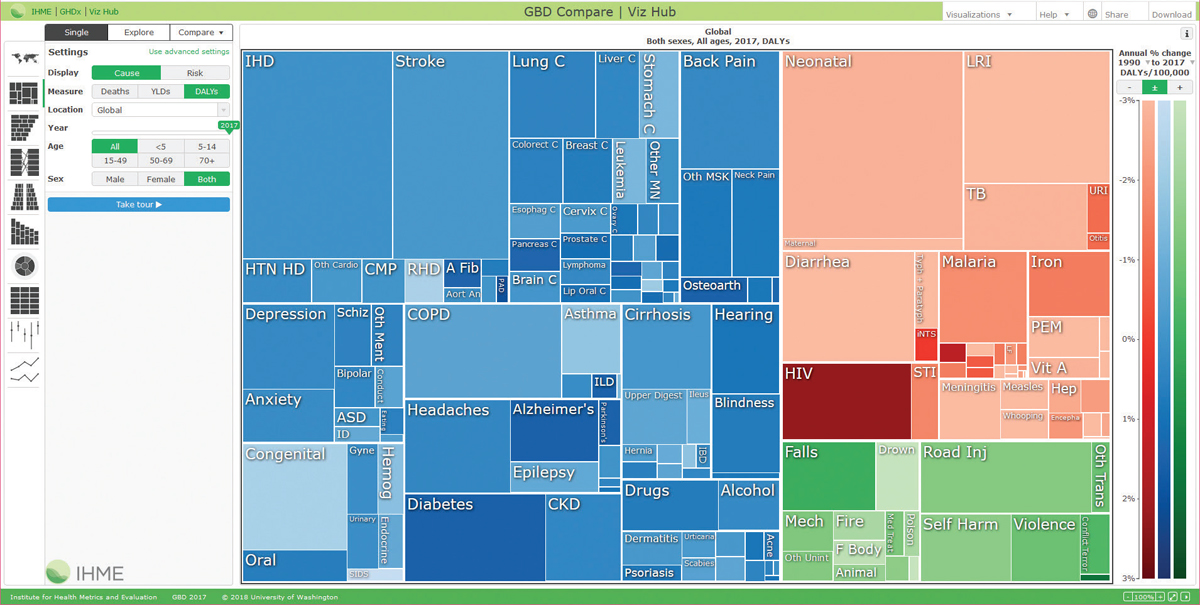
What has become known as coronavirus disease 2019 (COVID-19) was first identified in China in December 2019. By March 2020, the disease, which is caused by a newly identified coronavirus, had become a global pandemic. Spread primarily through respiratory droplets, the virus causes mild symptoms in most people, but about 20 percent of those infected in the initial stages of the epidemic became seriously ill, with one-quarter of those requiring intensive care. People aged 60 and older and people with underlying health conditions such as diabetes or obesity are particularly vulnerable to developing severe or fatal cases of COVID-19. After a surge of cases in the spring of 2020, rates rose again in the fall as scientists worked furiously to develop effective vaccines and treatments.
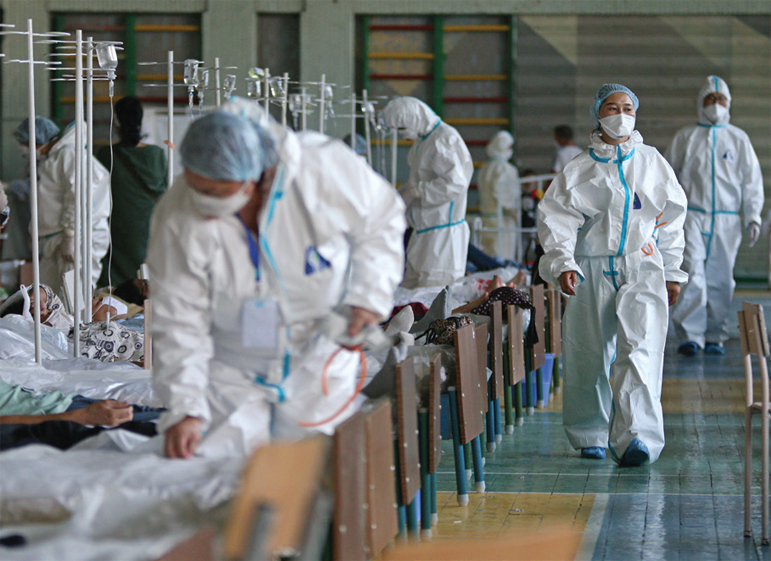
The spread of the virus that causes COVID-19 exposed weaknesses in systems designed to promote health security and disease surveillance. Globalization, urbanization, rapid population growth, rising antimicrobial resistance, intensified land use, civil conflict, and climate change will continue to favor transmission of infectious agents from animals to humans and further challenge the ability to monitor and respond to health threats.


