What is the connection between COVID-19 and sepsis?
Based on Science
Sepsis is a life-threatening complication of infection. It can result from any type of infection, including COVID-19.
Last update February 14, 2022
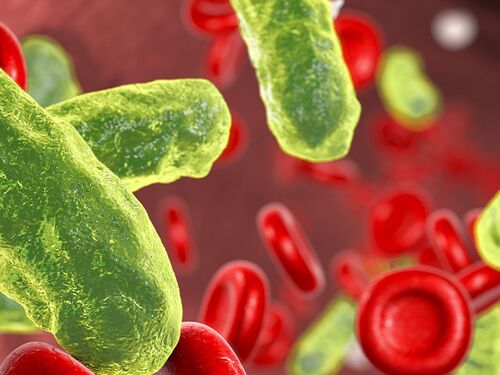
COVID-19 can lead to sepsis.
Sepsis happens when an infection causes your body’s immune system to mount an extreme response. This excessive response can quickly lead to tissue damage, organ failure, and even death if not treated promptly.
Any type of infection can cause sepsis to occur. This includes infections caused by bacteria, viruses, fungi, and parasites.
Likewise, infection in any part of the body can cause sepsis. This includes infections of the lung (e.g., pneumonia), genitourinary tract (e.g., UTI), or abdomen (e.g., appendicitis).
COVID-19 is the illness caused by the virus SARS-CoV-2. As a viral infection, COVID-19 can lead to sepsis. People with severe COVID-19 may experience symptoms such as fever and chills, difficulty breathing, pain or discomfort, and confusion. These are also common signs of sepsis.
COVID-19 can also increase risk for other infections that cause sepsis.
When your body is fighting one infection, you are at heightened risk of developing another infection. People with COVID-19—even a mild case—may be vulnerable to infections caused by bacteria or other pathogens. Your body’s reaction to the additional infection could lead to sepsis.
Sepsis can be hard to diagnose, so it’s important to know the signs.
Adults with sepsis often have one or more of the following symptoms:
High heart rate or low blood pressure
Fever or chills
Confusion or disorientation
Difficulty breathing
Extreme pain or discomfort
Clammy or sweaty skin
Children may show different symptoms, including rapid breathing, lethargy, convulsions, repeated vomiting, and no appetite.
There are steps you can take to reduce your risk of sepsis.
To avoid infections and prevent sepsis, you should:
Get recommended vaccines
Manage your chronic conditions
Wash your hands frequently
Keep cuts clean and covered
Sepsis is life-threatening. Seek medical care immediately if you show signs of sepsis.
ADDITIONAL RESOURCES
More like this

Discover
Events
Right Now & Next Up
Stay in the loop with can’t-miss sessions, live events, and activities happening over the next two days.
NAS Building Guided Tours Available!
Participate in a one-hour guided tour of the historic National Academy of Sciences building, highlighting its distinctive architecture, renowned artwork, and the intersection of art, science, and culture.