Acute Exposure Guideline Levels for Selected Airborne Chemicals: Volume 15 (2013)
Chapter: 2 Methyl Mercaptan Acute Exposure Guideline Levels
2
Methyl Mercaptan1
Acute Exposure Guideline Levels
PREFACE
Under the authority of the Federal Advisory Committee Act (FACA) P.L. 92-463 of 1972, the National Advisory Committee for Acute Exposure Guideline Levels for Hazardous Substances (NAC/AEGL Committee) has been established to identify, review, and interpret relevant toxicologic and other scientific data and develop AEGLs for high-priority, acutely toxic chemicals.
AEGLs represent threshold exposure limits for the general public and are applicable to emergency exposure periods ranging from 10 minutes (min) to 8 hours (h). Three levels—AEGL-1, AEGL-2, and AEGL-3—are developed for each of five exposure periods (10 and 30 min and 1, 4, and 8 h) and are distinguished by varying degrees of severity of toxic effects. The three AEGLs are defined as follows:
AEGL-1 is the airborne concentration (expressed as parts per million or milligrams per cubic meter [ppm or mg/m3]) of a substance above which it is predicted that the general population, including susceptible individuals, could experience notable discomfort, irritation, or certain asymptomatic, nonsensory effects. However, the effects are not disabling and are transient and reversible upon cessation of exposure.
____________________
1This document was prepared by the AEGL Development Team composed of Cheryl Bast (Oak Ridge National Laboratory), Gary Diamond (SRC, Inc.), and Chemical Manager Ernest V. Falke (U.S. Environmental Protection Agency and National Advisory Committee [NAC] on Acute Exposure Guideline Levels for Hazardous Substances). The NAC reviewed and revised the document and AEGLs as deemed necessary. Both the document and the AEGL values were then reviewed by the National Research Council (NRC) Committee on Acute Exposure Guideline Levels. The NRC committee has concluded that the AEGLs developed in this document are scientifically valid conclusions based on the data reviewed by the NRC and are consistent with the NRC guidelines reports (NRC 1993, 2001).
AEGL-2 is the airborne concentration (expressed as ppm or mg/m3) of a substance above which it is predicted that the general population, including susceptible individuals, could experience irreversible or other serious, long-lasting adverse health effects or an impaired ability to escape.
AEGL-3 is the airborne concentration (expressed as ppm or mg/m3) of a substance above which it is predicted that the general population, including susceptible individuals, could experience life-threatening health effects or death.
Airborne concentrations below the AEGL-1 represent exposure concentrations that could produce mild and progressively increasing but transient and nondisabling odor, taste, and sensory irritation or certain asymptomatic, nonsensory effects. With increasing airborne concentrations above each AEGL, there is a progressive increase in the likelihood of occurrence and the severity of effects described for each corresponding AEGL. Although the AEGL values represent threshold concentrations for the general public, including susceptible subpopulations, such as infants, children, the elderly, persons with asthma, and those with other illnesses, it is recognized that individuals, subject to idiosyncratic responses, could experience the effects described at concentrations below the corresponding AEGL.
SUMMARY
Methyl mercaptan is a colorless gas with a strong odor. It is used in methionine synthesis and as an intermediate in the manufacture of pesticides, jet fuels, and plastics. It is found in a wide variety of vegetables (such as garlic and onions), in “sour” gas in oil fields, and in coal tar and petroleum distillates. Methyl mercaptan occurs in the human body as a metabolite of the degradation of methionine and other compounds.
Methyl mercaptan depresses the central nervous system and affects the respiratory center, similar to hydrogen sulfide, producing death by respiratory paralysis. Clinical signs of exposure are ocular and mucous membrane irritation, headache, dizziness, staggering gait, nausea, and vomiting. Paralysis of the locomotor muscles and pulmonary edema have also been observed. Its primary mechanism of action appears to be interference with cytochrome oxidase.
Data on methyl mercaptan were not sufficient to derive AEGL-1 values, so no values are recommended. The level of distinct odor awareness (LOA) for methyl mercaptan is 0.0019 ppm (see Appendix C for LOA derivation). The LOA represents the concentration above which it is predicted that more than half of the exposed population will experience at least a distinct odor intensity, and about 10% of the population will experience a strong smell. The LOA should help chemical emergency responders in assessing the public awareness of the exposure on the basis of odor perception.
No robust data on methyl mercaptan consistent with the definition of AEGL-2 were available. Therefore, AEGL-2 values were based on a 3-fold reduction in the AEGL-3 values. These calculations are considered estimated
thresholds for inability to escape and are appropriate because of the steep concentration-response relationship for lethality.
AEGL-3 values for methyl mercaptan were based on the calculated 4-h LC01 (lethal concentration, 1% lethality) of 430 ppm for rats (Tansy et al. 1981). An intraspecies uncertainty factor of 3 was applied, and is considered sufficient because of the steepness of the lethality concentration-response relationship, which implies limited individual variability. An interspecies uncertainty factor of 3 was also applied. Although an interspecies uncertainty factor of 10 might normally be applied because of limited data, AEGL-3 values calculated with that larger factor would be inconsistent with the total database. AEGL-3 values would range from 7.3 to 40 ppm if a total uncertainty factor of 30 was used; however, no effects were noted in rats repeatedly exposed to methyl mercaptan at 17 ppm for 3 months. It is unlikely that people exposed to methyl mercaptan in this range for 10 min to 8 h would experience lethal effects. Furthermore, use of a total uncertainty factor of 30 would yield AEGL-3 values 2- to 4-fold lower than the AEGL-3 values for hydrogen sulfide. Because hydrogen sulfide has a robust database and because data suggest that methyl mercaptan is less toxic than hydrogen sulfide, it would be inconsistent with the total data set to derive AEGL-3 values for methyl mercaptan that are below the AEGL-3 values for hydrogen sulfide. Thus, a total uncertainty factor of 10 was used.
The concentration-exposure time relationship for many irritant and systemically-acting vapors and gases may be described by the equation Cn × t = k, where the exponent n ranges from 0.8 to 3.5 (ten Berge et al. 1986). To obtain conservative and protective AEGL values in the absence of a chemical-specific exponent, temporal scaling was performed using default values of n = 3 for extrapolating from longer to shorter durations (10 min, 30 min, and 1 h) and n = 1 when extrapolating from shorter to longer durations (8 h).
AEGL values for methyl mercaptan are presented in Table 2-1.
1. INTRODUCTION
Methyl mercaptan is used in methionine synthesis, as an intermediate in the manufacture of pesticides, jet fuels, and plastics, and as a gas odorant to serve as a warning property for odorless but hazardous gases (Farr and Kirwin 1994; Pohanish 2002). Methyl mercaptan is also released from pulp manufacturing plants and in kraft and sulfite mills (Kangas et al. 1984). Concentrations of methyl mercaptan in kraft and sulfite mills may be as high as 15 ppm (Kangas et al. 1984).
Methyl mercaptan is an odorous, colorless gas. The disagreeable odor has been described as garlic-like (Pohanish 2002) or as similar to rotten cabbage (HSDB 2013). It is found in a wide variety of vegetables (such as garlic and onions), in “sour” gas in West Texas oil fields, and in coal tar and petroleum distillates (Farr and Kirwin 1994). Methyl mercaptan occurs in the human body
as a metabolite of the degradation of methionine and other compounds (Binkley 1950; Canellakis 1952). Methyl mercaptan is a major contributor to bad breath in human (NIOSH 1978).
Methyl mercaptan is produced commercially by the reaction of hydrogen sulfide with methanol; production volumes were not found (ATSDR 1992).
The physical and chemical properties of methyl mercaptan are presented in Table 2-2.
2. HUMAN TOXICITY DATA
2.1. Acute Lethality
Methyl mercaptan depresses the central nervous system and affects the respiratory center, similar to hydrogen sulfide, producing death by respiratory paralysis (Farr and Kirwin 1994). Clinical signs of exposure are ocular and mucous membrane irritation, headache, dizziness, staggering gait, nausea, and vomiting (Deichmann and Gerarde 1973). Paralysis of the locomotor muscles and pulmonary edema have also been observed (NIOSH 1978; Matheson 1982).
Acute hemolytic anemia and methemoglobinemia were found in one male laborer (53-years old) who developed a coma after handling tanks of methyl mercaptan. Transfusions alleviated these hematologic findings. When he arrived at the hospital, his blood pressure ranged from 188/90 to 230/130 mm Hg and his pulse was 120 beats/min. Later, the man was found to have a deficiency of glucose-6-phosphate dehydrogenase. Seizure activity consisted of random myoclonic tremors. On the 28th day in the hospital the man died as the result of emboli in both pulmonary arteries (Shults et al. 1970).
TABLE 2-1 AEGL Values for Methyl Mercaptan
| Classification | 10 min | 30 min | 1 h | 4 h | 8 h | End Point (Reference) |
| AEGL-1a (nondisabling) | NR | NR | NR | NR | NR | Insufficient data |
| AEGL-2 (disabling) | 40 ppm (80 mg/m3) |
29 ppm (57 mg/m3) |
23 ppm (43 mg/m3) |
14 ppm (28 mg/m3) |
7.3 ppm (14 mg/m3) |
One-third reduction of AEGL-3 values |
| AEGL-3 (lethal) | 120 ppm (240 mg/m3) |
86 ppm (170 mg/m3) |
68 ppm (130 mg/m3) |
43 ppm (85 mg/m3) |
22 ppm (43 mg/m3) |
LC01 in rats (Tansy et al. 1981) |
Abbreviations: LC01, lethal concentration, 1% lethality; NR, not recommended.
aThe absence of AEGL-1 values does not imply that concentrations below AEGL-2 will be without effect.
TABLE 2-2 Physical and Chemical Data on Methyl Mercaptan
|
Parameter |
Value |
Reference |
|
Synonyms |
Methanethiol; mercaptomethane; methyl sulfhydrate; thiomethyl alcohol |
HSDB 2013 |
|
CAS registry no. |
74-93-1 |
HSDB 2013 |
|
Chemical formula |
CH3SH |
HSDB 2013 |
|
Molecular weight |
48.11 |
HSDB 2013 |
|
Physical state |
Water-white liquid or colorless gas |
HSDB 2013 |
|
Odor |
Like garlic or rotten cabbage |
Pohanish 2002; |
|
Melting point |
-123°C |
HSDB 2013 |
|
Boiling point |
5.95°C |
HSDB 2013 |
|
Flash point |
> - 17.78°C (open cup) |
HSDB 2013 |
|
Density/Specific gravity |
0.9600 at 25°C |
HSDB 2013 |
|
Solubility |
Soluble in water (23.3 g/L at 20°C); very soluble in alcohol and ether |
HSDB 2013 |
|
Saturated vapor |
5.0 × 10⁵ ppm |
Calculated |
|
Vapor pressure |
1,510 mm Hg at 25°C |
HSDB 2013 |
|
Incompatibility |
Strong oxidizers, bleaches, copper, aluminum, nickel-copper alloys |
NIOSH 2011 |
|
Conversion factors in air |
1 mg/m3 = 0.51 ppm |
NIOSH 2011 |
A 24-year-old male working in a sodium methyl sulfhydrate factory was found dead. Large quantities of methyl mercaptan were detected in his liver, kidneys, lungs, blood, urine, and in the washout solution of his trachea (Shertzer 2001).
In another incident, a 19-year-old was exposed to methyl mercaptan at concentrations greater than 10,000 ppm for a few minutes. Death ensued after 45 min as a result of respiratory arrest and “heart failure”. The blood concentration of methyl mercaptan was greater than 2.5 nmol/mL (Syntex Corporation 1979).
2.2. Nonlethal Toxicity
Kangas et al. (1984) collected air samples from kraft and sulfite mills (pulp industry) and reported methyl mercaptan concentrations ranging from 0 to 15 ppm. Thirteen to 15 mill workers reported headache and trouble concentrating; however, they were also simultaneously exposed to hydrogen sulfide, dimethyl sulfide, and dimethyl disulfide. Therefore, symptoms cannot be attributed to any one chemical at any concentration.
2.3. Odor
Katz and Talbert (1930) exposed six human subjects to methyl mercaptan at a range of concentrations via a nosepiece. The subjects rated the odor intensity (see Table 2-3).
Wilby (1969) exposed 34 individuals to methyl mercaptan at 12 concentrations representing a 100-fold range. For each subject an odor recognition threshold was determined on the basis of three trials. The mean odor threshold concentration was 9.9 × 10⁻⁴ ppm with a standard deviation of 7.2 × 10⁻⁴ ppm and a coefficient of variation of 0.72. No other effects were noted.
Selyuzhitskii (1972) derived an MPC (maximum permissible concentration) of 5 × 10⁻⁴ mg/m3 (2.5 × 10⁻⁴ ppm) for methyl mercaptan. MPC was defined as being above the odor threshold concentration but below the “irritating concentration” in man.
Williams et al. (1977) used a dynamic triangle olfactometer, an instrument that measures odor thresholds by dilution and steady state flow, to determine the odor threshold at which 50% of subjects can detect the odor. Using an unspecified number of subjects, the odor threshold for methyl mercaptan was determined to be 1.5 × 10⁻⁵ ppm. No other health effects were noted.
Nishida et al. (1979) exposed 8-11 subjects (18-40 years old) to a series of chemicals, including methyl mercaptan. Subjects rated odors on a scale of 0 to 8, where 0 indicated no smell and 8 an extremely strong smell. A PPT50 (perceptive threshold to 50% of population) was determined for methyl mercaptan and used to obtain an odor detection level of 0.019 ppm (range 0.010-0.430 ppm). No other health effects were noted.
2.4. Developmental and Reproductive Toxicity
Developmental and reproductive studies regarding human exposure to methyl mercaptan were not available.
2.5. Genotoxicity
Genotoxicity studies regarding human exposure to methyl mercaptan were not available.
TABLE 2-3 Odor Intensity of Methyl Mercaptan
|
Intensity |
Description |
Concentration (ppm) |
|
0 |
No odor |
0.0030 |
|
1 |
Threshold |
0.041 |
|
2 |
Faint |
0.57 |
|
3 |
Median, easily noticeable |
7.9 |
|
4 |
Strong |
110 |
|
5 |
Most intense |
1,500 |
Source: Adapted from Katz and Talbert 1930.
2.6. Carcinogenicity
Carcinogenicity studies regarding human exposure to methyl mercaptan were not available.
2.7. Summary
Data concerning human exposure to methyl mercaptan are limited. Case reports of deaths from accidental exposure to methyl mercaptan were available; however, definitive exposure durations and concentrations were not reported. Nonlethal toxicity data are limited to odor detection or identification studies that had no accompanying health effects information. Data on developmental and reproductive toxicity, genotoxicity, and carcinogenicity in humans were not available.
3. ANIMAL TOXICITY DATA
3.1. Acute Lethality
3.1.1. Mice
A 4-h LC50 (lethal concentration, 50% lethality) value of 1,664 ppm was reported for an unspecified strain and sex of mice (Horiguchi 1960). Experimental concentrations of 1,300, 1,500, 1,600, 1,800, 1,900, 2,000, and 2,200 ppm appeared to be determined by the nominal concentration of methyl mercaptan used during the exposure period. Animals were observed for 24-h post-exposure. No other experimental details were reported. A 6-h nose-only exposure of Swiss-Webster mice to methyl mercaptan at 512 ppm resulted in 17% lethality (5/30). Three female and two male mice were found dead on day 2 (SRI International 1996; see Section 3.2.1 for a more detailed description of the study).
3.1.2. Rats
Groups of five male and five female Charles River Sprague-Dawley rats were exposed methyl mercaptan for 4 h at 0, 400, 600, 650, 680, 690, 700(two groups), or 800 ppm, followed by a 14-day observation period (Tansy et al. 1981). Animals were exposed in a 75-L glass chamber that allowed for continuous observation during exposure. Methyl mercaptan was fed through a two-stage corrosion-resistant regulator which was maintained at delivery pressure of 15 psi to a metering flowmeter. The gas was then mixed with air and drawn through the exposure chamber by a vacuum pump. For this 4-h exposure, the LC50 value
was 675 ppm and the LC01 was 430 ppm. Any animal alive 24 h after the exposure survived until the end of the 14-day observation period. Mortality data from this study are summarized in Table 2-4, where the strength of the concentration-response relationship can be readily seen.
Groups of two male albino rats were exposed to methyl mercaptan at 250, 500, 750, 1,000, or 2,000 ppm for up to 4 h (DuPont 1992). Methyl mercaptan was mixed with air in a carboy and the mixture passed into a bell jar containing the rats; the “nominal” concentrations were calculated from the respective flow rates of the methyl mercaptan and air. Data from this study are summarized in Table 2-5.
Groups of six male WBS/W rats were exposed to methyl mercaptan at 1,000, 1,400, 2,000, or 2,800 ppm for up to 1 h and were observed for up to 7 days (Latven 1977). Two rats were placed in 20-L static exposure chambers. A small volume of air was withdrawn from each chamber and replaced with the required volume of sample (20 mL for 1,000 ppm, 28 mL for 1,400 ppm, 40 mL for 2,000 ppm, or 56 mL for 2,800 ppm). Clinical signs included dyspnea, ataxia, loss of righting reflex, progressive respiratory depression, and cyanosis. Surviving rats showed only dyspnea. Mortality was 0/6 at 1,000 ppm, 1/6 at 1,400 ppm, 5/6 at 2,000 ppm, and 6/6 at 2,800 ppm. A 1-h LC50 value of 1,680 ppm (95% CI: 1,428, 1,980 ppm) was calculated. No other experimental details were available.
White female rats were exposed one at a time to methyl mercaptan at concentrations of approximately 500, 700, 1,500, or 10,000 ppm for 30 min (Ljunggren and Norberg 1943). The report implied that only one rat was used for each exposure. At 500 ppm, no effects were observed. Fatigue was noted at 700, with instantaneous recovery after removal from exposure. After 15 min at 1,500 ppm, the rat had difficulty maintaining an upright posture, and by the end of the exposure period exhibited whole-body tremors and was only able to acquire an upright position for a very brief period. Recovery occurred after 5 min. This animal had thickened alveolar walls and exudate containing blood cells in the alveoli. The 10,000-ppm exposure produced convulsions after 1 min and fast superficial respiration after 2 min. The animal was on its side after 6 min, respiration was irregular after 8 min, and death occurred after 14 min. Necropsy findings included “small bleedings in the lungs”, alveoli filled with erythrocytes, and moderate amounts of serous fluid in the alveoli.
Male Holtzman or Sprague-Dawley rats (weighing 285 to 325 g) were individually exposed in a 27-L glass chamber to methyl mercaptan at concentrations ranging from 0.08 to 0.2% until they became comatose or for 15 min (Zieve et al. 1974). The mercaptan concentration in the chamber atmosphere was not analyzed, rather concentrations were calculated from the dose injected. A CD50 (coma induction in 50% of subjects) value of 0.16% (1,600 ppm) was determined from these exposure concentrations. Blood concentrations of methyl mercaptan found in comatose animals were greater than 0.5 nmoles/mL.
TABLE 2-4 Mortality in Rats Exposed to Methyl Mercaptan for 4 Hours
|
Concentration (ppm) |
Mortality |
|
0 |
0/10 |
|
400 |
0/10 |
|
600 |
2/10 |
|
650 |
5/10 |
|
680 |
4/10 |
|
690 |
4/10 |
|
700a |
10/10, 10/10 |
|
800 |
10/10 |
aThere were two 700 ppm exposure groups. Source: Adapted from Tansy et al. 1981.
TABLE 2-5 Acute Inhalation Toxicity in Rats Exposed to Methyl Mercaptan
| Concentration (ppm) | Duration (hours) | Mortality | Clinical Signs | Necropsy Findings |
| 250 | 4 | 0/2 | Ocular and nasal irritation. | Pneumonitis in half of the rats; considered coincidental. |
| 500 | 4 | 0/2 | Ocular and nasal irritation, shallow respiration. | Focal atelectasis (9 days after treatment in half of the rats). |
| 750 | 3-3.5 | 2/2 | Comatose a few minutes before death | None |
| 1,000 | 3.17 | 2/2 | Shallow respiration, cyanosis, comatose in 3 h | None |
| 2 000 | 0.33 | 2/2 | Comatose in 15 min | None |
Source: DuPont 1992.
3.2. Nonlethal Toxicity
3.2.1. Mice
As part of a bone marrow erythrocyte micronucleus assay, 15 Swiss-Webster mice/sex were exposed nose-only to methyl mercaptan at 0, 114, 258, or 512 ppm for 6 h, and animals were killed 24, 48, or 72 h after exposure (SRI International 1996). Methyl mercaptan concentrations were analyzed by gas chromatography hourly during the exposure period, and temperature, relative humidity, and pressure differential were measured at 10-min intervals. Shallow breathing and hypoactivity were observed in all mice in the 258-ppm group during the fourth and fifth hour of exposure and appeared normal by day 2. Shallow breathing at the third and fourth hour of exposure and hypoactivity during the fifth hour were observed in all mice exposed at 512 ppm. Three female and two male mice from the 512-ppm exposure group were found dead on day 2; all surviving mice from the 512-ppm group appeared normal by day 2. No clinical signs were noted in control animals or mice exposed to methyl mercaptan at 114 ppm.
3.3. Subchronic Exposure
Groups of two or four male albino rats were exposed to methyl mercaptan at 100 or 200 ppm for 6 h/day for 6 or 10 days (DuPont 1992). Methyl mercaptan was mixed with air in a carboy and the mixture passed into a bell jar containing the rats; the “nominal” concentrations were calculated from the respective flow rates of the methyl mercaptan and air. Data from this study are summarized in Table 2-6.
Groups of 31 male Charles River Sprague-Dawley rats were exposed methyl mercaptan at 0, 2, 17, or 57 ppm for 7 h/day, 5 days/week for 3 months (Tansy et al. 1981). Animals were exposed in 11.4-ft3 stainless steel chambers that allowed for continuous observation during exposure. Flow rates were calculated to yield the desired gas concentrations, and were verified by spectrophotometry analysis of gas samples. No animals died during the study, and no treatment-related effects were noted in animals exposed at 0, 2, or 17 ppm. Body weights were decreased by 15% in the 57-ppm group compared with controls. Blood chemistry analysis showed increased total protein and decreased serum albumin at 57 ppm. The observed increased protein might have been due to dehydration, and the decreased albumin may be indicative of liver involvement, although no treatment-related liver histopathology was observed.
3.4. Developmental and Reproductive Toxicity
Developmental and reproductive studies regarding animal exposure to methyl mercaptan were not available.
TABLE 2-6 Subchronic Inhalation Toxicity in Rats Exposed to Methyl Mercaptan
| Concentration (ppm) | Duration | Mortality | Clinical Signs | Necropsy Findings |
| 100 | 6 h/d for 10 d | 0/2 | Occasional restlessness. | Bronchopneumonia (2 rats) |
| 200 | 6 h/d for 6 d | 1/4 | Occasional restlessness, red ears. | No effects (2 rats); pneumonia (2 rats, including decedent). |
| 200 | 6 h/d for 10 d | 1/4 | Slight dyspnea and chromodacryorrhea after 6th exposure, slight cyanosis, moist rales (decedent). | Decedent: bronchopneumonia; Rat No. 2: coincidental atelectasis; Rat No. 3: slight pulmonary congestion and emphysema; Rat No. 4: slight bronchitis and emphysema, coincidental atelectasis. |
Source: DuPont 1992.
3.5. Genotoxicity
In a bone marrow erythrocyte micronucleus assay in mice (SRI International 1996), a statistically significant increase in micronucleated polychromatic erythrocytes was observed in male mice only at the 24-h sacrifice after exposure to methyl mercaptan at 512 ppm for 6 h. (The protocol and clinical signs observed in this study are described in Section 3.2.1.) However, the increase is of questionable biologic significance because the control group had a micronucleus frequency lower than the historical control mean for the laboratory (0.05% vs. 0.21% historical frequency). In another study, Garrett and Fuerst (1974) report that methyl mercaptan was mutagenic in a sex-linked recessive lethal test in Drosophila melanogaster; however, no data were presented.
3.6. Carcinogenicity
Carcinogenicity studies in animals exposed to methyl mercaptan were not available.
3.7. Summary
Animal toxicity data for methyl mercaptan are limited. Lethality studies are available for rats and mice, and suggest a steep concentration-response relationship for methyl mercaptan. In studies of rats, 4-h exposures to methyl mercaptan at 600 and 700 ppm caused 20 and 100% lethality, respectively; the 4-h LC50 value was 675 ppm; and the 4-h LC01 value was 430 ppm (Tansy et al. 1981). In another rat study, a 4-h exposure at 500 ppm caused no lethality (0/2), and a 3.5-h exposure at 750 ppm caused death in both rats (DuPont 1992). Nonlethal effects included dyspnea, cyanosis, and breathing difficulties. Genotoxicity data are limited and equivocal, and no reproductive and developmental toxicity data or carcinogenicity studies on methyl mercaptan were located.
4. SPECIAL CONSIDERATIONS
4.1. Metabolism and Disposition
Rats injected intraperitoneally with methyl mercaptan excreted CO2 and volatile sulfur-containing compounds in the expired breath (Canellakis and Tarver 1953). After rats were injected with 35S-methyl mercaptan, approximately 94% of the sulfur was found in the urine as 35SO42- (Derr and Draves 1983, 1984). Methyl mercaptan and dimethyl sulfide were found in the expired breath of one mouse injected with methyl mercaptan (Susman et al. 1978). Erythrocytes were found to oxidize methyl mercaptan, producing formic acid, sulfite ion, and sulfate ion (Blom and Tangerman 1988).
4.2. Mechanism of Toxicity
The sulfide metabolite allows methyl mercaptan to act similarly to hydrogen sulfide and cyanide by interrupting electron transport through inhibition of cytochrome oxidase (Waller 1977). As a result of the electron transfer blockage, oxidative phosphorylation and aerobic metabolism are compromised, peripheral tissue P02 increases, and the unloading gradient for oxyhemoglobin decreases. High concentrations of oxyhemoglobin are thus found in the venous return, resulting in flushed skin and mucous membranes. Lactic acidemia occurs as a result of the increased demand placed on glycolysis. Although signs of hydrogen sulfide poisoning are essentially identical to those of cyanide poisoning, hydrogen sulfide has a greater tendency to produce conjunctivitis and pulmonary edema (Smith 1991).
The hydrosulfide ion complexes with methemoglobin to form sulfmethemoglobin, which is analogous to cyanmethemoglobin. The dissociation constant for cyanmethemoglobin is 2 × 10⁸ mol/L, while the dissociation constant for sulfmeth-emoglobin is approximately 6 × 10⁶ mol/L. In both cases, nitrite-induced methemoglobinemia provides protection and had antidotal effects against hydrogen sulfide poisoning (Smith 1991).
4.3. Structure-Activity Relationships
Rat lethality data suggest that the acute toxicity of methyl mercaptan is slightly less than that of hydrogen sulfide and more toxic than other mercaptans tested (with the exception of phenyl mercaptan, benzyl mercaptan, and tert-octyl mercaptan (see Table 2-7).
4.4. Concurrent Exposure Issues
Methyl mercaptan may also have a role in facilitating the toxic effects of ammonia and fatty acids in patients with chronic severe liver disease (Zieve et al. 1974, 1984).
4.5. Species Differences
Because of the limited data on methyl mercaptan, a definitive assessment of species differences is not possible. However, the mechanism of toxicity (interruption of electron transport through inhibition of cytochrome oxidase) is unlikely to vary greatly between species. Also, the overall toxicity database for methyl mercaptan suggests a steep concentration-response relationship; thus, a wide range of effects across a relatively small dose range suggests limited variability.
TABLE 2-7 Comparative Toxicity of Mercaptans
| Compound | Rat Intraperitoneal LD50 (mg/kg) | Rat Oral LD50 (mg/kg) | 4-h Inhalation LC50 (ppm) | ||
| Rats | Mice | Reference | |||
| Hydrogen sulfide | – | – | 444 | – | Tansy et al. 1981 |
| Methyl mercaptan | – | – | 675 | 1,664 | Horiguchi 1960 (mice); Tansy et al. 1981(rats) |
| Ethyl mercaptan | 226 | 682 | 4,420 | 2,770 | Fairchild and Stokinger 1958 |
| Propyl mercaptan | 515 | 1,790 | 7,200 | 4,010 | Fairchild and Stokinger 1958 |
| Isobutyl mercaptan | 917 | 7,168 | >25,000 | >25,000 | Fairchild and Stokinger 1958 |
| tert-Butyl mercaptan | 590 | 4,729 | 22,200 | 16,500 | Fairchild and Stokinger 1958 |
| n-Butyl mercaptan | 399 | 1,500 | 4,020 | 2,500 | Fairchild and Stokinger 1958 |
| n-Hexyl mercaptan | 396 | 1,254 | 1,080 | 528 | Fairchild and Stokinger 1958 |
| Phenyl mercaptan | 9.8 | 46.2 | 33 | 28 | Fairchild and Stokinger 1958 |
| Benzyl mercaptan | 373 | 493 | >235 | 178 | Fairchild and Stokinger 1958 |
| tert-Octyl mercaptan | 12.9 | 83.5 | 51 (males) | 47 (males) | Fairchild and Stokinger 1958 |
4.6. Concentration-Exposure Duration Relationship
The concentration-time relationship for many irritant and systemically-acting vapors and gases may be described by the equation Cn × t = k, where the exponent n ranges from 0.8 to 3.5 (ten Berge et al. 1986). Data were inadequate for derive an empirical value of n for methyl mercaptan. To obtain conservative and protective AEGL values in the absence of a chemical-specific scaling exponent, temporal scaling was performed using a default value of n = 3 when extrapolating to shorter durations and n = 1 when extrapolating to longer durations.
5. DATA ANALYSIS FOR AEGL-1
5.1. Human Data Relevant to AEGL-1
Human data on methyl mercaptan consistent with the definition of AEGL-1 were not available. However, headache and trouble concentrating were reported after occupational exposure to methyl mercaptan at concentrations up to 15 ppm (Kangas et al. 1984). In that study, workers were also simultaneously exposed to hydrogen sulfide (≤20 ppm), dimethyl sulfide (≤15 ppm), and dimethyl disulfide (≤1.5 ppm).
5.2. Animal Data Relevant to AEGL-1
Animal data on methyl mercaptan consistent with the definition of AEGL-1 were not available. The study by SRI International(1996) had a no-effect level of 114 ppm in mice exposed for 6 h; however, that concentration is not suitable as a point of departure because the animals exhibited shallow breathing and hypoactivity (an end point relevant to impairment of escape) at the next highest concentration of 258 ppm, and 17% lethality occurred at 512 ppm. Therefore, 258 ppm appears to be near the threshold for lethality (see AEGL-3 derivation). Although the lowest concentration of 250 ppm (nominal) in the DuPont (1992) study produced only ocular and nasal irritation in rats exposed for 4 h, that concentration is also close to the lethality threshold for rats. The 4-h LC01 in the Tansy et al. (1981) study was 430 ppm.
5.3. Derivation of AEGL-1
Data on methyl mercaptan were insufficient to derive AEGL-1 values. The only data on humans involve occupational observations in which workers were also simultaneously exposed to hydrogen sulfide, dimethyl sulfide, and dimethyl disulfide. Animal studies do not identify a suitable point of departure for calculating AEGL-1 values. Therefore, no AEGL-1 values are recommended. The absence of AEGL-1 values does not imply that concentrations below AEGL-2 values are without effect.
Even though methyl mercaptan has an extremely unpleasant odor, olfactory desensitization or fatigue occurs at high concentrations. Therefore, odor and symptoms of irritation may not adequately provide warning of high concentrations of methyl mercaptan (Shertzer 2001). The level of distinct odor awareness (LOA) for methyl mercaptan is 0.0019 ppm (see Appendix C for LOA derivation). The LOA represents the concentration above which it is predicted that more than half of the exposed population will experience at least a distinct odor intensity, and about 10% of the population will experience a strong smell. The LOA should help chemical emergency responders in assessing the public awareness of the exposure on the basis of odor perception.
6. DATA ANALYSIS FOR AEGL-2
6.1. Human Data Relevant to AEGL-2
Human data on methyl mercaptan relevant to deriving AEGL-2 values were not available.
6.2. Animal Data Relevant to AEGL-2
Shallow breathing and hypoactivity were noted in mice exposed to methyl mercaptan at 258 ppm for 6 h (SRI International 1996). However, this concentration cannot be used as a point of departure for calculating AEGL-2 values. At the next higher test concentration of 512 ppm (a less than 2-fold increase), lethality in mice was 17% (5/30). Therefore, 258 ppm is close to the lethality threshold for mice, and also appears to be close to the predicted 6-h lethality threshold for rats. The 4-h LC01 in rats is 430 ppm (Tansy et al. 1981) and, when this value scaled to 6 h (n = 1), the 6-h LC01 is 287 ppm.
6.3. Derivation of AEGL-2
The only observations consistent with the definition of AEGL-2 are from the study of SRI International(1996), in which shallow breathing and hypoactivity (an end point relevant to impairment of escape) were noted in mice exposed to methyl mercaptan at 258 ppm for 6 h. However, as noted above, this concentration is close to the lethality thresholds for mice and rats and, therefore, cannot be used as a basis for AEGL-2 values. The lethality data also demonstrate a steep concentration-response relationship for methyl mercaptan. Lethality in rats after a 4-h exposure to methyl mercaptan was 20% (2/10) at 600 ppm and 100% (10/10) at 700 ppm, and the 4-h LC50 and LC01 values were 675 ppm and 430 ppm, respectively (Tansy et al. 1981). In the absence of relevant data on methyl mercaptan and because of its steep concentration-response relationship for lethality, AEGL-2 values were calculated by taking one-third of the AEGL-3 values. Those values are estimated thresholds for the inability to escape. AEGL-2 values for methyl mercaptan are presented in Table 2-8.
AEGL-2 values are considered protective because rats exposed to methyl mercaptan at 57 ppm for 7 h/day, 5 days/week for 3 months experienced only decreased body weight and decreased serum albumin (Tansy et al. 1981). Also, workers exposed to methyl mercaptan at concentrations up to 15 ppm experienced only headache and trouble concentrating (Kangas et al. 1984). However, the workers were also simultaneously exposed to hydrogen sulfide, dimethyl sulfide, and dimethyl disulfide.
7. RATIONALE AND AEGL-3
7.1. Human Data Relevant to AEGL-3
No human data were available for calculating AEGL-3 values. Human fatalities from acute exposure to methyl mercaptan have been reported, but the exposure concentrations were unknown.
TABLE 2-8 AEGL-2 Values for Methyl Mercaptan
| 10 min | 30 min | 1 h | 4 h | 8 h |
| 40 ppm (80 mg/m3) |
29 ppm (57 mg/m3) |
23 ppm (43 mg/m3) |
14 ppm (28 mg/m3) |
7.3 ppm (14 mg/m3) |
7.2. Animal Data Relevant to AEGL-3
A 4-h LC50 value of 1,664 ppm was reported for mice exposed to methyl mercaptan (Horiguchi 1960). In rats, the 1-h LC50 value was1,680 ppm, and the highest concentration causing no mortality after a 1-h exposure was 1,000 ppm (Latven 1977). A 4-h LC50 value of 675 ppm and a 4-h LC01 value of 430 ppm were reported for rats exposed to methyl mercaptan (Tansy et al. 1981).
7.3. Derivation of AEGL-3
The LC01 of 430 ppm in rats exposed to methyl mercaptan for 4 h (Tansy et al. 1981) was considered an estimate of the lethality threshold in rats, and was used as the point of departure for calculating AEGL-3 values. The 4-h LC01 is consistent with observations in mice which suggest that the 6-h lethality threshold is at or above 258 ppm and below 612 ppm (SRI International 1996). When the 4-h LC01 in rats is scaled to 6 h (n = 1), the 6-h LC01 is 287 ppm. An intraspecies uncertainty factor of 3 was applied because of the steepness of the concentration-response relationship in this study (lethality in rats was 20% at 600 ppm and 100% at 700 ppm; 4-h LC50 and LC01 values were 675 and 430 ppm, respectively), which implies limited individual variability. An interspecies uncertainty factor of 3 was applied. Although a factor of 10 might normally be applied because of limited data on species differences, AEGL-3 values calculated using that larger factor would be inconsistent with the total database. AEGL-3 values would range from 7.3 to 40 ppm if a total uncertainty factor of 30 was used; however, occupational exposures at concentrations up to 15 ppm (with simultaneous exposure to hydrogen sulfide, ≤20 ppm; dimethyl sulfide, ≤15 ppm; and dimethyl disulfide, ≤1.5 ppm) resulted in headache and trouble concentrating (Kangas et al. 1984). Furthermore, no effects were noted in rats repeatedly exposed to methyl mercaptan at 17 ppm for 3 months. Therefore, it is unlikely that people exposed to methyl mercaptan in the range of 7.3 to 40 ppm for 10 min to 8 h would experience lethal effects. Furthermore, those values are 2- to 4-fold below the AEGL-3 values for hydrogen sulfide. Because hydrogen sulfide has a robust database and because data suggest that methyl mercaptan is less toxic than hydrogen sulfide, it would be inconsistent with the total data set to derive AEGL-3 values for methyl mercaptan that are below the AEGL-3 values for hydrogen sulfide. Thus, the total uncertainty factor is 10.
The concentration-time relationship for many irritant and systemically-acting vapors and gases may be described by the equation Cn × t = k, where the
exponent n ranges from 0.8 to 3.5 (ten Berge et al. 1986). To obtain conservative and protective AEGL values in the absence of an empirically derived chemical-specific exponent, temporal scaling was performed using default values of n = 3 when extrapolating from longer to shorter durations (10 min, 30 min, and 1 h) and n = 1 when extrapolating from shorter to longer durations (8 h). AEGL-3 values for methyl mercaptan are presented in Table 2-9 and the calculations are presented in Appendix A.
The AEGL-3 values are considered protective because rats exposed to methyl mercaptan at 57 ppm for 7 h/day, 5 days/week for 3 months experienced only decreased body weight and decreased serum albumin (Tansy et al. 1981), and rats exposed at 100 ppm for 6 h/day for 10 days exhibited occasional restlessness and bronchopneumonia at necropsy (DuPont 1992). Furthermore, extrapolation from 4 h to 10 min is supported by the finding that no rats exposed to methyl mercaptan at 1,000 ppm for 1 h died (Latven 1977). Using this end point, an exponent of n = 3, and a total uncertainty factor of 10, would yield a 10-min AEGL-3 value of 182 ppm. This suggests that the 10-min AEGL-3 value of 120 ppm is protective and that time scaling is appropriate. The 8-h AEGL-3 value is supported by a study that shows workers exposed to methyl mercaptan at concentrations up to 15 ppm experienced only headache and trouble concentrating (Kangas et al. 1984). These workers were also simultaneously exposed to hydrogen sulfide, dimethyl sulfide, and dimethyl disulfide.
8. SUMMARY OF AEGLS
8.1. AEGL Values and Toxicity End Points
AEGL values for methyl mercaptan are presented in Table 2-10. Data on methyl mercaptan were inadequate for deriving AEGL-1 or AEGL-2 values. No values are recommended for AEGL-1 values. However, because of the steep concentration-response relationship for lethality, AEGL-2 values for methyl mercaptan were calculated as one-third of AEGL-3 values. The values are considered thresholds for the inability to escape. AEGL-3 values were based on an LC01 of 430 ppm in rats exposed to methyl mercaptan for 4 h (Tansy et al. 1981).
8.2. Comparisons with Other Standards and Guidelines
Standards and guidance levels for workplace and community exposures to methyl mercaptan are presented in Table 2-11.
TABLE 2-9 AEGL-3 Values for Methyl Mercaptan
| 10 min | 30 min | 1 h | 4 h | 8 h |
| 120 ppm (240 mg/m3) |
86 ppm (170 mg/m3) |
68 ppm (130 mg/m3) |
43 ppm (85 mg/m3) |
22 ppm (43 mg/m3) |
TABLE 2-10 AEGL Values for Methyl Mercaptan
| Classification | 10 min | 30 min | 1 h | 4 h | 8 h |
| AEGL-1a (nondisabling) | NR | NR | NR | NR | NR |
| AEGL-2 (disabling) | 40 ppm (80 mg/m3) |
29 ppm (57 mg/m3) |
23 ppm (43 mg/m3) |
14 ppm (28 mg/m3) |
7.3 ppm (14 mg/m3) |
| AEGL-3 (lethal) | 120 ppm (240 mg/m3) |
86 ppm (170 mg/m3) |
68 ppm (130 mg/m3) |
43 ppm (85 mg/m3) |
22 ppm (43 mg/m3) |
aThe absence of AEGL-1 values does not imply that concentrations below the AEGL-2 will be without effect.
TABLE 2-11 Standards and Guidelines for Methyl Mercaptan
| Guideline | Exposure Duration | ||||
| 10 min | 30 min | 1 h | 4 h | 8 h | |
| AEGL-1 | NR | NR | NR | NR | NR |
| AEGL-2 | 40 ppm (80 mg/m3) |
29 ppm (57 mg/m3) |
23 ppm (43 mg/m3) |
14 ppm (28 mg/m3) |
7.3 ppm (14 mg/m3) |
| AEGL-3 | 120 ppm (240 mg/m3) |
86 ppm (170 mg/m3) |
68 ppm (130 mg/m3) |
43 ppm (85 mg/m3) |
22 ppm 43 mg/m3) |
| ERPG-1a | – | – | 0.005 ppm (0.0098 mg/m3) |
– | – |
| ERPG-2 | – | – | 25 ppm (49 mg/m3) |
– | – |
| ERPG-3 | – | – | 100 ppm (200 mg/m3) |
– | – |
| IDLH (NIOSH)b | 150 ppm (290 mg/m3) |
||||
| TLV-TWA (ACGIH)c | 0.5 ppm (1 mg/m3) |
||||
| REL-C (NIOSH)d | 0.5 ppm (1 mg/m3) |
0.5 ppm (1 mg/m3) |
0.5 ppm (1 mg/m3) |
0.5 ppm (1 mg/m3) |
0.5 ppm (1 mg/m3) |
| PEL-C (OSHA)e | 10 ppm (20 mg/m3) |
10 ppm (20 mg/m3) |
10 ppm (20 mg/m3) |
10 ppm (20 mg/m3) |
10 ppm (20 mg/m3) |
| MAK (Germany) f | 0.5 ppm (1 mg/m3) |
||||
| MAC (The Netherlands) g | 0.5 ppm (1 mg/m3) |
||||
aERPG (emergency response planning guidelines, American Industrial Hygiene Association [AIHA 1999].
ERPG-1 is the maximum airborne concentration below which it is believed that nearly all individuals could be exposed for up to 1 h without experiencing other than mild, transient adverse health effects or without perceiving a clearly defined objectionable odor. ERPG-1 for methyl mercaptan is based on the threshold limit value.
ERPG-2 is the maximum airborne concentration below which it is believed that nearly all individuals could be exposed for up to 1 h without experiencing or developing irreversible or other serious health effects or symptoms which could impair an individual’s ability to take protective action. ERPG-2 for methyl mercaptan is based on repeated-dose animal experiments.
ERPG-3 is the maximum airborne concentration below which it is believed that nearly all individuals could be exposed for up to 1 h without experiencing or developing life-threatening health effects. ERPG-3 for methyl mercaptan is based on a 4-h acute inhalation study of rats exposed at 400 ppm (Tansy et al. 1981).
bILDH (immediately dangerous to life or health, National Institute for Occupational Safety and Health [NIOSH 1994]) is defined by the NIOSH/OSHA Standard Completions Program only for the purpose of respirator selection, and represents a maximum concentration from which, in the event of respirator failure, one could escape within 30 min without experiencing any escape-impairing or irreversible health effects. IDLH value for methyl mercaptan is based on an acute inhalation toxicity study in rats (Tansy et al. 1981) and by analogy to hydrogen sulfide.
cTLV-TWA (threshold limit value - time weighted average, American Conference of Governmental Industrial Hygienists [ACGIH 2004, 2012]) is the time-weighted average concentration for a normal 8-h workday and a 40-h workweek, to which nearly all workers may be repeatedly exposed, day after day, without adverse effect
dREL-C (recommended exposure limit - ceiling, National Institute for Occupational Safety and Health [NIOSH 2011]) is a ceiling value that should not be exceeded at any time during a workday.
ePEL-C (permissible exposure limit - ceiling, Occupational Safety and Health Administration (29 CFR 1910.1000 [2006]) is the concentration that should not be exceeded at any time.
fMAK (maximale Arbeitsplatzkonzentration [maximum workplace concentration], Deutsche Forschungsgemeinschaft [German Research Association] (DFG 2012 ) is defined analogous to the ACGIH TLV-TWA. A peak excursion factor (ratio of permitted short-term peak value to the MAK value) for methyl mercaptan is 2.
gMAC (maximaal aanvaarde concentratie [maximal accepted concentration], Dutch Expert Committee for Occupational Standards, The Netherlands (MSZW 2004) is defined analogous to the ACGIH TLV-TWA.
The data requirements for establishing other standards differ from those of AEGLs. The ACGIH (2004, 2012) TLV-TWA was, in part, based on historical occupational experience, as discussed in the 2004 documentation:
A TLV-TWA of 0.5 ppm (1 mg/m3) is recommended for occupational exposure to methyl mercaptan to minimize the potential for systemic effects. Animal data have shown that 17 ppm was a no-observed-effect level (NOEL) and 57 ppm produced body weight reductions and minimal hepatic effects. Although the animal NOEL might suggest a somewhat higher exposure limit, the existing TLV-TWA of 0.5 ppm (since 1970) appears to be protective of worker health. Thus, the 0.5 ppm TLV-TWA will be retained.
Supporting documentation for the other guidelines do not provide sufficient detail to understand the quantitative basis for the NIOSH (2011) REL, the OSHA (29 CFR 1910.1000 [2006]) PEL-ceiling, or other guideline values (MAC and MAK). The PEL is a ceiling value of 10 ppm, which is close to the 8-h AEGL-2 value of 7.3 ppm. The ERPG-2 value of 25 ppm value is almost equivalent to the 1-h AEGL-2 value of 23 ppm.
8.3. Data Adequacy and Research Needs
Data on acute inhalation exposure to methyl mercaptan in humans and animals are sparse, and the few studies available are old and poorly reported. There were insufficient data to establish a chemical-specific time-scaling exponent for methyl mercaptan. Acute inhalation toxicity studies in males and females of multiple animal species (rat, mouse, guinea pig, and hamster) exposed for several durations (10 min, 30 min, 1 h, and 4 h) would allow for examination of both interspecies differences and intraspecies variability and for definition of a chemical-specific time-scaling relationship for this chemical. Well-controlled, IRB (institutional review board)-approved, acute human inhalation studies at low concentrations might also allow for derivation of AEGL-1 and AEGL-2 values for methyl mercaptan.
9. REFERENCES
ACGIH (American Conference of Governmental Industrial Hygienists). 2004. Methyl Mercaptan (CAS Reg. No. 74-93-1). Documentation of Threshold Limit Values for Chemical Substances and Physical Agents and Biological Exposure Indices. American Conference of Governmental Industrial Hygienists, Cincinnati, OH.
ACGIH (American Conference of Governmental Industrial Hygienists). 2012. Methyl Mercaptan (CAS Reg. No. 74-93-1). Threshold Limit Values and Biological Exposure Indices. American Conference of Governmental Industrial Hygienists, Cincinnati, OH.
AIHA (American Industrial Hygiene Association). 1999. Methyl Mercaptan (CAS Reg. No. 74-93-1). Emergency Response Planning Guidelines. American Industrial Hygiene Association, Fairfax, VA.
ATSDR (Agency for Toxic Substances and Disease Registry). 1992. Toxicological Profile for Methyl Mercaptan. U.S. Department of Health and Human Services. Public Health Service, Agency for Toxic Substances and Disease Registry, Atlanta, GA. September 1992 [online]. Available: http://www.atsdr.cdc.gov/ToxProfiles/tp139.pdf [accessed June 21, 2013].
Binkley, F. 1950. Enzymatic cleavage of thioethers. J. Biol. Chem. 186(1):287-296.
Blom, H.J., and A. Tangerman. 1988. Methanethiol metabolism in whole blood. J. Lab. Clin. Med. 111(6): 606-610.
Canellakis, E.S. 1952. Some aspects of metabolism of methionine. Fed. Proc. 11:194.
Canellakis, E.S., and H. Tarver. 1953. The metabolism of methyl mercaptan in the intact animal. Arch. Biochem. Biophys. 42(2):446-455.
Deichmann, W.B., and H.W. Gerarde. 1973. P. 371 in Toxicology of Drugs and Chemicals. New York: Academic Press.
Derr, R.F., and K. Draves. 1983. Methanethiol metabolism in the rat. Res. Commun. Chem. Pathol. Pharmacol. 39(3):503-506.
Derr, R.F., and K. Draves. 1984. The time course of methanethiol in the rat. Res. Commun. Chem. Pathol. Pharmacol. 46(3):363-369.
DFG (Deutsche Forschungsgemeinschaft). 2012. List of MAK and BAT Values: Maximum Concentrations and Biological Tolerance Values at Workplace. Report No. 48. Wiley-VCH [online]. Available: http://onlinelibrary.wiley.com/doi/10.1002/9783527666034.oth01/pdf [accessed June 21, 2013].
DuPont. 1992. Toxicity of Methyl Mercaptan. Medical Research Project No. MR-287. Haskell Laboratory for Toxicology and Industrial Medicine. June 24, 1992.
Fairchild, E.J., and H.E. Stokinger. 1958. Toxicologic studies on organic sulfur compounds. I. Acute toxicity of some aliphatic and aromatic thiols (mercaptans). Am. Ind. Hyg. Assoc. J. 19(3):171-189.
Farr, C.H., and C.J. Kirwin. 1994. Organic sulfur compounds. Pp. 4311-4314 in Patty’s Industrial Hygiene and Toxicology, 4th Ed., Vol. IIF. Toxicology, G.D. Clayton, and F.E. Clayton, eds. New York: John Wiley & Sons.
Garrett, S., and R. Fuerst. 1974. Sex linked mutations in Drosophila after exposure to various mixtures of gas atmospheres. Environ Res. 7(3):286-293.
Horiguchi, M. 1960. An experimental study on the toxicity of methyl mercaptan in comparison with hydrosulfide [in Japanese]. J. Osaka City Med. Cent. 9:5257-5293.
HSDB (Hazardous Substances Data Bank). 2013. Methyl mercaptan (CAS Reg. No. 74-931). TOXNET, Specialized Information Services, U.S. National Library of Medicine, Bethesda, MD [online]. Available: http://toxnet.nlm.nih.gov/cgi-bin/sis/htmlgen?HSDB [accessed June 24, 2013].
Kangas, J., P. Jappinen, and H. Savolainen. 1984. Exposure to hydrogen sulfide, mercaptans and sulfur dioxide in pulp industry. Am. Ind. Hyg. Assoc. J. 45(12):787-790.
Katz, S.H., and E.J. Talbert. 1930. Intensities of Odors and Irritating Effects of Warning Agents for Inflammable and Poisonous Gases. Technical Report No. 480. Washington DC: U.S. Government Printing Office.
Latven, A.R. 1977. Methyl Mercaptan. One-Hour Inhalation Toxicity in Rats. Toxicology Report for Pennwalt Corporation by Pharmacology Research, Inc. Protocol Ref: PR No. 76-5317; RL34, 67. April 25, 1977.
Ljunggren, G., and B. Norberg. 1943. On the effect and toxicity of dimethyl sulfide, dimethyl disulfide and methyl mercaptan. Acta Physiol. Scand. 5(2-3):248-255.
Matheson. 1982. Methyl mercaptan. P. 16 in Guide to Safe Handling of Compressed Gases (GSHCG), 2nd Ed. Matheson Gas Products, Inc., East Rutherford, NJ.
MSZW (Ministerie van Sociale Zaken en Werkgelegenheid). 2004. Nationale MAC-lijst 2004: Methaanthiol. Den Haag: SDU Uitgevers [online]. Available: http://www.lasrook.net/lasrookNL/maclijst2004.htm [accessed Mar.1, 2013].
NIOSH (National Institute for Occupational Safety and Health). 1978. Criteria for a Recommended Standard. Occupational Exposure to n-Alkane Monothiols, Cyclohex-anethiol, and Benzenethiol. DHEW(NIOSH) No. 78-213. U.S. Department of Health and Human Services, National Institute for Occupational Safety and Health, Atlanta, GA [online]. Available: http://www.cdc.gov/niosh/pdfs/78-213a.pdf [accessed June 21, 2013].
NIOSH (National Institute for Occupational Safety and Health). 1994. Documentation for Immediately Dangerous to Life or Health Concentrations (IDLHs): Methyl mercaptan. U.S. Department of Health and Human Services, Centers for Disease Con-
trol and Prevention, National Institute for Occupational Safety and Health, Atlanta, GA [online]. Available: http://www.cdc.gov/niosh/idlh/74931.html [accessed June 21, 2013].
NIOSH (National Institute for Occupational Safety and Health). 2011. NIOSH Pocket Guide to Chemical Hazards (NPG): Methyl mercaptan. U.S. Department of Health and Human Services, Centers for Disease Control and Prevention, National Institute for Occupational Safety and Health, Atlanta, GA [online]. Available: http://www.cdc.gov/niosh/npg/npgd0425.html [accessed June 21, 2013].
Nishida, K., M. Yamakawa, and T. Honda. 1979. Experimental investigations on combined actions of components mixed in odorous gas. Mem. Fac. Eng. Kyoto Univ. 41(4): 552-565.
NRC (National Research Council). 1993. Guidelines for Developing Community Emergency Exposure Levels for Hazardous Substances. Washington, DC: National Academy Press.
NRC (National Research Council). 2001. Standing Operating Procedures for Developing Acute Exposure Guideline Levels for Hazardous Chemicals. Washington, DC: National Academy Press.
Pohanish, R.P. 2002. Methyl mercaptan. In Sittig’s Handbook of Toxic and Hazardous Chemicals and Carcinogens, 4th Ed. Norwich, NY: William Andrew Publishing Noyes.
Selyuzhitskii, G.V. 1972. Test data, substantiating maximum permissible concentrations of methyl mercaptan of dimethyl sulfide and dimethyl disulfide [in Russian]. Gig. Tr. Prof. Zabol. 16(6):46-47.
Shertzer, H.G. 2001. Organic sulfur compounds. Pp. 681-765 in Patty’s Toxicology, Vol. 7. Glycols and Glycol Ethers/Synthetic Polymers/Organic Sulfur Compounds/Organic Phosphates, 5th Ed., E. Bingham, B. Cohrssen, and C.H. Powell, eds. New York: John Wiley & Sons.
Shults, W.T., E.N. Fountain, and E.C. Lynch. 1970. Methanethiol poisoning. Irreversible coma and hemolytic anemia following inhalation. J. Am. Med. Assoc. 211(13):2153- 2154.
Smith, R.P. 1991. Toxic responses of the blood. Pp. 276-278 in Casarett and Doull’s Toxicology: The Basic Science of Poisons, 4th Ed., M.O. Amdur, J. Doull, and C.D. Klaassen, eds. New York: Pergamon Press.
SRI International. 1996. Bone Marrow Micronucleus Assay in Male and Female Swiss-Webster Mice Following Acute Nose-Only Inhalation Exposure to Methyl Mercaptan. Final Report. SRI Study No. MMO- 95. Prepared for Elf Atochem North America, Inc, by SRI International, Menb Park, CA. July 9, 1996.
Susman, J.L., J.F. Hornig, S.C. Thomae, and R.P. Smith. 1978. Pulmonary excretion of hydrogen sulfide, methanethiol, dimethyl sulfide and dimethyl disulfide in mice. Drug Chem. Toxicol. 1(4):327-338.
Syntex Corporation. 1979. Acute Toxicity Human Exposure, Accident Report. TSCA Section 8e submission ID No. FYI-059-0000032A. May 15, 1979
Tansy, M.F., F.M. Kendall, J. Fantasia, W.E. Landin, and R. Oberly. 1981. Acute and subchronic toxicity studies of rats exposed to vapors of methyl mercaptan and other reduced-sulfur compounds. J. Toxicol. Environ. Health 8(1-2):71-88.
ten Berge, W.F., A. Zwart, and L.M. Appelman. 1986. Concentration-time mortality response relationship of irritant and systemically acting vapours and gases. J. Hazard. Mater. 13(3):301-309.
van Doorn, R., M. Ruijten, and T. van Harreveld. 2002. Guidance for the Application of Odor in Chemical Emergency Response. Version 2.1, August 29, 2002. Presented at the NAC/AEGL Meeting September 2002, Washington, DC.
Waller, R.L. 1977. Methanethiol inhibition of mitochondrial respiration. Toxicol. Appl. Pharmacol. 42(1): 111-117.
Wilby, F.V. 1969. Variation in recognition odor threshold of a panel. J. Air Pollut. Control Assoc. 19(2):96-100.
Williams, F.D., J.F. Emele, and M.C. Alford. 1977. The application of the dynamic triangle olfactometer to the evaluation of oral odor. Chem. Senses 2(4):497-502.
Zieve, L., W.M. Doizaki, and F.J. Zieve. 1974. Synergism between mercaptans and ammonia or fatty acids in the production of coma: A possible role for mercaptans in the pathogenesis of hepatic coma. J. Lab. Clin. Med. 83(1):16-28.
Zieve, L., W.M. Doiaki, and C. Lyftogt. 1984. Brain methanethiol and ammonia concentrations in experimental hepatic coma and coma induced by injections of various combinations of these substances. J. Lab. Clin. Med. 104(5):655-664.
APPENDIX A
DERIVATION OF AEGL VALUES METHYL MERCAPTAN
Derivation of AEGL-1 Values
Data on methyl mercaptan were inadequate to derive AEGL-1 values. Absence of AEGL-1 values does not imply that exposure below the AEGL-2 values are without adverse effect.
Derivation of AEGL-2 Values
In the absence of relevant data to derive AEGL-2 values and because methyl mercaptan has a steep concentration-response curve, AEGL-3 values were divided by 3 to estimate thresholds for inability to escape.
|
10-min AEGL-2: |
120 ppm ÷ 3 = 40 ppm |
|
30-min AEGL-2: |
86 ppm ÷ 3 = 29 ppm |
|
1-h AEGL-2: |
68 ppm ÷ 3 = 23 ppm |
|
4-h AEGL-2: |
43 ppm ÷ 3 = 14 ppm |
|
8-h AEGL-2: |
22 ppm ÷ 3 = 7.3 ppm |
Derivation of AEGL-3 Values
|
Key study: |
Tansy, M.F., F.M. Kendall, J. Fantasia, W.E. Landin, and R. Oberly. 1981. Acute and subchronic toxicity studies of rats exposed to vapors of methyl mercaptan and other reduced-sulfur compounds. J. Toxicol. Environ. Health 8(1-2):71-88. |
|
Toxicity end point: |
Estimated lethality threshold in rats, 4-h LC01 of 430 ppm |
|
Time scaling: |
Cn × t = k (default values of n = 3 for extrapolating to shorter durations and n = 1 for extrapolating to longer durations) |
|
Uncertainty factors: |
3 for interspecies differences |
|
10-min AEGL-3: |
C3 × 0.167 h = 318,028,000 ppm3-h |
|
30-min AEGL-3: |
C3 × 0.5 h = 318,028,000 ppm-h |
|
1-h AEGL-3: |
C3 × 1 h = 318,028,000 ppm-h |
|
4-h AEGL-3: |
430.0 ppm ÷ 10 = 43 ppm |
|
8-h AEGL-3: |
C1 × 8 h = 1,720 ppm-h |
APPENDIX B
ACUTE EXPOSURE GUIDELINE LEVELS FOR METHYL MERCAPTAN
Derivation Summary
AEGL-1 VALUES
Data on methyl mercaptan were insufficient to derive AEGL-1 values. Absence of AEGL-1 values does not imply that exposure below the AEGL-2 values are without adverse effect.
AEGL-2 VALUES
| 10 min | 30 min | 1 h | 4 h | 8 h |
| 40 ppm (80 mg/m3) |
29 ppm (57 mg/m3) |
23 ppm (43 mg/m3) |
14 ppm (28 mg/m3) |
7.3 ppm (14 mg/m3) |
Data adequacy: Data inadequate to derive AEGL-2 values. AEGL-3 values were divided by 3 to estimate thresholds for the inability to escape. This calculation is supported by the steep concentration-response relationship for methyl mercaptan (lethality in rats exposed for 4 h was 20% at 600 ppm and 100% at 700 ppm; the 4-h LC50 value was 675 ppm and the 4-h LC01 value was 430 ppm in rats [Tansy et al. 1981]).
AEGL-3 VALUES
| 10 min | 30 min | 1 h | 4 h | 8 h |
| 120 ppm (240 mg/m3) |
86 ppm (170 mg/m3) |
68 ppm (130 mg/m3) |
43 ppm (85 mg/m3) |
22 ppm (43 mg/m3) |
Reference: Tansy, M.F., F.M. Kendall, J. Fantasia, W.E. Landin, and R. Oberly. 1981. Acute and subchronic toxicity of rats exposed to vapors of methyl mercaptan and other reduced-sulfur compounds. J. Toxicol. Environ. Health 8(1-2):71-88.
Test species/Strain/Sex/Number: Rats, Sprague-Dawley, 5 males and 5 females per group
Exposure route/Concentrations/Durations: Inhalation; 0, 400, 600, 650, 680, 690, 700 (two groups), or 800 ppm for 4 h
Effects:
|
Concentration (ppm) |
Mortality |
|
0 |
0/10 |
|
400 |
0/10 |
|
600 |
2/10 |
|
650 |
5/10 |
|
680 |
4/10 |
|
690 |
4/10 |
|
700 |
10/10 |
|
700 |
10/10 |
|
800 |
10/10 |
|
LC50 |
675 ppm |
|
LC01 |
430 ppm |
End point/Concentration/Rationale:Estimated lethality threshold in rats, 4-h LC01 of 430 ppm
Uncertainty factors/Rationale:
Intraspecies: 3, considered sufficient because of steep lethality concentration-response relationship (20% mortality at 600 ppm, 100% mortality at 700 ppm), which implies limited individual variability.
Interspecies: 3, although an interspecies uncertainty factor of 10 might normally be applied because of limited data, AEGL-3 values calculated using a total uncertainty factor of 30 would be inconsistent with the total database. AEGL-3 values would range from 7.3 to 40 ppm if the larger factor is used; however, occupational exposures of up to 15 ppm (along with hydrogen sulfide, ≤20 ppm; dimethyl sulfide, ≤15 ppm; and dimethyl disulfide, ≤1.5 ppm) resulted in headache and trouble concentrating (Kangas et al. 1984). Furthermore, no effects were found in rats exposed at 17 ppm for 7 h/d, 5 d/wk for 3 mos. It is unreasonable to expect that people exposed to methyl mercaptan in the range of 7.3 to 40 ppm for 10 min to 8 h would experience lethal effects. Furthermore, those values are 2- to 4-fold below the AEGL-3 values for hydrogen sulfide. Because a robust database exists for hydrogen sulfide and because data suggest that methyl mercaptan is less toxic than hydrogen sulfide (4-h LC50 is 675 ppm for methyl mercaptan and 444 ppm for hydrogen sulfide [Tansy et al. 1981]), it would be inconsistent with the total data set to have AEGL-3 values for methyl mercaptan that are in the range of the AEGL-3 values for hydrogen sulfide.
Total uncertainty factor: 10
Modifying factor: Not applicable
Animal-to-human dosimetric adjustment: Insufficient data
Time scaling: Cn × t = k; default value of n = 3 was used for extrapolation to the shorter durations (10 min, 30 min, and 1 h) and n = 1 for extrapolation to the longer duration (8 h). Extrapolation from 4 h to 10 min is supported by the fact that no deaths were observed in rats exposed to methyl mercaptan at 1,000 ppm for 1 h (Latven 1977). Using this end point, an exponent n = 3, and total uncertainty factor of 10, would yield a 10-min AEGL-3 value of 182 ppm. This suggests that the 10-min AEGL-3 value of 120 ppm is protective and that time scaling is appropriate.
Data adequacy: The study was well conducted and used a sufficient number of animals of both sexes. The point of departure is an estimated threshold for lethality; the 4-h LC01 in rats is consistent with observations in mice, which suggest that the 6-h lethality threshold is at or above 258 ppm and below 612 ppm (SRI International 1996). When the 4-h LC01 in rats is scaled to 6 h (n = 1), the 6-h LC01 is estimated to be 287 ppm. AEGL-3 values are considered protective because rats exposed to methyl mercaptan at 57 ppm for 7 h/d, 5 d/wk for 3 mos experienced only decreased body weight and decreased serum albumin (Tansy et al. 1981), and rats exposed at 100 ppm for 6 h/d for 10 d experienced occasional restlessness and had bronchopneumonia at necropsy (DuPont 1992).
APPENDIX C
DERIVATION OF THE LEVEL OF DISTINCT ODOR AWARENESS FOR METHYL MERCAPTAN
Even though methyl mercaptan has an extremely unpleasant odor, olfactory desensitization or fatigue occurs at high concentrations. Therefore, odor and symptoms of irritation may not adequately provide warning of high concentrations of methyl mercaptan (Shertzer 2001).
The level of distinct odor awareness (LOA) represents the concentration above which it is predicted that more than half of the exposed population will experience at least a distinct odor intensity, and about 10% of the population will experience a strong odor intensity. The LOA should help chemical emergency responders in assessing the public awareness of the exposure on the basis of odor perception. The LOA derivation follows the guidance of van Doorn et al. (2002).
The odor detection threshold (OT50) for methyl mercaptan was calculated to be 0.00012 ppm (van Doorn et al. 2002).
The concentration (C) leading to an odor intensity (I) of distinct odor detection (I = 3) is derived using the Fechner function:
I = kw × log (C ÷ OT50) + 0.5
For the Fechner coefficient, the default of kw = 2.33 was used due to the lack of chemical-specific data:
3 = 2.33 × log (C ÷ 0.00012) + 0.5
log (C ÷ 0.00012) = (3 - 0.5) ÷ 2.33
log (C ÷ 0.00012) = 1.07
C = (101.07) × 0.00012
C = 0.00141 ppm
The resulting concentration is multiplied by an empirical field correction factor. It takes into account that factors in everyday life, such as sex, age, sleep, smoking, upper airway infections, and allergy, as well as distractions, increase the odor detection threshold by a factor of 4. In addition, it takes into account that odor perception is very fast (about 5 seconds) which leads to the perception of concentration peaks. On the basis of current knowledge, a factor of 1/3 is applied to adjust for peak exposure. Adjustment for distraction and peak exposure lead to a correction factor of 4 ÷ 3 = 1.33.
LOA = C × 1.33
LOA = 0.00141 ppm × 1.33
LOA = 0.001875 ppm
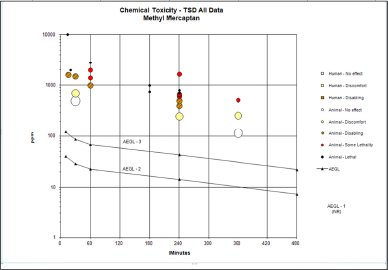
TABLE D-1 Data Used in the Category Plot for Methyl Mercaptan
| Source | Species | Sex | No. Exposures | ppm | Minutes | Category | Effect |
| AEGL-1 | NR | 10 | AEGL | ||||
| AEGL-1 | NR | 30 | AEGL | ||||
| AEGL-1 | NR | 60 | AEGL | ||||
| AEGL-1 | NR | 240 | AEGL | ||||
| AEGL-1 | NR | 480 | AEGL | ||||
| AEGL-2 | 40 | 10 | AEGL | ||||
| AEGL-2 | 29 | 30 | AEGL | ||||
| AEGL-2 | 23 | 60 | AEGL | ||||
| AEGL-2 | 14 | 240 | AEGL | ||||
| AEGL-2 | 7.3 | 480 | AEGL | ||||
| AEGL-3 | 120 | 10 | AEGL | ||||
| AEGL-3 | 86 | 30 | AEGL | ||||
| AEGL-3 | 68 | 60 | AEGL | ||||
| AEGL-3 | 43 | 240 | AEGL | ||||
| AEGL-3 | 22 | 480 | AEGL | ||||
| Horiguchi 1960 | Mouse | 1 | 1,664 | 240 | LC50 | ||
| SRI International 1996 | Mouse | Both | 1 | 114 | 360 | 0 | |
| Mouse | Both | 1 | 258 | 360 | 1 | Shallow breathing, hypoactivity | |
| Mouse | Both | 1 | 512 | 360 | SL | Mortality (5/15); shallow breathing; hypoactivity | |
| Tansy et al. 1981 | Rat | Both | 1 | 400 | 240 | 2 | |
| Source | Species | Sex | No. Exposures | ppm | Minutes | Category | Effect |
| Rat | Both | 1 | 600 | 240 | SL | Mortality (2/10) | |
| Rat | Both | 1 | 650 | 240 | SL | Mortality (5/10) | |
| Rat | Both | 1 | 680 | 240 | SL | Mortality (4/10) | |
| Rat | Both | 1 | 700 | 240 | 3 | Mortality (10/10) | |
| Rat | Both | 1 | 700 | 240 | 3 | Mortality (10/10) | |
| Rat | Both | 1 | 800 | 240 | 3 | Mortality (10/10) | |
| DuPont 1992 | Rat | Male | 1 | 250 | 240 | 1 | Pneumonitis in 2 rats, considered coincidental |
| Rat | Male | 1 | 500 | 240 | 2 | Focal atelectasis | |
| Rat | Male | 1 | 750 | 180 | 3 | Mortality (2/2), coma | |
| Rat | Male | 1 | 1,000 | 180 | 3 | Mortality (2/2), shallow respiration, cyanosis, coma | |
| Rat | Male | 1 | 2,000 | 20 | 3 | Mortality (2/2), coma | |
| Latven 1977 | Rat | Male | 1 | 1,000 | 60 | 2 | Clinical signs |
| Rat | Male | 1 | 1,400 | 60 | SL | Mortality (1/6) | |
| Rat | Male | 1 | 2,000 | 60 | SL | Mortality (5/6) | |
| Rat | Male | 1 | 2,800 | 60 | 3 | Mortality (6/6) | |
| Zieve et al. 1974 | Rat | Male | 1 | 1,600 | 15 | 2 | CD50 (coma induction) |
| Ljunggren and Norberg 1943 | Rat | Female | 1 | 500 | 30 | 0 | |
| Rat | Female | 1 | 700 | 30 | 1 | ||
| Rat | Female | 1 | 1,500 | 30 | 2 | ||
| Rat | Female | 1 | 10,000 | 14 | 3 | Mortality (1/1) | |
For category: 0 = no effect, 1 = discomfort, 2 = disabling, 3 = lethal; SL = some lethality.


