Acute Exposure Guideline Levels for Selected Airborne Chemicals: Volume 15 (2013)
Chapter: 5 Lewisite Acute Exposure Guideline Levels
5
Lewisite1
Acute Exposure Guideline Levels
PREFACE
Under the authority of the Federal Advisory Committee Act (FACA) P.L. 92-463 of 1972, the National Advisory Committee for Acute Exposure Guideline Levels for Hazardous Substances (NAC/AEGL Committee) has been established to identify, review, and interpret relevant toxicologic and other scientific data and develop AEGLs for high-priority, acutely toxic chemicals.
AEGLs represent threshold exposure limits for the general public and are applicable to emergency exposure periods ranging from 10 minutes (min) to 8 hours (h). Three levels—AEGL-1, AEGL-2, and AEGL-3—are developed for each of five exposure periods (10 and 30 min and 1, 4, and 8 h) and are distinguished by varying degrees of severity of toxic effects. The three AEGLs are defined as follows:
AEGL-1 is the airborne concentration (expressed as parts per million or milligrams per cubic meter [ppm or mg/m3]) of a substance above which it is predicted that the general population, including susceptible individuals, could experience notable discomfort, irritation, or certain asymptomatic, nonsensory
____________________
1This document was prepared by the AEGL Development Team composed of Cheryl Bast (Oak Ridge National Laboratory), Julie Klotzbach (SRC, Inc.), Chemical Manager Warren Jederberg (National Advisory Committee [NAC] on Acute Exposure Guideline Levels for Hazardous Substances), and Ernest V. Falke (U.S. Environmental Protection Agency). The NAC reviewed and revised the document and AEGLs as deemed necessary. Both the document and the AEGL values were then reviewed by the National Research Council (NRC) Committee on Acute Exposure Guideline Levels. The NRC committee has concluded that the AEGLs developed in this document are scientifically valid conclusions based on the data reviewed by the NRC and are consistent with the NRC guidelines reports (NRC 1993, 2001).
effects. However, the effects are not disabling and are transient and reversible upon cessation of exposure.
AEGL-2 is the airborne concentration (expressed as ppm or mg/m3) of a substance above which it is predicted that the general population, including susceptible individuals, could experience irreversible or other serious, long-lasting adverse health effects or an impaired ability to escape.
AEGL-3 is the airborne concentration (expressed as ppm or mg/m3) of a substance above which it is predicted that the general population, including susceptible individuals, could experience life-threatening health effects or death.
Airborne concentrations below the AEGL-1 represent exposure concentrations that could produce mild and progressively increasing but transient and nondisabling odor, taste, and sensory irritation or certain asymptomatic, nonsensory effects. With increasing airborne concentrations above each AEGL, there is a progressive increase in the likelihood of occurrence and the severity of effects described for each corresponding AEGL. Although the AEGL values represent threshold concentrations for the general public, including susceptible subpopulations, such as infants, children, the elderly, persons with asthma, and those with other illnesses, it is recognized that individuals, subject to idiosyncratic responses, could experience the effects described at concentrations below the corresponding AEGL.
SUMMARY
Because lewisite compounds were developed as chemical warfare agents, military literature is a major source of relevant toxicity data. Consequently, many of the study reports have “limited distribution”, which is a separate issue from “classification”. For various reasons, sources may have a restricted distribution because of treaty restrictions on data access with allies, concerns regarding distribution of engineering information characterizing agent dissemination or generation in other sections of the same document, and related issues. To ensure public access to pertinent toxicity data originating from limited-distribution materials, pertinent data from those sources have been incorporated into this chapter.2
Lewisite-1 (L-1) is an organic arsenical with vesicant properties. It can exist as a trans-isomer or a cis-isomer; in aqueous solutions, the cis-isomer undergoes photoconversion to the trans-isomer. Lewisite causes local corrosive damage and may cause systemic poisoning after absorption through skin or mucous membranes. Exposure to lewisite causes almost immediate irritation and burning sensation in the eyes, skin, upper respiratory tract, and lungs. Death may result from direct pulmonary damage or from circulatory failure due to fluid loss and
____________________
2The NRC committee that reviewed this document was not provided with the limited-distribution materials, so it relied on the information as presented in the text.
arrhythmia. Death that occurs within 24 h of exposure is likely due to pulmonary damage (Lindberg et al. 1997). Lewisite-2 (L-2) and lewisite-3 (L-3) are co-products concurrently formed with L-1(Trammel 1992). L-1 yield is greater than 65%, and approximate yields of L-2 and L-3 are 7-10% and 4-12%, respectively (Lindberg et al. 1997). L-2 and L-3 are present in smaller quantities and have comparatively low volatility, so those compounds will be less toxicologically significant than L-1. Furthermore, the toxicity of L-2 and L-3 is comparable to L-1 (Lindberg et al. 1997). Therefore, AEGL values were derived for “lewisite”, rather than for the individual lewisite compounds, and are considered protective for L-1, L-2, and L-3 compounds.
Appropriate data were not available for deriving AEGL-1 values for lewisite. Odor cannot be used as a warning for potential exposure. For L-1, the odor threshold is reported to be between 14-23 mg/m3 (1.7-2.7 ppm), concentrations greater than those that are highly irritating and higher than the AEGL-2 and AEGL-3 values. Therefore, AEGL-1 values are not recommended.
No inhalation studies with both concentration and duration parameters and with effects consistent with the definition of AEGL-2 end points were available. Therefore, the AEGL-2 values for lewisite, were determined by taking a threefold reduction in the AEGL-3 values; the resulting values are considered to be estimated thresholds for irreversible effects (NRC 2001). The reduction approach is considered appropriate because of the steep concentration-response curve for mortality from lewisite. In studies with mice, the 10-min LC50 (lethal concentration, 50% lethality) was 200 mg/m3 [24 ppm], and the 10-min LC100 (lethal concentration, 100% lethality) was 240 mg/m3 [28 ppm]. In dogs, no deaths occurred after a 7.5-min exposure to lewisite at 126 mg/m3 [15 ppm], and the LC50 was 176 mg/m3 [21 ppm]).
AEGL-3 values for lewisite were based on lethality data for L-1 in dogs (Armstrong 1923). Points of departure were the calculated LC01 values: 38.7 mg/m3 (4.6 ppm) for the 10-min value, 14.0 mg/m3 (1.7 ppm) for the 30-min value, 7.4 mg/m3 (0.87 ppm) for the 1-h value, 2.1 mg/m3 (0.25 ppm) for the 4-h value, and 1.1 mg/m3 (0.13 ppm) for the 8-h value. The LC01 values are considered estimated lethality thresholds. Interspecies and intraspecies uncertainty factors of 3 each were applied. The interspecies uncertainty factor of 3 is supported by data suggesting little species variability with regard to lethality from inhalation exposure to lewisite; C × T values are relatively constant across species, except for the guinea pig, and the interspecies uncertainty factor of 3 encompasses the two- to three-fold difference in sensitivity between guinea pigs and rats, mice, rabbits, dogs, and goats. The intraspecies uncertainty factor of 3 is supported by the steep concentration-response curve with regard to lethality, which implies limited intraspecies variation. Thus, the total uncertainty factor was 10.
The AEGL values for lewisite are presented in Table 5-1.
TABLE 5-1 AEGL Values for Lewisite
| Classification | 10 min | 30 min | 1 h | 4 h | 8 h | End Point (Reference) |
| AEGL-1a (nondisabling) | NR | NR | NR | NR | NR | Insufficient data |
| AEGL-2 (disabling) | 1.3 mg/m3 (0.15 ppm) | 0.47 mg/m3 (0.055 ppm) | 0.25 mg/m3 (0.030 ppm) | 0.070 mg/m3 (0.0083 ppm) | 0.037 mg/m3 (0.0044 ppm) | One-third of AEGL-3 values |
| AEGL-3 (lethal) | 3.9 mg/m3 (0.46 ppm) | 1.4 mg/m3 (0.16 ppm) | 0.74 mg/m3 (0.087 ppm) | 0.21 mg/m3 (0.025 ppm) | 0.11 mg/m3 (0.013 ppm) | Dog LC01 values (Armstrong 1923). |
Abbreviations: LC01, lethal concentration, 1% lethality; NR, not recommended.
aAbsence of AEGL-1 values does not imply that exposure below the AEGL-2 values is without adverse effects.
1. INTRODUCTION
Lewisite is an organic arsenical with vesicant properties. It can exist as a trans- or cis-isomer; in aqueous solutions, the cis-isomer undergoes photoconversion to the trans-isomer. Pure lewisite is a colorless, odorless oily liquid; however, synthesized agent is an amber to dark brown liquid with a geraniumlike odor (Munro et al. 1999). Lewisite causes local corrosive damage and may cause systemic poisoning after absorption through skin or mucous membranes. Exposure to lewisite causes almost immediate irritation and burning sensation of the eyes, skin, upper respiratory tract, and lungs. Death may result from direct pulmonary damage or circulatory failure from fluid loss and arrhythmia. Death that occurs within 24 h of exposure is likely due to pulmonary damage (Lindberg et al. 1997).
Lewisite was developed as a chemical warfare blister agent during the latter part of World War I and was named after its inventor Captain W. Lee Lewis. When the first ship loaded with lewisite reached Europe in 1918, the war ended, and the cargo was dumped into the sea. During the period between World War I and World War II, few studies on lewisite were conducted; however, when World War II began, the research efforts intensified. Results of those studies suggested that lewisite had limited utility as a war gas because of hydrolysis to a nonvolatile and water insoluble oxide, poor penetration of protective clothing, and difficulty in attaining lethal concentrations on the battle field (Lindberg et al. 1997). Also, lewisite is so immediately irritating at low concentrations (about 6-8 mg/m3) that troops would be warned of its presence, even before detecting the geranium-like odor at 14-23 mg/m3, and take protective action by deploying gas masks or retreating from the toxic atmosphere (Gates et al. 1946).
Lewisite-1 (L-1) is formed by the reaction of acetylene with arsenic trichloride using aluminum trichloride as a catalyst. Arsenic trichloride, lewisite-2 (L-2),
and lewisite-3 (L-3) are co-products concurrently formed with L-1 (Trammel 1992). L-1 yield is greater than 65%, and approximate yields of arsenic trichloride, L-2, and L-3 are 16-21%, 7-10%, and 4-12%, respectively (Lindberg et al. 1997). Therefore, an accidental release from storage tanks of L-1 will likely be the release of a mixture of L-1, L-2, L-3, and arsenic trichloride. Exposure will be to these compounds and to potential hydrolysis products, sodium arsenite (NaAsO2) and arsenic acid (H3AsO4). Toxicologic data on arsenic trichloride are limited; however, effects are similar to those of L-1 (corrosiveness, damage to skin, eyes, and mucous membranes). With regard to lethality, arsenic trichloride appears to be approximately 2-3 times less toxic than L-1; the LCt50 (lethal concentration [product of concentration and time] that will cause death in 50% of the exposed population) for arsenic trichloride is 4,000-5,000 mg-min/m3 whereas the LCt50 for L-1 is 1,200-1,500 mg-min/m3 (Flury 1921). L-2 and L-3 will be less significant toxicologically because of their smaller quantities and comparatively low volatility. However, the toxicity of L-2 and L-3 is reportedly comparable to L-1 (Lindberg et al. 1997). Therefore, AEGL values were derived for “lewisite” rather than for the individual lewisite compounds, and are considered protective for L-1, L-2, and L-3. In addition, in the review of literature, L-1, L-2, and L-3 are discussed only if the primary literature makes a distinction.
A summary of the nomenclature for the lewisite compounds is presented in Table 5-2, and chemical and physical data are summarized in Table 5-3.
2.1. Acute Lethality
Gates et al. (1946) estimated (based on animal data presented later in this chapter) that the inhalation LC50 for lewisite vapor in humans was 120 mg/m3 for 10 min and 50 mg/m3 for 30 min. An LC50 of 3,300 mg/m3 for 30 min for lewisite vapor absorption through the bare skin was also estimated. This estimate is based on animal data and assumes that absorption of lewisite through skin is a function of the ratio of surface exposed to body volume. A dermal LD50 of more than 40 mg/kg was also estimated by Gates et al. (1946) based on animal data presented later in this chapter.
TABLE 5-2 Nomenclature for Lewisite Agents
| Common Name | Military Designator | Chemical Names and Synonyms | CAS Registry No. |
| Lewisite-1 | L or L-1 | 2-Chlorovinyldichloroarsine; (2-chlorovinyl)arsenous dichloride; beta-chlorovinyldichloroarsine; dichloro(2-chlorovinyl) arsine; chlorovinylarsine dichloride; EA 1034 | 541-25-3 |
| Lewisite-2 | L-2 | bis-(2-chlorovinyl)chloroarsine | 40334-69-8 |
| Lewisite-3 | L-3 | tris-(2-chlorovinyl)arsine | 40334-70-1 |
Sources: Gates et al. 1946; Cookson and Nottingham 1969; USACHPPM 1996.
TABLE 5-3 Chemical and Physical Data for Lewisite Compounds
Parameter | Value | Reference |
Chemical formula Lewisite-1 (L or L-1) | ClCH=CHAsCl2 | Gates et al. 1946 |
Molecular weight Lewisite-1 (L or L-1) | 207.32 | HSDB 2008; |
Physical state Lewisite-1 (L or L-1) | Oily liquid for all forms | Lindberg et al. 1997 |
Color Lewisite-1 (L or L-1) | Mixture: amber to brown | Munro et al. 1999 |
Melting point Lewisite-1 (L or L-1) | 0.1°C | HSDB 2008 |
Boiling point Lewisite-1 (L or L-1) | 190°C | Trammel 1992 |
Specific gravity (water = 1) Lewisite-1 (L or L-1) | 1.888 at 20°C | HSDB 2008 |
Density (air = 1) Lewisite-1 (L or L-1) | 7.1 | Trammel 1992 |
Solubility Lewisite-1 (L or L-1) | Insoluble in water; soluble in most organic solvents | USACHHPM 1996 |
Vapor pressure Lewisite-1 (L or L-1) | 0.34 mm Hg at 25°C; 0.22 mm Hg at 20°C | USACHHPM 1996 |
Conversion factors Lewisite-1 (L or L-1) | 1 mg/m3 = 0.118 ppm |
|
2. HUMAN TOXICITY DATA
2.2. Nonlethal Toxicity
2.2.1. Individual Studies
Lewisite is immediately and highly irritating at concentrations of about 68 mg/m3. The geranium-like odor is reportedly detectable at 14-23 mg/m3 (Gates et al. 1946).
Inhalation of lewisite at10 mg/m3 for 30 min reportedly resulted in severe intoxication and incapacitation that lasted for several weeks, and exposure at 10 mg/m3 for 15 min caused inflammation of the eyes and swelling of the eyelids (Franke 1968, as cited in Ottinger et al. 1973). Ottinger et al. (1973) is a review article, and did not provide experimental details or information regarding the severity of effects. No further details were available.
A dermal vapor study was conducted by Eldridge (1923). To select “men of average resistance” for the study, pin-point drops of 0.1 or 2% solutions of liquid lewisite in alcohol were applied to the forearms of 52 male volunteers at Edgewood Arsenal. If a subject showed no reaction to the 2% solution, he was classified as “resistant” and not used in the dermal vapor study. If a subject showed a marked reaction to the 0.1% solution, he was classified as “sensitive” and not used in the dermal vapor study. Of the 52 men, 14 were resistant and 3 were sensitive. Further dermal tests with liquid lewisite were done on the sensitive and resistant subjects; the tests showed that the sensitive subjects had no effects when treated with a 0.01% lewisite solution, and the resistant subjects developed blistering with a 5% solution. Dermal effects included blanching or graying of the skin, followed by severe erythema within 15-30 min. Vesication, accompanied by some edema, occurred within 12 h. Within less than 24 h, a raised area of redness measuring 2 × 2.5 inches in diameter appeared, accompanied by a 1.5-inch diameter blister surrounded by hundreds of minute vesicles. Forty-eight hours later, the raised area of redness had increased to 6 × 3.5 inches in diameter, and fluid seeped from the blister. The smaller vesicles also ruptured as the severity of the burns continued to increase up to the fourth day. No change was noted from days 4 to 7, and from day 7 onward improvement was observed until the burns were completely healed by the end of week 4. The men described a stinging sensation that lasted for 2 min and occurred within 2.5 min of exposure. No further sensation was noted until approximately 20 min later, when the stinging sensation was again reported and lasted for approximately 2 h. Five hours later, a “continuous feeling of discomfort” was described; burning lasted until the blister ruptured 22.5 h after lewisite was administered. Intermittent stinging and burning followed and the area became sore to the touch. By the end of day 6, the pain was more severe and occurred at shorter time intervals. By day 9, all pain had resolved.
Groups of 1-7 men (from the 35 male volunteers of average sensitivity described above) were exposed on their arms to varying concentrations of lewisite vapor for periods ranging from 10 min to 3 h to determine the concentration nec-
essary to produce blistering (Eldridge 1923). The exposure apparatus allowed for a constant stream of air-lewisite mixture to pass over a square centimeter area of the subject’s forearm under atmospheric pressure. Lewisite concentrations were determined by dividing the loss in weight of the gas container by the total volume of air passing through the apparatus during the test. Skin burns ranged in severity from reddish discoloration to a clear watery blister over the entire burned area, accompanied by reddening, swelling, and hardening of the surrounding skin. The burns reached maximum severity in 36-48 h, and healing was complete in 6 days to 2 weeks. The men reported that the healed skin remained sensitive for several weeks after the healing was complete. Data from this study are summarized in Table 5-4.
Lewisite liquid at doses of 3.5, 7, and 14 μg produced erythema and vesication of human skin, and doses of 22, 32, and 40 μg produced vesication (NDRC 1944).
Davis (1943) analyzed fluid from human lewisite blisters and found arsenic at 0.8-1.3 mg/mL, equivalent to 2.5-4.0 mg of lewisite.
2.2.2. Case Report
A male worker at Pine Bluff Arsenal experienced lewisite burns over 20% of his body surface, with the majority of burns on his legs. He hadan anemia 1015 days after the burn, but had no signs of systemic arsenic poisoning (Gates et al. 1946). No further information was available on this incident.
2.3. Developmental and Reproductive Effects
Human developmental and reproductive toxicity data concerning lewisite were not found.
2.4. Genotoxicity
Human genotoxicity toxicity data concerning lewisite were not found.
TABLE 5-4 Average Lewisite Concentration Causing Blistering on Human Forearm Skin
Duration of Exposure (min) | Average Blistering Concentration (mg/m3) |
5 | 2,090 |
10 | 1,040 |
30 | 340 |
60 | 150 |
120 | 62 |
180 | 26.2 |
Source: Eldridge 1923.
2.5. Carcinogenicity
In 1940, a World War II German soldier was accidentally exposed to lewisite on his lower right leg. The blistered lesion never healed, and was diagnosed as malignant in 1948. Bowen’s disease (intraepidermal squamous cell carcinoma) was diagnosed 38 years later (Krause and Grussendorf 1978).
Wada et al. (1962) reported increased incidences of cancer mortality (14% respiratory tract; 9.6% digestive tract) in workers from the Okuno-Jima poison gas factory. When cancer rates were correlated with job classification, the frequency of respiratory and gastrointestinal tract neoplasms were highest in workers involved in the production of mustard gas or lewisite, followed by those who worked indirectly with mustard gas or lewisite, and the lowest frequency was found in those that had no direct contact with mustard or lewisite (Yamakido et al. 1985). However, this information is confounded by the fact that workers were also exposed to mustard gas in addition to lewisite, and the factory also produced hydrocyanic acid, diphenylcyanarsine, chloroacetophenone, and phosgene.
2.6. Summary
Exposure to lewisite in air and by contact to liquid causes immediate irritation, burning, and corrosive damage to the eyes and exposed skin; inhalation exposure may also affect the upper airway and lungs. Human exposure data are dated and studies are, in many cases, not well described. No information concerning developmental or reproductive toxicity or genotoxicity with regard to lewisite exposure in humans was identified. Information suggesting an increased cancer incidence in workers from a Japanese poison gas factory is confounded because workers were exposed to several chemicals. Selected data on humans exposed to lewisite by inhalation are summarized in Table 5-5, and selected data on human exposed to liquid lewisite are presented in Table 5-6.
3. ANIMAL TOXICITY DATA
3.1. Acute Lethality
Several inhalation LC50 values were identified in the literature. In some cases no detailed methods were presented; however, only data from studies where concentrations were reported to be analytically determined are presented in this chapter. Oral, dermal, subcutaneous, and intravenous LD50 values were also identified in a variety of species.
A 9-min LC50 of 166 mg/m3 was reported for rats (Gates et al. 1946). An oral LD50 of 50 mg/kg (U.S. Army 1974), dermal LD50 of 24 mg/kg (Cameron et al. 1946), and subcutaneous LD50 of 1 mg/kg (Cameron et al. 1946) were reported for rats.
TABLE 5-5 Data on Humans Exposed to Lewisite in Air
| Effect | Exposure Duration (min) | Concentration (mg/m3) | C × T (mg-min/m3) | Reference |
| Odor perception | Threshold | 14-23 | – | Gates et al. 1946 |
| Nasal irritation, mild | Threshold | 0.8 | – | Prentis 1937 |
| Irritation, pronounced | Threshold | 2.0 | – | Cherkes et al. 1965 |
| Irritation, highly irritating | Threshold | 6-8 | – | Gates et al. 1946 |
| Irritation, severe | Threshold | 10-30 | – | Cherkes et al. 1965 |
| Ocular inflammation/ swelling | 15 | 10 | 150 | Ottinger et al. 1973 |
| Incapacitation | 30 | 10 | 300 | Ottinger et al. 1973 |
| Skin lesions | 5 | 2,090 | 10,450 | Eldridge 1923 |
| (skin exposure) | 10 | 1,040 | 10,400 | |
| 30 | 340 | 10,200 | ||
| 60 | 150 | 9,000 | ||
| 120 | 62 | 7,440 | ||
| 180 | 26.2 | 4,716 | ||
| Estimated inhalation LC50 | 10 | 120 | 1,200 | Gates et al. 1946 |
| Estimated inhalation LC50 | 30 | 50 | 1,500 | Gates et al. 1946 |
| Estimated percutaneous LC50 | 30 | 3,300 | 100,000 | Gates et al. 1946 |
TABLE 5-6 Skin Effects in Humans Exposed to Liquid Lewisite
| Dose (µg) | Effect | Incidence | Reference |
| 3.5 | Erythema | 24/29 | NRDC 1944 |
| Vesication | 21/29 | ||
| 7 | Erythema | 30/30 | NRDC 1944 |
| Vesication | 30/30 | ||
| 14 | Erythema | 26/26 | NRDC 1944 |
| Vesication | 26/26 | ||
| 22 | Vesication | 10/10 | CWS 1944 |
| 32 | Vesication | 7/9 | CWS 1944 |
| 40 | Vesication | 100% | CWS 1944 |
3.1.1. Rats
Olajos et al. (1998) exposed groups of six male and six female Sprague-Dawley rats (head-only) to product solution (waste stream) from the chemical neutralization of Chemical Agent Identification Sets (CAIS). The CAIS waste stream contained chloroform (vehicle), t-butanol (vehicle), and lewisite. Exposures to the CAIS waste stream were at 6,000, 12,000, 18,000, or 24,000 ppm and to the chloroform-butanol solvent were at 24,000 ppm for 1 h. The concen-
tration of lewisite in the test atmospheres was 0, 0.17, 0.67, 0.96, and 0.31 mg/m3 for the vehicle controls and the 6,000, 12,000, 18,000, and 24,000 ppm groups, respectively. Toxic signs were consistent with those of chloroform and butanol, and were noted in the control (vehicle) and waste-stream exposed animals. Ocular effects (corneal opacity and erosion) and pulmonary function effects (decreased minute volume) were similar in control and waste-stream exposed groups. The authors concluded that effects were due to chloroform and butanol, not lewisite.
3.1.2. Mice
Silver and McGrath (1943) exposed groups of 20 male CF-1 mice to varying concentrations of cis- or trans-lewisite for 10 min. Animals were exposed in a 386-L continuous flow chamber. Lewisite was vaporized by passing 20-30 L of air per minute (L/min) through lewisite in a bubbler at room temperature. Chamber airflow was maintained at 250 L/min. Lewisite concentrations in the chamber were measured analytically using a wet test meter. No animals were placed in the chamber until the chamber atmosphere reached equilibrium (approximately 10 min). Ten-min mouse LC50 values of 190 and 200 mg/m3 were determined for the cis- and trans-isomers, respectively. All mice exposed to lewisite for 10 min at 240 mg/m3 died.
3.1.3. Dogs
In an acute inhalation toxicity study, Armstrong (1923) exposed groups of dogs (sex not reported) to varying concentrations of L-1(purity 99%) for 7.5, 15, 30, 60, 120, or 240 min. The number of dogs per group varied from 1 to 17 (see Table 5-7); no explanation for the variation was provided. The dogs were exposed in an air-tight glass chamber (74.9 × 69.6 × 71.2 cm) with a sliding front and entrance and exit ports for the air-lewisite mixture. Affluent air was supplied by an air pump and was passed through a series of drying bottles. Dried air was then passed through a flowmeter to regulate the amount entering the exposure chamber. This metered stream then entered a bubbler containing the lewisite; the bubbler was immersed in a water bath so that it could be heated or cooled. The temperature of the bath and flow rate was then adjusted to predetermined points (from blank runs) to obtain the desired chamber concentrations. Lewisite concentrations in the exposure chamber were determined analytically from samples aspirated from the chamber during exposures.
Clinical signs in dogs exposed for 7.5 or 15 min included detection of lewisite within 30 seconds, as evidenced by continual eye blinking, followed by excessive nasal secretion, lacrimation, and sneezing (Armstrong 1923). Vomiting occurred and ocular irritation was observed in some dogs before exposure ended. In dogs exposed for 30-min or longer, frequent retching, vomiting, extreme salivation, and labored breathing were observed, in addition to signs noted
for shorter exposure durations. Necropsy of dying animals revealed a thick membrane in the nostrils, larynx, and trachea, accompanied by purulent bronchitis, hemorrhage, pneumonia, inflammation of the entire respiratory tract, edema, and congestion of the lungs. Congestion of the liver and kidneys were also noted. Generally, all clinical signs and pathology increased in severity with increasing exposure duration and concentration. LC01 values for the five AEGL durations were calculated to be 38.7 mg/m3 for 10 min, 14.0 mg/m3 for 30 min, 7.4 mg/m3 for 1 h, 2.1 mg/m3 for 4 h, and 1.1 mg/m3 for 8 h (ten Berge et al. 1986). Lethality data on lewisite are summarized in Table 5-7.
TABLE 5-7 Lethality Data from a Study of Dogs Exposed to Lewisite-1
| Exposure Duration | Concentration (mg/m3) | Mortality | LC50 (mg/m3) | When Death Occurred |
| 7.5 min | 126 | 0/2 | 176 | – |
| 176 | 7/12 | 15-69 h post-exposure | ||
| 231 | 10/17 | 13-57 h post-exposure | ||
| 274 | 4/4 | 12-37 h post-exposure | ||
| 330 | 1/1 | 14 h post-exposure | ||
| 15 min | 68.7 | 1/4 | 100 | 12 h post-exposure |
| 87.7 | 2/5 | 28 and 40 h post-exposure | ||
| 96 | 3/5 | 24-60 h post-exposure | ||
| 102 | 2/3 | 36 and 84 h post-exposure | ||
| 125 | 6/12 | 12-96 h post-exposure | ||
| 233 | 3/3 | 10-24 h post-exposure | ||
| 30 min | 11.5 | 0/1 | 48 | – |
| 24.5 | 0/4 | – | ||
| 30.6 | 0/2 | – | ||
| 41.5 | 0/2 | – | ||
| 48 | 2/3 | 14 and 44 h post-exposure | ||
| 58.6 | 4/4 | 24-84 h post-exposure | ||
| 60 min | 5.8 | 0/2 | 25.7 | – |
| 8 | 0/5 | – | ||
| 25 | 5/9 | 18-56 h post-exposure | ||
| 35 | 5/9 | 4-36 h post-exposure | ||
| 43 | 5/7 | 17-20 h post-exposure | ||
| 53 | 1/1 | 12 h post-exposure | ||
| 120 min | 4.8 | 0/4 | 11.8 | – |
| 12.5 | 2/3 | 47 and 72 h post-exposure | ||
| 17.9 | 4/6 | 12-24 h post-exposure | ||
| 24.5 | 4/5 | 24-84 h post-exposure | ||
| 34.5 | 3/3 | 12-29 h post-exposure | ||
| 240 min | 2.1 | 0/3 | 6.6 | – |
| 6.2 | 5/9 | 16-76 h post-exposure | ||
| 10 | 10/17 | 2-78 h post-exposure | ||
| 16.9 | 2/2 | 48 and 37 h post-exposure | ||
Source: Armstrong 1923.
Harrison et al. (1946) exposed dogs to lewisite at 50 mg/m3 for 30 min (8 dogs), 61 mg/m3 for 30 min (9 dogs), or 121 mg/m3 for 10 min (5 dogs). Clinical signs included vomiting, urination, defecation, salivation, and respiratory distress; 80% of the dogs died 3-48 h after exposure. No other information was available.
A dermal LD50 of 15 mg/kg (Cameron et al. 1946) and subcutaneous LD50 of 2 mg/kg (Cameron et al. 1946) were reported for dogs.
3.1.4. Rabbits
A 7.5-min LC50 of 160 mg/m3 and a 60-min LC50 of 25 mg/m3 was reported for rabbits (Gates et al. 1946). A dermal LD50 of 6 mg/kg (Cameron et al. 1946) and intravenous LD50 of 0.5 mg/kg (Cameron et al. 1946) were also reported.
3.1.5. Guinea Pigs
A 9-min LC50 of 111 mg/m3 and a 60-min LC50 of 8 mg/m3 were reported for guinea pigs (Gates et al. 1946). A dermal LD50 of 12 mg/kg (Cameron et al. 1946) and subcutaneous LD50 of 1 mg/kg (Cameron et al. 1946) were also reported.
3.1.6. Goats
A 100-min LC50 of 12.5 mg/m3 (Gates et al. 1946) and a dermal LD50 of 15 mg/kg (Cameron et al. 1946) were reported for goats.
3.2. Nonlethal Toxicity
3.2.1. Rats
No treatment-related deaths occurred in rats exposed a CAIS waste stream (containing chloroform [vehicle], t-butanol [vehicle], and lewisite) at 6,000 or 12,000 ppm. The concentration of lewisite in these test atmospheres was 0.17 mg/m3 for the 6,000 ppm group and 0.96 mg/m3 for the 12,000 ppm group. This study is discussed in more detail in Section 3.1.1.
3.2.2. Dogs
Ocular lesions, but no deaths, were reported in dogs exposed to lewisite at 20 mg/m3 for 30 min (Gates et al. 1946). No additional experimental details, including severity of effects, were reported.
3.2.3. Rabbits
Ocular lesions, but no deaths, were reported in rabbits exposed to lewisite at 1 mg/m3 for 30 min (Gates et al. 1946). No additional experimental details, including severity of effects, were reported.
3.2.4. Pigs
Lindsay et al. (2004) dermally exposed three large white pigs to lewisite at 0.3 mg/cm2. While under anesthesia, an area of dorsal skin (35 cm × 25 cm) was shaved. Exposures were then conducted using inverted glass chambers; lewisite (in hexane) was pipetted onto 10-cm2 glass-fiber discs fitted tightly in the roof of each circular, glass chamber. The heat from the animals vaporized the lewisite so that the skin was exposed to vapor, but not lewisite liquid. Pigs were monitored in their pens for 24 h and were then killed. Full skin thickness samples from control (non-exposed) and lewisite-treated skin were excised to examine the degradative processes in connective tissue components of skin, especially glycoproteins, using immunostaining and gel electrophoresis. There was no evidence of cross linking of laminin or of type III or IV collagen in lewisite-treated pigs. There was evidence of degradation of laminin and type IV collagen only.
3.3. Developmental and Reproductive Effects
Hackett et al. (1987) administered lewisite to CD rats and New Zealand white rabbits by gastric intubation. Rats were dosed daily on days 6 through 15 of gestation with lewisite at 0, 0.5, 1.0, 2.0, or 2.5 mg/kg in a range-finding study and with 0, 0.5, 1.0, or 1.5 mg/kg in a teratology study. Rabbits were dosed on gestation days 6 through 19 with lewisite at 0, 0.5, 1.0, 1.5, and 2.0 mg/kg in a range-finding study and at 0, 0.07, 0.2, and 0.6 mg/kg in a teratology study. In rats, no maternal of fetal effects were noted at 1.5 mg/kg. At 2.0 mg/kg, maternal mortality (10%), decreased maternal and fetal body weight, and decreased numbers of viable fetuses were found. In rabbits, maternal mortality ranged from 13% in the 0.07-mg/kg group to 100% in the 2.0-mg/kg group. This mortality rate limited the sample size and made identification of other potential fetal or maternal effects difficult. However, at 0.07 mg/kg, only maternal mortality was noted. At 0.6 mg/kg (highest dose in the teratology study), effects included 86% maternal mortality, decreased maternal body weight gain, an increased incidence of fetal stunting, and a tendency toward decreased fetal body weight (Hackett et al. 1987).
In a 42-week, two-generation reproductive study in rats, parental males and females were administered lewisite in sesame oil by gastric intubation at 0, 0.10, 0.25, or 0.60 mg/kg/day for 5 days/week prior to mating, during mating, and after mating until the birth of offspring. Dams continued to be exposed to lewisite during lactation. After weaning, male and female offspring selected to
continue on the study were exposed similarly to lewisite. There were no treatment-related effects on reproductive performance, fertility, or reproductive organ weights of male or female rats through two consecutive generations. There were no treatment-related effects in offspring (Sasser et al. 1989).
3.4. Genotoxicity
Lewisite did not induce mutations in Salmonella typhimurium strains TA97, TA98, TA100, or TA102 with or without metabolic activation up to concentrations limited by toxicity (1.0 μg/plate) (Stewart et al. 1989). Lewisite was negative for mutation at the HGPRT locus in Chinese hamster ovary (CHO) cells at concentrations ranging from 0.12 to 2.0 μM (Jostes et al. 1989). However, lewisite induced chromosomal aberrations in CHO cells at concentrations of 0.50, 0.75, and 1.0 μM (Jostes et al. 1989). Lewisite was negative in the Dro-sophilla melanogaster sex-linked recessive lethal assay (Auerbach and Robson 1946, 1947) and negative in a dominant lethal assay in CD rats at concentrations of 0.375, 0.75, or 1.5 mg/kg (Bucci et al. 1993).
3.5. Carcinogenicity
No data were located regarding the carcinogenicity of lewisite in animals.
3.6. Summary
A summary of the acute inhalation data on lewisite is presented in Table 5-8, and Table 5-9 summarizes acute toxicity data by other routes of exposure. Animal data are limited but suggest that lewisite is highly irritating and corrosive, causing dermal and ocular lesions by contact with liquid or vapor. Inhalation LC50 values were identified in several species, and the weight of evidence suggests limited interspecies variability (C × T is relatively constant across species). There is no evidence that lewisite is a reproductive or developmental toxicant in rats or rabbits in the absence of maternal toxicity. Genotoxicity assay results were generally negative; the only positive result was in chromosome aberrations in CHO cells. No information concerning carcinogenicity in animals was found.
4. SPECIAL CONSIDERATIONS
4.1. Metabolism and Disposition
According to a secondary source, lewisite is readily absorbed through the mucous membranes, and is also readily absorbed through the skin because of its lipophilicity (HSDB 2008).
TABLE 5-8 Summary of Acute Inhalation Data from Animals Exposed to Lewisite
| Species | Exposure Duration (min) | Concentration (mg/m3) | C × T (mg-min/m3) | Effect | Reference |
| Lethal Effects | |||||
| Rat | 9 | 166 | 1,494 | LC50 | Gates et al. 1946 |
| Mouse | 10 | 190 | 1,900 | LC50 | Silver and McGrath 1943 |
| Mouse | 10 | 200 | 2,000 | LC50 | Silver and McGrath 1943 |
| Mouse | 10 | 240 | 2,400 | LC100 | Silver and McGrath 1943 |
| Guinea pig | 9 | 111 | 999 | LC50 | Gates et al. 1946 |
| Guinea pig | 60 | 8 | 480 | LC50 | Gates et al. 1946 |
| Rabbit | 7.5 | 160 | 1,200 | LC50 | Gates et al. 1946 |
| Rabbit | 60 | 25 | 1,500 | LC50 | Gates et al. 1946 |
| Dog | 7.5 | 176 | 1,320 | LC50 | Armstrong 1923 |
| Dog | 15 | 100 | 1,500 | LC50 | Armstrong 1923 |
| Dog | 30 | 48 | 1,440 | LC50 | Armstrong 1923 |
| Dog | 60 | 25.4 | 1,542 | LC50 | Armstrong 1923 |
| Dog | 120 | 11.8 | 1,416 | LC50 | Armstrong 1923 |
| Dog | 240 | 6.24 | 1,584 | LC50 | Armstrong 1923 |
| Goat | 100 | 12.5 | 1,250 | LC50 | Gates et al. 1946 |
| Nonlethal Effects | |||||
| Rabbit | 30 | 1 | 30 | Ocular lesions, no death | Gates et al. 1946 |
| Dog | 30 | 20 | 600 | Ocular lesions, no death | Gates et al. 1946 |
4.2. Mechanism of Toxicity
Dermal or intravenous exposure to lewisite leads to local skin edema and pulmonary edema due to increased capillary permeability. There is no evidence of edema or capillary permeability in any other part of the body. The increased capillary permeability results in blood plasma loss and leads to a sequence of physiological events termed “lewisite shock” which is similar to shock observed in severe burn cases. Functional changes in the lungs, kidneys, respiratory tract, cardiovascular system, and lymphatic system may be the result of a disturbance of osmotic equilibrium (Goldman and Dacre 1989).
TABLE 5-9 Summary of Acute Oral, Dermal, Subcutaneous, and Intravenous Data from Animals Exposed to Lewisite
| Route of Administration | Species | LD50 (mg/kg) | Reference |
| Oral | Rat | 50 | U.S. Army 1974 |
| Dermal | Rat | 24 | Cameron et al. 1946 |
| Guinea pig | 12 | Cameron et al. 1946 | |
| Rabbit | 6 | Cameron et al. 1946 | |
| Dog | 15 | Cameron et al. 1946 | |
| Goat | 15 | Cameron et al. 1946 | |
| Subcutaneous | Rat | 1 | Cameron et al. 1946 |
| Guinea pig | 1 | Cameron et al. 1946 | |
| Rabbit | 2 | Cameron et al. 1946 | |
| Dog | 2 | Cameron et al. 1946 | |
| Intravenous | Rabbit | 0.5 | Cameron et al. 1946 |
As reviewed in Goldman and Dacre (1989) and Young (1999), the mechanism of toxicity of lewisite is the formation of stable complexes between the arsenite moiety of lewisite and sulfhydryls groups that are critical to the function of proteins and thiol cofactors (e.g., dihydrolipoic acid, keratin, alcohol dehydrogenase, pyruvate dehydrogenase, succinic dehydrogenase, succinic oxidase, hexokinase). The formation of stable complexes with protein thiols is also the primary mechanism of toxicity of arsenite. Although lewisite can hydrolyze to yield arsenite, the reaction occurs at alkaline conditions and/or high temperature and is unlikely to be important in lewisite toxicology (Goldman and Dacre 1989).
4.3. Structure-Activity Relationships
Lewisite and arsenite share a common mechanism of action in disruption of protein function by formation to complexes with protein sulfhydryls. Toxicologic data on arsenic trichloride, L-2 and L-3, co-products concurrently formed with L-1, are limited. However, effects are similar qualitatively to those of L-1 (corrosiveness, damage to skin, eyes, and mucous membranes). With regard to lethality, arsenic trichloride appears to be approximately 2-3 times less toxic than L-1; the LCt50 for arsenic trichloride is 4,000-5,000 mg-min/m3 whereas the LCt50 for L-1 is 1,200-1,500 mg-min/m3 (Flury 1921). The toxicity of L-2 and L-3 is reportedly comparable to L-1 (Lindberg et al. 1997). Silver and McGrath (1943) found no substantial difference in 10-min LC50 values (190 and 200 mg/m3) for the cis- and trans-isomers of lewisite.
Inhalation data for sodium arsenite, a hydrolysis product of L-1, are not available. However, Inns et al. (1988) compared the acute intravenous toxicity of lewisite and sodium arsenite in New Zealand white rabbits. The LD50 of lewisite was 1.8 mg/kg. Rapid panting was noted 5 min after injection, and was followed by prostration and death within 4 h. By 24 h after injection, surviving rabbits appeared normal. The LD50 for sodium arsenite was 7.6 mg/kg, with hypoactivity noted 20 min after injection. On the basis of trivalent arsenic content, lewisite was 6.5 times more toxic than the inorganic sodium arsenite, and clinical signs and times of death and recovery differed between the compounds. Severe pulmonary damage (gross and histopathologic) was found in rabbits treated with lewisite, but not in animals treated with sodium arsenite. Also, arsenic levels in the liver, kidneys, brain, stomach, duodenum, spleen, and bladder were much greater in sodium arsenite-treated rabbits than in lewisite-treated rabbits. However, arsenic content in the lungs was similar. These data suggest different mechanisms of toxicity for lewisite and inorganic trivalent arsenic, and that arsenite is not an appropriate surrogate for lewisite.
4.4. Other Relevant Information
4.4.1. Species Variability
The selected animal mortality data presented in Table 5-8 show that the concentration-time products from LC50 data sets are relatively constant across species, except for the two guinea pig data points. This suggests that there is relatively little species variability with respect to lethal response to lewisite inhalation exposure. Findings are consistent with the expectation that little species variability will be observed for highly corrosive substances.
4.4.2. Concentration-Exposure Duration Relationship
The concentration-exposure time relationship for many irritant and systemically-acting vapors and gases has been described by the relationship Cn × t = k, where the exponent, n, ranges from 0.8 to 3.5 (ten Berge et al. 1986). Using LC50 data from the dog (the species with the most robust data set, see Table 5-7), which included exposures ranging from 7.5 min to 4-h, an n value of 1.03 is derived (see Figure 5-1).
5. DATA ANALYSIS FOR AEGL-1
5.1. Human Data Relevant to AEGL-1
No human data were relevant for establishing AEGL-1 values for lewisite.
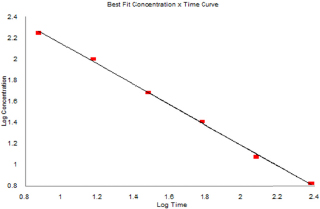
FIGURE 5-1 LC50 Data for Lewisite in Dogs. Source: Armstrong 1923.
5.2. Animal Data Relevant to AEGL-1
No animal data were relevant for establishing AEGL-1 values for lewisite.
5.3. Derivation of AEGL-1
Appropriate data were not available to derive AEGL-1 values for lewisite. Odor cannot be used as a warning for potential exposure, because the odor threshold (14-23 mg/m3 for L-1) is higher than concentrations that are highly irritating and higher than the AEGL-2 and AEGL-3 values. Therefore, AEGL-1 values are not recommended. Lack of AEGL-1 values does not imply that exposure at concentrations below the AEGL-2 values is without effect.
6. DATA ANALYSIS FOR AEGL-2
6.1. Human Data Relevant to AEGL-2
No human data were available for establishing AEGL-2 values for lewisite.
6.2. Animal Data Relevant to AEGL-2
No animal data were available for establishing AEGL-2 values for lewisite. Ocular inflammation and lesions reported by Gates et al. (1946) and Ottinger et al. (1973) were considered an inappropriate basis for AEGL-2 values. The Ottinger et al. (1973) report is a review paper, which noted that “a lower concentration of 0.01 mg/L causes inflammation to the eyes and swelling of the lid after 15 minutes” (as
cited in Franke 1968); however, no experimental details were provided and attempts to obtain the Franke (1968) report were not successful. Because the primary data could not be obtained for review, the information was considered unsuitable for deriving AEGL-2 values. Gates et al. (1946) reported approximate concentrations necessary to produce ocular lesions in 30 min (0.001 mg/L in rabbits and 0.20 mg/L in dogs); however, no experimental details or descriptions of the lesions were reported. For both the Ottinger et al. (1973) and Gates et al. (1946) reports, sufficient detail is not available to determine the severity of effects and do not provide no-effect levels.
6.3. Derivation of AEGL-2
No inhalation data with both concentration and duration parameters and with effects consistent with the definition of AEGL-2 end points were available. Therefore, the AEGL-2 values for lewisite were determined by taking a three-fold reduction in the AEGL-3 values; the resulting values are considered to be estimated thresholds for irreversible effects (NRC 2001). The reduction approach is considered appropriate because of the steep concentration-response curve for mortality from lewisite. In studies with mice, the 10-min LC50 was 200 mg/m3 and the 10-min LC100 was 240 mg/m3. In dogs, no deaths occurred after a 7.5-min exposure to lewisite at 126 mg/m3, and the LC50 was 176 mg/m3.
AEGL-2 values for lewisite are presented in Table 5-10, and the calculations are presented in Appendix A.
7. DATA ANALYSIS FOR AEGL-3
7.1. Human Data Relevant to AEGL-3
No human data with concentration and duration parameters consistent with the definition of AEGL-3 were available.
7.2. Animal Data Relevant to AEGL-3
Gates et al. (1946) reported LC50 values for several test species: a 9-min LC50 of 166 mg/m3 for rats; a 9-min LC50 of 111 mg/m3 and a 60-min LC50 of 8 mg/m3 for guinea pigs; a 7.5-min LC50 of 160 mg/m3 and a 60-min LC50 of 25 mg/m3 for rabbits; and a 100-min LC50 of 12.5 mg/m3 in goats. Silver and McGrath (1943) reported 10-min LC50 values for mice of 190 and 200 mg/m3 for cis- and trans-isomers of lewisite, respectively. Armstrong (1923) reported the following LC50 values for dogs: 176 mg/m3 for 7.5 min, 100 mg/m3 for 15 min, 48 mg/m3 for 30 min, 25.4 mg/m3 for 60 min, 11.8 mg/m3 for 120 min, and 6.24 mg/m3 for 240 min. The mouse study (Silver and McGrath 1943) and dog study (Armstrong 1923) were well-conducted and well-described, but the studies by Gates et al. (1946) were not well described.
TABLE 5-10 AEGL-2 Values for Lewisite
| 10 min | 30 min | 1 h | 4 h | 8 h |
| 1.3 mg/m3 (0.15 ppm) | 0.47 mg/m3 (0.055 ppm) | 0.25 mg/m3 (0.030 ppm) | 0.070 mg/m3 (0.0083 ppm) | 0.037 mg/m3 (0.0044 ppm) |
7.3. Derivation of AEGL-3
The dog lethality study (Armstrong, 1923) was used as the basis of AEGL-3 values. Points of departure were the calculated LC01 values: 38.7 mg/m3 for the 10-min value, 14.0 mg/m3 for the 30-min value, 7.4 mg/m3 for the 1-h value, 2.1 mg/m3 for the 4-h value, and 1.1 mg/m3 for the 8-h value. The LC01 values are considered estimates of lethality thresholds. Interspecies and intraspecies uncertainty factors of 3 each were applied. The interspecies uncertainty factor of 3 is supported by data that suggest little species variability with regard to lethality from inhalation exposure to lewisite; C × T values are relatively constant across species, except for the guinea pig, and the interspecies uncertainty factor of 3 encompasses the two- to three-fold difference in sensitivity between guinea pigs and rats, mice, rabbits, dogs, and goats (see Table 5-8 for summary of supporting data). The intraspecies uncertainty factor of 3 is supported by the steep concentration-response curve with regard to lethality, which implies limited intraspecies variation. In studies with mice, the 10-min LC50 was 200 mg/m3 and the 10-min LC100 was 240 mg/m3. In dogs, no deaths occurred after a 7.5-min exposure to lewisite at 126 mg/m3, and the LC50 was 176 mg/m3.
AEGL values were derived for lewisite as a mixture of L-1, L-2, and L-3, rather than for the individual lewisite compounds. L-2 and L-3 are co-products concurrently formed with L-1 (Trammel 1992). L-1 yield is greater than 65%, and approximate yields of L-2 and L-3 are 7-10% and 4-12%, respectively (Lindberg et al. 1997). L-2 and L-3, because of their smaller quantities and comparatively low volatility, will be less toxicologically significant than L-1. Furthermore, the toxicity of L-2 and L-3 is comparable to L-1 (Lindberg et al. 1997). Therefore, AEGL-values derived for lewisite are considered protective for L-1, L-2, and L-3 compounds. AEGL-3 values for lewisite are presented in Table 5-11, and the calculations are presented in Appendix A.
8. SUMMARY OF AEGLs
8.1. AEGL Values and Toxicity End Points
A summary of the AEGL values for lewisite is presented in Table 5-12. Data were insufficient to derive AEGL-1 values. AEGL-2 values are based on a three-fold reduction in AEGL-3 values, and AEGL-3 values are based on lethality data in dogs.
TABLE 5-11 AEGL-3 Values for Lewisite
| 10 min | 30 min | 1 h | 4 h | 8 h |
| 3.9 mg/m3 (0.46 ppm) | 1.4 mg/m3 (0.16 ppm) | 0.74 mg/m3 (0.087 ppm) | 0.21 mg/m3 (0.025 ppm) | 0.11 mg/m3 (0.013 ppm) |
TABLE 5-12 AEGL Values for Lewisite
| Classification | 10 min | 30 min | 1 h | 4 h | 8 h |
| AEGL-1a (nondisabling) | NR | NR | NR | NR | NR |
| AEGL-2 (disabling) | 1.3 mg/m3 (0.15 ppm) | 0.47 mg/m3 (0.055 ppm) | 0.25 mg/m3 (0.030 ppm) | 0.070 mg/m3 (0.0083 ppm) | 0.037 mg/m3 (0.0044 ppm) |
| AEGL-3 (lethal) | 3.9 mg/m3 (0.46 ppm) | 1.4 mg/m3 (0.16 ppm) | 0.74 mg/m3 (0.087 ppm) | 0.21 mg/m3 (0.025 ppm) | 0.11 mg/m3 (0.013 ppm) |
aNR, not recommended; absence of an AEGL-1 does not imply that exposure below the AEGL-2 values is without adverse effect.
8.2. Comparisons with Other Standards and Guidelines
No exposure standards or guidelines were for L-1, L-2, or L-3 were found.
8.3. Data Adequacy and Research Needs
Human data were insufficient for deriving AEGL values for lewisite. Mouse and dog lethality studies were well conducted and were not inconsistent with the limited lethality data in other species. No data on concentration-response relationships for AEGL-2 effects were suitable for deriving AEGL-2 values. Data were available only for L-1; however, given the low volatility and small volume of L-2 and L-3 in total lewisite and the similar toxicity of L-2 and L-3 with L-1 (Lindberg et al. 1997), AEGL-values derived for lewisite should be protective for L-1, L-2, and L-3 compounds.
9. REFERENCES
Because lewisite compounds were developed as chemical warfare agents, military literature is a major source of relevant toxicity data. Consequently, many of the study reports have “limited distribution”, which is a separate issue from “classification”. For various reasons, sources may have a restricted distribution because of treaty restrictions on data access with allies, concerns regarding distribution of engineering information characterizing agent dissemination or generation in other sections of the same document, and related issues. To ensure
public access to pertinent toxicity data originating from limited-distribution materials, pertinent data from those sources have been incorporated into this chapter.
Armstrong, G.C. 1923. The toxicity of M-1 by inhalation for dogs. Chapter II in The Toxicity, Pathology, Chemistry, Mode of Action, Penetration, and Treatment for M-1 and its Mixtures with Arsenic Trichloride. Part 1. ADB954935. Edgewood Arsenal, Aberdeen Proving Ground, MD. August 13, 1923 (unclassified report/limited distribution).
Auerbach, C., and J.M. Robson. 1946. Chemical production of munitions [letter]. Nature 157(3984):302.
Auerbach, C., and J.M. Robson. 1947. Tests of chemical substances for mutagenic action. Proc. R. Soc. Edinb. Biol. 62:284-291.
Bucci, T.R., R.M. Parker, J.C. Dacre, and K.H. Denny. 1993. Dominant Lethal Study of Lewisite in Male Rats. Army Project Order No. 88PP8860. National Center for Toxicologic Research, and Pathology Associates, Inc., Jefferson, AK [online]. Available: http://www.dtic.mil/dtic/tr/fulltext/u2/a290671.pdf [accessed Aug. 15, 2013].
Cameron, G.R., H.M. Carleton, and R.H. Short. 1946. Pathological changes induced by lewisite and allied compounds. J. Pathol. Bacteriol. 58(3):411-422.
Cherkes, A.I., et al., eds. 1965. Toxic chemical agents having a cutaneous-resorptive action. In Handbook of Toxicology of Toxic Agents. U.S. Department of Commerce, Clearinghouse for Federal Scientific and Technical Information, Washington, DC.
Cookson, J., and J. Nottingham. 1969. A Survey of Chemical and Biological Warfare. London: Sheed and Ward, Ltd.
CWS. 1944. Technical Command Chemical Warfare Center, Edgewood Arsenal, MD. Medical Division Status Summaries, CWS-FLM-1-4-5, August, 1944 (as cited in Reutter et al. 2003).
Davis, M.I., Jr. 1943. Clinical and Laboratory Evidence of the Nontoxic Effect of Lewisite Vesicle Fluid on the Skin. Memorandum Report 82, Edgewood Arsenal, MD (as cited in Goldman and Dacre 1989).
Eldridge, W.A. 1923. Blistering concentrations of M-1 vapors for exposures from five minutes to three hours. Chapter IV in The Toxicity, Pathology, Chemistry, Mode of Action, Penetration, and Treatment for M-1 and its Mixtures with Arsenic Trichloride, Part 1. ADB954935. Edgewood Arsenal, Aberdeen Proving Ground, MD. August 13, 1923 (unclassified report/limited distribution).
Flury, F. 1921. About war gas poisoning. IX. Local irritant arsenic compounds [in German]. Z. Ges. Exp. Med. 13(1):523-578.
Franke, S. 1968. Manual of Military Chemistry, Vol. 1. Chemistry of Chemical Warfare Agents. Office of the Assistant Chief of Staff for Intelligences, Department of the Army. 375 pp. (cited in Ottinger et al. 1973).
Gates, M., J.W. Williams, and J.A. Zapp. 1946. Arsenicals. Pp. 83-114 in Chemical Warfare Agents and Related Chemical Problems. Volume I, Parts I-II. Summary Technical Report of Division 9, NRDC. AD0234270. Office of Scientific Research and Development, National Defense Research Committee, Washington, DC [online]. Available: http://www.dtic.mil/cgi-bin/GetTRDoc?Location=U2&doc=GetTRDoc.pdf&AD=AD0234270 [accessed Aug. 15, 2013].
Goldman, M., and J.C. Dacre. 1989. Lewisite: Its chemistry, toxicology, and biological effects. Rev. Environ. Contam. Toxicol. 110:76-115.
Hackett, P.L., L.B. Sasser, R.L. Rommereim, J.A. Cushing, R.L. Buschbom, and D.R. Kalkwarf. 1987. Teratology Studies of Lewisite and Sulfur Mustard Agents: Effects of Lewisite in Rats and Rabbits. Final Report No. PNL-6408. AD A198 423. Pacific Northwest Laboratory, Richland, WA, for the U.S. Army Medical Research and Development Command, Fort Detrick, MD [online]. Available: http://www.dtic.mil/dtic/tr/fulltext/u2/a198423.pdf [accessed Aug. 15, 2013].
Harrison, H.E., H.K. Ordway, S.H. Durlacher, W.S. Albrink, and H. Bunting. 1946. Poisoning from inhalation of vapors of lewisite and phenyldichloroarsine; its pathology in the dog and treatment with 2,3-dimercaptopropanol (BAL). J. Pharmacol. Exp. Therap. 87:76-80.
HSDB (Hazardous Substances Data Bank). 2008. Lewisite. TOXNET, Specialized Information Services, U.S. National Library of Medicine, Bethesda, MD [online]. Available: http://toxnet.nlm.nih.gov/cgi-bin/sis/htmlgen?HSDB [accessed Aug. 15, 2013].
Inns, R.H., J.E. Bright, and T.C. Marrs. 1988. Comparative acute systemic toxicity of sodium arsenite and dichloro(2-chlorovinyl)arsine in rabbits. Toxicology 51(2- 3):213-222.
Jostes, R.F, L.B. Sasser, and R.J. Rausch. 1989. Toxicology Studies on Lewisite and Sulfur Mustard Agents: Genetic Toxicity of Lewisite in Chinese Hamster Ovary Cells. Final Report No. PNL-6922. AD-A216 449. Prepared by Pacific Northwest Laboratory, Richland, WA, for the U.S. Army Medical Research and Development Command, Fort Detrick, MD [online]. Available: http://oai.dtic.mil/oai/oai?verb=getRecord&metadataPrefix=html&identifier=ADA216449 [accessed Aug. 15, 2013].
Krause, H., and E. Grussendorf. 1978. Syntopy of Bowen’s disease and lewisite scar [in German]. Haurarzt 29(9):490-493.
Lindberg, G., P. Runn, S. Winter, and A. Fallman. 1997. Basic Information on Lewisite. A Chemical Warfare Agent with Effects Similar to Mustard Gas. FOA-96- 00238-4.5-SE. Defense Research Establishment (FOA), Division of NBC Defense, Umea, Sweden. NTIS PB97-209803.
Lindsay, C.D., J.L. Hambrook, R.F. Brown, J.C. Platt, R. Knight, R., and P. Rice. 2004. Examination of changes in connective tissue macromolecular components of large white pig skin following application of lewisite vapor. J. Appl. Toxicol. 24(1):37-46.
Munro, N.B., S.S. Talmage, G.D. Griffun, L.C. Waters, A.P. Watson, J.F. King, and V. Hauschild. 1999. The sources, fate, and toxicity of chemical warfare agent degradation products. Environ. Health. Perspect. 107(12):933-974.
NDRC (National Defense Research Committee). 1944. Toxicity of Chemical Warfare Agents, E.M.K. Geiling, R.K. Cannan, and W. Bloom, eds. NDRC-IMPR-9-4-1- 17. June 1944 (as cited in Reutter et al. 2003).
NRC (National Research Council). 1993. Guidelines for Developing Community Emergency Exposure Levels for Hazardous Substances. Washington, DC: National Academy Press.
NRC (National Research Council). 2001. Standing Operating Procedures for Developing Acute Exposure Guideline Levels for Hazardous Chemicals. Washington, DC: National Academy Press.
Olajos, E.J., E.W. Morgan, R.A. Renne, H. Salem., B. McVeety, R. Johnson, and R.L. Phelps. 1998. Acute inhalation toxicity of neutralized chemical agent identification sets (CAIS) containing agent in chloroform. J. Appl. Toxicol. 18(5): 363-371.
Ottinger, R.S., J.L. Blumenthal, D.F. Dal Porto, G.I. Gruber, M.J. Santy, and C.C. Shih. 1973. Recommended Methods of Reduction, Neutralization, Recovery, or Disposal of Hazardous Wastes. Volume VII. Propellants, Explosives, Chemical Warfare. EPA-670/2-73-053-g. U.S. Environmental Protection Agency, Washington, DC.
Prentiss, A.M. 1937. Vesicant agents. Pp. 177-300 in Chemicals in War: A Treatise on Chemical Warfare. New York: McGraw-Hill Book Company, Inc.
Reutter, S.A., D.R. Sommerville, and L.L. Miller, Jr. 2003. Review and Recommendations for Human Toxicity Estimates for FM 3-11.9. ECBC-TR-349. Edgewood Chemical Biological Center, U.S. Army Soldier and Biological Chemical Command. September, 2003 (unclassified report/limited distribution).
Sasser, L.B., J.A. Cushing, D.R. Kalkwarf, P.W. Mellick, and R.L. Buschbom. 1989. Toxicology Studies on Lewisite and Sulfur Mustard Agents: Two-Generation Reproduction Study of Lewisite in Rats. Final Report. PNL-6978. Prepared by Pacific Northwest Laboratory, Richland, WA, for the U.S. Army Medical Research and Development Command, Fort Detrick, MD [online]. Available: http://www.osti.gov/bridge/servlets/purl/1086599/1086599.pdf [accessed Aug. 15, 2013].
Silver, S.D., and F.P. McGrath. 1943. Lewisite (M-1): The Stereoisomers. Investigation of Discrepancies Between Nominal and Analytical Concentrations; Redetermination of LC50 for Mice. AD-B960457L. Chemical Warfare Service, January 29, 1943(unclassified report/limited distribution).
Stewart, D.L., E.J. Sass, L.K. Fritz, and L.B. Sasser. 1989. Toxicology Studies on Lewisite and Sulfur Mustard Agents: Mutagenicity of Lewisite in the Salmonella Histidine Reversion Assay. Final Report. PNL-6872. Prepared by Pacific Northwest Laboratory, Richland, WA, for the U.S. Army Medical Research and Development Command, Fort Detrick, MD [online]. Available: http://0-www.osti.gov.iii-server.ualr.edu/bridge/servlets/purl/1086508/1086508.pdf [accessed Aug. 15, 2013].
ten Berge, W.F., A. Zwart, and L.M. Appelman. 1986. Concentration-time mortality response relationship of irritant and systemically acting vapours and gases. J. Hazard. Mater. 13(3):301-309.
Trammel, G.L. 1992. Toxicodynamics of organoarsenical chemical warfare agents. Pp. 255270 in Chemical Warfare Agents, S.M. Somani, ed. New York: Academic Press.
USACHPPM (U.S. Army Center for Health Promotion and Preventive Medicine). 1996. Detailed and General Facts about Chemical Agents - TG 218. USACHPPM, Aberdeen Proving Ground, MD. October 1996.
U.S. Army. 1974. Pp. 64-72 in Chemical Agent Data Sheets. Vol. 1. Special Report EO-SR- 74001. AD B028222. Development and Engineering Directorate, Edgewood Arsenal, Aberdeen Proving Ground, MD (unclassified report/limited distribution).
Wada, S., Y. Nishimoto, S. Miyanishi, S. Katsuta, M. Nishiki, A. Yamada, S. Tokuoka, H. Umisa, and M. Nagai. 1962. Review of Okumo-Jima poison gas factory regarding occupational environment. Hiroshima J. Med. Sci. 11(3):75-80.
Yamakido, M., Y. Nishimoto, T. Shigenobu, K. Onari, C. Satoh, K. Goriki, and M. Fujita. 1985. Study of the genetic effects of sulfur mustard gas on former workers on Okuno-Jima poison gas factory and their offspring. Hiroshima J. Med. Sci. 34(3):311-322.
APPENDIX A
DERIVATION OF AEGL VALUES FOR LEWISITE
Derivation of AEGL-1 Values
The available data were insufficient to derive AEGL-1 values for lewisite.
Derivation of AEGL-2 Values
In the absence of relevant data to derive AEGL-2 values, a one-third reduction of the AEGL-3 values was used to derive AEGL-2 values (NRC 2001).
10-min AEGL-2: | 3.9 mg/m3 ÷ 3 = 1.3 mg/m3 |
30-min AEGL-2: | 1.4 mg/m3 ÷ 3 = 0.47 mg/m3 |
1-h AEGL-2: | 0.74 mg/m3 ÷ 3 = 0.25 mg/m3 |
4-h AEGL-2: | 0.21 mg/m3 ÷ 3 = 0.070 mg/m3 |
8-h AEGL-2: | 0.11 mg/m3 ÷ 3 = 0.037 mg/m3 |
Derivation of AEGL-3 Values
Key study: | Armstrong, G.C. 1923. The toxicity of M-1 by inhalation for dogs. Chapter II in The Toxicity, Pathology, Chemistry, Mode of Action, Penetration, and Treatment for M-1 and its Mixtures with Arsenic Trichloride, Part 1. ADB954935. Edgewood Arsenal, Aberdeen Proving Ground, MD. August 13, 1923. (unclassified report/limited distribution). |
Toxicity end point: | Calculated LC01 values (estimated 1% lethality thresholds) 10-min 38.7 mg/m3 30-min 14.0 mg/m3 1-h 7.4 mg/m3 4-h 2.1 mg/m3 8-h 1.1 mg/m3 |
Uncertainty factors: | 3 for interspecies differences |
Appropriate chemical-specific data were not available to derive AEGL-3 values for L-2 or L-3. However, L-2 and L-3 exist as a small fraction of total lewisite (7-10% for L-2 and 4-12% for L-3) and have comparatively low volatilities. Because of these chemical characteristics, AEGL-3 values for L-1 were adopted as AEGL-3 values for the mixture of L-1, L-2, and L-3. | |
Calculations: |
|
10-min AEGL-3: | 38.7 mg/m3 ÷ 10 = 3.9 mg/m3 |
30-min AEGL-3: | 14.0 mg/m3 ÷ 10 = 1.4 mg/m3 |
1-h AEGL-3: | 7.4 mg/m3 ÷ 10 = 0.74 mg/m3 |
4-h AEGL-3: | 2.1 mg/m3 ÷ 10 = 0.21 mg/m3 |
8-h AEGL-3: | 1.1 mg/m3 ÷ 10 = 0.11 mg/m3 |
APPENDIX B
ACUTE EXPOSURE GUIDELINE LEVELS FOR LEWISITE
Derivation Summary
AEGL-1 VALUES
The available data on lewisite were inadequate to derive AEGL-1 values.
AEGL-2 VALUES
| 10 min | 30 min | 1 h | 4 h | 8 h |
| 1.3 mg/m3 (0.15 ppm) | 0.47 mg/m3 (0.055 ppm) | 0.25 mg/m3 (0.030 ppm) | 0.070 mg/m3 (0.0083 ppm) | 0.037 mg/m3 (0.0044 ppm) |
Data adequacy: The available data on lewisite were inadequate to derive AEGL-2 values. When data are lacking and the concentration-response curve is steep, AEGL-2 values may be derived by dividing the AEGL-3 values by 3 (NRC 2001). A steep concentration-response curve has been demonstrated for lewisite. In studies with mice, the 10-min LC50 was 200 mg/m3 and the 10 -min LC100 was 240 mg/m3. In dogs, no deaths occurred after a 7.5-min exposure to lewisite at 126 mg/m3, and the LC50 was 176 mg/m3.
AEGL-3 VALUES
| 10 min | 30 min | 1 h | 4 h | 8 h |
| 3.9 mg/m3 (0.46 ppm) | 1.4 mg/m3 (0.16 ppm) | 0.74 mg/m3 (0.087 ppm) | 0.21 mg/m3 (0.025 ppm) | 0.11 mg/m3 (0.013 ppm) |
Key reference: Armstrong, G.C. 1923. The toxicity of M-1 by inhalation for dogs. Chapter II in The Toxicity, Pathology, Chemistry, Mode of Action, Penetration, and Treatment for M-1 and its Mixtures with Arsenic Trichloride. Part 1. ADB954935. Edgewood Arsenal, Aberdeen Proving Ground, MD. August 13, 1923. (unclassified report/limited distribution).
Test species/Strain/Number: Dog; breed not specified; 1-17 per group.
Exposure route/Concentrations/Durations:
Inhalation; 126, 176, 231, 274, and 330 mg/m3 for 7.5 min
Inhalation; 68.7, 87.7, 96, 102, 125, and 233 mg/m3 for 15 min
Inhalation; 11.5, 24.5, 30.6, 41.5, 48, and 58.6 mg/m3 for 30 min
Inhalation; 5.8, 8, 25, 35, 43, and 53 mg/m3 for 1 h
Inhalation; 4.8, 12.5, 17.9, 24.5, and 34.5 mg/m3 for 2 h
Inhalation; 2.1, 6.2, 10, and 16.9 mg/m3 for 4 h
Effects: |
|
176 | 7.5-min LC50 |
100 | 15-min LC50 |
48 | 30-min LC50 |
25.7 | 1-h LC50 |
11.8 | 2-h LC50 |
6.6 | 4-h LC50 |
38.7 | 10-min LC01 |
14.0 | 30-min LC01 |
7.4 | 1-h LC01 |
2.1 | 4-h LC01 |
1.1 | 8-h LC01 |
End point/Concentration/Rationale: Calculated LC01 values, considered thresholds for lethality.
Uncertainty factors/Rationale:
Total uncertainty factor: 10
Interspecies: 3, data suggest little species variability with regard to lethality from inhalation exposure to L-1; C × T values are relatively constant across species, except for the guinea pig, and the interspecies uncertainty factor of 3 encompasses the 2- to 3-fold difference in sensitivity between guinea pigs and rats, mice, rabbits, dogs, and goats.
Intraspecies: 3, steep concentration-response curve with regard to lethality implies limited intraspecies variation. In studies with mice, the 10-min LC50 was 200 mg/m3 and the 10-min LC100 was 240 mg/m3. In dogs, no deaths occurred after a 7.5-min exposure to lewisite at 126 mg/m3, and the LC50 was 176 mg/m3.
Modifying factor: Not applicable
Animal-to-human dosimetric adjustment: Not applicable
Time scaling: Points of departure were time-specific LC01 values.
Data adequacy: Data are adequate to derive AEGL-3 values for lewisite.
APPENDIX C
CALCULATION OF LC01 VALUE FOR DOGS
Data source: Armstrong (1923)
Filename: ten Berge Spreadsheet Data for Log Probit Model Date: 15 October 2010 Time: 09:03:51
| Sequence No. | Concentration (mg/m3) | Minutes | Exposed | Responded |
| 1 | 126 | 7.5 | 2 | 0 |
| 2 | 176 | 7.5 | 12 | 7 |
| 3 | 231 | 7.5 | 17 | 10 |
| 4 | 274 | 7.5 | 4 | 4 |
| 5 | 330 | 7.5 | 1 | 1 |
| 6 | 68.7 | 15 | 4 | 1 |
| 7 | 87.7 | 15 | 5 | 2 |
| 8 | 96 | 15 | 5 | 3 |
| 9 | 102 | 15 | 3 | 2 |
| 10 | 125 | 15 | 12 | 6 |
| 11 | 233 | 15 | 3 | 3 |
| 12 | 11.5 | 30 | 1 | 0 |
| 13 | 24.5 | 30 | 4 | 0 |
| 14 | 30.6 | 30 | 2 | 0 |
| 15 | 41.5 | 30 | 2 | 0 |
| 16 | 48 | 30 | 3 | 2 |
| 17 | 58.6 | 30 | 4 | 4 |
| 18 | 5.8 | 60 | 2 | 0 |
| 19 | 8 | 60 | 5 | 0 |
| 20 | 25 | 60 | 9 | 5 |
| 21 | 35 | 60 | 9 | 5 |
| 22 | 43 | 60 | 7 | 5 |
| 23 | 53 | 60 | 1 | 1 |
| 24 | 4.8 | 120 | 4 | 0 |
| 25 | 12.5 | 120 | 3 | 2 |
| 26 | 17.9 | 120 | 6 | 4 |
| 27 | 24.5 | 120 | 5 | 4 |
| 28 | 34.5 | 120 | 3 | 3 |
| 29 | 2.1 | 240 | 3 | 0 |
| 30 | 6.2 | 240 | 9 | 5 |
| 31 | 10 | 240 | 17 | 10 |
| 32 | 16.9 | 240 | 2 | 2 |
Used Probit Equation Y = B0 + B1*X1 + B2*X2
X1 = concentration mg/m3, ln-transformed
X2 = minutes, ln-transformed
Chi-Square = 15.93
Degrees of freedom = 29
Probability Model = 9.76E-01
Ln(Likelihood) = -29.24
B 0 = -7.7323E+00
Student t = -3.1898 B 1 = 1.7999E+00
Student t = 5.3334 B 2 = 1.6615E+00
Student t = 5.2230
Variance B 0 0 = 5.8761E+00
Covariance B 0 1 = -8.1104E-01
Covariance B 0 2 = -7.6250E-01
Variance B 1 1 = 1.1390E-01
Covariance B 1 2 = 1.0355E-01
Variance B 2 2 = 1.0120E-01
Estimation ratio between regression coefficients of ln(conc) and ln(minutes)
Point estimate = 1.083
Lower limit (95% CL) = 0.976
Upper limit (95% CL) = 1.191
Estimation of concentration mg/m3 at response of 1%
Minutes = 10
Point estimate concentration mg/m3 = 3.869E+01 for response of 1%
Lower limit (95% CL) concentration mg/m3 = 1.699E+01 for response of 1%
Upper limit (95% CL) concentration mg/m3 = 5.741E+01 for response of 1%
Estimation of concentration mg/m3 at response of 1%
Minutes = 30
Point estimate concentration mg/m3 = 1.403E+01 for response of 1%
Lower limit (95% CL) concentration mg/m3 = 6.185E+00 for response of 1%
Upper limit (95% CL) concentration mg/m3 = 2.064E+01 for response of 1%
Estimation of concentration mg/m3 at response of 1%
Minutes = 60
Point estimate concentration mg/m3 = 7.400E+00 for response of 1%
Lower limit (95% CL) concentration mg/m3 = 3.237E+00 for response of 1%
Upper limit (95% CL) concentration mg/m3 = 1.094E+01 for response of 1%
Estimation of concentration mg/m3 at response of 1%
Minutes = 120
Point estimate concentration mg/m3 = 3.903E+00 for response of 1%
Lower limit (95% CL) concentration mg/m3 = 1.682E+00 for response of 1%
Upper limit (95% CL) concentration mg/m3 = 5.838E+00 for response of 1%
Estimation of concentration mg/m3 at response of 1%
Minutes = 240
Point estimate concentration mg/m3 = 2.058E+00 for response of 1%
Lower limit (95% CL) concentration mg/m3 = 8.675E-01 for response of 1%
Upper limit (95% CL) concentration mg/m3 = 3.138E+00 for response of 1%
Estimation of concentration mg/m3 at response of 1%
Minutes = 480
Point estimate concentration mg/m3 = 1.085E+00 for response of 1%
Lower limit (95% CL) concentration mg/m3 = 4.447E-01 for response of 1%
Upper limit (95% CL) concentration mg/m3 = 1.697E+00 for response of 1%
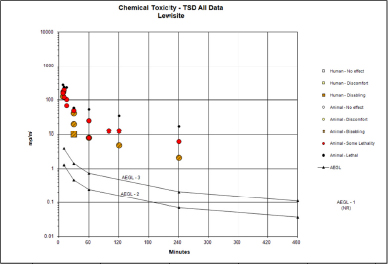
TABLE D-1 Data Used in the Category Plot for Lewisite
| Source | Species | Sex | No. of Exposures | mg/m3 | Minutes | Category | Comments |
| AEGL-1 | NR | 10 | AEGL | ||||
| AEGL-1 | NR | 30 | AEGL | ||||
| AEGL-1 | NR | 60 | AEGL | ||||
| AEGL-1 | NR | 240 | AEGL | ||||
| AEGL-1 | NR | 480 | AEGL | ||||
| AEGL-2 | 1.3 | 10 | AEGL | ||||
| AEGL-2 | 0.47 | 30 | AEGL | ||||
| AEGL-2 | 0.25 | 60 | AEGL | ||||
| AEGL-2 | 0.070 | 240 | AEGL | ||||
| AEGL-2 | 0.037 | 480 | AEGL | ||||
| AEGL-3 | 3.9 | 10 | AEGL | ||||
| AEGL-3 | 1.4 | 30 | AEGL | ||||
| AEGL-3 | 0.74 | 60 | AEGL | ||||
| AEGL-3 | 0.21 | 240 | AEGL | ||||
| AEGL-3 | 0.11 | 480 | AEGL | ||||
| Franke 1968 | Human | 1 | 10 | 30 | 2 | Severe intoxication, incapacitation | |
| Silver and McGrath 1943 | Mouse | Male | 1 | 240 | 10 | 3 | Mortality (10/10) |
| Armstrong 1923 | Dog | 1 | 126 | 7.5 | 2 | Mortality (0/2) | |
| Dog | 1 | 176 | 7.5 | SL | Mortality (7/12) | ||
| Dog | 1 | 274 | 7.5 | 3 | Mortality (4/4) | ||
| Dog | 1 | 68.7 | 15 | SL | Mortality (1/4) | ||
| Dog | 1 | 102 | 15 | SL | Mortality (2/3) | ||
| Dog | 1 | 233 | 15 | 3 | Mortality (3/3) | ||
| Dog | 1 | 41.5 | 30 | 2 | Mortality (0/2) | ||
| Dog | 1 | 58.6 | 30 | 3 | Mortality (4/4) | ||
| Dog | 1 | 8 | 60 | 2 | Mortality (0/5) | ||
| Dog | 1 | 25 | 60 | SL | Mortality (5/7) | ||
| Dog | 1 | 53 | 60 | 3 | Mortality (1/1) | ||
| Dog | 1 | 4.8 | 120 | 2 | Mortality (0/4) | ||
| Dog | 1 | 12.5 | 120 | SL | Mortality (2/3) | ||
| Dog | 1 | 34.5 | 120 | 3 | Mortality (3/3) | ||
| Dog | 1 | 2.1 | 240 | 2 | Mortality (0/3) | ||
| Dog | 1 | 6.2 | 240 | SL | Mortality (5/9) | ||
| Dog | 1 | 16.9 | 240 | 3 | Mortality (2/2) | ||
| Harrison et al. 1946 | Dog | 1 | 50 | 30 | SL | ||
| Dog | 1 | 121 | 10 | SL | |||
| Gates et al. 1946 | Dog | 1 | 20 | 30 | 2 | Ocular lesions | |
| Silver and McGrath 1943 | Mouse | 1 | 240 | 10 | 3 | 100% mortality (10/10) | |
| Gates et al. 1946 | Rat | 1 | 166 | 9 | SL | LC50 | |
| Silver and McGrath 1943 | Mouse | 1 | 190 | 10 | SL | LC50 | |
| Silver and McGrath 1943 | Mouse | 1 | 200 | 10 | SL | LC50 | |
| Silver and McGrath 1943 | Mouse | 1 | 240 | 10 | 3 | 100% mortality (10/10) | |
| Gates et al. 1946 | Guinea pig | 1 | 8 | 60 | SL | LC50 | |
| Gates et al. 1946 | Rabbit | 1 | 160 | 7.5 | SL | LC50 | |
| Gates et al. 1946 | Rabbit | 1 | 25 | 60 | SL | LC50 | |
| Gates et al. 1946 | Goat | 1 | 12.5 | 100 | SL | LC50 | |
For category: 0 = no effect, 1 = discomfort, 2 = disabling, 3 = lethal; SL = some lethality.


