Out-of-School Programs Provide Essential Benefits for Children and Youth; More Support Is Needed to Help These Programs Thrive
News Release
By Hannah Fuller
Last update May 1, 2025
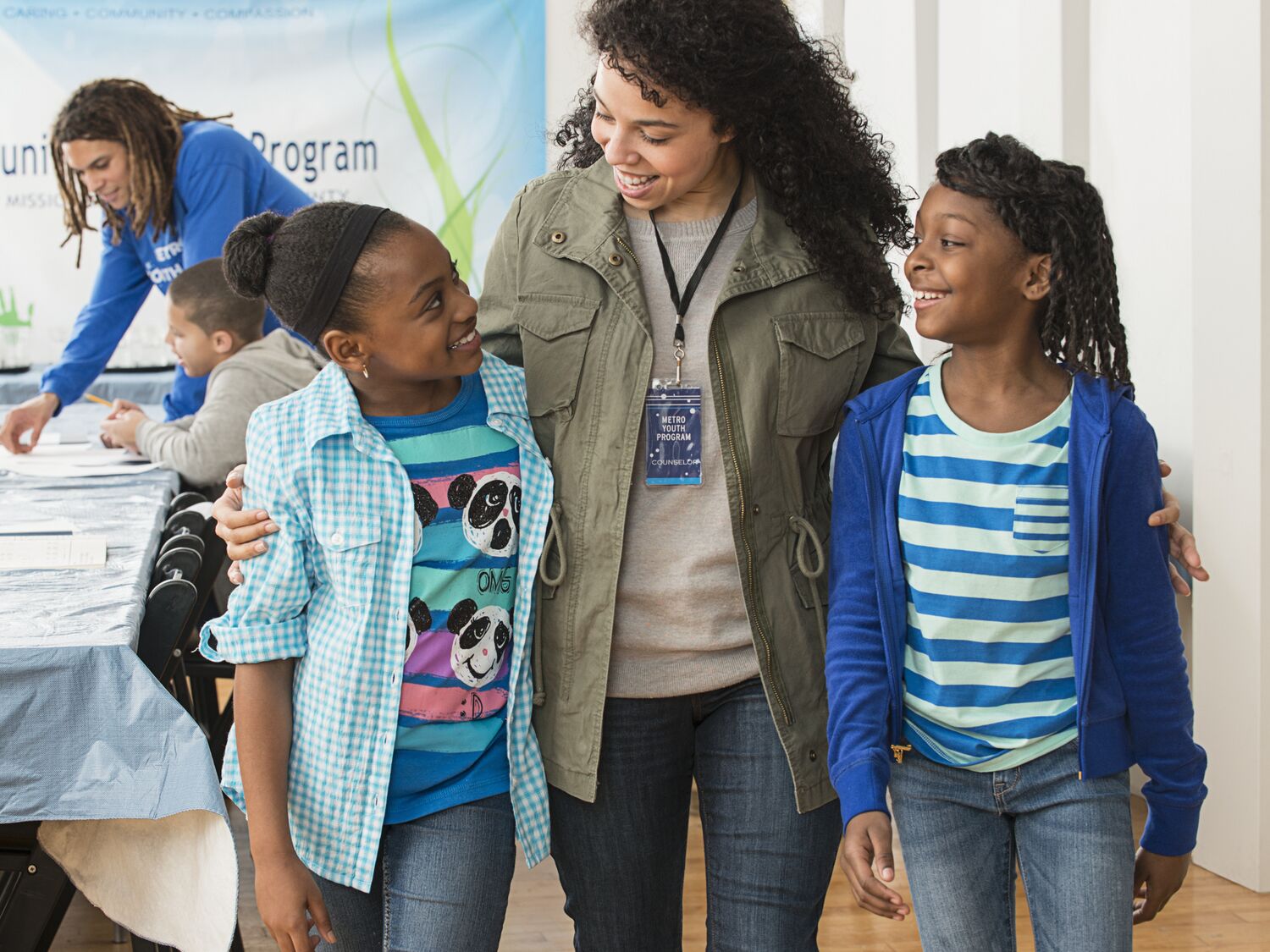
WASHINGTON — Children don’t stop learning after they leave the classroom, and after-school programs play a crucial role in child and youth development. “Out-of-school time” programs can provide children and youth with academic support, free supper or a snack, and a variety of enrichment activities led by youth development practitioners and partner organizations. These programs serve as a bridge between school, home, and the community, and offer structured environments where young people can engage in meaningful activities, build relationships, and develop essential life skills.
Research indicates that well-structured, high-quality out-of-school time programs can contribute to social and emotional growth, helping youth develop responsibility, a positive work ethic, social skills, and civic-mindedness. While their impact on immediate improvements in grades or test scores can vary, these settings can foster academic motivation, increase school attendance, and promote long-term educational success.
Despite the benefits of these programs, millions of children are unable to access them. In 2020, an estimated 24.6 million children wanted to participate in out-of-school time programs but could not, due to barriers such as high costs, lack of reliable transportation, and limited awareness of available opportunities.
A new report from the National Academies of Sciences, Engineering, and Medicine calls for greater investment and policy coordination to expand access and improve program quality for out-of-school time programs nationwide. The report examines their effectiveness, identifies access and quality improvement practices, and outlines a future research agenda. “Out-of-school time programs are more than just ‘extras’ after school,” said Deborah A. Moroney, vice president at the American Institutes for Research and chair of the committee that wrote the report.
“Unfortunately, current funding levels and support structures are simply insufficient for meeting the demand. Our report calls for more support for these essential programs for thriving youth.”
The committee outlined goals to improve out-of-school programs:
Support funding stability. Funding for out-of-school programs remains inconsistent and fragmented, with providers relying on a mix of public and private funding sources.
Invest in intermediary organizations. Intermediaries, such as state after-school networks, municipal agencies, and nonprofit organizations, are central to the out-of-school ecosystem. These entities coordinate efforts among program providers, help secure funding, and support the implementation of best practices.
Advance program quality efforts. High-quality programs are often flexible, project-based, and grounded in real-world issues, and they offer links to young people’s daily lives and opportunities to explore their identities. Further research is needed to refine quality indicators and identify the specific program elements that have the greatest impact on youth development.
Create career pathways for youth development practitioners. The out-of-school time workforce often faces challenges such as low wages, high turnover rates, and job-related stress. These issues impact program stability and limit the ability of staff to build long-term relationships with youth.
Broaden and improve understanding of out-of-school time programs and participation. Limited data exist on programs on a national level. Government agencies should collect and share data on program supply, demand, and participation. Funders should support focused research on out-of-school time program effectiveness.
The study — undertaken by the Committee on Promoting Learning and Development in K-12 Out-of-School Time Settings for Low-Income and Marginalized Children and Youth — was sponsored by the Wallace Foundation.
The National Academies of Sciences, Engineering, and Medicine are private, nonprofit institutions that provide independent, objective analysis and advice to the nation to solve complex problems and inform public policy decisions related to science, engineering, and medicine. They operate under an 1863 congressional charter to the National Academy of Sciences, signed by President Lincoln.
Contact:
Hannah Fuller, Media Relations Officer
Office of News and Public Information
202-334-2138; email news@nas.edu