Space, Security, and Conflicts
The National Academies study national defense, space exploration, and international cooperation to guide peaceful and strategic progress. Explore research that guides priorities for space exploration, safeguards national and global security, and helps prevent future conflicts.
What's happening
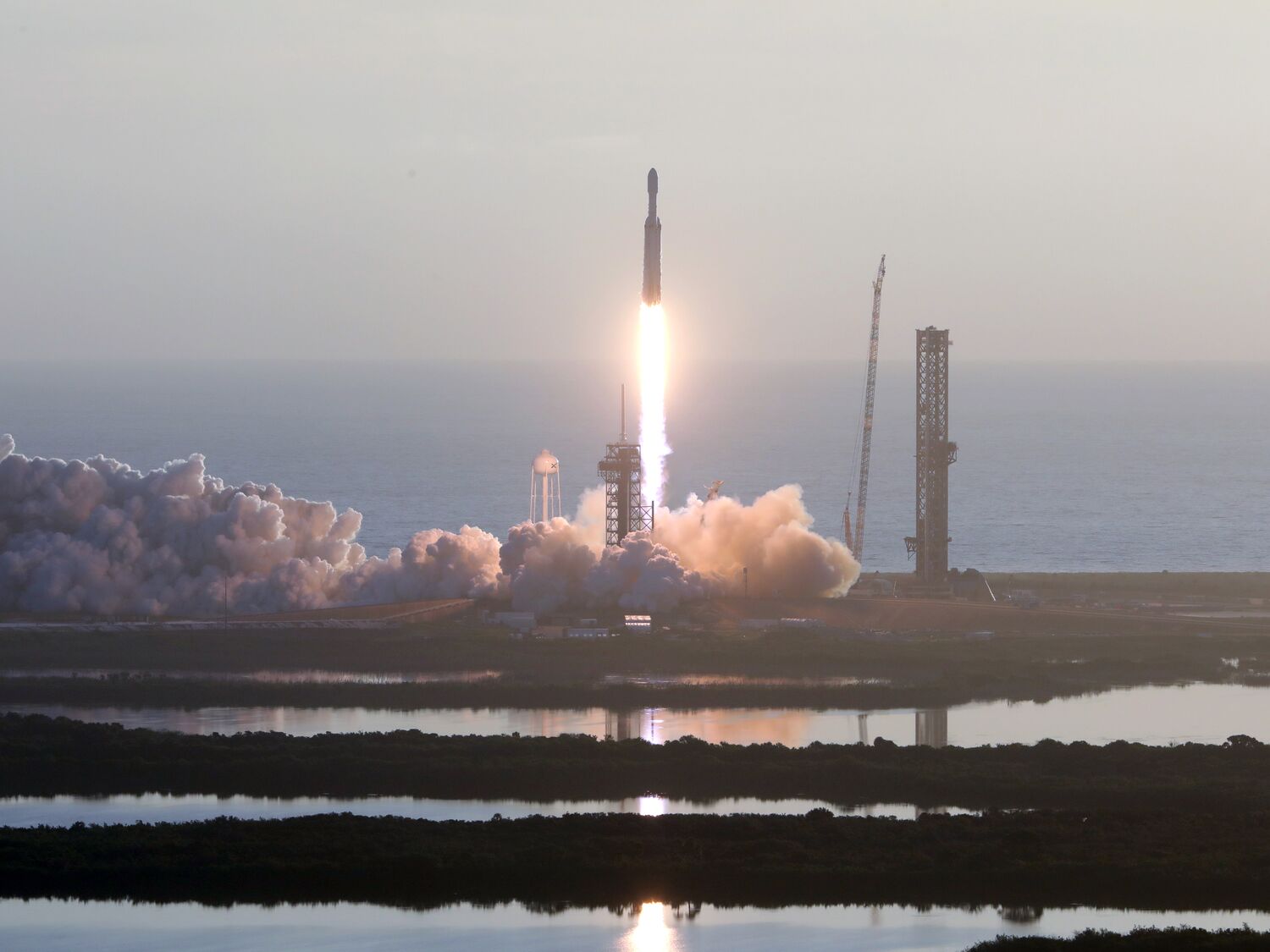
Celebrating the Launch of the Roman Space Telescope
Announcement
Over the weekend, NASA successfully launched the Nancy Grace Roman Space Telescope — the top-ranked large space mission recommended by the National Academies’ 2010 decadal survey on astronomy and astrophysics. With a field of view more than 100 times larger than that of the Hubble Space Telescope, the Roman mission will perform a comprehensive survey of the cosmos with the goal of discovering exoplanets and advancing our understanding of dark matter and energy. For decades, the National Academies have helped identify science goals and mission priorities for NASA, including our most recent Astro 2020 decadal survey.
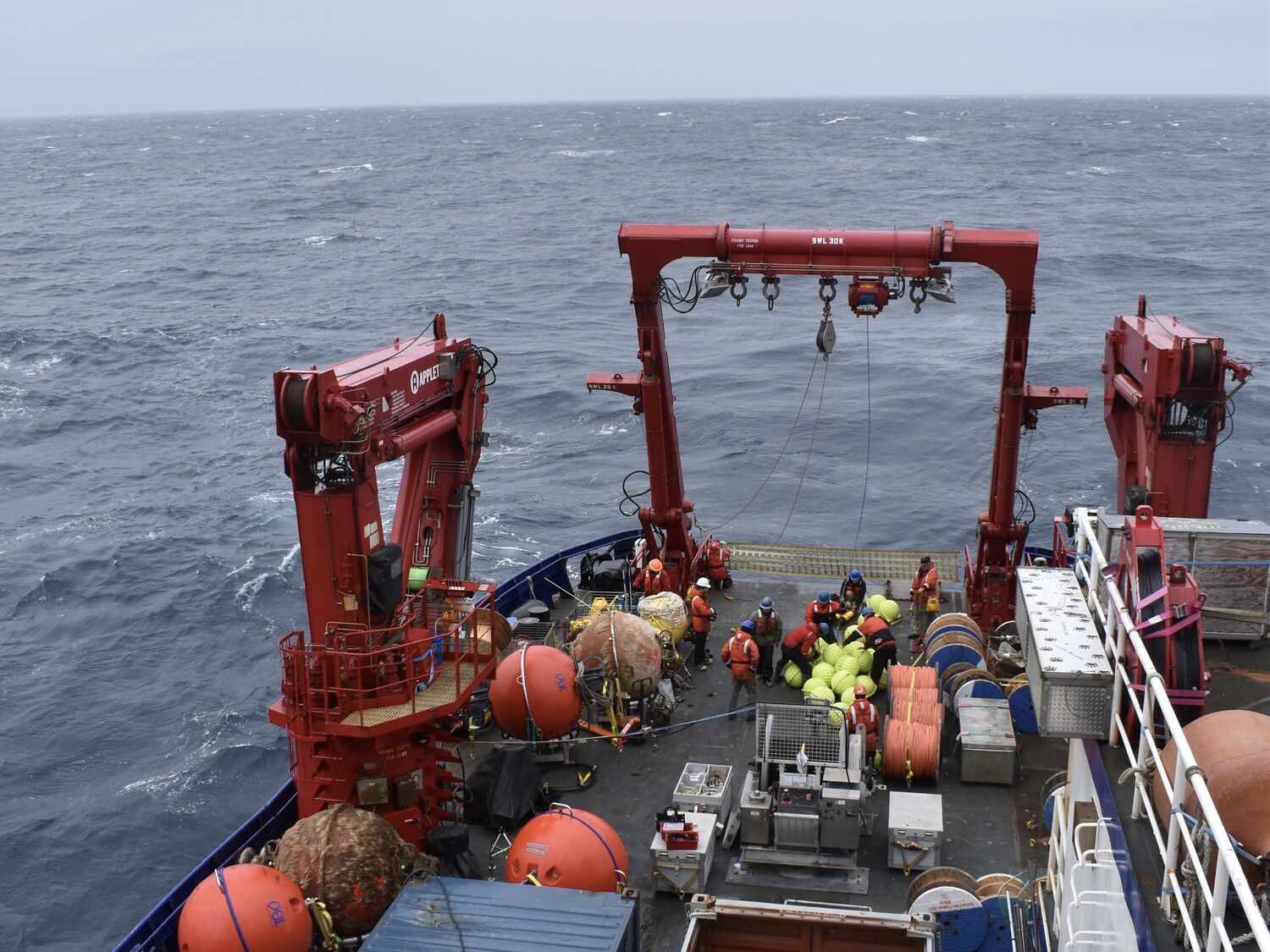
Statement by National Academies Presidents on Importance of NSF’s Ocean Observatories Initiative
Statement
The National Science Foundation’s recent decision to begin removing the Ocean Observatories Initiative’s deep-sea infrastructure could put the U.S. at risk of not having the data needed to address crucial issues such as the impacts of El Niño, effects of ocean ecosystem change on important fisheries, and challenges to U.S. national security from greater access to the Arctic.
What could we learn by landing humans on Mars?
Based on Science
Landing humans on Mars could teach us whether life ever existed beyond Earth, how planets change over time, and how humans can live on other worlds. By studying Mars up close, astronauts could answer some of the biggest questions in science, including whether we are alone in the universe.

- Supporting Responsible Innovation of Synthetic Cells Apr 29, 2026 Announcement
- NAS President Marcia McNutt to Deliver Annual State of the Science Address on June 2 Apr 16, 2026 News Release
- Following the Success of Artemis II, Scientists Will Shape What Comes Next for Lunar Exploration Apr 13, 2026 Feature Story
- Priorities for Sustainable and Responsible Development of Offshore Renewable Energy on the West Coast Outlined in New Report Mar 17, 2026 News Release
- New Report Calls for Increased Focus on Mariner Health and Well-Being, Prohibition of Alcohol for Crew of U.S. Vessels Jan 15, 2026 News Release
- Search for Life Should Be Top Science Priority for First Human Landing on Mars, Says New Report Dec 9, 2025 News Release
- Why Chemistry Might Be Our Best Clue to Life on Other Planets Jun 25, 2025 Program News
- First Images from Vera C. Rubin Observatory Debut at National Academy of Sciences Jun 24, 2025 Feature Story
- Scientific Themes for NASA’s Next New Frontiers Class Mission — New Report Feb 25, 2025 Media Advisory
- Making Sense of Space Weather: Q&A with Physicist Robyn Millan Feb 4, 2025 Feature Story
- Defense Department Should Invest in Leap-Ahead Semiconductor Technologies, Work to Reshore Production Capabilities, and Strengthen Industry and Interagency Engagement, Says New Report Aug 28, 2024 News Release
- New Report: A Plan to Promote Defense Research at Minority-Serving Institutions Aug 14, 2024 Media Advisory
- U.S. NAS Launches New Fund to Build Long-Term Ukrainian Science and Innovation Enterprise Apr 17, 2024 News Release
- International Collaboration a Focus of Space Science Week, To Kick Off March 18 Mar 13, 2024 Feature Story
- Can we measure water underground from space? May 24, 2022 Based on Science
- Advancing Diversity, Equity, Inclusion, and Accessibility in Competed Space Mission Leadership at NASA Will Require Extensive Efforts Along Entire Career Pathways, Says New Report May 18, 2022 News Release
- Report Identifies Priority Planetary Science Missions, Planetary Defense Efforts, and Strategic Investments for the Next Decade Apr 19, 2022 News Release
- ‘New Space Ecosystem' Should Be Leveraged to Provide Transformative Science Advancements, Says New Report Mar 3, 2022 News Release
- New Report Charts Path for Next Decade of Astronomy and Astrophysics; Recommends Future Ground and Space Telescopes, Scientific Priorities, Investments in Scientific Community Nov 4, 2021 News Release
- Report Identifies New Approach for Some NASA Missions to Prevent Contaminating Mars with Earth-Based Microbes Oct 7, 2021 News Release
- NASA Should Update Astronaut Radiation Exposure Limits, Improve Communication of Cancer Risks Jun 24, 2021 News Release
- U.S. Army Should Continue to Use Hydrocarbon Fuel as Primary Source of Energy on the Battlefield, Says New Report Jun 9, 2021 News Release
- Returning Human Spaceflight to the United States Nov 16, 2020 Perspectives
- Reflections on Commercial Crew and Cargo Missions Nov 16, 2020 Perspectives
- Taking Flight: The Mars Helicopter Ingenuity and the Future of Mars Exploration Nov 3, 2020 Feature Story
- Co-Chairs Appointed to Lead New National Science, Technology, and Security Roundtable Oct 15, 2020 News Release
- New Approaches Are Needed to Determine Whether Respiratory Health Problems Are Associated With Military Deployment to the Persian Gulf Region Sep 11, 2020 News Release
- To Maintain Leadership in Plasma Science, U.S. Should Increase Interagency Coordination and Collaboration May 28, 2020 News Release
- DOE Plan to Dilute and Dispose of Surplus Plutonium at New Mexico Site Technically Viable if Security, Execution, Other Challenges Are Addressed, Says New Report Apr 30, 2020 News Release
- NASA, Teamed with FAA, Industry, and Academia, Should Research Effects of Increased Drone Traffic on Privacy, the Environment, and Cybersecurity Feb 19, 2020 News Release
- Progress Made Toward Priorities Defined in 2013-2022 Solar and Space Physics Decadal Survey Feb 3, 2020 News Release
- Geodetic Infrastructure Needs Enhancements, Continued Maintenance to Answer High-Priority Scientific Questions About Climate Change, Earthquakes, Ecosystems Over Next Decade Jan 27, 2020 News Release
Featured Publications




Subtopics
Military and Defense
Security
Space