Communicating the Effects of Climate Change with Britt Wray
Feature Story
By Olivia Hamilton
Last update May 7, 2024
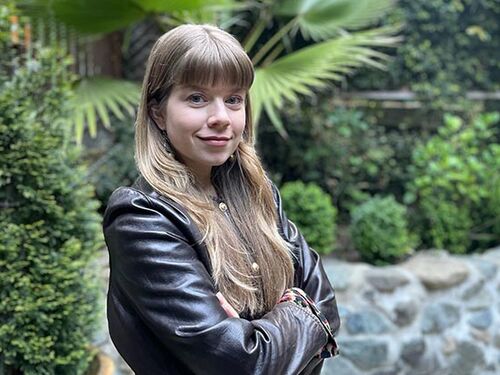
Britt Wray is the director of Community-minded Interventions for Resilience, Climate Leadership, and Emotional well-being (CIRCLE), a research and action initiative in the Department of Psychiatry and Behavioral Sciences of Stanford Medicine, the author of two books, Generation Dread: Finding Purpose in an Age of Climate Crisis and Rise of the Necrofauna: The Science, Ethics and Risks of De-Extinction, and the creator of Gen Dread, a popular newsletter about building courage and taking meaningful action on the far side of climate grief.
She is also a 2023 top award winner of the National Academies’ Eric and Wendy Schmidt Awards for Excellence in Science Communications, which honor exceptional science communicators, science journalists, and research scientists who have developed creative, original work to communicate issues and advances in science, engineering, or medicine for the general public.
In celebration of Earth Day this year, we asked Wray about her experiences communicating the mental health impacts of climate change.
How and/or why did you begin communicating about your research on the mental health impacts of climate change?
Wray: I had a climate awakening in 2017 that led to an overwhelming upswell of grief about what’s being lost and fear about what’s to come, and this distress motivated me to research and communicate about the mental health impacts of the climate crisis because I suspected that if I was going through this, surely some other sensitive and aware people out there were too. So, I essentially wrote the book that I needed to read (that’s a big cliché that authors often say … in my case, this was totally true). By researching and writing Generation Dread, I found out how we can not only cope with the pain and heartbreak that naturally flows when we fully face our planetary health crisis, but how we can transform that pain into action and connection, or, purpose and meaning.
Your book and newsletter highlight ways that our mental health can be impacted by climate change and offer paths toward resilience. Tell us more about what kind of stories you have told.
Wray: There’s a wide variety, but to give a taste, I’ve told stories about:
Category 5 hurricane and wildfire survivors
Smallholder farmers who’ve lost their livelihoods from climate-related drought
First responders who swoop in after disasters to help people who’ve just lost everything
Climate activists who experience massive burnout, outrage, and grief
Frontline perspectives from a variety of regions in the Global South who communicate beautifully about the injustice of their situation
Climate anxious middle and upper class North Americans who are only now for the first time feeling like the world is unsafe for them
Indigenous philosophers and artists who poignantly demonstrate how the rise of climate anxiety amongst the public at large feels like déjà vu since the apocalypse already happened to their people at the time of colonization, revealing lessons about resilience, continuance, and survival
Stories of fossil fuel executives who confront the corporate malfeasance and manipulative public influence tactics of their industry and actually acknowledge their mixed feelings and shame around being part of that machine rather than getting defensive
Courageous climate-aware parents and fearful prospective climate-aware parents
Spiritual leaders who are using their insights to nourish and support climate professionals with the emotional and spiritual toll of their work
How can folks ensure that communication efforts effectively reach different demographic groups and communities, especially those disproportionately affected by climate change?
Wray: Newsletters, podcasts, books have all been very successful formats for reaching new audiences and touching people deeply. They each allow for nuance and vulnerability, and vulnerability is a super-connector that helps to build a genuinely strong relationship with your audience.
What stories have brought you hope recently and why?
Wray: I’m really inspired by how quickly the medical community has grown into an advocacy body by getting on board with recognizing the existential threat we face as a result of the continued exploration and expansion of fossil fuel infrastructure and the burning of oil, coal, and gas. In just the last couple of years, they’ve become organized at a global level to call out the fact that our health is literally at the mercy of fossil fuels. The rapid pace of how quickly this needle has moved is extremely energizing and breeds a lot of hope for how the situation might look in another two years.
Related resources
More like this

Discover
Events
Right Now & Next Up
Stay in the loop with can’t-miss sessions, live events, and activities happening over the next two days.
NAS Building Guided Tours Available!
Participate in a one-hour guided tour of the historic National Academy of Sciences building, highlighting its distinctive architecture, renowned artwork, and the intersection of art, science, and culture.