The Gulf Research Program Annual Report 2015 (2016)
Chapter: Program Initiatives
Program Initiatives
As outlined in the GRP’s strategic vision released in 2014, offshore oil and gas operations generate scientific, social, and environmental challenges for both the Gulf region and other coastal regions. Addressing these challenges requires a long-term and multi-faceted approach. For the GRP, this means increasing the size and scope of our investments and supporting a strategic and mission-driven portfolio of activities.
In 2015, the GRP developed four initiatives to characterize the program’s main areas of interest:
- Reducing risk in offshore oil and gas operations;
- Observation and monitoring for healthy ecosystems and coastal communities;
- Planning and action for healthy and resilient coastal communities; and
- Building capacity to address cross-boundary challenges.
Each initiative is focused on a long-term outcome that is critical to the GRP’s mission and goals, and the GRP will use the initiatives to build on the strengths of the Academies and to guide the development of a portfolio of grants, fellowships, and other activities with cumulative and lasting impact. The program’s initiatives characterize key challenges at the interface of human, environmental, and offshore energy systems and they seek to address a broad and overlapping set of issues through research and development, monitoring and synthesis, and education and capacity building. As the program matures, these program initiatives will evolve to meet new challenges.
REDUCING RISK IN OFFSHORE OIL AND GAS OPERATIONS
Helping to make offshore operations safer for people and the environment
OVERVIEW
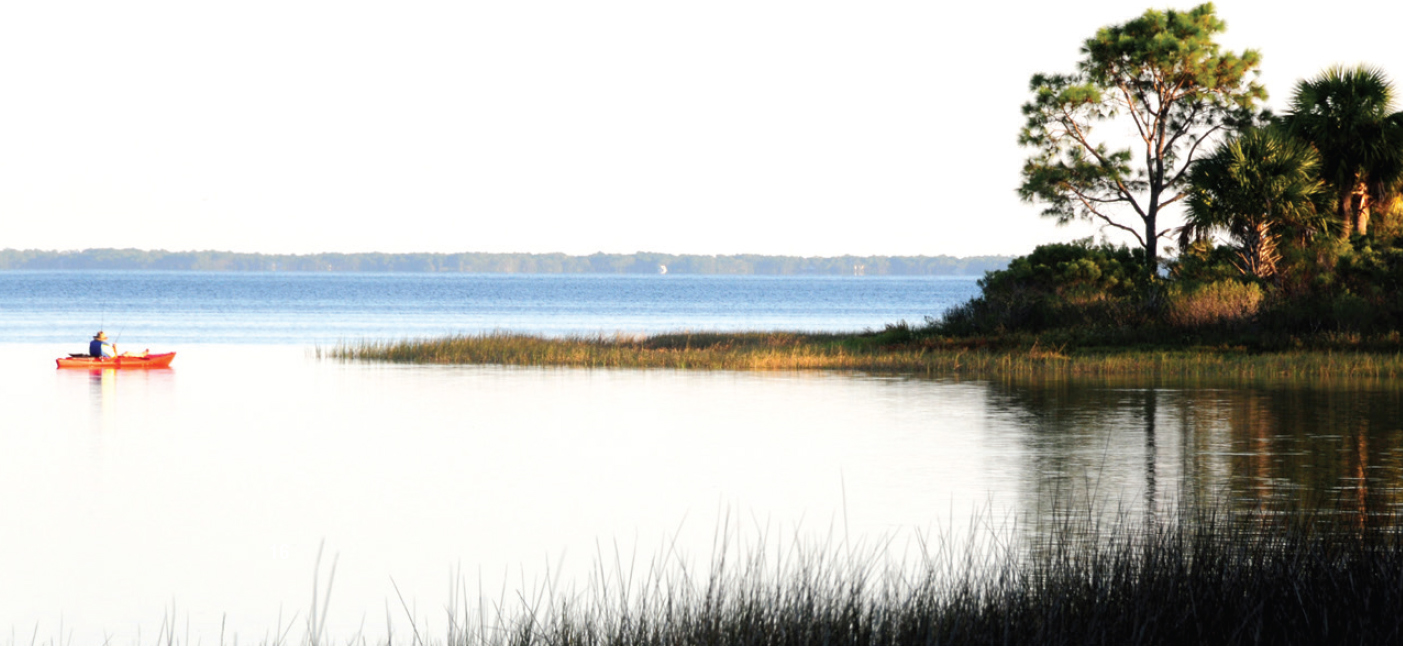
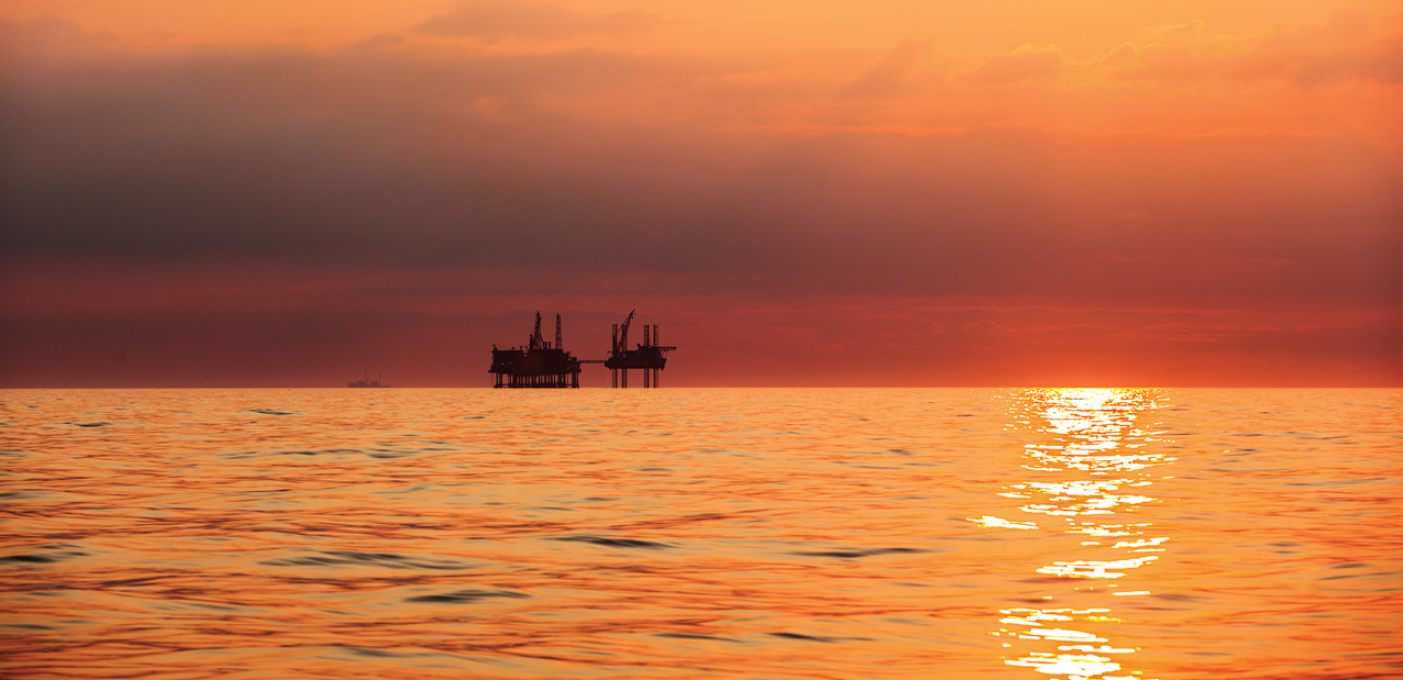
Comprehensive risk awareness can help both industry and regulators to better anticipate, reduce, and avoid risks in the offshore oil and gas environment. In collaboration with others, the GRP is working to identify risk-management approaches that can prevent oil spills, loss of life, and harmful exposures related to offshore oil and gas drilling, production, and transportation.
OUR APPROACH
- Encourage collaboration among industry, regulatory, and academic communities to better understand and communicate the nature of systemic risks in the offshore environment and ultimately help to instill an industry-wide culture of safety.
- Develop, test, and implement educational and training approaches to help organizations and individuals develop a strong culture of safety that is fundamental to avoiding risks in offshore operations.
- Identify, promote, and fund fundamental research to spur innovation and reduce and manage risk. Our current areas of interest include human factors and safety culture research, operations research on risk and decision making, research to understand fundamental scientific processes at play, and technical improvements for preventing and responding to large and small oil leaks and spills.
OBSERVATION AND MONITORING FOR HEALTHY ECOSYSTEMS AND COASTAL COMMUNITIES
Helping people understand and plan for a changing environment with long-term data, observations, and information
OVERVIEW
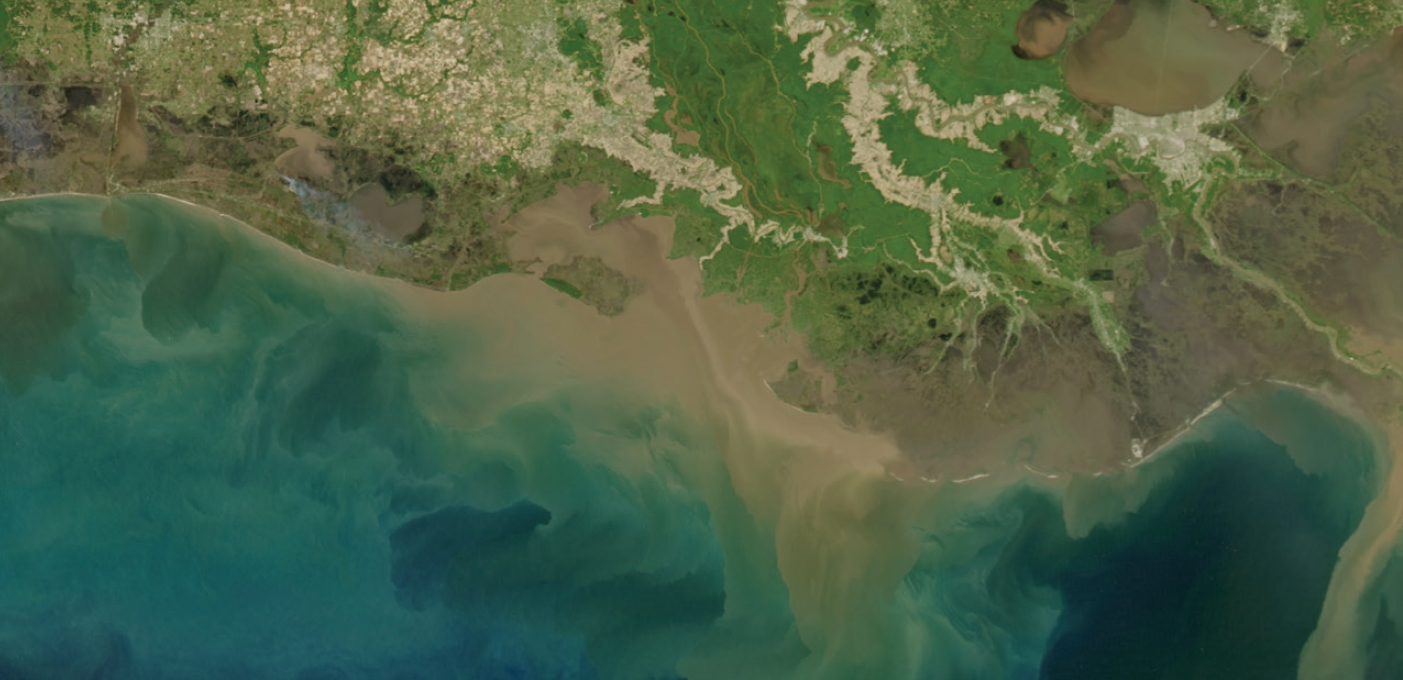
Managers and decision makers can better anticipate and mitigate environmental change and community and ecosystem disruptions with timely, accurate observation and monitoring information. We are working with others to improve how researchers and practitioners collect, interpret, and use monitoring and observing information. Our current areas of interest include the deep waters of the Gulf of Mexico, community resilience, and environmental restoration.
OUR APPROACH
- Identify, promote, and fund monitoring, research, and synthesis activities to better understand and track how offshore oil and gas development affects ecosystems and communities (including environmental, social, economic, and health dimensions).
- Develop more efficient, effective tools and methods to collect and interpret monitoring and observing data, and to translate these data into information that decision makers can use to protect and restore living resources and to enhance community resilience.
- Convene activities and support research to foster the exchange of information among observing networks in U.S. outer continental shelf regions. This includes identifying shared priorities and standardized indicators to track how offshore oil and gas development influences the human communities and ecosystems.
PLANNING AND ACTION FOR HEALTHY AND RESILIENT COASTAL COMMUNITIES
Strengthening the capacity of coastal communities facing adverse environmental challenges to effectively respond, adapt, and thrive
OVERVIEW
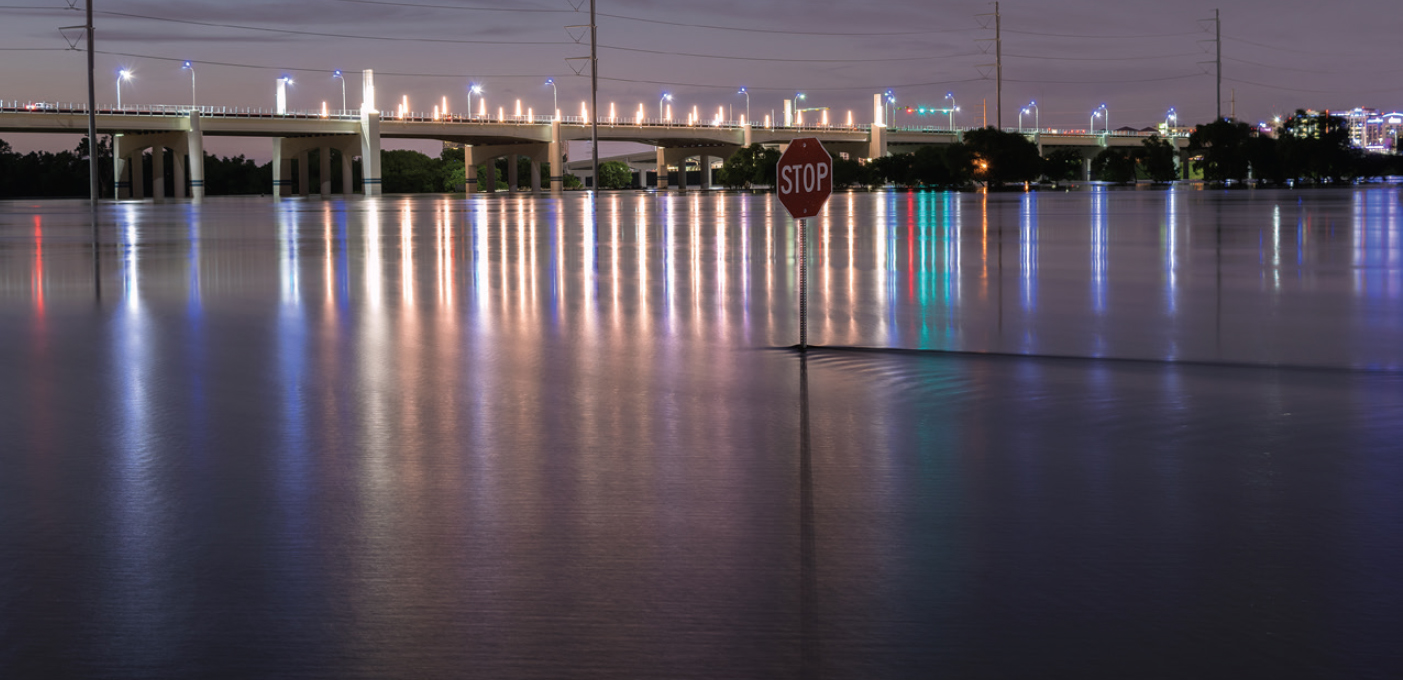
Natural disasters, climate change impacts, and other environmental stressors, such as those resulting from oil spills, present complex challenges to the health and well-being of coastal communities and to the integrity of the environments upon which they depend. In collaboration with others, the GRP will support the work of researchers, communities, and public- and private-sector actors to enhance the resilience of coastal communities to the adverse impacts of environmental challenges in ways that also improve well-being.
OUR APPROACH
- Encourage the development, synthesis, and translation of research to improve responses to major oil spills in ways that minimize harm to people and communities.
- Support research, capacity building, and communications that strengthen the science and practice of resilience by exploring linkages among health, social, economic, and environmental contexts of communities associated with offshore oil- and gas-producing regions in the United States and by identifying strategies that can be implemented at the community level to improve resilience.
- Foster the development of processes, policies, tools, and approaches that can be used by local and state leaders, researchers, industry, and community organizations to improve responses to environmental challenges in ways that also improve the well-being of coastal residents.
BUILDING CAPACITY TO ADDRESS CROSS-BOUNDARY CHALLENGES
Enhancing resources and human capital by bridging disciplines, sectors, and geographical boundaries
OVERVIEW
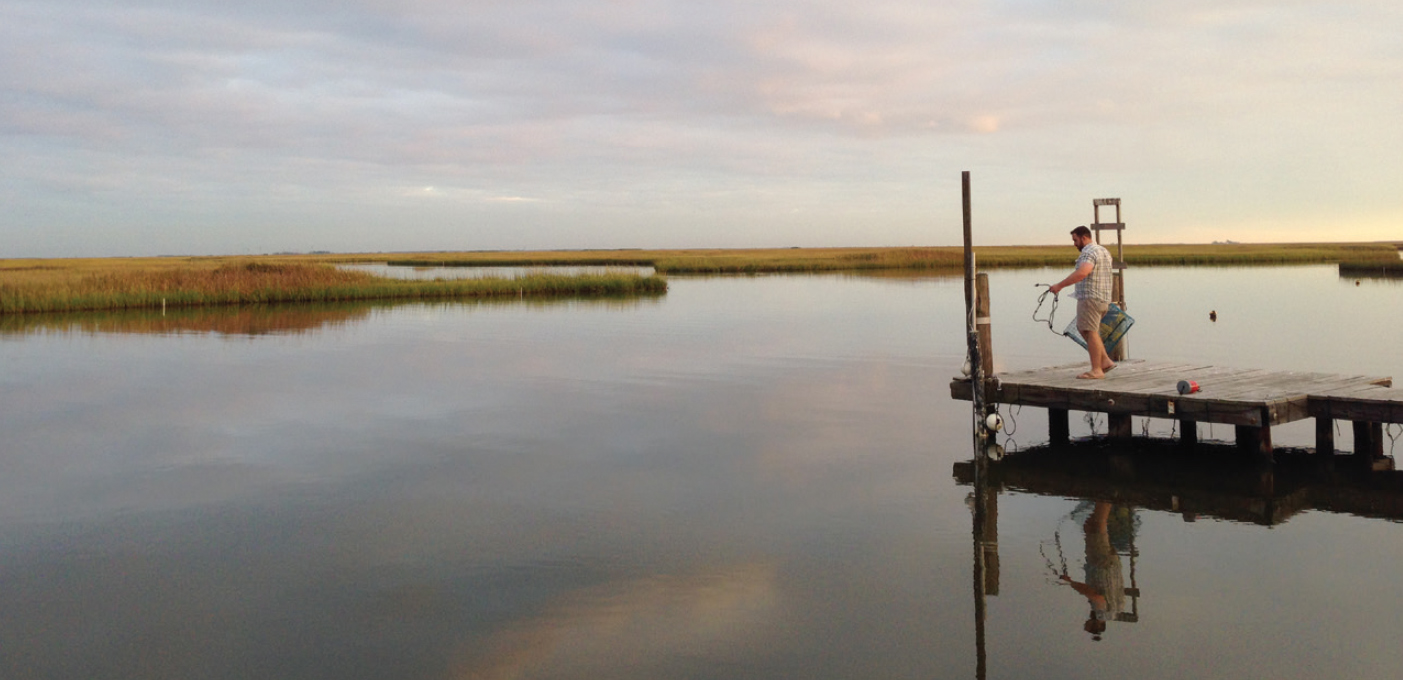
Collaboration and communication among individuals in communities, industry, universities, and the public sector are essential to understanding and addressing the interwoven scientific, social, and environmental challenges associated with offshore oil and gas operations. By supporting the development of new approaches, tools, and education and training experiences, the GRP seeks to foster cross-boundary leadership and capacity for solving complex challenges in coastal regions along the U.S. outer continental shelf.
OUR APPROACH
- Enhance leadership and decision-making capabilities in professions related to offshore oil and gas development, ecosystem and public health protection, and community planning and development through education and training.
- Develop capacity for scientific syntheses in which research and analyses routinely cross scientific disciplines.
- Assess and enhance capacity to translate scientific information to inform policy decisions at local, state, and federal levels.
- Support research, education, and other activities that engage communities, including those that represent underrepresented and vulnerable populations, to address complex scientific, social, and environmental challenges that directly affect them.


