Solar and Space Physics for the Nation: An Overview of the 2024–2033 Decadal Survey (2025)
Chapter: Unlocking the Science of Space Weather: From Discovery to Prediction
Unlocking the Science of Space Weather: From Discovery to Prediction
Space weather has matured from a niche concern to a central pillar of space exploration, national security, and scientific inquiry.
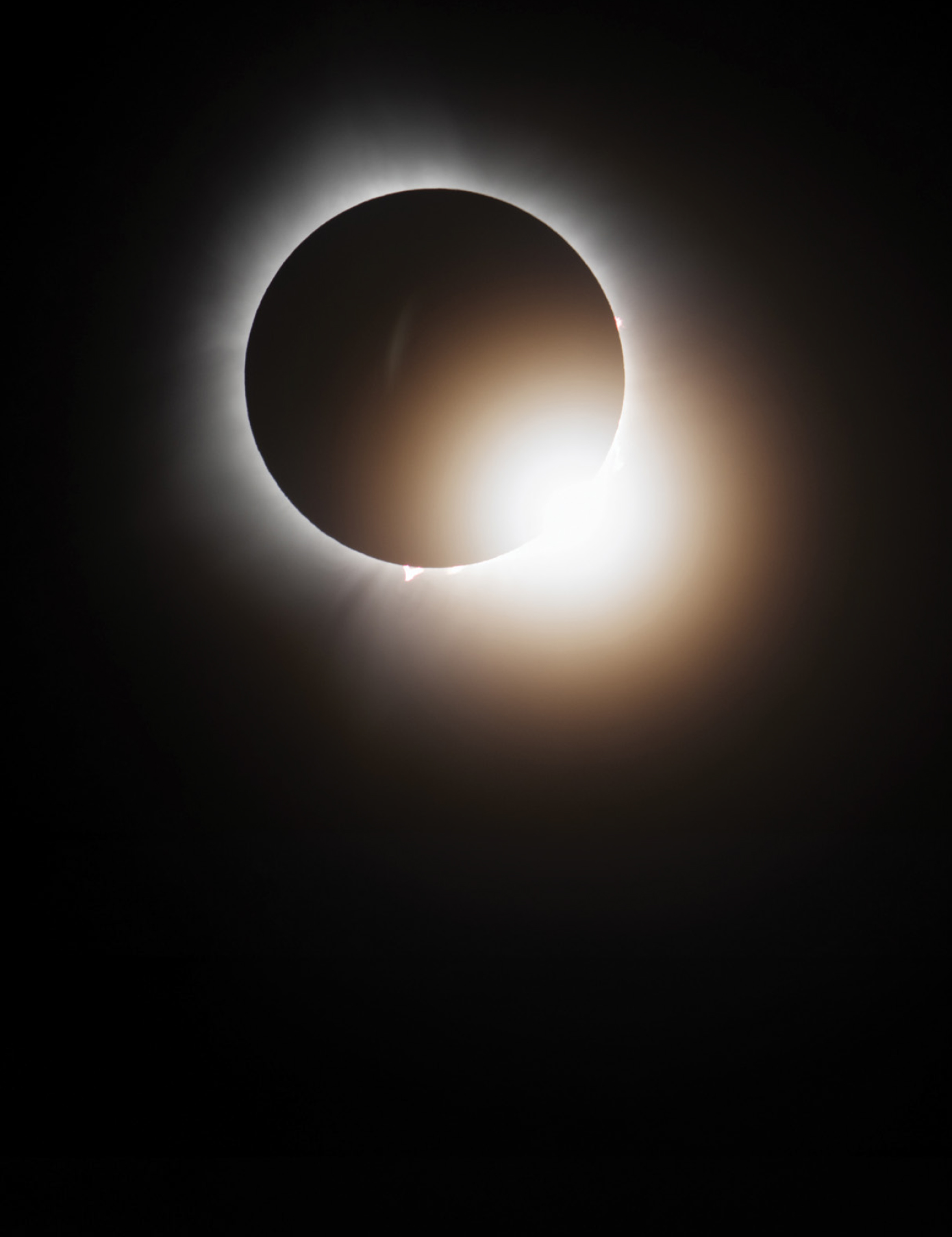
In addition to its natural 11-year cycle of rising and falling activity, the Sun can unleash sudden events such as solar flares and coronal mass ejections, all of which drive disturbances of Earth’s magnetic field and changes in Earth’s upper atmosphere. This includes increases in atmospheric density that can affect the trajectories of thousands of satellites in low Earth orbit (LEO).
Over the past decade, the number of spacecraft in LEO has increased roughly tenfold. It is projected to increase by another order of magnitude in the next 10 years. Satellites now play a critical role in communication, navigation, finance, defense, and scientific research. At the same time, the amount of space debris in LEO has increased dramatically, raising serious concerns about orbital congestion. Combined with the effects of solar activity—which drive fluctuations in atmospheric density at orbital altitudes—this has created a complex space traffic management challenge, requiring operators to track both active satellites and debris while planning mitigation strategies to avoid collisions. Even moderate space weather events can affect large constellations of satellites, force airline rerouting, cause Global Positioning System (GPS) inaccuracies, or disrupt high-frequency radio and navigation systems. Cumulatively, the
economic impacts of these disruptions can reach billions of dollars over time.
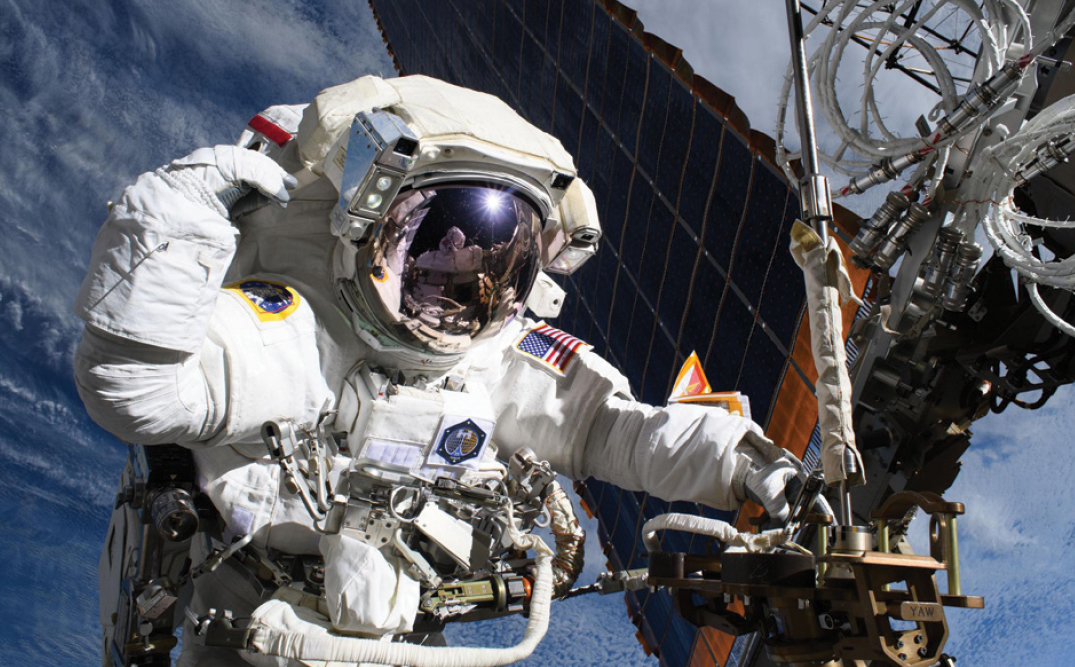
Upcoming crewed space missions, such as NASA’s Artemis program, which will return astronauts to the Moon and possibly eventually reach Mars, add urgency. These missions will need adequate monitoring, prediction, and protection mechanisms to keep the crew safe in the harsh and unpredictable radiation conditions outside Earth’s shielding geomagnetic field.
The decadal survey outlines the highest priority applied research topics for the decade under three themes that capture the drivers, responses, and impacts of space weather. Because space weather is outcome-driven, each theme has identified the following focus areas with specific operational outcomes that could result from implementing the integrated research in the next decade.
System of Systems: Drivers of Space Weather
Increasing the accuracy and lead time to predict when a solar explosive event will occur is imperative for mitigating the impacts of hazardous energetic particles that can reach Earth within only tens of minutes. Protecting human life and technology requires advancing fundamental research to better understand and forecast solar events and their system-wide space weather impacts.
The decadal survey report recommends research to
- Improve forecasting of both solar flares and solar energetic particles;
- Develop forecasts with a 12-hour lead time for coronal mass ejections and their magnetic fields; and
- Better understand and quantify the contributions of atmospheric gravity waves—vertical ripples in the atmosphere caused by buoyant air motion and gravity—that may seed ionospheric irregularities and disrupt radio links.
Space Weather Responses of the Physical System
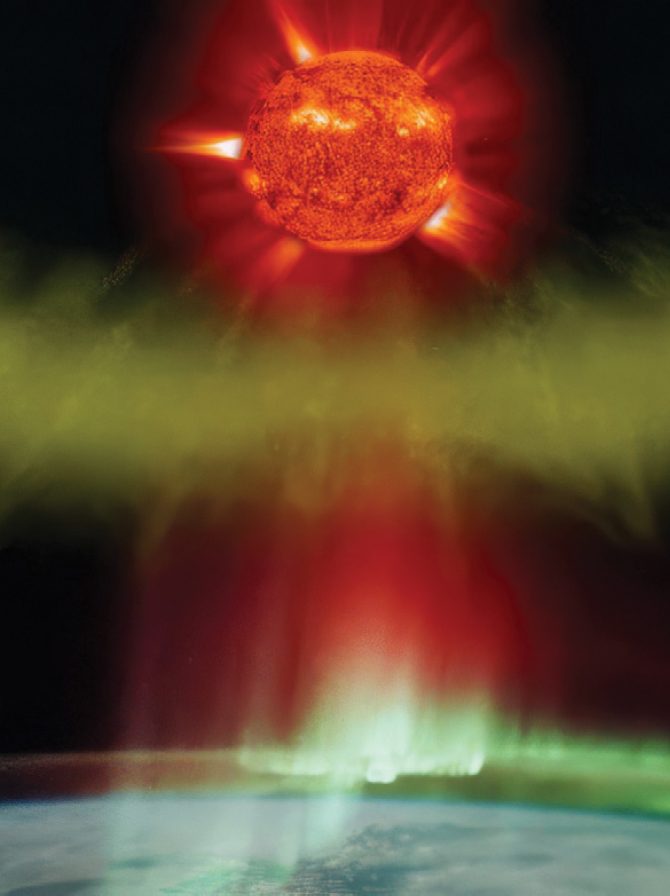
To better predict conditions in space near Earth, scientists study how the solar wind—a stream of charged particles and magnetic fields from the Sun—travels through space and interacts with Earth’s magnetic field, upper atmosphere, and ionosphere. The decadal recommends research to
- Provide 24-hour forecasts of thermospheric density during geomagnetic storms for LEO spacecraft operators;
- Update nowcast of ionospheric and magnetospheric state parameters, including radiation environment, auroras, and ionospheric currents; and
- Improve reanalysis capability for forecast/nowcast models to assess and validate models and forecast methods.
Space Weather Impacts on Technology Infrastructure and Human Health
Space weather can significantly impact both technological systems and human health. These effects extend from space to Earth’s surface, disrupting critical infrastructure and posing radiation risks to astronauts and aircrew. To address these challenges, the decadal survey report recommends targeted research and development actions in two key areas.
IMPACTS ON TECHNOLOGY INFRASTRUCTURE
Space weather can interfere with satellites, disrupt GPS and high-frequency communications, damage spacecraft electronics, and induce currents in power grids. Enhancing our ability to predict and mitigate these effects is essential
for protecting modern infrastructure. The report recommends actions to
- Forecast spacecraft effects with multiday lead times to safeguard on-orbit systems;
- Develop 1-hour forecasts of ionospheric high-frequency signal disturbances to support reliable aviation and communication operations;
- Improve models for LEO satellite and debris trajectories to reduce collision risks and enhance tracking accuracy; and
- Produce 1-hour forecasts of geoelectric field variations at 200 km spatial resolution to inform power grid operators and reduce blackout risks.
IMPACTS ON HUMAN HEALTH
Radiation from solar energetic particle events can pose serious risks to astronauts on crewed missions and to airline personnel on high-latitude or high-altitude flights. Accurate forecasting and environmental monitoring are vital for ensuring safety. The report recommends actions to
- Characterize and monitor the space radiation environment to support both crewed and robotic missions and
- Develop nowcasting and forecasting capabilities for aviation radiation exposure during major solar energetic particle events.
Space Weather’s Impact: The Gannon Storm
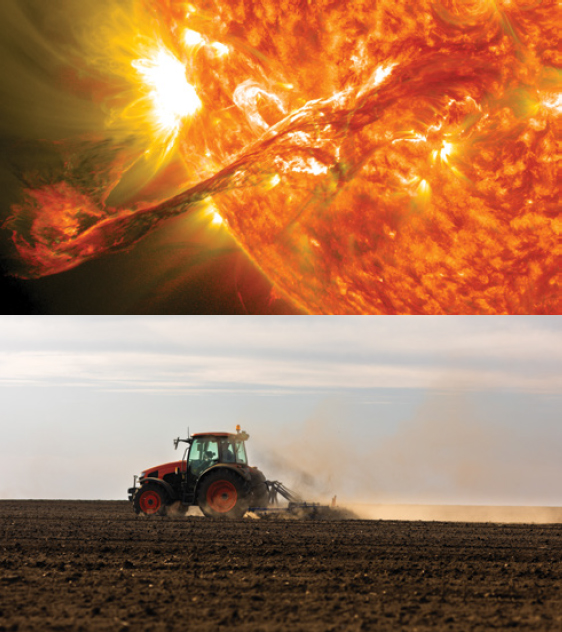
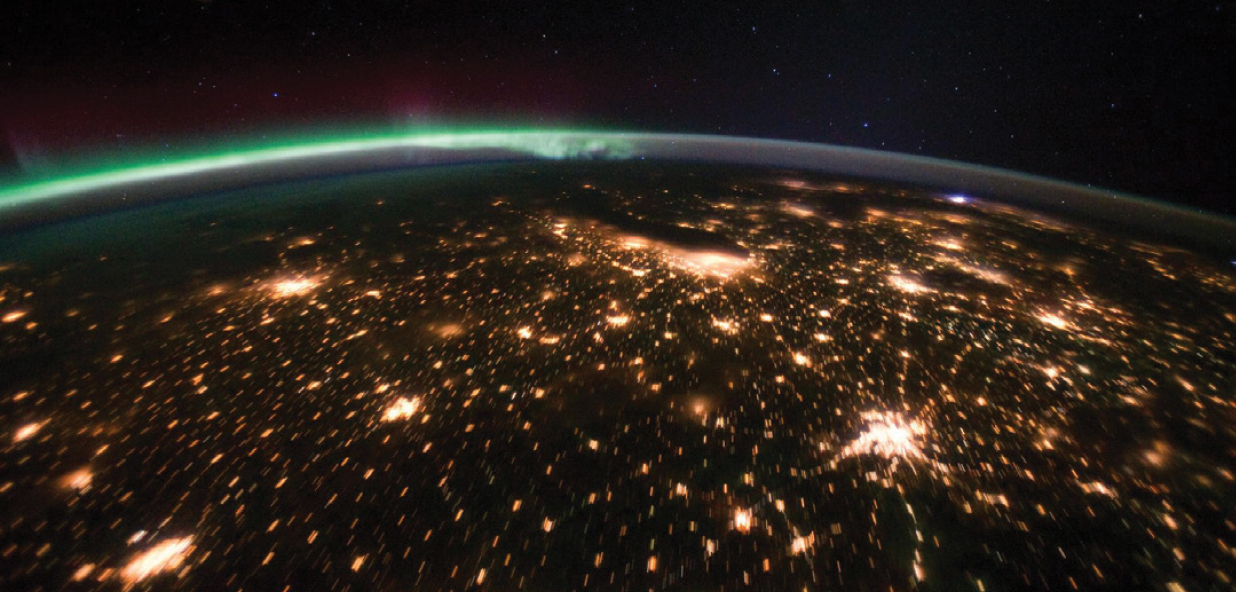
In early May 2024, a series of intense solar flares and multiple coronal mass ejections were directed toward Earth, culminating in the most powerful geomagnetic storm in more than two decades. While this powerful solar event—dubbed the Gannon Storm—produced dazzling auroras visible in Texas and Florida and at other unusually low latitudes around the world, it also exposed critical vulnerabilities in both space-based systems and Earth infrastructure.
The heightened solar activity during the storm dramatically increased atmospheric density. This surge in density amplified drag on satellites, causing rapid orbital decay and disrupting their expected trajectories. In response, thousands of satellites performed orbit-raising maneuvers to maintain operational altitude and mitigate potential collision risks. Many of these maneuvers were executed autonomously, while others were directed by ground-based operators, illustrating the growing reliance on both automated systems and human oversight in managing space traffic. Despite these efforts, trajectory modeling during the storm proved inadequate owing to underestimations of the storm’s intensity, highlighting the pressing need for improved space weather forecasting and more precise collision avoidance protocols.
The storm also occurred in the middle of planting season in the midwestern states. Ionospheric disturbances disrupted the global navigation satellite systems that guide farmers’ tractors and allow them to distribute seeds and fertilizer in precise locations, resulting in significant production and economic losses. It also disrupted communications over the high-frequency band and prompted electrical grid operators to take precautionary measures.
“Lack of progress in solar and space physics over the next decade could have devastating consequences to society, in part because it would inhibit our ability to predict and mitigate against potentially harmful space weather impacts.”