What is the difference between seasonal flu and pandemic flu?
Based on Science
The difference between seasonal flu and pandemic flu is whether or not people have had a chance to build immunity to the virus through previous exposure. People are exposed to influenza viruses throughout their lives, so most people have had exposure to the influenza strains that cause seasonal flu. Pandemic flu occurs when a new strain emerges that infects people, spreads easily from person-to-person, and to which most people do not have immunity.
Last update May 20, 2022
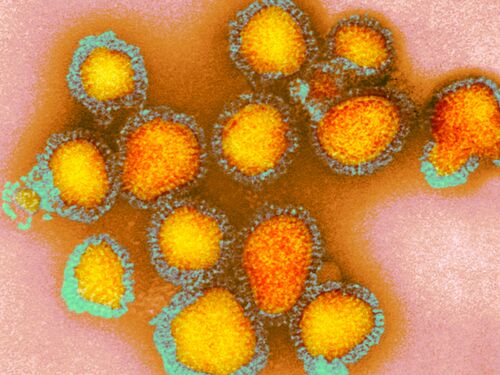
Influenza viruses are constantly changing.
There are four types of influenza viruses: A, B, C, and D. The two types that can cause severe illness in humans are influenza A and influenza B.
Like all viruses, influenza viruses are tiny packets of genetic material surrounded by a protein shell. They can only reproduce when they enter living cells. Influenza viruses change frequently because mistakes are made to their genes and proteins when they make copies of themselves in a host’s cells.
The copying mistakes are particularly likely to involve the genetic material that provides instructions to make the surface proteins of influenza A viruses, specifically the proteins hemagglutinin and neuraminidase. There is already a great deal of variety in these proteins. There are at least 18 subtypes of hemagglutinin and 11 subtypes of neuraminidase. Influenza A strains are named for which subtypes they contain―for example, H1N1 contains Hemagglutinin subtype 1 and Neuraminidase subtype 1.
When you are exposed to an influenza A virus strain, your body makes antibodies against its specific hemagglutinin and neuraminidase proteins. That means that the antibodies your body creates to stop an infection from the H1N1 strain of influenza are not the same as the antibodies you make against an infection from the H3N2 strain (Hemagglutinin subtype 3 and Neuraminidase subtype 2), for example. Different combinations of these surface proteins and changes to their structure from copying mistakes make it hard for humans to build up lasting immunity to influenza because the virus can look a little different each time your immune system encounters it.
These small but constant changes to the surface proteins are referred to as antigenic drift. However, influenza viruses can also change by swapping genetic material with each other. If more than one strain of virus infects a host, the viruses can exchange parts of their genetic code. This large exchange of genetic material―called antigenic shift―can create a strain of influenza not seen before.
Cases of seasonal flu happen each year.
Each time you catch the flu or get a flu vaccine, your immune system learns to recognize a particular strain of the influenza virus. If you are later exposed to that strain or a similar one, your immune system will be better prepared to fight the infection. But if you encounter a strain that is not like ones you have been exposed to before, the virus may be just different enough that your immune system will not fully recognize it and you could get sick.
Seasonal flu is caused by influenza strains that are similar to those present in past years. They may be genetically different from strains circulating in previous seasons, but the changes are from antigenic drift and are therefore relatively small.
Seasonal flu strains are circulating all the time, but people who live in temperate climates (like the United States) tend to catch infections more often in the winter months. Scientists monitor and study the seasonal flu strains circulating throughout the world to predict which strains will be most likely to occur in the next flu season. They use these predictions to make a new flu vaccine each year that accounts for the constant changes in the influenza virus.
Dramatic changes in the influenza virus can cause a pandemic.
When the bigger changes of antigenic shift occur, the surface proteins of influenza A combine in new ways to create an influenza strain that infects people, spreads easily between people, and for which few, if any, people have immunity either through previous infection or a vaccine. These types of strains cause pandemic flu.
Just as scientists monitor for seasonal flu strains, they are also always looking for new strains that could cause a pandemic. Four influenza pandemics have occurred since 1900. The most recent one was in 2009. Because the influenza virus is always changing, another pandemic strain could emerge at any time.
There are ways to protect yourself from influenza.
Influenza viruses are mainly spread by respiratory droplets and aerosols, which can be released when an infected person coughs, sneezes, talks, sings, or breathes. Less commonly, you can get the flu through contact with a contaminated surface, followed by touching your eyes, nose, or mouth.
The best ways to prevent getting or spreading the flu include:
Get a flu shot each year. Vaccination makes you less likely to get infected with seasonal flu. Even if you do get infected, your illness is likely to be less severe.
Cover coughs and sneezes.
Avoid crowds and poorly ventilated indoor spaces.