New Technologies and Approaches Needed to Shore Up Interconnected U.S. Energy and Water Systems, Says New Report
News Release
By Solomon Self
Last update May 19, 2026

photo by dszc for iStock
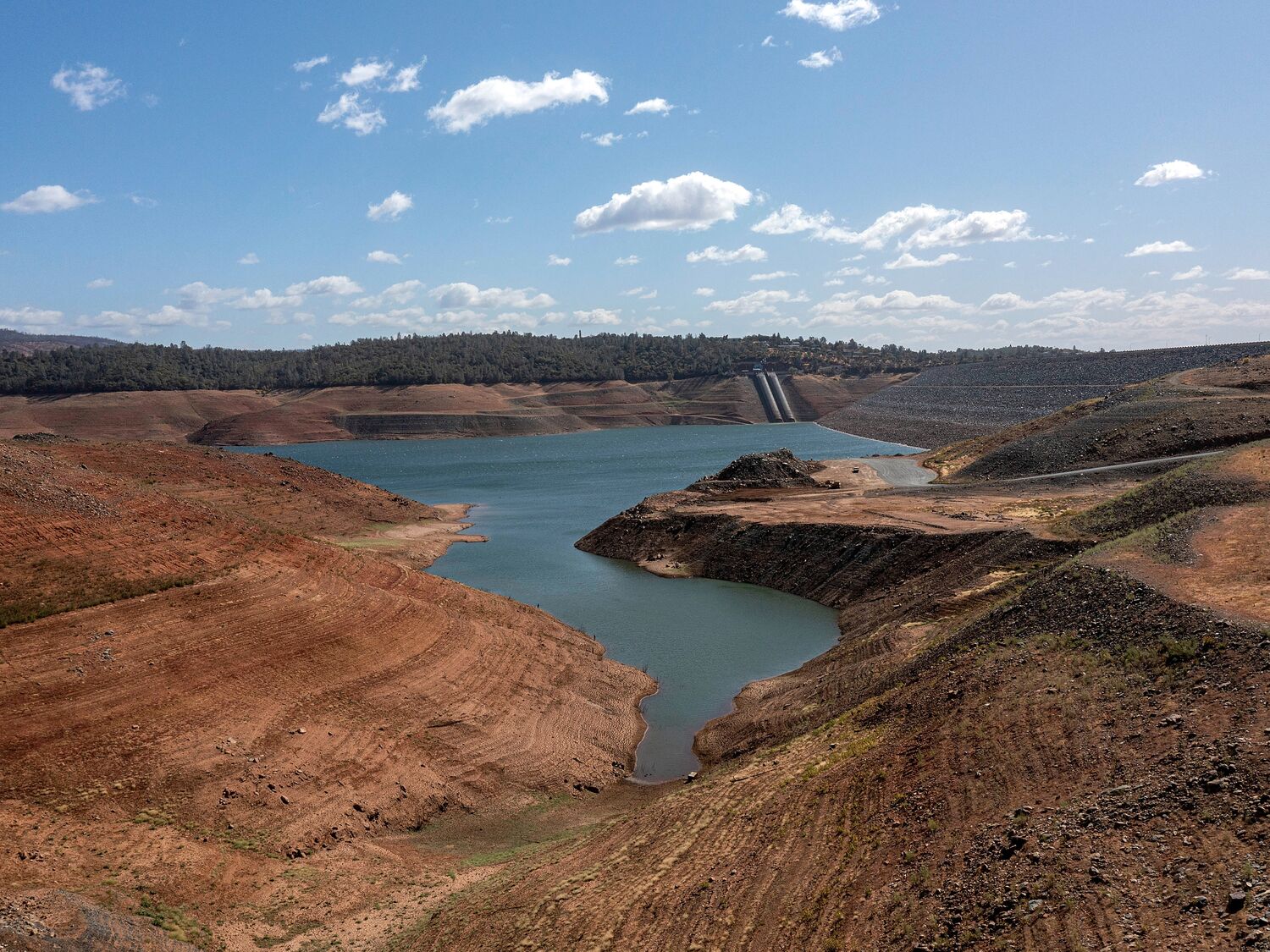
WASHINGTON — To strengthen the reliability and resiliency of the nation’s energy and water systems, the U.S. Department of Energy should develop innovative technology and infrastructure at the intersection of the two systems through a suite of pilot programs, says a new report from the National Academies of Sciences, Engineering, and Medicine. U.S. energy and water systems are profoundly interconnected, and disruptions can cascade rapidly across both, affecting public health, economic activity, environmental quality, and national security.
Energy and water systems are often managed separately, however, and regional environmental, socioeconomic, and political conditions can vary widely, making a single national approach inadequate for addressing the range of challenges facing the systems. For example, data centers are placing new and increasing strain on the electric grid and using significant quantities of water in some areas, while other stressors such as extreme weather are testing aging infrastructure and exposing systemic vulnerabilities. The report points to Winter Storm Uri in 2021 when prolonged power outages disrupted water treatment and distribution across Texas, underscoring how coupled energy and water systems are.
“The breadth of challenges and contexts across the energy-water nexus are extraordinary and will take a multipronged approach to address,” said Katharine Jacobs, chair of the committee that wrote the report and director of the Center for Climate Adaptation Science and Solutions and professor of environmental science at the University of Arizona. “Our report offers a foundation for DOE to integrate cross-sector collaboration and regional knowledge to protect and strengthen our communities and country.”
Pilot programs could demonstrate technologies that advance resilience and reduce structural risks to energy and water systems, the report says, and allow DOE to facilitate the deployment of integrated energy-water technologies that are attuned to local needs and constraints. In addition, pilot programs could offer a platform to improve access to energy and clean water, as well as create skilled jobs in the energy sector. The report provides strategies and considerations for how to build a suite of pilot projects and ensure that investments yield measurable, long-term benefits and effectively mitigate risk.
The pilot programs should be developed with local resource constraints and community needs at the forefront, the report emphasizes. DOE should take into account the costs and benefits of distributed energy and water infrastructure and region-specific challenges. The report also recommends that the pilot programs should support data collection and prioritize proactive risk management systems.
The absence of a specific federal agency dedicated to water management issues that can centralize, coordinate, and evaluate data has hindered the federal government’s ability to develop cohesive, cross-sector water programs, the report notes. At the same time, water management decisions are inherently local and context-specific, shaped by regional hydrology, governance structures, and community needs, making a fully centralized approach neither practical nor desirable. However, within this landscape, entities like DOE’s Hydropower and Hydrokinetic Office have the capacity to serve as conveners and coordinators at the federal level without supplanting state, tribal, and local authorities. DOE should therefore focus on creating effective management structures that align budgets and strategies, extend existing benefits while avoiding duplication of effort, and foster collaboration, transparency, and partnerships with industrial and agricultural partners.
The study was undertaken by the Committee on Enabling DOE Regional Energy-Water Technology Pilots and sponsored by the U.S. Department of Energy.
The National Academies of Sciences, Engineering, and Medicine are private, nonprofit institutions that provide independent, objective analysis and advice to the nation to solve complex problems and inform public policy decisions related to science, engineering, and medicine. They operate under an 1863 congressional charter to the National Academy of Sciences, signed by President Lincoln.
Contact:
Solomon Self, Media Relations Officer
Office of News and Public Information
202-334-2138; email news@nas.edu
Featured Publication
Enabling DOE Regional Energy–Water Technology Pilots
Consensus Study Report
·2026
Energy and water systems are deeply interconnected and increasingly under strain. As pressures from extreme weather, aging infrastructure, population growth, electrification, and expanding data centers intensify, disruptions in one system can quickly cascade into the other, with far-reaching consequ...
View details