Safe Passage: Astronaut Care for Exploration Missions (2001)
Chapter: Index
Index
A
Accidents and injury, see Trauma
Aerospace Medical Association, 34
Age factors, 11, 58, 64, 77, 78
breast cancer, 89
medical events in space, 81
Agency for Healthcare Research and Quality, 205
Airway management, 111, 118–119
Alimentary system, see Gastrointestinal system
Ambient lighting, see Lighting in spacecraft
American College of Surgeons, 192
American Medical Association, 34
Ames Research Center, 193
Analog environments, 12, 13, 28, 30, 73, 80, 195, 249, 256–260, 262
see also Antarctic stations;
International Space Station
behavioral issues, 12, 13, 139, 140–141, 142, 145, 149, 152, 159–160, 162, 164, 165–167, 170
group interactions, 145–146, 152, 156, 159–160, 162, 164, 165–167
mental illness, 80–81, 82, 85, 86
bone mineral density loss, 40
confidentiality issues, 177–178
emergency and continuing care, 117– 118, 126–127, 131, 132–133, 134
gastrointestinal medical events, 85, 86
infections, 82, 84, 85, 105, 126
longitudinal studies, 82, 83–86
microgravity, 76
neurological effects, 53
pharmacokinetics and pharmacodynamics, 91
respiratory disorders, 82, 84, 85, 86
submarines, 76, 80–83, 84, 85, 106, 140–141, 152, 162, 205, 256– 257, 259
surgery, 126–127
urinary system, 82
Anesthesia, see Pain management and anesthesia
Animal models
behavioral, 150
bone mineral loss, 45–46
injury, responses to, 121
muscle loss, 48
nervous system, 53
rehabilitation measures, 127
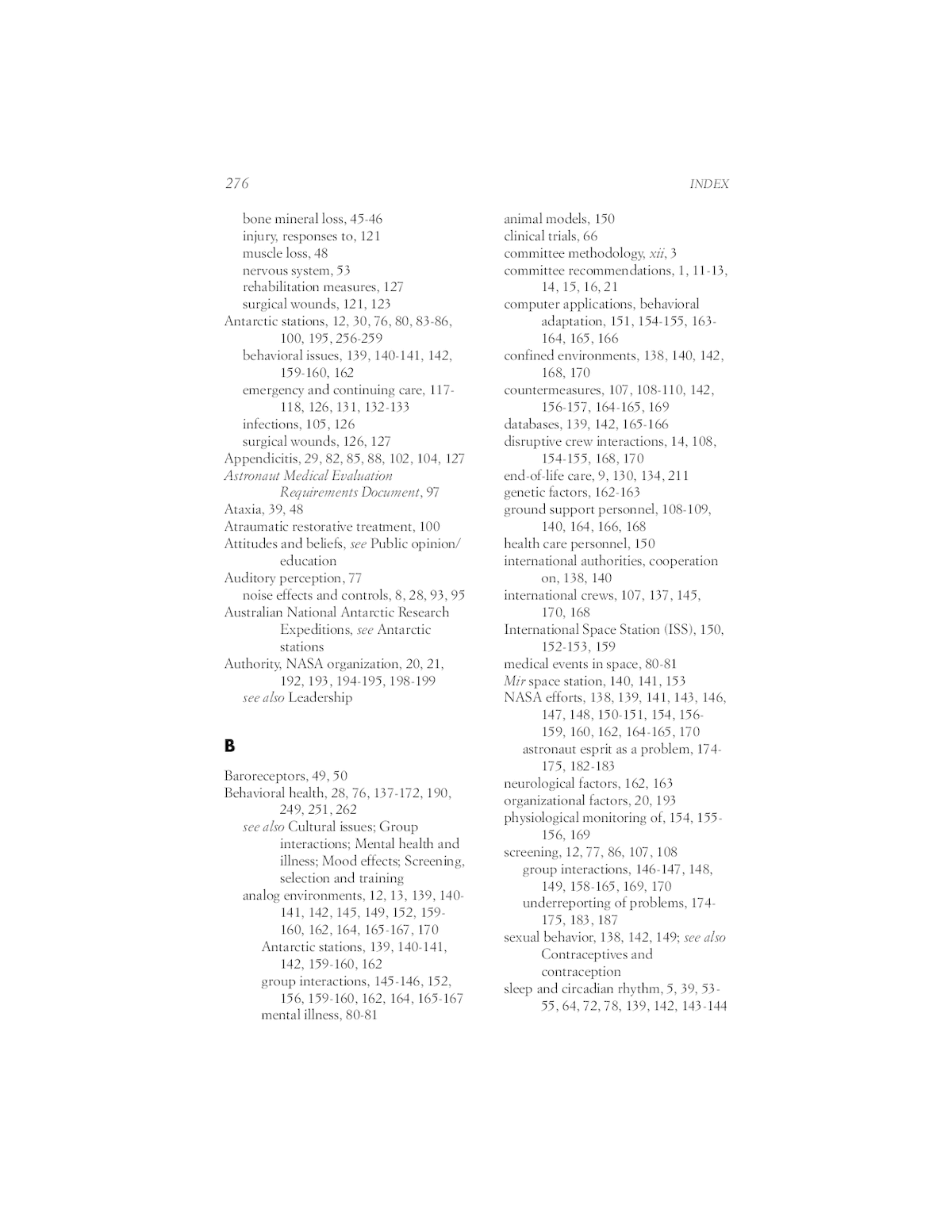
Antarctic stations, 12, 30, 76, 80, 83–86, 100, 195, 256–259
behavioral issues, 139, 140–141, 142, 159–160, 162
emergency and continuing care, 117– 118, 126, 131, 132–133
Appendicitis, 29, 82, 85, 88, 102, 104, 127
Astronaut Medical Evaluation Requirements Document, 97
Atraumatic restorative treatment, 100
Attitudes and beliefs, see Public opinion/ education
Auditory perception, 77
noise effects and controls, 8, 28, 93, 95
Australian National Antarctic Research Expeditions, see Antarctic stations
Authority, NASA organization, 20, 21, 192, 193, 194–195, 198–199
see also Leadership
B
Behavioral health, 28, 76, 137–172, 190, 249, 251, 262
see also Cultural issues;
Group interactions;
Mental health and illness ;
Mood effects;
Screening, selection and training
analog environments, 12, 13, 139, 140– 141, 142, 145, 149, 152, 159– 160, 162, 164, 165–167, 170
Antarctic stations, 139, 140–141, 142, 159–160, 162
group interactions, 145–146, 152, 156, 159–160, 162, 164, 165–167
mental illness, 80–81
animal models, 150
clinical trials, 66
committee recommendations, 1, 11–13, 14, 15, 16, 21
computer applications, behavioral adaptation, 151, 154–155, 163– 164, 165, 166
confined environments, 138, 140, 142, 168, 170
countermeasures, 107, 108–110, 142, 156–157, 164–165, 169
disruptive crew interactions, 14, 108, 154–155, 168, 170
end-of-life care, 9, 130, 134, 211
genetic factors, 162–163
ground support personnel, 108–109, 140, 164, 166, 168
health care personnel, 150
international authorities, cooperation on, 138, 140
international crews, 107, 137, 145, 170, 168
International Space Station (ISS), 150, 152–153, 159
medical events in space, 80–81
Mir space station, 140, 141, 153
NASA efforts, 138, 139, 141, 143, 146, 147, 148, 150–151, 154, 156– 159, 160, 162, 164–165, 170
astronaut esprit as a problem, 174– 175, 182–183
neurological factors, 162, 163
organizational factors, 20, 193
physiological monitoring of, 154, 155– 156, 169
screening, 12, 77, 86, 107, 108
group interactions, 146–147, 148, 149, 158–165, 169, 170
underreporting of problems, 174– 175, 183, 187
sexual behavior, 138, 142, 149;
see also Contraceptives and contraception
sleep and circadian rhythm, 5, 39, 53– 55, 64, 72, 78, 139, 142, 143–144
space crew/ground personnel interactions, 108–109, 140, 152– 158, 166, 168
space shuttle program, 140, 155
Behavioral self-management, 145
see also Self-assessment;
Self-monitoring
Bioastronautics Institute, 192, 196, 251
Bioregenerative systems, 89, 143, 145
Blood, see Cardiovascular system;
Hematology
Bone, see Musculoskeletal system
Bone mineral density, 3, 5, 9, 26–27, 39, 40, 42–47, 62, 64, 66, 77, 123, 127, 128, 129, 153
analog environments, 40
animal models, 45–46
calcium excretion, 43, 60, 259
clinical research, 5, 46–47, 72
countermeasures, 27, 44, 46, 47, 60– 61, 72, 127–128
genetic factors, 5, 43, 45, 47, 72
medications, 5, 44, 46, 47, 72
metabolic processes, 43, 44–46, 47, 60– 61, 87, 259
Mir space station, 43, 44, 128
nutrition, 44
real-time measurements, 46, 72
Breast cancer, 86–89
C
Calcium excretion, 43, 60, 259
Carcinogenesis and cancer, 78, 86–89
breast, 86–89
gastrointestinal system, 103
prostate, 112
radiation effects, 65, 88–89, 212
Cardiovascular system, 8, 49–50, 77, 78
anesthesia and pain management, 118
central venous pressure, 49–51
clinical research, 5, 48–49, 50, 62, 64, 66, 72
end-of-life care, resuscitation considerations, 9, 130, 249
health care practice, 97–98
historical perspectives, 97
hydrostatic pressure, 39
injury, responses to, 121–122
medical events in space, 81, 113, 212
medical events in submarines, 82, 85
neurovestibular adaptation, 67
orthostatic hypotension, 5, 39, 48–49, 50, 97, 102
physical examinations in space, 87
renal system, vascular resistance, 50
Catastrophic illness and death, 6, 29, 114, 130, 138, 218
end-of-life care, 9, 130, 134, 211
historical perspectives, 78, 79
suicidal and homicidal ideation, 108, 154
Cell-mediated immunity, 105, 258
Chemicals, hazardous, see Hazardous substances
Central nervous system
anaesthesia, 120
closed-head injuries, 111
orthostasis, 110
psychomotor functions, 55
radiation effects, 65
sleep and circadian rhythm, 53
Central venous pressure, 49–51
Circadian rhythm, see Sleep and circadian rhythm
Clinical Care Capability Development project, 209, 250
Clinical practice guidelines, 8, 9, 31, 134, 204–205, 208, 217, 218
rehabilitation measures, 127–128
standards, 7, 97, 113, 210–212
Clinical research, 3, 4, 6–7, 9–10, 24, 38, 40, 41, 62–73
see also Clinical Research Opportunities;
Ethical issues
behavioral health, 66
bone mineral density, 5, 9–10, 42–43, 45, 46–47, 62, 64, 66, 72
cardiovascular effects, 5, 48–49, 50, 62, 64, 66, 72
committee methodology, xii, 3, 30, 31– 32
Critical Path Roadmap project, 4, 62– 69
defined, 69
hazardous substances, 65
hematology, 9, 62, 64, 106, 113
historical perspectives, 6, 10
immune system, 9, 62, 64, 66, 106, 113
International Space Station (ISS), 41, 73
microgravity, 5, 6, 9–10, 17, 42–43, 45, 46–47, 62–69
musculoskeletal system, 5, 9–10, 42–43, 45, 46–47, 62, 64, 66, 72
neurological, 5, 10, 66, 72, 111, 113
neurovestibular function, 53, 62, 65, 67
organizational requirements, 70, 193, 197–198, 199, 207–208
pharmacokinetics and pharmacodynamics, 5, 72, 90
physiological monitoring, 5, 61, 63, 68
renal stones, 66
reproductive system, 5, 57, 59, 72
space motion sickness, 5, 52, 72
various body systems and processes, 5, 64–67, 72
Clinical Research Opportunities, 5, 72
bone mineral density, 5, 46–47, 72
gender factors, general, 60
orthostatic hypotension, 5, 48–49, 72
physiological monitoring, 5, 62, 72
reproductive system, 5, 57, 59, 72
sleep and circadian rhythm, 5, 54–55, 64, 72
space motion sickness (SMS), 5, 52, 72
Clinical Research Plan, 202
Closed-head injuries, 111
Communication and communications technology, 2, 6, 11, 13, 142, 143, 151
see also Isolation
computer analysis of verbal communication, 154–155
emergency and continuing care, 118, 132, 204–205
family and friends, 14, 151, 152, 168
group interactions, 147, 154, 166
surgical procedures, 123–124
Comprehensive health care system (NASA), 7, 9, 21, 40, 70–71, 190–191, 195, 196, 197, 198, 199, 200, 201, 208–209, 216, 218–219
Computer-aided design/computer-aided manufacturing (CAD-CAM) , 124
Computer applications, other
see also Databases
behavioral adaptation, 151, 154–155, 163–164, 165, 166
informatics, 9, 24, 61, 208, 212–214, 217
recreational software, 151
self-assessment software, 109
verbal communication analysis, 154– 155
Confidentiality and privacy, 13, 16, 173, 174, 175–187, 195, 196, 201
analog environments, 177–178
crew onboard space vessels, privacy, 138, 142, 144
Confined environments, 26, 29, 189
anesthesia and pain management, 118
behavioral problems, 138, 140, 142, 168, 170
neurological effects, 53
privacy onboard spacecraft, 138, 142, 144
Contraception and contraceptives, 60, 104
Counter Measure Development and Validation Project, 195–196
see also Medications
behavioral problems, 107, 108–110, 142, 156–157, 164–165, 169
bone mineral density, 27, 44, 46, 47, 60–61, 72, 127–128
closed-head and spinal cord injuries, 111
Critical Path Roadmap project, 4, 62– 69, 200, 211, 250
decompression sickness, 92
exercise, 48, 58, 127–128, 129, 142
hazardous materials exposure, 8, 94, 113
hormonal contraceptive agents, 60, 104
hormone replacement therapy, 9, 58– 59, 104, 113
International Space Station (ISS), 41– 42, 68
microgravity effects, 40–42, 48, 56, 62– 69, 72, 127–128
artificial gravity, 5, 72, 251
muscle loss, 48, 56, 72, 127–128
NASA programs, general, 27, 68, 193, 195–194
behavioral, 156–157
noise effects and controls, 8, 28, 93, 95
organizational requirements, 195–196
peripheral nervous system, 56
recreation and leisure activities, 14, 128–129, 142, 144, 151
rehabilitation measures, 7, 8, 11, 28, 67, 71, 73, 127–130, 190, 250
surgical wound healing, 123
underreporting of problems, 175, 183, 187
Crew selection and composition, see Ethnicity;
International crews;
Screening, selection and training
Crew Status and Support Tracker, 14, 168
Critical Path Roadmap project, 4, 62–69, 200, 211, 250
Cultural issues
see also Ethnicity;
International crews;
Public opinion
astronaut esprit as a problem, 174–175, 182–183
committee recommendations, 11, 21
food preparation 88
group interactions, 149, 156, 164–165, 169
language factors, 107, 140, 164–165, 169
mental health, 107, 149, 156, 158
D
behavioral issues, 139, 142, 165–166
bone mineral density, genetics, 47
emergency and continuing care, 132– 133, 134
pharmacokinetics and pharmacodynamics, 8, 91, 113
Decisionmaking, general
see also Ethical issues;
Organizational factors
emergency and continuing care, 117, 118, 130, 134
group, 147
leadership,
NASA organization, 20, 21, 192, 193, 194–195, 198–199
Death and dying, see Catastrophic illness and death
Decompression sickness, 59, 67, 92–93
Dehydration, 51, 52, 60, 90, 111–112, 212
Dental care, 8, 84, 85, 98–101, 113, 252–255
gingivitis, 105
Department of Defense, 194, 200, 203, 204, 205
Department of Health and Human Services, see Agency for Healthcare Research and Quality; terms beginning “National Institute…”
Department of Veterans Affairs, 204, 205
Diagnostic and Statistical Manual, 159
Diarrhea, 102
Diet, see Nutrition
Digestive system, see Gastrointestinal system
Dual agency, 175
Dying, see Catastrophic illness and death
E
Electrical stimulation, 128, 129
Emergency and continuing care, 25, 30, 117–136, 169
see also Pain management and anesthesia;
Surgery;
Trauma
analog environments, 117–118, 126– 127 , 131, 132–133, 134
decompression sickness, 92
microgravity, 121–123, 125, 127, 128, 129
NASA efforts, 126, 129–130, 134–135
organizational factors, 190, 192, 210–212
End of life considerations, see Catastrophic illness and death
Endocrine function, 258
exogenous hormone therapy, 9
gametes, female, 57
growth hormone, neurological effects, 5
injury, responses to, 121, 123
medical events in space, 81, 101
neurohormonal, 49
replacement therapy, 9, 58–59, 104, 113
testosterone, 57
Endotracheal intubation, 118, 119
Environmental Protection Agency, 194
Epidemiological data, 1, 9, 59, 197
see also Analog environments;
Clinical research;
Longitudinal studies
Ethical issues, 77, 173–187, 249
see also Confidentiality and privacy committee methodology, xii, 30
flight surgeon, 174, 175, 180–181, 215
NASA efforts, 174, 175, 181–187
risk assessment, 4, 30, 31, 114, 206–207
public education, 6, 31, 114, 124, 131, 205–207
see also Cultural issues;
International crews
Exercise countermeasures, 48, 127–128, 129, 142
female reproductive physiology, 58
Extravehicular activity (EVA), 77, 116, 189, 190, 191
decompression sickness, 92
gender factors, suits, 60
medical events in space, 79
space motion sickness (SMS), 52
Extreme environments, 1–2, 4, 6, 11–12, 13, 14, 28, 170, 189, 256–257
see also Analog environments;
Confined environments;
Isolation;
Microgravity;
Radiation exposure
Mars exploration, 23, 24–25, 30
medical events, 78–86
space medicine defined, 34
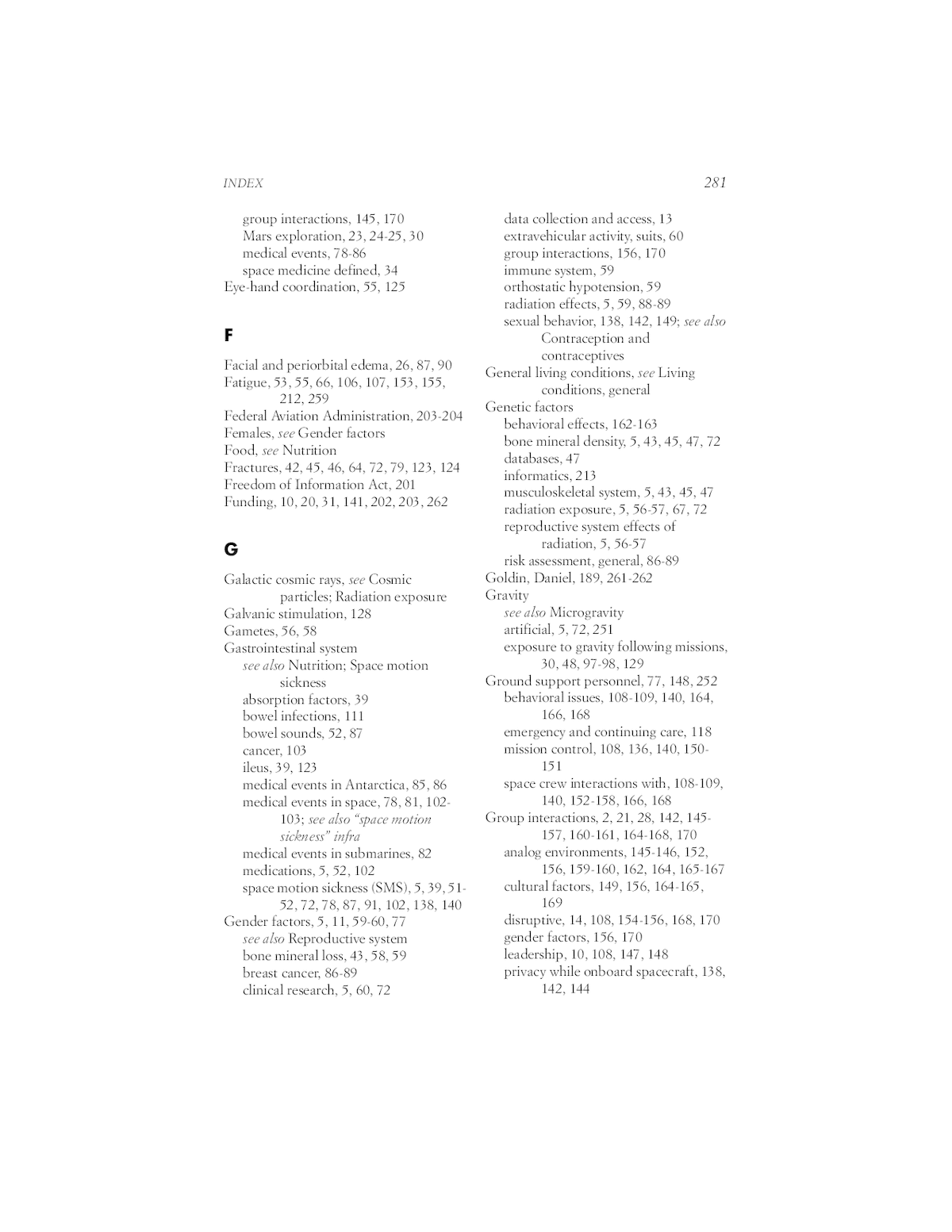
Eye-hand coordination, 55, 125
F
Facial and periorbital edema, 26, 87, 90
Fatigue, 53, 55, 66, 106, 107, 153, 155, 212, 259
Federal Aviation Administration, 203–204
Females, see Gender factors
Food, see Nutrition
Fractures, 42, 45, 46, 64, 72, 79, 123, 124
Freedom of Information Act, 201
Funding, 10, 20, 31, 141, 202, 203, 262
G
Galactic cosmic rays, see Cosmic particles;
Radiation exposure
Galvanic stimulation, 128
Gastrointestinal system
see also Nutrition;
Space motion sickness
absorption factors, 39
bowel infections, 111
cancer, 103
medical events in Antarctica, 85, 86
medical events in space, 78, 81, 102– 103;
see also “space motion sickness” infra
medical events in submarines, 82
space motion sickness (SMS), 5, 39, 51– 52 , 72, 78, 87, 91, 102, 138, 140
Gender factors, 5, 11, 59–60, 77
see also Reproductive system
breast cancer, 86–89
data collection and access, 13
extravehicular activity, suits, 60
immune system, 59
orthostatic hypotension, 59
radiation effects, 5, 59, 88–89
sexual behavior, 138, 142, 149;
see also Contraception and contraceptives
General living conditions, see Living conditions, general
Genetic factors
behavioral effects, 162–163
bone mineral density, 5, 43, 45, 47, 72
databases, 47
informatics, 213
musculoskeletal system, 5, 43, 45, 47
radiation exposure, 5, 56–57, 67, 72
reproductive system effects of radiation, 5, 56–57
risk assessment, general, 86–89
Gravity
see also Microgravity
exposure to gravity following missions, 30, 48, 97–98, 129
Ground support personnel, 77, 148, 252
behavioral issues, 108–109, 140, 164, 166, 168
emergency and continuing care, 118
mission control, 108, 136, 140, 150– 151
space crew interactions with, 108–109, 140, 152–158, 166, 168
Group interactions, 2, 21, 28, 142, 145– 157, 160–161, 164–168, 170
analog environments, 145–146, 152, 156, 159–160, 162, 164, 165–167
cultural factors, 149, 156, 164–165, 169
screening, selection, and training, 77, 146–147, 148, 149, 158–165, 169, 170
Growth, height, 26
Gynecologic health issues, 5, 103–105
contraception and contraceptives, 60, 104
menstruation effects, 5, 43, 58–59, 72, 103, 104
pelvic examinations, 88
H
Habitability, see Living conditions, general
Hazardous substances, 92, 93–94
anesthesia and pain management, 118, 119–120
clinical research, 65
spacecraft maximum allowable concentrations (SMAC), 93–94, 143
Health care personnel, 131–133, 255–256
anesthesia and pain management, 118
behavioral factors, 150
emergency and continuing care, 118
flight surgeon, 174, 175, 180–181, 215
organizational requirements, 193–194
Hearing, see Auditory perception
Height, see Growth, height
bone density markers, 43, 45, 46
clinical research, 9, 62, 64, 106, 113
High-energy particle radiation, see Radiation exposure
Historical perspectives, 3, 18, 26, 38, 137, 197
see also Analog environments
cardiovascular care, 97
clinical data collection, 6, 10
confidentiality, doctor-patient, 175–176
crew selection, 12
injury, responses to, 121
Mars exploration, 23
microgravity effects, 37
Hormonal contraceptive agents, 60, 104
Hormone replacement therapy, 9, 58–59, 104, 113
Hormones, see Endocrine function
Hubble Space Telescope, 202
Human Exploration of Mars: The Reference Mission of the NASA Mars Exploration Study Team, 24
Hydration, see Dehydration
Hydrostatic pressure, 39
Hypercalciuria, 44
I
cell-mediated immunity, 105, 258
clinical research, 9, 62, 64, 66, 106, 113
gender factors, 59
injury, responses to, 121, 126
medical events in space, 81, 212
Infections, 127
analog environments, 82, 84, 85, 105, 126
bowel, 111
cell-mediated immunity, 105
clinical research, 9, 62, 64, 66
medical events in Antarctica, 85, 86
medical events in space, 9, 81, 105, 111
medications, 127
preflight isolation, 105
urinary, 111
Informatics, 9, 24, 61, 208, 212–214, 217
Infrastructure, see Organizational factors
Injury, see Trauma
Institutional factors, see Organizational factors
Integration, 193–194, 197, 198, 218
comprehensive health care system (NASA), 7, 9, 21, 40, 70–71, 190–191, 195–199 (passim)
interagency coordination, 31, 73, 175, 193, 194, 195–196, 198, 199, 200, 203–208, 217
International cooperation, 198, 207, 217, 251
behavioral health problems, 138, 140
committee charge, 31
risk assessment, 114
screening, selection and training, 158– 159
standards, general, 8, 16, 17, 107, 219
International crews, 11, 24, 25, 149
behavioral issues, 107, 137, 145, 170, 168
International Space Station (ISS), 2, 3, 11, 17, 34, 38, 73, 77, 188, 190, 191, 202, 207, 212, 249, 251
behavioral issues, 150, 152–153, 159
bone mineral density, microgravity, 3, 40
countermeasures research, 41–42, 68
emergency and continuing care, 117, 190
ethical issues, 181–186, 186, 187
informatics, 213
injury, responses to, 121
launches from, 25
mental health screening, 108
radiation exposure, 96
rehabilitation measures, 129–130, 190
space motion sickness (SMS), 52
Intestines, see Gastrointestinal system
Isolation, 3, 10, 11, 13, 14, 25, 28, 29, 138, 140, 142, 168, 189, 258–259
see also Communication and communications technology
neurological effects, 53
preflight, infection rates, 105
J
Johnson Space Center (JSC), 173, 183, 190, 192, 193, 195, 196, 248, 252
K
Kidneys, see Renal system
L
Language factors, 107, 140, 164–165, 169
computer analysis of verbal communication, 154–155
Laproscopic surgery, 104, 124, 125
Laryngeal mask, 119
Leadership
NASA organization, 20, 21, 192, 193, 194–195, 198–199
Legislation, 201–202
see also Regulatory issues
Freedom of Information Act, 201
Privacy Act, 16, 175–176, 187, 201
Life on the Screen: Identity in the Age of the Internet, 109
Lighting in spacecraft, 5, 28, 142
sleep and circadian rhythm, 53, 55, 144
Living conditions, general, 15, 65, 77, 134, 138, 142–143, 145, 161, 167
see also Confined environments;
Isolation;
Lighting in spacecraft noise effects and controls, 8, 28, 93, 95
paired transport vehicles, 149
privacy onboard spacecraft, 138, 142, 144
Longitudinal studies, 15
bone mineral loss, 45
death, 78
epidemiological data, 1, 9, 59, 197
medical events in Antarctica, 83–86
medical events in space, 78–79
medical events in submarines, 82
Longitudinal Study of Astronaut Health, 176, 209, 212, 249
Lucid, Shannon, 26
Lungs, see Respiratory system
M
Males, see Gender factors
Mars missions, 11, 23–25, 28, 30, 38, 75, 137
bone mineral density loss, 27, 44–45
countermeasures, 68
emergency and continuing care, 123– 125, 132
mental health issues, 107
orthostatic hypotension, 49
surgical procedures, 123–125
see also Robotics
anesthesia and pain management, 118– 119, 120
electrical stimulation, 128, 129
laryngeal mask, 119
nanotechnology, 24, 61–62, 194
surgery, 124–125
Medications
see also Pain management and anesthesia
bone mineral loss, 5, 44, 46, 47, 72
clinical research, general, 5, 55, 204
committee charge, 31
gastrointestinal system, 5, 52, 102
hormonal contraceptive agents, 60, 104
hormone replacement therapy, 9, 58– 59, 104, 113
infections, 127
medical events in space, 79, 102
mental illness treatment, 108
organizational requirements, 204, 217
orthostatic hypotension, 49, 72
pancreatitis prevention, 103
pharmacodynamics, 59, 60, 65, 86, 90– 91, 113
pharmacokinetics, 5, 72, 90–91, 110, 113
psychomotor functions, 55
Melatonin, 54
Menstruation effects, 5, 43, 58–59, 72, 103, 104
Mental health and illness, 15, 28, 30, 64, 77, 106–110, 113, 138–139
see also Behavioral health;
Isolation;
Mood effects;
Screening, selection and training
analog environment data, 80–81, 82, 85, 86
cultural issues, 107, 149, 156, 158
disruptive crew interactions, 14, 108, 154–155, 168, 170
intramission/postmission problems, 106, 107, 108–110, 153–154, 157–158
longitudinal studies, 109–110, 157–158
mission control, 108, 136, 140, 150–151
NASA efforts, 106–107, 109–110
suicidal and homicidal ideation, 108, 154
Metabolic processes
see also Endocrine function
bone mineral density, 43, 44–46, 47, 60–61, 87, 259
injury, responses to, 121, 123
medical events in space, 81
nutrient absorption in microgravity, 89–90
pharmacokinetics, 5, 72, 90–91, 110, 113
Microbiology
see also Immune system;
Infection anesthesia and pain management, 118, 119, 120
dental care, 99
Microgravity, 3, 6, 26, 29, 37–39, 40, 138, 189, 191, 249, 261, 262
see also Bone mineral density
airway management during anaesthesia, 119
analog environments and, 76
artificial gravity, 5, 72, 251
cardiovascular system, 8, 49–50, 97
clinical research, 5, 6, 9–10, 17, 42–43, 45, 46–47, 62–69
countermeasures, 40–42, 48, 56, 62–69, 72, 127–128;
see also “artificial gravity” supra
decompression sickness, 59, 67, 92–93
emergency and continuing care, 121– 123, 125, 127, 128, 129
exposure to gravity following, 30, 48, 97–98, 129
injury, responses to, 121, 122
menstruation effects, 5, 43, 58–59, 72, 103, 104
muscle loss, 9–10, 39, 47–48, 55–56, 62, 64, 66, 77, 127, 212
animal models, 48
countermeasures, 48, 56, 72, 127– 128
neurological effects, 53, 56, 67
nutrient absorption, 89–90
orthostatic hypotension, 5, 39, 48–49, 50, 53, 59, 72, 97, 102, 110, 190
peripheral nervous system, 56
pharmacodynamics, 59, 60, 65, 86, 90– 91
pharmacokinetics, 5, 72, 90–91, 110
physical examinations in, 87–88
radiation, synergistic effects, 65
menstruation effects, 5, 43, 58–59, 72, 103, 104
space motion sickness (SMS), 5, 39, 51–52, 72, 78, 87, 91, 102, 138, 140
urinary system, 39, 42, 44, 50, 60–61;
see also Renal system
Mir space station, 249
behavioral problems, 140, 141, 153
bone mineral loss, 43, 44, 128
medication usage, 84
mental health issues, 106, 107
rehabilitation measures, 129
sleep and circadian rhythm, 53
surgical wounds, 122–123
Mission control, 108, 136, 140, 150–151
Model Trauma Care System Plan, 192
Mood effects, 8, 14, 86, 106, 113, 139– 142, 155, 259
sleep and circadian rhythm, 53
Motion sickness, see Space motion sickness
Motor functions, see Psychomotor functions
Musculoskeletal system, 203
see also Bone mineral density
clinical research, 5, 9–10, 42–43, 45, 46–47, 62, 64, 66, 72
fractures, 42, 45, 46, 64, 72, 79, 123, 124
genetic factors, 5, 43, 45, 47
medical events in Antarctica, 85, 86
medical events in space, 79, 81
muscle loss, 9–10, 39, 47–48, 55–56, 62, 64, 66, 77, 127, 212
animal models, 48
countermeasures, 48, 56, 72, 127– 128
pain management, 48
nutrition, 48
peripheral nervous system, 55–56
surgical wound healing, 122–123
N
National Aeronautics and Space Administration (NASA), 24, 189–191
see also Organizational factors
Ames Research Center, 193
behavioral issues, 138, 139, 141, 143, 146, 147, 148, 150–151, 154, 156–159, 160, 162, 164–165, 170
astronaut esprit as a problem, 174– 175, 182–183
cardiovascular effects of microgravity, 50
committee charge and methodology, xi–xiii, 2–3, 29–33, 247–260
committee recommendations, 1, 6–21, 40, 69–73, 114, 135, 170, 187, 191, 202–219 (passim)
comprehensive health care system, 7, 9, 21, 40, 70–71, 190–191, 195, 196, 197, 198, 199, 200, 201, 208–209, 216, 218–219
countermeasures, general, 27, 68, 193, 194–195
behavioral, 156–157
Critical Path Roadmap project, 4, 62–69, 200, 211, 250
emergency and continuing care, 126, 129–130, 134–135, 190, 192, 210–212
ethical issues, 174, 175, 181–187
funding, 10, 20, 31, 141, 202, 203, 262
gamete preservation, 57
Johnson Space Center (JSC), 173, 183, 190, 192, 193, 195, 196, 248, 252
leadership, crews, 148
leadership, NASA organization, 20, 21, 192, 193, 194–195, 198–199
major health and medical events, 76– 77
mental health of crew, 106–107, 109– 110
neurological clinical program, 111
neurovestibular function, 53
physical training and rehabilitation, 129–130
physiological monitoring, 61–62
pulmonary system, 51
radiation exposure, 96
risk assessment, general, 3–4, 38
space medicine defined, 34
surgical procedures, 126
National Cancer Institute, 62
National Institute of Arthritis and Musculoskeletal and Skin Diseases, 203
National Institute on Aging, 203
National Institutes of Health, 194, 199, 200, 203, 204, 208
National Science Foundation, 195
National Space Biomedical Research Institute, 10, 143, 156–157, 193, 196, 202, 250
Nausea, see Space motion sickness
Nervous system, 5, 39, 49, 110–111
see also Pain management and anesthesia;
Psychomotor functions;
Sleep and circadian rhythm;
Space motion sickness
analog environments, 53
animal models, 53
ataxia, 39
central nervous system, 53, 55, 65, 110, 111, 120
clinical research, 5, 10, 66, 72, 111, 113
closed-head injuries, 111
confined environments, 53
injury, responses to, 121, 123
isolation effects, 53
medical events in Antarctica, 85, 86
medical events in space, 81, 110–111, 212
peripheral nervous system, 55–56
space motion sickness (SMS), 5, 39, 51– 52, 72, 78, 87, 91, 102, 138, 140
Neurovestibular function, 10, 53, 62, 65, 67, 77, 81, 110
Noise effects and controls, 8, 28, 93, 95
Nutrition, 11, 51, 88–90, 138, 142, 143, 251
bioregenerative systems, 89, 143, 145
bone mineral loss, 44
clinical research, 5, 62, 63, 65
injuries, recovery from, 123
medical events in space, 81
muscle protein, 48
O
Occupational health model, 1, 16–17, 92– 97, 178–180, 187, 201, 203–204
Office of Naval Research, 194
Organizational factors, 2, 6–7, 10, 19–20, 29–30, 191–219, 262
see also International cooperation
comprehensive health care system (NASA) , 7, 9, 21, 40, 70–71, 190–191, 195–199 (passim), 200, 201, 208–209, 216, 218–219
ethical issues, 174–175, 182, 187
group functioning, 147, 158, 168
health care personnel, 193–194
integration, 193–194
interagency coordination, 31, 73, 175, 193, 194, 195–196, 198, 199, 200, 203–208, 217
leadership, crew, 10
leadership, NASA, 20, 21, 194–195
neurological clinical program, 111
standards, 191, 192, 193, 195, 200
international cooperation, 8, 16, 17, 107, 219
systems development, 199–200
Orthostasis, 5, 39, 48–49, 50, 53, 59, 72, 97, 102, 110, 190
P
Pain management and anesthesia, 9, 118– 122, 129, 134
backaches, 79
endotracheal intubation, 118, 119
muscle loss and, 48
screening, selection and training, 118, 120
Pancreas, 103
Performance, see Behavioral health;
Task performance
Peripheral nervous system, 55–56
Pharmaceuticals, see Medications
Pharmacodynamics, 59, 60, 65, 86, 90–91
analog environments, 91
Pharmacokinetics, 5, 72, 90–91, 110
Phenotypes, bone mineral loss, 43, 47, 72
Physiological monitoring, 39, 61–62, 68, 207
behavioral adaptation, 154, 155–156, 169
bone mineral density markers, 5, 43, 45, 46
clinical research, 5, 61, 62, 63, 68, 72
Polar tri-idothyronine (T3) syndrome, see Tri-iodothyronine (T3)
Poliakov, Valeri, 26
Post-flight support and reintegration, 106, 107, 108–110, 153–154, 157–158
see also Contraception and contraceptives
Preventive measures, 28, 40, 99, 189–190, 210, 211, 213
see also Screening, selection, and training
surgical infections, 126
underreporting of problems, 175, 183, 187
Privacy, see Confidentiality and privacy
Privacy Act, 16, 175–176, 187, 201
Prostate gland, 112
Protocols
see also Clinical practice guidelines;
Standards
confidentiality, 182–186
end-of-life considerations, 9, 130, 134
mental health, 108
organizational requirements, 200
physical exercise, 48
Psychomotor functions, 9, 39, 55, 64, 65, 134, 138, 212
computerized assessment, 155
medications, 55
recreational activities, 128–129
Public opinion/education, 6, 31, 114, 124, 131, 205–207
Pulmonary system, see Respiratory system
Q
see also Clinical practice guidelines;
Ethical issues;
Protocols;
Regulatory issues;
Standards
R
Race/ethnicity, see Ethnicity
Radiation exposure, 8, 27–28, 29, 62, 77, 92, 96, 113, 189, 249, 261
central nervous system, 65
gender factors, general, 5, 59, 88–89
genetic factors, 5, 56–57, 67, 72
microgravity effects, synergies, 65
neurovestibular adaptation, 67
reproductive health, 5, 56–57, 67, 72
Real-time measurements, 5, 18, 134
group interactions, 148
neurological effects, 52–53
surgical procedures, 123–124
Recovery systems, see Support and recovery systems
Recreation and leisure activities, 14, 128– 129, 142, 144, 151
Regulatory issues, 1, 17, 182, 187
see also Legislation;
Occupational health model;
Standards
Rehabilitation practices, 7, 8, 11, 28, 67, 71, 73, 127–130, 190, 250
animal models, 127
International Space Station (ISS), 129– 130, 190
Renal system
calculi, 39, 42, 44, 60–61, 66, 85, 111– 112, 212
vascular resistance, 50
Reproductive system, 56–60, 111–112
clinical research, 5, 57, 59, 72
exercise, 58
gynecological issues
replacement therapy, 9, 58–59, 104, 113
testosterone, 57
medical events in submarines, 82
microgravity, gynecological health issues, 5, 8, 43, 56, 58–59, 72, 103, 104
pelvic examinations, 88
prostate gland, 112
radiation effects, 5, 56–57, 67, 72
sperm production, 56
Resources for the Optimal Care of the Injured Patient, 192
airway management, 111, 118–119
endotracheal intubation, 118, 119
laryngeal masks, 119
medical events in Antarctica, 85, 86
medical events in space, 78, 81
medical events in submarines, 82, 84
orthostatic hypotension, 5, 39, 48–49, 50
pulmonary function tests, 36
Reticulocytes, 105
Review of NASA’s Biomedical Research Program, 38
Robotics, 262
Mars exploration, 24
surgery, 123–124
S
Sagan, Carl, 137
Screening, selection, and training, 28, 86, 158–165, 169, 170, 250, 256– 257, 259
anesthesia and pain management, 118, 120
behavioral factors, 12, 77, 86, 107, 108
group interactions, 146–147, 148, 149, 158–165, 169, 170
underreporting of problems, 174– 175, 183, 187
cardiovascular health, 97, 98, 113
committee charge and recommendations, 8, 12, 13, 15, 29, 32, 170
computerized assessment, 154–155
crew diversity, 77
Critical Path Roadmap project, 63
emergency and continuing care, 123– 125, 127, 131–132
gastrointestinal system, 102
group interactions, 77, 146–147, 148, 149, 158–165, 169, 170
health care personnel, 30, 34, 214–216
international cooperation, 158–159
Mars exploration, 25
mental health issues, 107, 108
organizational requirements, 189, 210, 214–216
paired transport vehicles, 149
prostate cancer, 112
rehabilitation measures, 127, 134
surgical skills, 123–125
Self-assessment, 108, 109, 139–140, 145, 164, 169
Self-monitoring, 145
Sex differences, see Gender factors
Sexual behavior, 138, 142, 149
see also Contraception and contraceptives
Shaw, Chuck, 75
Shuttle program, see Space shuttles
Skeletal system, see Musculoskeletal system
Skin diseases, 78–79, 81, 82, 84, 85, 86, 203
cell-mediated immunity, 105
preflight isolation, 105
Sleep and circadian rhythm, 5, 39, 53–55, 64, 72, 78, 139, 142, 143–144
lighting in spacecraft, 53, 55, 144
Small Clinical Trials: Issues and Challenges , 70, 207
Small n problem, 214–215
see also Behavioral factors;
Cultural factors;
Group interactions;
Public opinion
analog environment data, 80–81
gender factors, 59
group interactions, 2, 21, 28, 138–142, 145–149, 156
Socrates, 23
Solar particle events (SPEs), 27, 96, 113
Space Behavioral Assessment Tool, 14, 155, 168
Space Flight Cognitive Assessment Tool, 14, 155
Space Flight Fatigue Assessment Tool, 155
Space motion sickness (SMS), 5, 39, 51– 52, 72, 78, 87, 91, 102, 138, 140
Space shuttle program, 36, 77, 102, 116, 136, 190, 207, 248, 252
bone mineral loss, 43
dehydration, 112
sleep and circadian rhythms, 144
toxic chemical exposure, 93
Space suits, 93
decompression sickness, 92–93
females, 60
Spacecraft maximum allowable concentrations (SMAC), 93–94, 143
Sperm production, 56
Standards, 9
see also Ethical issues;
Protocols cardiovascular health screening, 97
clinical care, 7, 97, 113, 210–212;
see also Clinical practice guidelines
group interaction monitoring, 156
health status measures database, 133
international cooperation, 8, 16, 17, 107, 219
mental health, 107
occupational health model, 1, 16–17, 92–97, 178–180, 187, 201, 203– 204
organizational requirements, 191, 192, 193, 195, 200
international cooperation, 8, 16, 17, 107, 219
toxic substance concentrations (SMAC), 93–94, 143
A Strategy for Research in Space biology and Medicine in the New Century, 38, 139
Submarines, 76, 80–83, 84, 85, 106, 140– 141, 152, 162, 205, 256–257, 259
Suits, see Space suits
Support and recovery systems, 14, 26, 138, 147, 149–158, 161, 164, 168–169
see also Ground support personnel intramission/postmission problems, 106, 107, 108–110, 153–154, 157–158
mental health, 106, 107, 108–110, 153– 154, 157–158
mission control, 108, 136, 140, 150–151
psychomotor functions, 55
Surgery, 28, 30, 80, 102, 103, 121, 122, 123–127, 136, 215
see also Wounds
analog environments, 126–127
anesthesia and pain management, 118– 119, 123
appendicitis, 29, 82, 85, 88, 102, 104, 127
communications technology and, 123– 124
ethical issues, flight surgeon, 174, 175, 180–181, 215
gynecological, 103
hematological considerations, 121, 122, 125
immune system effects, 121, 126
medical devices, 124–125;
see also Robotics
medical events in submarines, 83–86
microgravity during, 121–123, 125
musculoskeletal system, 122–123
robotic, 123–124
Systemic Multiple Level Observation of Groups, 156
Systems development
bioregenerative systems, 89, 143
complex adaptive systems, 148
organizational, 199–200
T
Task performance, 62, 64, 66, 68, 198, 249, 251
behavioral issues and, 137–172
gender factors, 60
mental health factors, 106–107
neurovestibular adaptation, 67
psychomotor functions, 9, 39, 55
sleep and circadian rhythm, 53
Telecommunications, see Communication and communications technology
Mars, 23
sleep and, 55
Testosterone, 57
Titov, Vladimir, 26
To Err Is Human, Building a Safer Health System, 217
Toxic chemicals, see Hazardous substances
Training requirements, see Screening, selection, and training
Trauma, 29, 63, 65, 78, 79–80, 81, 121– 123, 127
see also Surgery
anesthesia and pain management, 118– 119, 123
animal models, 121
cardiovascular response, 121–122
closed-head and spinal cord injuries, 111
emergency and continuing care, 118
medical events in Antarctica, 85, 86
medical events in submarines, 82, 84, 85
microgravity, response effects, 121, 122
nutrition, recovery from, 123
organizational factors, 192
wounds
Tri-iodothyronine (T3), 101
U
Urinary system, 60–61
see also Renal system
bone mineral density markers, 5, 43, 45, 46, 60
clinical research, 5
infections, 111
medical events in space, 81, 111–112
medical events in submarines, 82
microgravity, 39, 42, 44, 50, 60–61
urinalysis, other than density markers, 61
V
Vestibular function, see Neurovestibular function
Visual perception, 53
Vomiting, see Space motion sickness
W
Weight, see Body mass
Weightlessness, see Microgravity
Windows Space Flight Cognitive Assessment, 14, 155, 168
Women, see Gender factors
Wounds, 42, 84, 105, 113, 122–123
see also Surgery
infections, 9, 105, 106, 113, 126
Wyle Laboratories, 195–196