What is the best type of COVID-19 test to get?
Based on Science
The best type of COVID-19 test to take depends on why you’re getting tested. Some tests are best for diagnosing current COVID-19 infections while others can identify past infections. Others are better suited for screening people to participate in activities or tracking outbreaks in a community.
Last update March 12, 2021
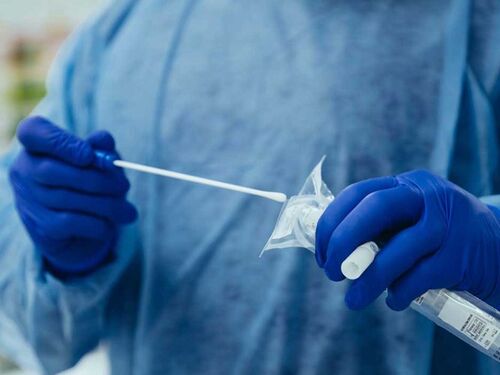
There are many kinds of COVID-19 tests.
The U.S. Food and Drug Administration (FDA) has approved several hundred COVID-19 tests for use in individual people. Each is slightly different, but most fall into a few categories.
The first type looks for genetic material (RNA) from the novel coronavirus. These tests are often called molecular or nucleic acid-based tests, and they:
Are generally the most accurate for diagnosing current or recent COVID-19 infections.
Are usually given by a trained professional and sent to a lab for processing.
Provide results in a few hours or a few days.
Cost more than other tests (though the cost is often covered by the government or your health insurance).
The most common genetic test uses a method called reverse transcription polymerase chain reaction (RT-PCR). Right now, this is considered the “gold standard” for diagnosing COVID-19, but scientists are studying whether other methods may be equally as accurate. One downside of RT-PCR is that a person can test positive after they have recovered and no longer have an active infection but still have inactive (dead) pieces of virus in their body.
The second type looks for proteins (antigens) from the novel coronavirus. These antigen tests:
Are generally less accurate for diagnosing COVID-19. (In particular, many have a higher rate of false negatives, which is when someone gets a negative test result but actually has COVID-19.)
Provide results within a few minutes.
Cost less than genetic tests (but may not be covered by your insurance or the government).
Another type of test looks for antibodies that your body makes when you have COVID-19. Antibody tests:
Cannot be used to diagnose current COVID-19 infections.
Tell you if you had COVID-19 in the past.
Are useful for helping public health officials track outbreaks.
The “best” test depends on the situation.
People get tested for many different reasons. For example:
If you are infected, knowing you have COVID-19 can help you get treatment and recover if you have symptoms and lets you know that you may be contagious and should stay home and isolate yourself.
If you are exposed to COVID-19, getting tested can help you detect an infection early.
You may be required to have a test if you plan to have a hospital procedure or travel.
If you are participating in activities that put you in close contact with others (such as living in a dorm or playing sports), you may be asked to get tested to help prevent outbreaks.
Antigen tests are well suited for screening people for certain activities or to find out how common COVID-19 is in a community. Although they are less accurate than genetic tests, they are cheaper, quicker, and easier to use. This makes them more practical for screening many people and finding outbreaks quickly.
Antibody tests can help researchers track outbreaks and study treatments and vaccines.
Testing is key to fighting the COVID-19 pandemic.
Testing can help people detect a COVID-19 infection quickly and avoid spreading it to others. Testing also helps decision makers prevent and control outbreaks in schools, workplaces, and communities.
In addition to testing individuals, communities and public health officials may conduct pooled testing, for example, testing the blood of many people at one time or testing wastewater. Finding evidence of the virus from pooled testing lets officials know the virus is present in the population of a specific location.
In addition to testing, it is important to slow the spread of COVID-19 by:
Improving ventilation in indoor spaces.
Staying home if you are sick.