Review of WIC Food Packages: An Evaluation of White Potatoes in the Cash Value Voucher: Letter Report (2015)
Chapter: Appendix D: Literature Search Strategy
LITERATURE SEARCH STRATEGY METHODOLOGY
In order to review the most relevant scientific literature available, study staff searched a range of online bibliographic databases (i.e., Medline and PubMed) for literature published after 2005 in the subject areas identified as relevant to the statement of task. Electronic literature searches of studies indexed in Medline (up to November Week 3, 2014) and PubMed were conducted. All studies published in English language from 2005 onward with human subjects were searched and screened by two independent reviewers to identify articles relevant to the key questions. Disagreement on eligibility was resolved in consultation with a third reviewer or with the committee. The search strategy employed the National Library of Medicine’s Medical Subject Headings (MeSH) keyword nomenclature developed for Medline. A broad search was conducted in both Medline and PubMed databases for identifying all studies conducted on the Special Supplemental Nutrition Program for Women, Infants, and Children (WIC) program or WIC populations without restrictions to any outcome or study design. Duplicate citations between the two databases were removed before screening. A separate search database for identifying studies conducted among low-income populations living in the United States was conducted in Medline database using a combination of MeSH or search terms for Medicaid, poverty, and low income. This search was then combined with search terms for potatoes, fruits, and vegetables. Furthermore, a search strategy was developed to exclude studies that are focused on health education interventions, research method developments, obesity preventions or treatments, and breastfeeding
interventions or outcomes given that these topics were not reviewed for the letter report. Relevant studies were organized by the key questions, as follows (see Figure D-1):
- Question 1: What are the effects of 2009 WIC food package revisions on nutrient and food group intake and overall diet quality in WIC participants?
- Question 2: What are the effects of 2009 WIC food package revisions on food availability, prices, or quality among WIC-authorized vendors, or on food purchase patterns among WIC households?
- Question 3: What are the effects of 2009 WIC food package revisions on sales or other concerns of WIC-authorized vendors?
- Question 4: What are the WIC participant’s concerns or feedback about the 2009 food package revisions?
- Question 5: Are there differences in fruit and vegetable intake or diet quality comparing WIC participants with nonparticipants?
- Question 6: What are the determinants of food or nutrient intake or diet quality among WIC participants or among low-income women/children or families living in the United States?
- Question 7: What are the determinants of fruit and vegetable purchases or home food environment among WIC participants or among low-income households in the United States?
- Question 8: What are the availability, costs, and quality of vegetables and fruits, or fruit and vegetable purchase patterns among low-income households or among vendors in low-income neighborhoods in the United States?
Note: The literature search included potatoes and health and glycemic index and health as additional terms. An additional search was conducted for information on glycemic index and gestational diabetes, focusing on systematic reviews.
Table D-1 provides an example of how searches were conducted; only a subset of terms from the overall search is shown for practicality.
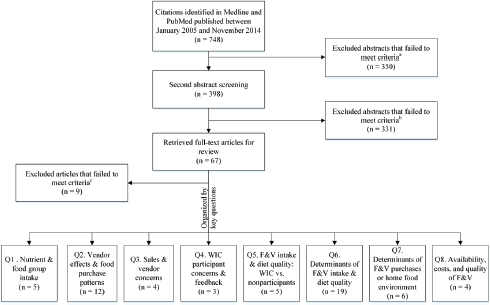
FIGURE D-1 Flow diagram of literature search strategy process.
NOTE: F&V = fruit and vegetable.
a First screening inclusion criteria: WIC, farmers’ markets, food environment, food purchasing/eating behaviors, anything with a nutrient value (e.g., calcium, zinc, iron), maternal influence on child body mass index, maternal weight (if with food intake parameters), childhood obesity, relevant breastfeeding abstracts. Exclusion criteria: non-WIC population (e.g., fathers; not in the United States), food safety, wellness (unless with food intake parameters), food intake instrument validation, irrelevant breastfeeding abstracts (e.g., sexual abuse, breast pump protocols, provider perceptions of breastfeeding).
b Second screening exclusion criteria: relevant review articles tagged “background”; irrelevant review articles; prevalence of anemia; breastfeeding promotion or outcomes; overweight/obesity or other health outcomes; development of measurement instruments or development of feasibility of intervention programs without assessing food/nutrient/fruit and vegetable (F&V) intake; non-WIC, non-low-income populations; food safety without assessing food/nutrient/fruit and vegetable (F&V) intake.
c No data or analysis addressing any one of the eight key questions.
TABLE D-1 Ovid Medline Search Strategy to Identify Relevant Literature
| Search No. | Search Terms | Number of Hits | |
| 1 | “Women, Infants, and Children”.af. [af=all fields] | 593 | |
| 2 | “WIC”.af. | 698 | |
| 3 | “Special Supplemental Nutrition Program”.af. | 337 | |
| 4 | 1 or 2 or 3 | 875 | |
| 5 | limit 4 to (english language and yr=“2005-Current”) | 499 | |
| 6 | exp Medicaid or exp poverty [exp=search for requested subject heading and terms related to subject heading] | 34,461 | |
| 7 | (“low income” or “low-income”).mp. [mp=title, abstract, original title, name of substance word, subject heading word, protocol supplementary concept, rare disease supplementary concept, unique identifier] | 14,457 | |
| 8 | 6 or 7 | 42,898 | |
| 9 | limit 8 to (english language and yr=“2005-Current”) | 26,307 | |
| 10 | potato.mp. | 8,810 | |
| 11 | vegetable.mp. or exp vegetables/ | 68,149 | |
| 12 | fruit.mp. or exp fruit/ | 61,865 | |
| 13 | or/10–12 | 119,157 | |
| 14 | 9 and 13 | 461 | |
| 15 | 14 not 5 | 433 | |
| 16 | limit 15 to (comment or editorial or “review” or systematic reviews) | 34 | |
| 17 | 16 not 15 | 399 | |
| 18 | exp education/or exp “early intervention (education)”/ | 363,266 | |
| 19 | exp health education/ | 81,405 | |
| 20 | exp methods/ | 249,413 | |
| 21 | or/18–20 | 604,284 | |
| 22 | 17 not 21 | 309 | |
| 23 | *obesity/ or *pediatric obesity/ | 64,370 | |
| 24 | *breast feeding/ | 10,049 | |
| 25 | 23 or 24 | 74,194 | |
| 26 | 22 not 25 | 277 | |
| 27 | “United States”.cp. [cp=country of publication] | 5,015,379 | |
| 28 | 26 and 27 | 148 | |


