A Tale of Two Parishes: Energy Infrastructure & Environment
Program News
By Joey Ayala
Last update August 4, 2025
On April 26th, 2025, an 82-year-old oil well, designated as Well #59, blew out near Garden Island Bay in Plaquemines Parish, resulting in over 9,400 gallons of oil spilling into the Mississippi River Delta over 9 days. Well #59 is just one of thousands of oil and gas wells that dot the parish’s waterways. Like so many other oil and gas wells in the parish and across the country, it was not permanently plugged when production stopped, which for Well #59 was about a decade ago.
With hopes for future production, many oil and gas wells sit in limbo as they go through ownership cycles where the wells are neither permanently plugged nor are they in use. Unplugged wells can be found across the country, both on land and in water, and are susceptible to blowouts and leaks.
The scale of these leaks is not on par with the Deepwater Horizon Oil Spill, which discharged millions of barrels of oil into Gulf waters, but these smaller, not uncommon leaks can still have devastating environmental impacts. The same month that Well #59 blew out, a local jury ruled that Chevron Corp. must pay $740 million to Plaquemines Parish for ongoing damages to local ecosystems (the U.S. Supreme Court is set to hear an appeal for the case in their next term, which begins in October 2025). Plaquemines Parish has a long history of litigation for issues surrounding inappropriate response to oil and gas discharge events and their impact on the local environment. Many of these discharge events stem from the issues of aging infrastructure, cyclical bankruptcy in the oil and gas industry, and disputes surrounding land ownership.
A capped well in Garden Island Bay which was originally built above the water lineAbout 50 nautical miles west of Plaquemines Parish, oil and gas production seems to play a completely different role in the local environment. Port Fourchon, a key infrastructure hub for the oil and gas industry in the Gulf region, is at the forefront of innovation in preserving offshore energy infrastructure amid rising sea-levels and land loss due to climate change.
Port Fourchon spans over 1,300 acres of developed land and hosts more than 250 oil and gas servicing companies. The breadth and depth of Port Fourchon’s infrastructure has resulted in the Port serving as a support systems land base for 95% of all deep-water energy production in the Gulf, including providing supplies, a hub for fueling, maintenance, transportation of workers, and waste management.
The Greater Lafourche Port Commission, which exercises jurisdiction over Port Fourchon, prides itself on its ability to service oil and gas companies while nurturing an engineered ecosystem. Port Fourchon exists between two rapidly eroding marshes. In order to keep up the fight against land loss, the Port Commission routinely invests in dredging, sediment diversion, and caring for native species. The Port’s engineered ecosystem, both natural and man-made, has played critical roles in the Port’s success, both economically and in literally staying above the water.
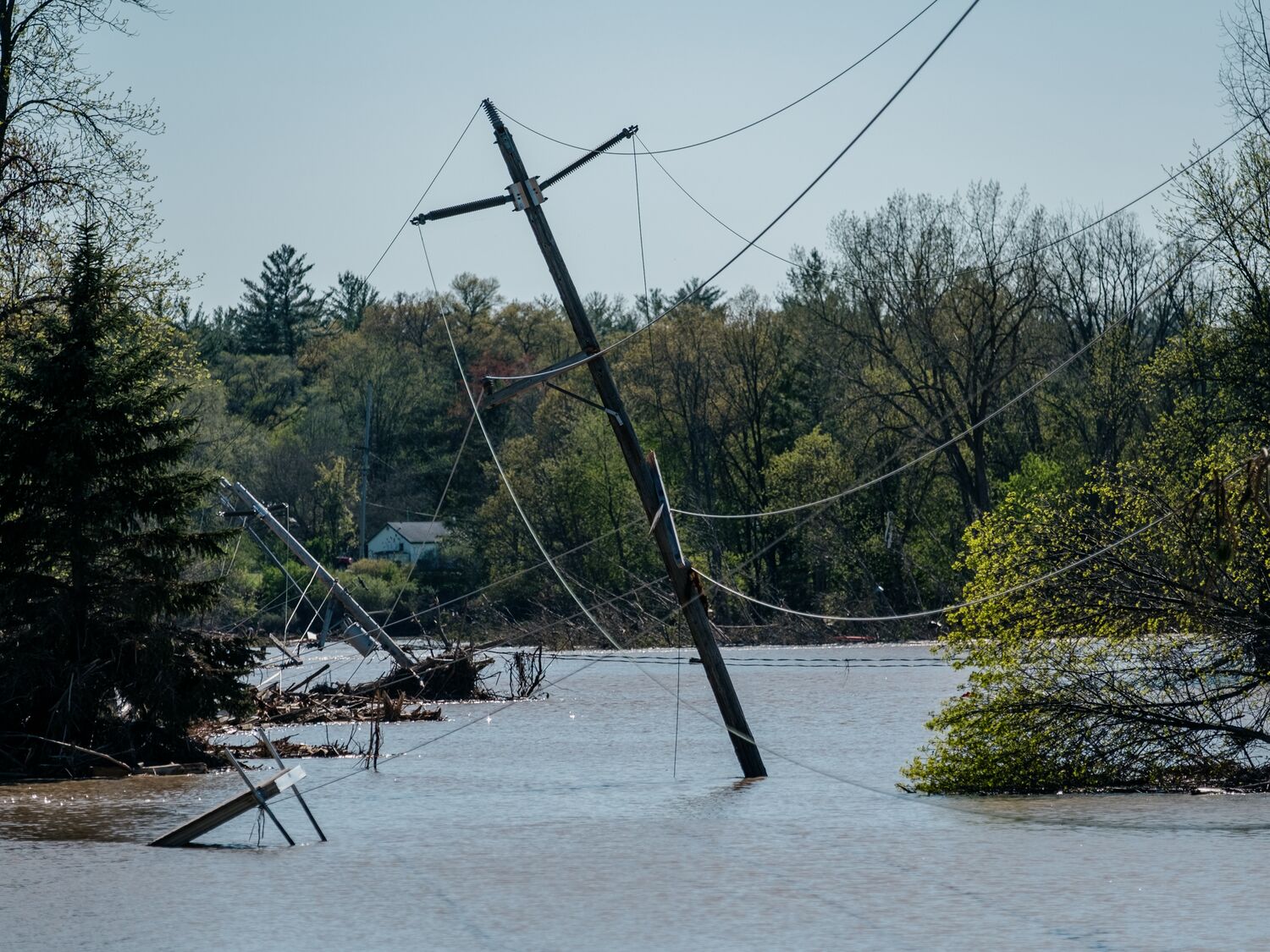
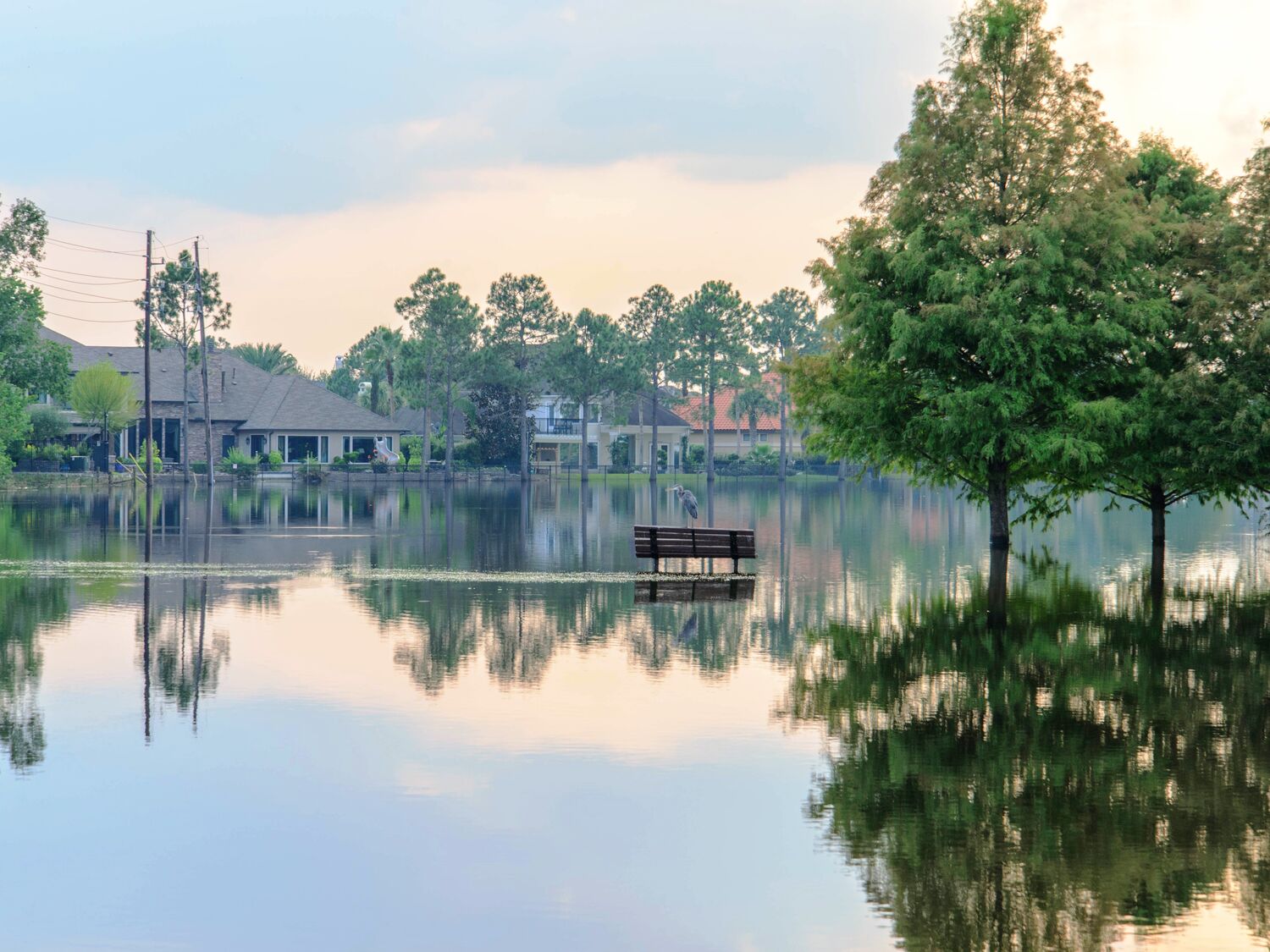
The Gulf region is a unique environment that highlights the connections between energy infrastructure and environmental conditions. The Gulf region is routinely exposed to increasingly destructive hurricanes, flooding, and land loss while housing billions of dollars in energy infrastructure including over 27,000 miles of pipelines, 3,500 offshore oil and gas structures, and tens of thousands of oil wells. The challenge of maintaining a suite of aging oil and gas infrastructure while simultaneously expanding new and related infrastructure in the region will play a central role in the region’s future economic prosperity. The Gulf Research Program (GRP) has been working alongside leaders in the region’s energy sector since 2013. Energy infrastructure has been a focal point for the GRP, particularly with respect to disaster preparedness and response. Between 2020-2021, the Gulf region was hit by seven major hurricanes and an unprecedented winter storm which resulted in major damage to energy infrastructure across several states. This prompted the GRP to conduct a consensus study on Compounding Disasters in Gulf Communities, which touched on the disproportionate and unequal exposure to environmental contaminants, toxicants, and other hazards experienced by Gulf communities that pose increased risks to human health when hurricanes, flooding, and other weather-climate events mobilize these toxicants to enter communities.
Additionally, the GRP has explored prevention, response, and recovery to offshore oil spills by hosting the 2021 Offshore Situation Room. In this activity, participants evaluated stakeholders’ collective capacity to prevent, respond to, and recover from a major oil spill in the Gulf. In 2022, the GRP convened a workshop focused on Investing in Resilient Infrastructure in the Gulf of Mexico where participants worked through two disaster scenarios in order to develop a process for prioritizing projects that would reduce the region’s vulnerabilities. In 2024, the GRP convened a group of federal and state regulators focused on addressing orphaned oil and gas wells to discuss the challenges associated with plugging wells in state and coastal waters.
The energy infrastructure landscape across the Gulf is changing. Plaquemines and Lafourche Parishes, like many other parishes and counties along the Gulf Coast, have developed or are developing major liquified natural gas (LNG) buildout projects. According to the Federal Energy Regulatory Commission, as of July 2025, there are five active LNG export terminals along the Gulf Coast. However, 15 additional LNG export terminals have been approved by the Federal Energy Regulatory Commission with six under construction and even more proposed to be developed. These facilities bring their own set of challenges to the energy infrastructure environment. LNG export terminals are built along waterways with easy access to shipping routes on land that are constantly under threat of flooding and erosion. LNG buildouts can cost more than $23 billion and bring major changes to an ecosystem through infrastructure expansion.
Building off the GRP’s experience exploring the impacts from disasters to energy systems, human health, and environmental health, the GRP’s energy unit is looking to take a systems-thinking approach to energy infrastructure. These energy systems are embedded in ecosystems, budgets, social networks, and educational institutions, and their impact can be felt with or without disaster.
Plaquemines and Lafourche Parishes offer two different approaches to managing energy infrastructure. By taking lessons from each, we can promote a resilient energy economy in the Gulf and prioritize the health of human and environmental systems that make the Gulf unique. Decisions made today about the flow of money, resources, jobs, and environmental protection related to energy infrastructure will have a lasting impact on the safety and resilience of hydrocarbon production and transportation for generations to come.
Featured Publication
Compounding Disasters in Gulf Coast Communities 2020-2021: Impacts, Findings, and Lessons Learned
Consensus Study Report
·2024
Experiencing a single disaster - a hurricane, tornado, flood, severe winter storm, or a global pandemic - can wreak havoc on the lives and livelihoods of individuals, families, communities and entire regions. For many people who live in communities in the U.S. Gulf of Mexico region, the reality of d...
View details