As Electricity Demand Grows and Risks Increase, Experts Examine How the Grid Can Keep Up
Feature Story
By Ron Warnick
Last update March 26, 2026
Electricity demand in the United States is increasing while the infrastructure needed to serve that demand is taking longer to build.
In a series of webinars hosted by the National Academies Forum on Informed Investment, Technology, and Policy Pathways for the Electricity System and Interdependent Energy Infrastructure, experts pointed to a growing gap between how quickly new demand is emerging and how long it takes to expand generation and transmission systems.
“You can build a data center in two to three years, but it might take at least seven years to build new or upgraded transmission facilities,” said Debbie Lew of the Energy Systems Integration Group and member of the organizing forum.
That gap is becoming a central challenge for utilities, system operators, and policymakers. Large new loads are arriving on accelerated timelines, while planning, permitting, and construction processes for grid infrastructure remain comparatively slow.
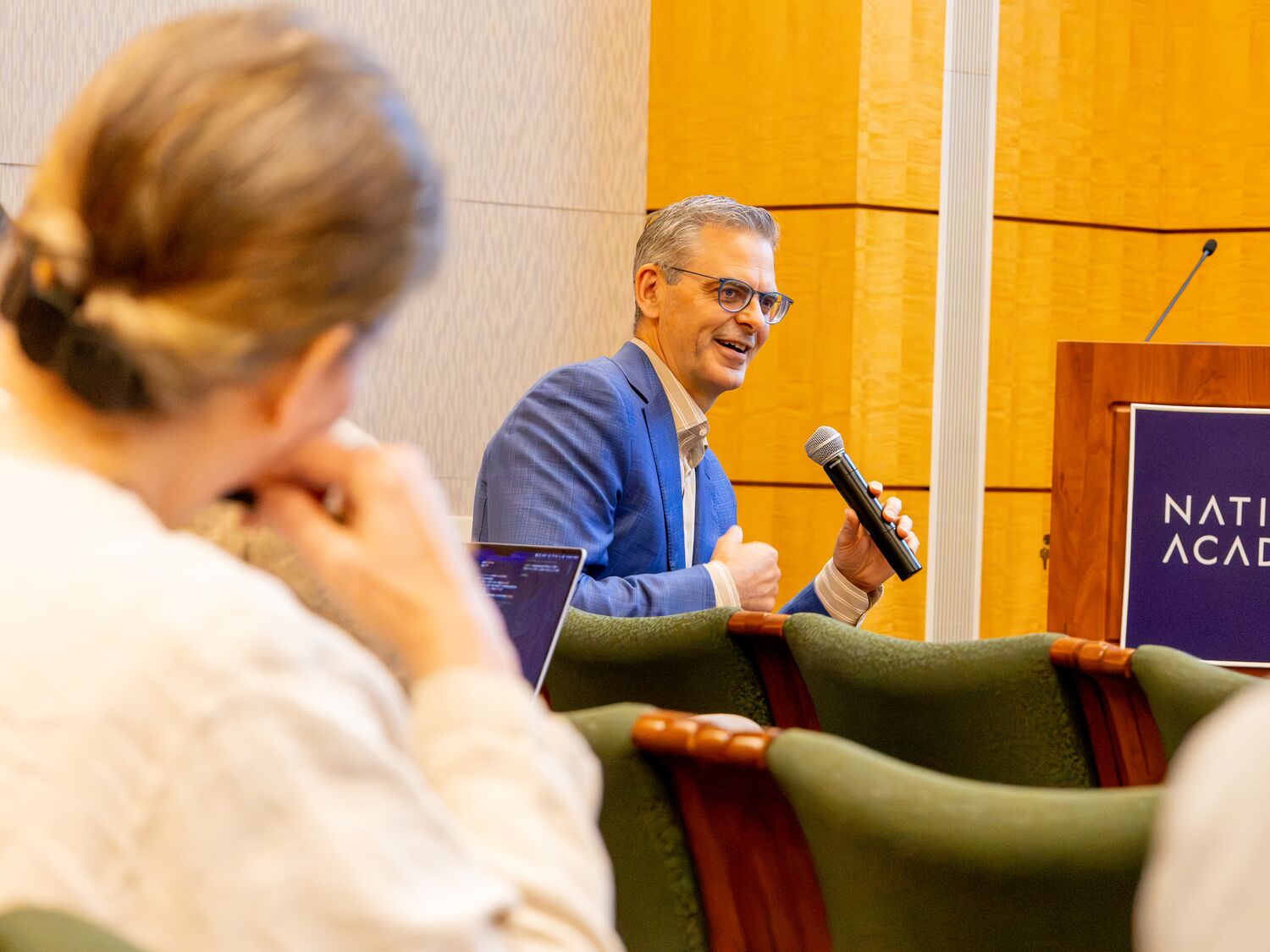
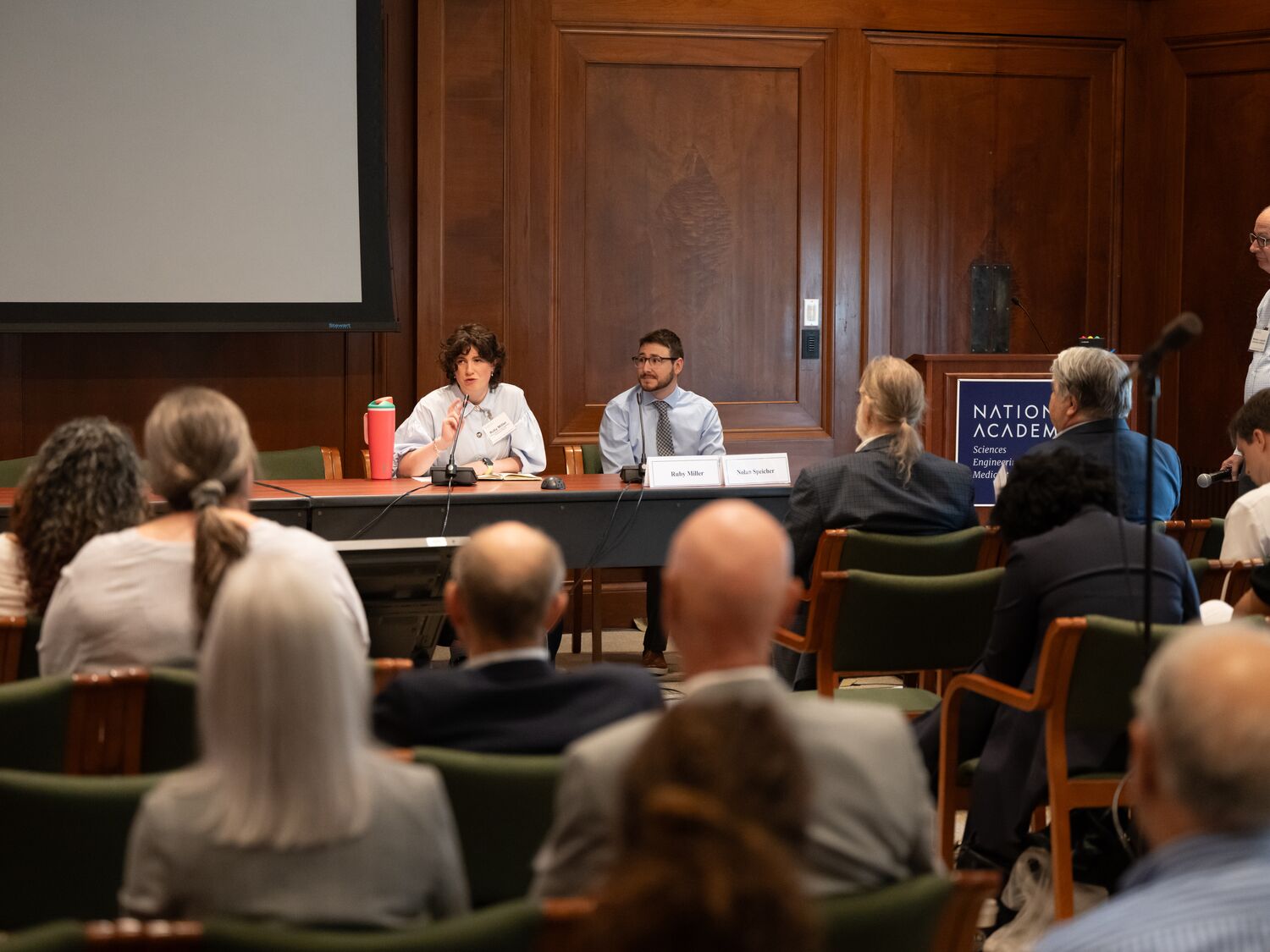
The National Academies’ webinars brought together leaders from across the electricity system to examine how the grid is adapting to these changes. Topics included the rise of co-located generation, efforts to strengthen transmission and distribution systems, and advances in control center operations.
Through the discussions, speakers described a system under increasing pressure from multiple directions: faster demand growth, more frequent and severe disruptions, and greater complexity in how the grid is operated.
Large Loads Are Arriving Faster Than the System Can Respond
Much of the recent growth in electricity demand comes from large, concentrated sources, particularly data centers that support artificial intelligence and cloud computing.
These facilities are not only increasing in number, but also in scale and speed of deployment. At the same time, the systems needed to serve them—generation, transmission, and distribution —are facing constraints.
“The size and the speed of this load growth really impacts resource adequacy,” Lew said. “We’ve got load growing very quickly and supply being challenged these days to keep up.”
Several factors are contributing to that imbalance. Existing generation resources are retiring in some regions, while new resources face delays due to interconnection backlogs, supply chain constraints, and rising capital costs. Together, these pressures are making it more difficult to ensure that sufficient supply is available when and where it is needed.
Historically, electricity demand has grown gradually, allowing planners to align infrastructure investments with expected needs. In contrast, many of today’s large loads are being developed on compressed timelines, creating new challenges for system planning.
In response, some developers and utilities are exploring ways to co-locate generation with large loads. These arrangements place power resources—such as natural gas generation, nuclear reactors, renewable energy, or storage—directly next to facilities like data centers.
In some cases, co-located systems remain connected to the broader grid, allowing them to draw from or contribute to system resources. In other cases, they operate more independently, reducing reliance on transmission infrastructure that may be constrained or slow to expand, but also potentially removing them as an asset to help the grid during times of strain.
Speakers agreed these approaches can help address near-term challenges, particularly where transmission capacity is limited or timelines are tight. However, they also emphasized that co-location introduces new complexities.
“It’s a term I have to say, I don’t particularly like because I think it does mean so many things,” said Abe Silverman of Johns Hopkins University.
The term “co-location” is being used to describe a range of configurations, from tightly integrated generation and load to more loosely connected systems. This variability makes it difficult to apply existing regulatory frameworks and market rules consistently.
As a result, questions are emerging about how these resources should be treated in planning processes and wholesale markets, and how their costs and benefits should be allocated.
Speakers also highlighted potential risks associated with building infrastructure to serve large, uncertain loads.
“All of a sudden we have transmission investment that was made on behalf of customers that has basically become stranded and is socialized across all customers on the grid,” said Silverman.
This concern reflects a broader issue: the difficulty of planning for loads that may change significantly over time. Data centers, for example, may scale their operations, improve efficiency, or relocate, affecting how much electricity they ultimately consume.
At the same time, assumptions about flexibility may not hold in practice.
For many data centers, the value of continuous operation is high, limiting their ability or willingness to reduce consumption in response to grid conditions.
“The value of the services that’s provided is so high that far exceeds any kind of compensation you could get from the energy market,” said Debbie Lew.
This suggests that large loads may not provide significant demand-side flexibility, placing more emphasis on supply-side solutions and infrastructure expansion.
Speakers also noted that the policy and regulatory landscape is evolving alongside these changes.
“One of the reasons that data center regulation is so complicated is it really implicates a couple of different pieces of the Federal Power Act,” said Silverman.
In some cases, coordination across jurisdictions may be needed to address these challenges. Taken together, these dynamics are reshaping how demand is understood and managed within the electricity system.
Hardening the Grid Has Limits and Tradeoffs
In addition to growing demand, the electricity system is facing a broader set of risks.
Speakers pointed to the increasing frequency and severity of extreme weather events, as well as ongoing challenges related to aging infrastructure, cybersecurity, and physical security.
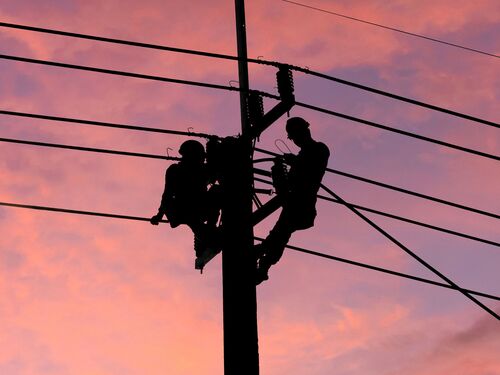
Utilities and system operators are responding with a range of strategies to strengthen transmission and distribution systems. These include physical upgrades, such as reinforcing poles and wires, undergrounding lines in high-risk areas, and improving vegetation management to reduce the likelihood of outages.
Advances in monitoring and communications technologies are also improving visibility into system conditions, allowing operators to identify and respond to problems more quickly.
However, participants emphasized that hardening alone cannot address all of these challenges.
“We cannot fix reliability and resilience by only hardening and modernizing the grid,” said Alison Silverstein, an independent consultant. “It’s too slow, it’s too costly, and there isn’t enough that we can get done to protect the grid against all of the threats.”
“Physically and financially, we cannot harden against everything,” Silverstein added.
These constraints are leading to a broader view of resilience—one that includes not only infrastructure investments, but also operational strategies and community-level approaches.
“We need to use a broad toolkit with the intention to shelter and harden people and communities against multiple threats,” Silverstein said.
Another important point raised during the discussion is that many reliability challenges originate at the local level.
“We also know that 90% or more of customer outage events and the duration of these events are caused by problems at the distribution level, not on the bulk power system through transmission and supply,” said Silverstein.
This highlights the importance of the distribution system, which is often less visible than large transmission projects but play a critical role in delivering electricity to customers.
Investments in distribution infrastructure can be complex and resource-intensive, particularly as systems become more interconnected and incorporate new technologies.
At the same time, speakers emphasized that all resilience investments involve tradeoffs.
“Grid solutions are neither cheap, easy, nor fast,” said Silverstein.
Utilities and regulators must decide where investments will have the greatest impact, balancing costs with the need to reduce risk and improve reliability.
In some cases, this may involve prioritizing critical infrastructure or focusing on areas with the highest exposure to specific threats, such as wildfires or severe storms.
Control Centers Are Adapting to a More Complex System
As the physical system changes, so does the challenge of operating it in real time.
Control centers—where grid operators monitor and manage system conditions—are adapting to a growing volume of data and a more diverse set of resources.
“A control center really involves a whole village of people, both on-the-floor and off-the-floor, who have to support those operations,” said Elliot Mainzer of the California Independent System Operator.
Operators rely on a combination of tools, processes, and coordination to maintain balance between supply and demand, often making decisions on very short timescales.
Advances in sensing, communications, and computing technologies are providing operators with more information than ever before. Artificial intelligence and machine learning are beginning to play a role in analyzing that information and identifying patterns.
“AI can really enable smarter operation,” said Ying Zhang of Oklahoma State University.
At the same time, speakers emphasized that these tools must be used carefully, particularly in environments where reliability is critical.
“Many AI models are black box which makes them very hard to trust and hard to explain, especially to system operators,” Zhang said.
Because control centers are responsible for maintaining system stability in real time, new technologies must be thoroughly tested and validated before they are deployed.
“As an industry, we have tried to rush innovation into the control center—but the control center can be a very dangerous place to innovate,” said Matthew Gardner of Dominion Energy.
“You’re not going to put beta products … in front of operators who are making real-time decisions on how you operate the bulk electric power system,” Gardner added.
The system itself is also becoming more complex to manage.
Newer resources, such as wind, solar, and battery storage, behave differently from traditional generators. In particular, inverter-based resources do not provide the same physical inertia, which can affect how the system responds to disturbances.
“Inverter based resources do not bring the same type of inertia to the grid,” said Elliot Mainzer.
At the same time, new forms of demand—particularly from data centers—can introduce rapid and sometimes unpredictable changes in load.
“Such sharp AI load consumption in data centers has been witnessed to challenge the responsiveness of today’s power systems,” Zhang said.
These dynamics are increasing the complexity of grid operations and placing greater demands on both technology and human decision-making.
A System Under Transition
Across the three webinars, speakers described an electricity system undergoing significant change.
Demand is growing, but not evenly. Risks are increasing, but not uniformly. Technologies are advancing, but not always in ways that are easy to integrate.
These changes are occurring at the same time, creating new challenges for planning, operations, and coordination.
“The conversation has really shifted … into costs associated with meeting and keeping resource adequacy,” said Abe Silverman. Addressing these challenges will require coordination across utilities, system operators, regulators, technology providers, and large customers, as well as continued investment in infrastructure and new technologies.
The series was moderated by leaders from across the electricity sector, including Debbie Lew of the Energy Systems Integration Group, Mark Lauby of the North American Electric Reliability Corporation, and Jeff Dagle of Pacific Northwest National Laboratory, reflecting a range of perspectives involved in these emerging issues. While the discussions did not point to a single solution, they highlighted the importance of adapting to a system that is changing in multiple ways at once—and of planning for a future that may be less predictable than in the past.