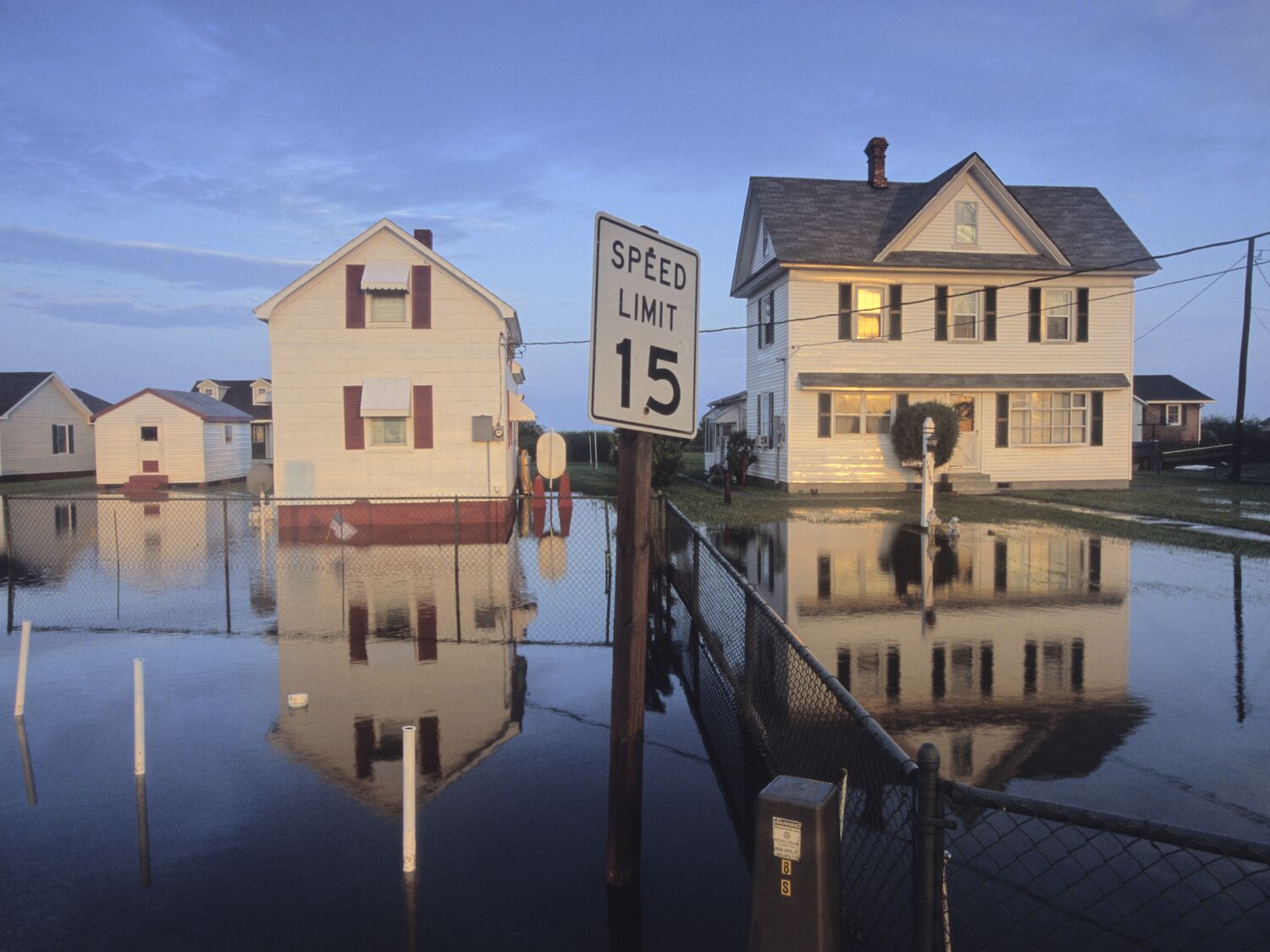
Protecting Health Before, During, and After Wildfires
Program News
By Sam Gerard
Last update September 3, 2026
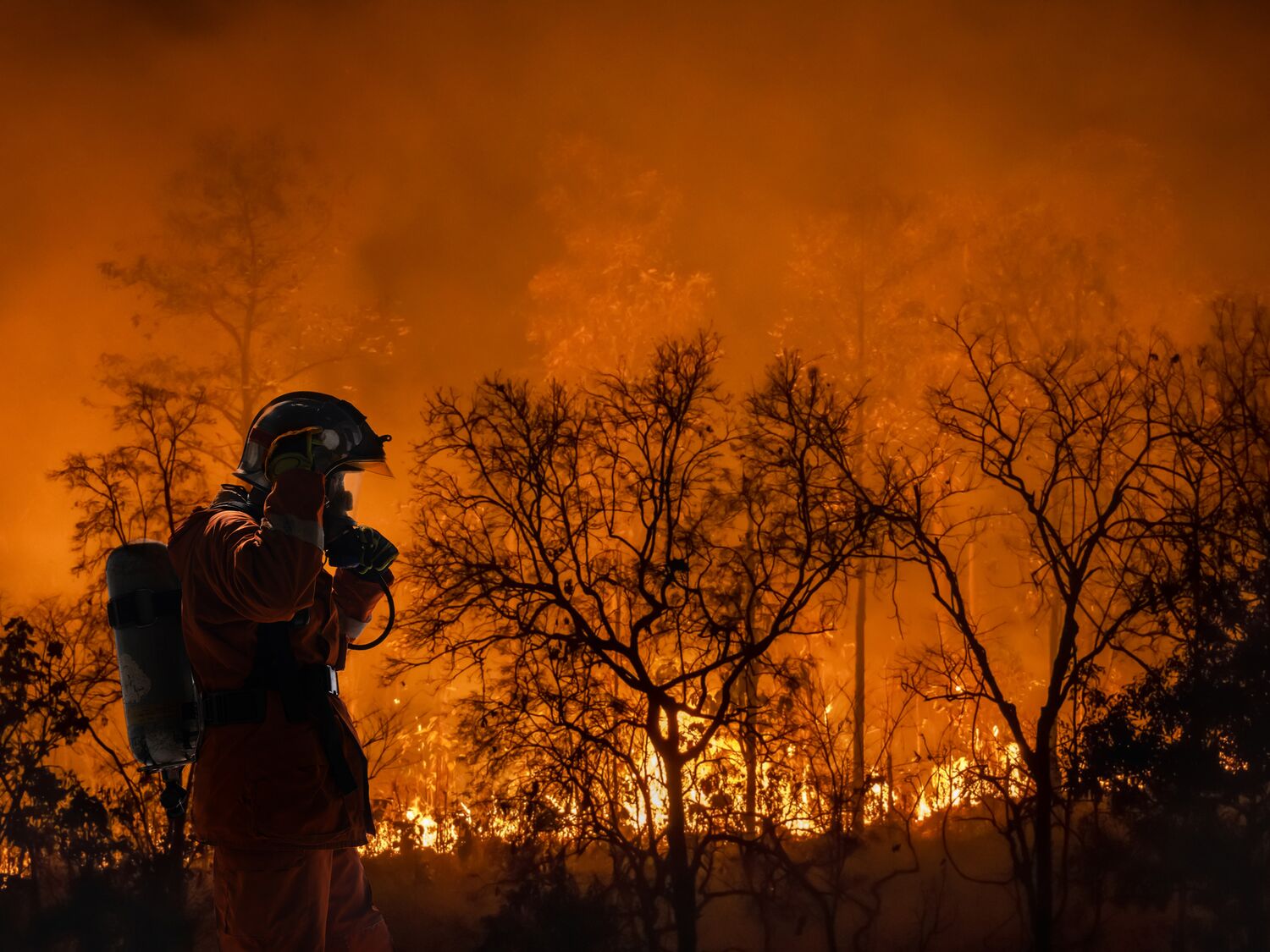
For the Webinar Series on Wildfire Preparedness, Response, and Recovery: Health System Resilience in the Era of Complex Wildfire Risk
What can health institutions do differently to mitigate harm from the next wildfire emergency?
As communities across the United States continue to confront severe wildfire seasons, they are facing challenges beyond where the fire stops. Recent fires in the Pacific Northwest have forced large-scale evacuations and strained emergency response systems, while smoke from Canadian wildfires has traveled hundreds of miles southward to degrade air quality across the Midwest, Mid-Atlantic, and Northeast. At the same time, communities affected by previous disasters in states such as California, Hawaii, Colorado, Oregon, and New Mexico continue efforts to rebuild homes, restore services, address environmental contamination, and support physical and mental health.
These overlapping obstacles underscore an important shift in how to understand wildfire preparedness. It is no longer only about preventing and suppressing fires. It increasingly requires strengthening health systems and communities before disasters occur, maintaining continuity of care during emergencies, and supporting recovery long after the smoke has cleared.
Recognizing wildfires as an increasingly complex public health and health care challenge, the National Academies’ Forum on Medical and Public Health Preparedness for Disasters and Emergencies convened a webinar series this summer on wildfire preparedness, response, and recovery. The series brought together experts from health care, emergency management, environmental science, engineering, academia, nonprofit organizations, government agencies, and affected communities. By connecting research, policy, operational experience, and community perspectives, the wildfire series explored practical and collaborative approaches for protecting health across the entire disaster cycle.
Throughout the webinars, speakers discussed how communities could collaborate on health mitigation strategies before facing wildfire smoke or poor air quality, such as preparing hospitals and health care systems to maintain continuity of care.
“With any public health intervention, preparedness is always the first step,” commented Christina Rust, a wildfire policy specialist from the National Fire Prevention Association. “We’re looking at how to establish consistent baseline measures of fire risk that focus on the threat of fire to people, built infrastructure, and the economy, and in a way that we can make this accessible to all essential stakeholders who need to make decisions based on data-driven intelligence.”
The health implications of wildfires are also more complex than previously speculated. Smoke and poor air quality can affect communities far beyond an active fire, while communities directly in a fire’s path may face displacement, disruptions to health care, contamination of homes and water systems, interruptions in access to medications, and long-term physical and behavioral health effects.
“Health systems have a vital role in helping reduce risks of wildfires across their communities using a population health approach,” said Reshma Gupta, chief of Population Health and Accountable Care at UC Davis Health.
Populations such as children, older adults, pregnant people, and medically complex patients can face harsher risks due to wildfires. Telecommunication innovation can support alert networks that can provide expedient guidance to vulnerable populations.
“By leveraging technology, [health systems] can alert all patients of wildfire season starting and provide general wildfire preparedness education and resources,” Gupta added. “Health systems can add additional layers of outreach for high-risk patients by automating real-time alerts based on the level of air quality in the region and individualized care management that includes creating patient action plans that guide them how to adjust medications and when to come in for help.”
The wildfire poses immediate danger, and preparing for the crisis can be complicated by the occupational risks to firefighters and other responders, as well as health care supply chains and medication access disruptions, behavioral health risks, displacement, and the challenges posed by toxic exposures from fires at the wildland-urban interface.
Recovery emerged as an equally important throughline in the health preparedness continuum. Recovering from wildfire involves more than rebuilding structures. Communities may need to understand and address health risks for months or years after flames are extinguished.
“Many public health departments and agencies need to know how to help a community recover, but evidence-based decision-making guidance is lacking. That’s what we’re changing,” said Andrew Whelton, a sustainability and environmental engineering professor at Purdue University. “Empowering people with knowledge, such as these resources to understand hazards and recover from wildfires can help health institutions, wildfire survivors, and businesses bounce back safely and rapidly from disasters.”
These discussions build on a broader body of National Academies work examining the interconnected dimensions of wildfire risk. Previous research has addressed inhalation hazards, air pollutants across the United States, and the unique chemistry and potential health implications of fires at the wildland-urban interface.
Wildfires are increasingly public health emergencies that demand coordinated action across health care, public health, emergency management, engineering, environmental science, and community organizations. No single sector can address the full range of consequences alone.
“If you can’t affect the probability, you can certainly affect its consequence,” Whelton noted.