What to Know About the Current State of Bird Flu in the U.S.: A Conversation with Shawn Gibbs
Feature Story
By Sam Gerard
Last update May 22, 2026
Bird flu, known as H5N1, has recently caused serious outbreaks in poultry and U.S. dairy cows. Cases in humans are still relatively rare, and the virus has not yet been known to spread between humans, but farm workers have contracted the virus after close, prolonged, and unprotected contact with infected animals.
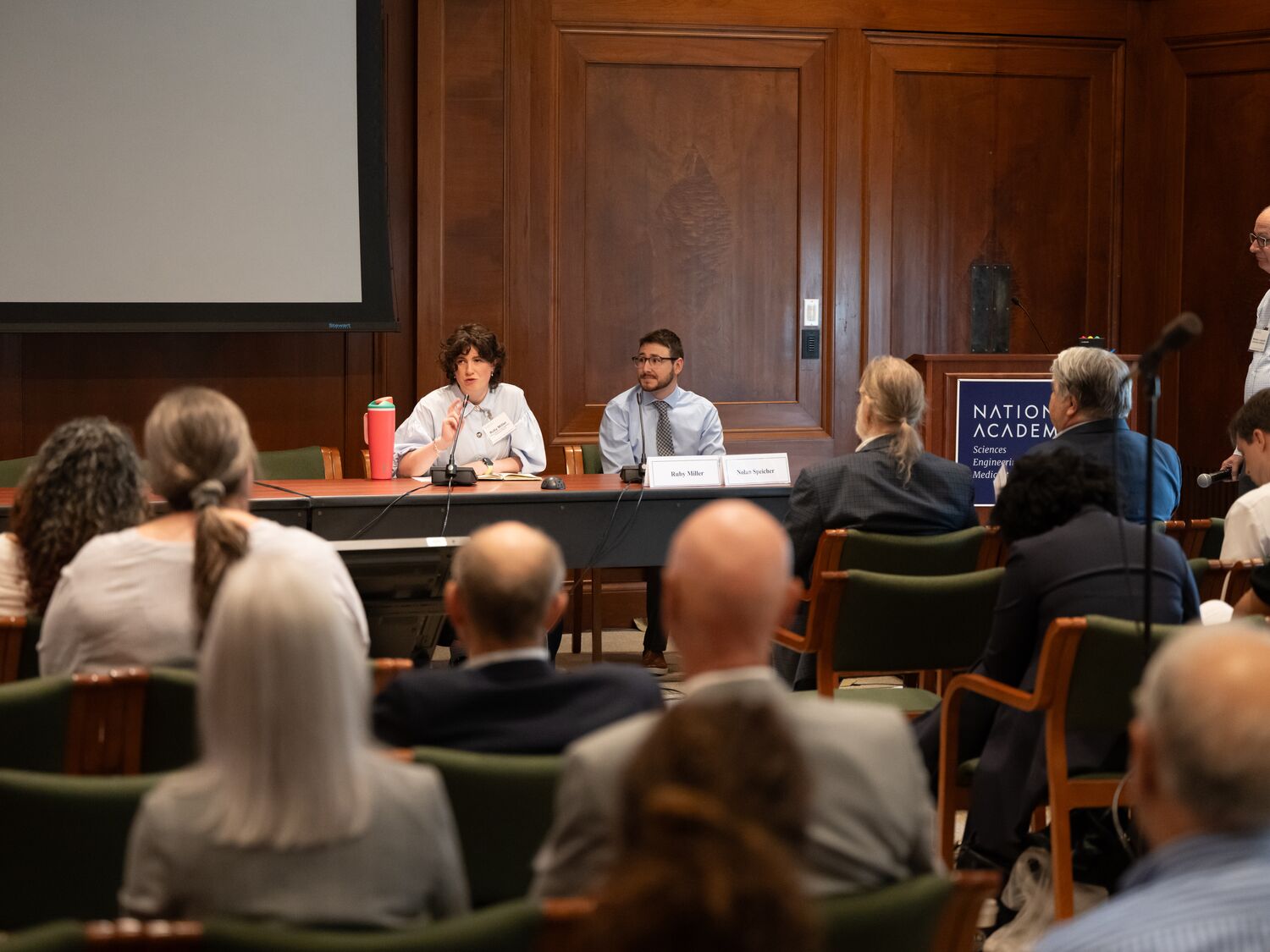
As summer approaches, infectious diseases such as H5N1 can spread more easily, which can increase the likelihood of mutations and more dangerous cases of illness in humans. We caught up with Shawn Gibbs, dean of the Texas A&M University School of Public Health, to get his thoughts on what should be done to mitigate exposure risks. Gibbs was chair of a National Academies workshop on H5N1 that focused on protective gear for farm workers.
What is the current risk of an H5N1 outbreak in the U.S., and how concerned should we be?
Gibbs: We’re already witnessing H5N1 outbreaks in dairy cows and bird flocks all around the country. But right now, we’re fortunate that most human cases of H5N1 are associated with farm workers who have only had mild symptoms and are younger and healthier. So, people are not taking this seriously, which increases the potential for illness to move into the community. And the more people that a virus infects, the more likely it is to mutate.
Identifying and reporting these outbreaks can be one of the bigger obstacles to rein in an epidemic before it occurs. However, not everyone will be actively testing their workers for H5N1, and working while sick is very common. A lot of farm workers don’t actively seek care or treatment unless it’s a catastrophic or a near-catastrophic case because they don’t want to stop working and lose income.
What other species might be affected?
Gibbs: The virus is working [its way] through poultry, and now through dairy cows — which is something that we haven’t seen until the past few years. This created a lot of consternation with both practitioners and researchers as to where we may see more disease exposure.
Workers must also be trained on how they interact with other animals that may not be clear carriers of H5N1 — such as rodents and cats. We’ve seen a lot of farm cats dying from H5N1.
And we just don’t have good surveillance on what this is doing in the farm worker population and what it’s doing in the general human population.
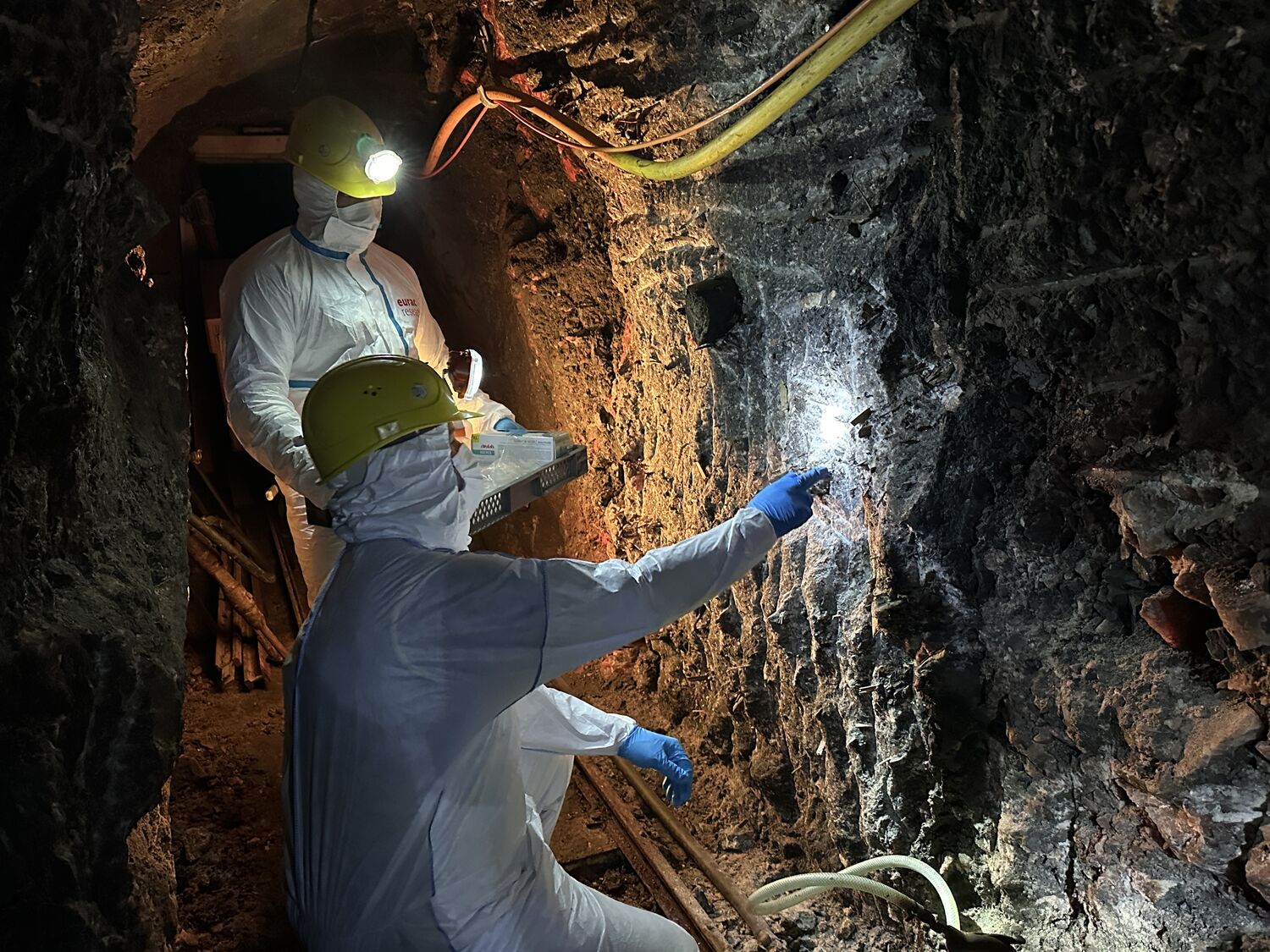
Farm workers can protect themselves with personal protective equipment (PPE) such as masks, gloves, and goggles. But a lot of workers are reluctant to use all that gear. What could be done to encourage them?
Gibbs: Imagine wearing a N95 filtering face mask and goggles while working in a farm setting. Your biggest concern is, “If this animal steps on me, it will break my foot, [and] I won’t be able to work or get paid.” Wearing the PPE not only can make you uncomfortable, it may impact your situational awareness and make it harder to avoid being stepped on. But if you don’t wear the N95 filtering face mask and goggles, you may get sick. In that moment, that trade-off feels more practical to protect your short-term health than for you to protect your longer-term health, or even public health in that community.
We need to facilitate innovation around PPE. We need to develop PPE that’s more comfortable, doesn’t fog up, is easier to use, and can be maintained on the facility. Right now, this kind of equipment doesn’t exist, and if it did, it’s not cost-effective. Another major barrier is the behavioral stigma around PPE use — we need to convince farm workers to use PPE and show them how to use it so it does not negatively impact their ability to work.
How should we prepare for the possibility that H5N1 becomes endemic in livestock?
Gibbs: Now that H5N1 has gone through dairy facilities several times, producers recognize and treat it and do their best to isolate and prevent exposure. At this point, dairy producers are now dealing with H5N1 as a somewhat-known entity, and some likely on an annual basis — which can negatively impact public health and the nation’s ability to understand what’s happening because they aren’t necessarily reporting it like they did when it first appeared.
Producers aren’t doing anything wrong. Just like you and I aren’t going to the doctor for the flu each time we get sick, producers know dairy cows can be treated and survive, so they are less likely to report it. In birds, they essentially have to depopulate the entire flock, whereas in cattle, they treat the cattle and keep them away from the other livestock.
They have pretty good systems in place to treat the dairy cows or to depopulate the poultry. However, we are still missing good monitoring systems for both animals and humans that can be implemented in conjunction with industry.
How can local health departments build trust with farm owners and workers so that reporting can be improved and outbreaks can be prevented?
Gibbs: Public health organizations across the country need to prioritize building trust within these communities and partnering with organizations such as agriculture extension (the network of research institutions, universities, and local governments that support farm performance and rural development) that are already valuable, trusted partners to many in these communities. Working more with them can support stronger response to potential outbreaks.
If there were funding and support for it, either from the state or the federal level, then that’s money well invested in our future, because H5N1 exposure poses a national security issue. Feeding the population is incredibly important. We want to make sure that we can continue to do that — and a major part of that means healthy animals, healthy workers, and a healthy environment.
What are the most important steps to contain H5N1 going forward?
Gibbs: A major risk around H5N1 is that it will not go away, but it can be forgotten about. As a general population, we need to ensure we continue monitoring, because while the virus isn’t having huge negative impacts on affected workers, the virus will still be here. If it were to get into the general population, which has more vulnerable and susceptible individuals, we would likely see more adverse health impacts. Also, in a larger population, it could be more likely to mutate.
We must figure out a system to monitor infections in farm animals and workers that will be palatable to the producers, workers, and overall communities so everyone feels empowered to share information. With an appropriate system, we can continue to protect the health of the animals, the workers, and the communities.