The Future of Air Traffic Control: Human Operators and Automation (1998)
Chapter: Index
Index
A
Accountability, 226
for air safety, 1
in four-dimensional contracts, 177
Action implementation
in automated conflict resolution, 164-165
degree of uncertainty in, 16
level of automation, 3, 14, 243-244
recommendations for, 3, 243-244
Action selection
automation concerns, 240-241
continuum of automation, 14-15, 16, 243
explication of intention, 30
information acquisition vs., 14
Actions interpreter, 55
Adaptable automation, 39-40, 43
recommendations for, 244-245
Adaptive automation
adaptable operations, 39-40, 43
definition, 38
operation of, 39
potential limitations of, 43-44
task partitioning, 39
Advanced automation system, 187
Advanced oceanic automation system, 66, 99
Air route surveillance radar, 86
Air route traffic control center
flight strip distribution, 118, 119
technical evolution in, 120
Air traffic control interfacility data communications, 66
Air traffic control system
components, 225
failure recovery model, 23
flight management system compatibility, 117, 118
function, 1
operational goals, 226-227
Air Traffic Control System Command Center, 64
Airborne information for lateral spacing, 145-147
Aircraft target identification system, 150
Airport movement area safety system, 148-150
Airport surface detection equipment, 148
Airport surface traffic automation, 150, 217
Airport surveillance radar, 86
airport capacity and, 179
automation effects, 23
Airspace complexity, 3-4, 23, 245
Airspace density, 3-4, 23, 245
Airways facilities specialists, 64
Alarm design, 32-33
aural advisory, 128
in precision runway monitor/final monitor aid, 143
traffic alert and collision avoidance system, 128
Approach spacing, 139
precision runway monitor/final monitor aid, 139-147
ARC2000, 165
Area navigation, 113
Aural advisory, 128
in precision runway monitor/final monitor aid, 143, 147
Authority structure
for automated certification of maintenance, 196, 197-198
center TRACON automation system and, 163-164
expectations for human-centered automation system, 241
for four-dimensional contracts, 175-176, 177
for free flight, 225, 227, 232, 234-235, 258
for maintaining separation in human-centered automation, 239-240
management of human factors program, 220-224
precision runway monitor/final monitor aid and, 143, 145
recommendations for, 6-7, 246-247, 257-258
residence, 5-6
shifts in perceived authority, 227
for surface movement advisor program, 182
traffic alert and collision avoidance system, 132
Automated radar terminal system, 67, 87, 88
display, 120
in flight information processing system, 118
HOST processor and, 120
implementation, 215
pilot-controller communications, 125
reliability, 125
team functioning, 126
technical evolution, 120-121
training requirements, 124-125
workload requirements, 124
Automated surface observing systems, 66, 97
Automated weather observing systems, 66, 97
Automatic dependent surveillance, 95-96
B
Blackboard systems, 53-54
C
Capacity maturity model, 21
Center TRACON automation system, 36
adaptive automation, 41-43
cognitive task analysis in, 160-161
communications load, 162
compatibility with other systems, 217
complacency effects, 163
computational modeling of systems integration, 207
conflict probe in, 164-165
descent advisor, 157-158
final approach spacing tool, 158
functionality, 156
historical development, 159
human factors in implementation, 159-160, 212
mode errors, 162
organizational issues, 163-164
recommendations for, 255
simulation studies of systems integration, 208
skill degradation risk, 163
traffic management advisor, 157
training for, 161
user trust, 162-163
workload effects, 161
Central weather service unit, 99
Certification of maintenance operations, 187-188
conceptual trends, 188
Civil Aeromedical Institute, 220
Coding skills, 37-38
Cognitive processes
auditory communication, 102
in automated ground collision avoidance systems, 153
automation applications, 64-65
in center TRACON automation system, 160-161
coding, 37-38
communication processes, 103-104
complacency in failure detection, 30-31
handling of paper flight strips, 121-122
human factors task analysis, 213
in maintenance operations, 190-193
mental model of automated processes, 28-29
in precision runway monitor/final monitor aid, 141-142
principal activities of air traffic control, 64
skill degradation in automation, 36
skills for automated environments, 37-38
in traffic alert and collision avoidance system, 130
in use of converging runway display aid, 136
in use of data link technologies, 104-105
visualization, 48
See also Decision making;
Information acquisition;
Situation awareness
Collision avoidance systems
global positioning system applications, 91
prospective automated systems, 127.
See also specific system
recommendations for ground operations, 254
Combining systems
compatibility concerns, 217-218
computational modeling, 207
error-inducing risk, 218
human factors issues, 154, 182-183
recommendations for research, 261
simulation studies, 208
testing needs, 218
Communications technologies
automated radar terminal system, 125
automatic dependent surveillance-broadcast mode, 101, 250
bandwidth issues, 100-101
collaborative virtual environments, 59-60
current limitations, 102
flight management system, 112, 115-116
groupware, 60
human cognitive factors, 103-104
message gating, 109-110
pilot party-line communications, 108
spatial video conferencing, 59
voice loops, 58-59
voice switching and control system, 67-68
See also Data link technology;
Flight information presentation;
Graphic displays
Complacency
in flight management system aircraft, 116
overtrust of automation, 30-32
in use of center TRACON automation system, 163
Computational modeling, 206-207
Computer-assisted cooperative work
advanced groupware, 60
communication applications, 58-59
distinctive features, 57-58
goals, 56-57
research needs, 60-61
shared space approaches, 59-60
Computer-oriented metering planning and advisory system (COMPAS), 158-159, 165
Computer technology
for automation, 12
availability, 244
decision aiding systems, 50.
See also specific system
historical development in air traffic control, 120
limitations of decision aiding systems, 50-51
for runway management, 135-136
for training, 184-186
visualization technologies, 48-50
Confidence estimates, 15-16
Conflict avoidance
on the ground, 147-155
pilot maneuver selection in free flight, 236
Conflict probe
display, 164
features, 164
function, 164-165
mode errors, 170
prospects, 255
Conflict resolution, 3, 243-244
controller skills for, 37-38
decision making aids, 165
intent inferencing technologies for, 56
negotiation theory, 237
user request evaluation tool for, 165-167
Controller skills, 64
collaborative problem solving, 13
degradation in TCAS, 133
for future automation, 37-38
for maintaining separation between aircraft, 37
strengths, 12-13
vulnerabilities, 12
Controller-to-pilot data link, 66
Converging runway display aid
cognitive task analysis in, 136
communications needs, 137
functionality, 135
historical development, 135-136
implementation, 136
mental models, 138
mode errors, 138
organizational effects, 137
prospects, 138-139
recommendations for, 253
skills degradation risk, 138
training for, 137
user trust, 138
workload issues, 137
Cost-effectiveness design, 213-214
recommendations for research, 248
D
Data entry
flight information processing systems, 124
for integrated displays, 123
Data link technologies
automation issues, 109-110
current status, 102
features and functions, 101-102
in flight management system, 109
for four-dimensional contracts, 175
ground use, 108-109
human factors implementation, 102-103
human factors issues, 103-109
message gating, 109-110
multiple-task performance and, 106
potential communication errors, 106-108
rationale, 102
recommendations for, 250-251
simulation studies, 208-209
team functioning, 108
transmission time, 104-105
workload issues, 105-106
Decision making
in adaptive automation, 39
automation concerns, 50-51, 240-241
collaborative skills, 13
computer technologies for aiding, 50, 165, 249.
See also specific technology
controller strengths, 12-13
levels of automation for, 14, 243
potential problems of automation, 38-49
recommendations for automation implementation, 3, 243-244
residence of authority, 6
team functioning, 46
Decision threshold, 32-33
Dependence on automation, 30
Descent advisor, 157-158
Design
alarms, 33
cost-effectiveness criteria, 213-214
decision making process, 213-214
emergency recovery considerations, 5
FAA human factors guidelines, 219
harmonization of multiple systems, 217-218
human factors considerations, 1-2, 203
human factors specialists in, 8, 212
incremental development, 214
integrated interfaces with automation, 123-124
integrated product teams, 211-212
maintenance control center human-computer interface, 189
presentation format, 121-122
prototyping, 212-213
recommendations for future national system, 258
recommendations for process, 7-8, 259, 260
research linkage, 203
significance of flight strips, 121, 122, 124
subsystem development, 217
system failure considerations, 44
user involvement, 211, 212, 213
See also Research
Direct user access terminal system, 66, 100
Display system replacement, 65, 67, 99, 187, 217
Dynamic ocean tracking system, 66
E
Efficiency, 2
data link technologies, 103
free flight effectiveness, 232-233
free flight rationale, 228-229
goals for air traffic control, 226-227
goals of automation, 11-12
limitations of current system, 174
source of inefficiency in aviation, 228
Electronics specialists, 193-194
Event tree analysis, 17-18
Exemplar-based decision making, 53
Expert systems, 51-52
F
Failure detection
complacency in, 30-31
gradual failures, 31
rare events, 30-31
Failure recovery
automation effects, 3-4, 23-28, 245
conflict probe failure, 173
design considerations, 5
determinants of, 4
human-centered automation, 240
interactive planning tool concerns, 255
model of air traffic control, 23
recommendations for research, 4-5, 245, 246
response time, 25-28
system design considerations, 44-45
trust of automation as factor in, 29-34
See also System failure
False alarms, 32-33
in automated radar terminal system, 125
precision runway monitor/final monitor aid, 144
in traffic alert and collision avoidance system, 130-131, 132-133
Familiarity of systems, 30
technique, 17
Federal Aviation Administration
automation of maintenance tasks, 187, 189
commercial/nondevelopmental acquisitions, 219
ground safety policy, 147-148, 149, 154
human factors guidelines, 219
human factors research in, 203-204, 220-221
laboratory research, 208
maintenance operations certification, 187-188
proposed research program, 221-224
recommendations for, 7-8, 259-260
surface movement advisor project, 179
zero accident policy, 11
Field testing
advantages of, for human factors research, 209-210
application, 209
information acquisition, 210
methodological concerns, 210
multiple systems, 218
Filtering of information, 15
Final approach spacing tool, 158
Final monitor aid. See Precision runway monitor/final monitor aid
Flight data input/output computer system, 66, 119
Flight data processor, 118
Flight information presentation
airborne information for lateral spacing, 146
descent advisor, 158
expectations for human-centered automation system, 241-242
in four-dimensional contracts, 178
free flight cockpit display, 230, 236
integrated displays, 123-124
prospects, 248-249
significance of flight strips, 121-122
transition to electronic displays, 122
See also Graphic displays;
Visualization technologies
Flight information processing
en route and terminal, 124-126
human factors issues, 124-126
primary elements, 118.
See also specific element
workload, 124
Flight management system
air traffic control system compatibility, 117, 118
autoland feature, 113
crew coordination issues, 115-116
with data link communication, 109
display units, 114
error management, 116
functionality, 111-112
hardware, 111
history, 112-113
human factors issues, 113-118, 251
job satisfaction issues, 116
pilot complacency, 116
pilot mode errors, 35
recommendations for, 251-252
risk of catastrophic failure, 117
training and proficiency maintenance, 116
workload effects, 114
Flight path planning
consistent mental model of airspace, 240
free flight systems, 5
HOST processing, 118-119
pilot vs. dispatcher decision making, 236
technical evolution, 119-120
Flight service station facilities, 64
Flight services, proposed automation, 66
Flight strips
computer-assisted cooperative work, 57
electronic, 121
integrated electronic displays, 123-124
physical qualities, 122
recommendations for, 252
significance of, for system redesign, 121-122, 124
technical development, 120, 121
transition to electronic, 122, 252
Four-dimensional contracts
accountability, 177
display, 178
failure recovery, 178
functionality, 174-176
human factors issues, 176-178
prospects, 256
rationale, 173-174
recommendations for, 256
Free flight
air traffic control role, 231, 232
aircraft positioning technology, 230
alert zone, 230
authority structure, 225, 227, 232, 234-235, 258
characteristics, 12
components, 225-226
constrained/unconstrained airspace, 231
controller workload, 235-236
current airspace characteristics, 229
current implementation, 5
current research activity, 228
definition, 1
equipment needs, 234
goals, 225
historical development, 228
horizontal, 229
implementation considerations, 237
information distribution, 225, 227
intent inferencing in, 230-231
pilot maneuver selection in conflict avoidance, 236
rationale, 228-229
residence of authority, 6
rules of the road, 231
safety concerns, 6, 233-234, 238, 246-247, 258
simulation modeling, 237-238
situation awareness concerns, 235
system characteristics, 5
unresolved issues, 232-233
vertical, 229
vs. automation, 238
vs. four-dimensional contracts, 176
Funding, recommendations for, 8, 260
G
Global positioning system
for free flight, 230
potential applications, 90-91
potential limitations, 92-93, 94-96, 249-250
susceptibility to jamming, 93-94
susceptibility to spoofing, 94
Graphic displays
digital, 49
four-dimensional contracts, 178
precision runway monitor/final monitor aid, 141-142
role of, 48-49
vertical profile display, 249
vs. text messages, 109-110
See also Flight information presentation;
Visualization technologies
Ground collision/incursion avoidance
automated systems, 148-151
frequency, 147
human factors issues, 151-155
prospects, 154-155
Groupware systems, 60
GS-2101 job classification, 193-194, 195, 257
H
Highly interactive problem solver
displays, 170
functionality, 168
human factors implementation, 168-170
mode error protection, 170
situation awareness, 171
skill degradation risk, 172
team functioning, 172
user acceptance, 173
user trust, 171-172
Holographic displays, 49
automated radar terminal system and, 120
displays, 119
in flight information processing system, 118
function, 118-119
implementation, 120
workload requirements, 124
Human-centered automation
as adaptable automation, 39-40
authority for separation, 239-240
concerns about, 239-241
expected system features, 241-242
failure recovery, 240
projections for implementation, 238-239
Human error
reliability analysis, 19
susceptibility of incompatible systems, 218
system design considerations, 44
types of, 19
Human Factors Acquisition Requirements and Planning, 219
I
Implementation of automation
automated radar terminal system, 124-125
availability of technology as basis for, 244
center TRACON automation system, 159-160
converging runway display aid, 136
data link technologies, 102-103
human factors consideration, 215
incremental approach, 214
long-range planning, 260-261
ongoing data collection, 216-217
operator's mental model, 34-35
precision runway monitor/final monitor aid, 141
Programme for Harmonised Air Traffic Management Research in Eurocontrol, 168-170
projections for, 239
recommendations for, 7-8, 259-260
significance of flight strips, 121-122
surface movement advisor program, 180-181
traffic alert and collision avoidance system, 129-130
transition to electronic displays, 122
use acceptance considerations, 215-216
Implementation of free flight regime, 237-238
Incident analysis, 205-206
Information acquisition, 3, 14
automated operations, 15-16
automated radar terminal system, 120
coding skills, 37-38
field studies, 210
flight information processing system, 118
ongoing, after implementation, 216-217
for surface movement advisor program, 179
for surveillance technologies, 85
team functioning, 45
weather data, 96-97
operations in information acquisition, 15-16
situation awareness and, 23
team performance and, 45
vs. action implementation, 14
Information distribution, 15
expectations for human-centered automation system, 241
in free flight concept, 225, 227
recommendations for TCAS, 253
Instrument flight rules, GPS and, 90-91
Integrated product teams, 211-212
Integrated terminal weather system, 99
Integrity checks, 16
Intent inferencing
applications, 55
characteristics, 55
for free flight, 230-231
plan and goal graph, 55
shared model of intent, 56
Intentions of automated systems, 30
Interpersonal factors
communications in TCAS, 131-132, 134
cultural background differences, 46, 248
free flight negotiations, 237
reliability analysis and, 19
See also Team performance
J
maintenance employees, 198
L
Laboratory research, 207-208
Landing systems
flight management system, 113
global positioning system applications, 90-91
Learning systems, 53
Loss of separation, 5 n.2, 244, 246
Low-level wind shear alert system, 97
M
Maintenance control center, 189
Maintenance operations
automation functions, 187, 199
automation of certification, 188
certification requirements, 187-188
cognitive task analysis, 190-193
communications needs, 194-195, 197-198
conceptual trends, 198-199
failure response, 195-196
Federal Aviation Administration policy, 187, 188, 189
GS-2101 job classification, 193-194, 195, 257
human factors implementation, 189-190
human factors issues, 190, 256-257
mental model for, 197
national coordination, 189-190
organizational structure for, 195, 197-198
recommendations for, 257
scope, 186-187
skill degradation risk in automation, 197
training, 193-194
trust of automation in, 196
workload considerations, 193
Management, system failure related to, 44-45
Mental models, 28-29
for automated ground collision avoidance systems, 153
definition and characteristics, 34
failure prevention strategies, 34-35
fixed airspace structure, 240
for maintenance operations, 197
mistrust caused by, 35
mode errors related to, 35
of precision runway monitor/final monitor aid, 144
of resolution advisory, 133-134
significance of flight strips, 121
as source of automation failure, 34, 35
for surface movement advisor program, 181
team perfomance issues, 45-46
in traffic alert and collision avoidance system, 133-134
in use of converging runway display aid, 138
Midair collision
predictive modeling, 4-5, 26, 246
Mode errors, 35
center TRACON automation system, 162
conflict probes, 170
converging runway display aid, 138
precision runway monitor/final monitor aid, 143-144
protection in highly interactive problem solver, 170
traffic alert and collision avoidance system, 132-133
Monitoring
adaptive task allocation, 40-41
competition for visual attention, 106
detection of rare events, 30-31
intelligent decision aiding, 50-51
voice loops, 58-59
See also Situation awareness;
Vigilance
N
National Aeronautics and Space Administration (NASA), 11, 51, 102, 114, 129, 215, 217, 238
advanced air transportation technology program, 26, 55-56, 237
airborne parallel approach monitoring, 145, 148
airport arrival and landings management research, 159-160
Ames Center, 220
free flight research, 228
human factors research, 220, 221, 224, 260
surface movement advisor project, 179, 180
taxi navigation and situation awareness program, 150-151, 153
National Institutes of Health, 221
National route plan, 5
Negotiation theory, 237
Neural network models, 53
Nondevelopmental items, 219-220
O
Oceanic automation program, 66
Oceanic data link, 66
Oceanic display and planning system, 66, 99
Oceanic in-trail climb procedure, 5
definition, 229
Oceanic navigation
automated features, 81-84t
current practice, 66
proposed automation, 66-67
Off-the-shelf acquisitions, 219-220
Operational and supportability implementation system, 66
Operational Display and Input Development, 123-124
Operator function model expert system, 55
P
Pattern recognition, 53
Perspective displays, 49
PHARE. See Programme for Harmonised Air Traffic Management Research in Eurocontrol
PHIDIAS, 123
Pilot skills maintenance, 116
Plan and goal graph, 55
Precision runway monitor/final monitor aid
airborne information for lateral spacing and, 145, 146-147
cognitive task analysis in, 141-142
concerns about, 253-254
functionality, 139-140
historical development, 140-141
implementation, 141
mental models, 144
mode errors, 143-144
organizational issues, 143, 145
pilot-controller communication, 142-143, 145, 147
prospects, 147
recommendations for, 254
skill degradation risk, 144
training for, 142
user trust in, 144
Predictive modeling
center TRACON automation system, 160-161
flight path, in user request evaluation tool, 165-166
four-dimensional contracts, 174-176
of free flight design concepts, 7
free flight implementation, 237-238
highly interactive problem solver for, 168
human response to error, 26-27
learning systems, 53
midair collisions, 4-5, 26, 246
recovery response time, 25-28
separation standards risk assessment, 233
software testing, 20
system failure research needs, 26-28
Preflight briefings, 66
Proficiency maintenance for flight management, 116
Profile display, 49
Programme for Harmonised Air Traffic Management Research in Eurocontrol (PHARE), 174
Advanced Tools Problem Solver, 168, 177-178
en route interface, 168
features, 167-168
functionality, 168
highly interactive problem solver, 168-171
human factors implementation, 168-170
workload effects, 170
Prototyping, 212-213
R
Radar data processor, 118
Radar processing system, 85
accuracy, 88-89
features and functions, 86-87
limitations, 87
primary radar, 86
prospects, 89
reliability, 87-88
vs. global positioning system, 95-96
Rare events, 30-31
Recovery response time, 25-26
Reduced aircraft separation risk assessment model, 233
Reliability analysis
calculating for unforeseen events, 18
human factors, 19
interpretation of numerical data, 18-19
outputs, 18
role of, 21
software factors, 19-21
techniques, 17-18
Reliability of systems, 29
automated radar terminal system, 125
false alarms, 32-33
Research
computational models, 206-207
current distribution, 220
design process linkage, 203
evaluation of off-the-shelf acquisitions, 219-220
field studies, 209-210
incident analysis, 205-206
integration of human factors program, 203-204
laboratory studies, 207-208
literature search, 205
long-range planning, 260-261
management of human factors program, 220-224
methodological integration, 211
methodologies, 204-205
ongoing data collection, 216-217
organizational model, 221
recommendations for methodology, 261
systems analysis, 210-211
See also Design
Resolution advisories, 36
adaptive automation, 41-43
mental models, 133-134
in traffic alert and collision avoidance system, 128, 129-132, 133-134
Robustness of automation, 30
Runway status lights system, 150, 152
S
Safety
automation concerns, 1
free flight maneuvering and, 6, 233-234, 238, 246-247
future automation concerns, 36
recommendations for future national system, 258
Separation between aircraft
airborne information for lateral spacing, 145-147
authority for, in human-centered automation, 239-240
current controller skills, 37
future controller skills, 37
predictive modeling, 4-5
risk assessment, 233
runway management, 135
use of converging runway display aid, 135, 139
Severe conditions, 37
Shared model of intent, 56
SIMMOD, 206
SIMNET, 185-186
Simulated environments
free flight testing, 237-238
methodological concerns, 209
on personal computers, 184-185
research applications, 208-209
team functioning studies, 209
Situation awareness
in automated ground collision avoidance systems, 153
automation effects, 23-25
computational model research, 206-207
in conflict probe use, 171
emergency recovery concerns, 4
free flight concerns, 235
global positioning system applications, 91
mental model of automation and, 28-29
overtrust effects, 32
recommendations for research, 5, 246
for surface movement advisor program, 181-182
taxi navigation system, 150-151
team performance issues, 46
Skill degradation
in automated ground collision avoidance systems, 153
automation effects, 25, 35-36, 245
in automation of maintenance, 197
in center TRACON automation system, 163
in conflict probe use, 172
in converging runway display aid, 138
emergency recovery concerns, 4
risk in precision runway monitor/final monitor aid, 144
strategies for preventing, 36-37
in surface movement advisor program, 181
team functioning, 47
in traffic alert and collision avoidance system, 133
SOAR model, 206
Software
reliability analysis, 19-21
self-monitoring, 31
trustworthiness testing, 20
Standard terminal automatic replacement system, 67, 88, 217, 220
Standard visual flight rules, 5
Surface movement advisor program, 217
cognitive functioning in, 181-182
effects of combining systems, 182-183
functionality, 179-180
goals, 179
human factors in implementation, 180-181
information acquisition, 179
potential upgrades, 179-180
prospects, 256
recommendations for, 256
skill degradation risk, 181
team functioning, 182
user trust, 181
Surveillance technologies
global positioning system, 85-86, 90-96, 249-250
information base, 85
radar processing system, 85, 86-89
role of, 85
System failure
causes of, 22
complexity of, 22
definition, 21-22
design considerations, 44
existing conditions, 22
ground collision avoidance systems, 153
maintenance specialist response, 195-196
management considerations, 44-45
research needs for modeling, 26-28
severity differences, 22
time course, 22
vulnerabilities of air traffic control system, 23
See also Failure recovery
Systems analysis, 210-211
T
Task allocation, 39
adaptive, 40-41
Task partitioning, 39
Taxi navigation and situation awareness system, 150-151, 153
Team performance
in automated ground collision avoidance systems, 154
automated radar terminal system effects, 126
automation issues, 45-47
collaborative decision making, 46
computer-assisted cooperative work, 56-61
conflict probe use, 172
data link communication technologies, 108
flight management system, 115-116
information distribution, 45
integrated product teams, 211-212
in maintenance operations, 195, 197-198
recommendations for, 248
shared mental models, 45-46
significance of flight strips, 121-122
simulation studies, 209
surface movement advisor program, 182
Team resource management, 47
Technical Center, 220
Telecommunications processor, 66
Telepresence, 60
Terminal Doppler weather radar, 97, 99
TRACON
automated features, 73-76t
radar processing system, 86, 87
Traffic alert and collision avoidance system
aural advisory, 128
cognitive task analysis in, 130
communications in, 131-132, 134, 253
conflict resolution advisories, 5
conflict resolution software, 237
effects on organizational functioning, 132
free flight concept and, 229
functionality, 128
historical evolution, 129
incident analysis, 205
mode errors, 132-133
recommendations for, 253
redundant monitoring role, 128
resolution advisories, 128
responses to resolution advisories, 129-132, 133-134
user mental model, 133-134
user skill degradation in, 133
user trust, 133
workload issues, 130-131
Traffic flow management
center TRACON automation system, 156-164
computer-oriented metering planning and advisory system, 158-159
converging runway display aid, 135-139
ground collision avoidance systems, 148-151
human factors in ground collision avoidance systems, 151-155
learning systems for, 53
precision runway monitor/final monitor aid, 139-147
recommendations for ground operations, 254
Traffic management advisor, 157
Training, 2
assessment of, 215
for automated radar terminal system, 124-125
for center TRACON automation system, 161
for converging runway display aid, 137
crew resource management, 115
expert systems for, 52
for flight management system, 116
for human factors research, 224
implementation, 216
for maintenance operations, 193-194
for precision runway monitor/final monitor aid system, 142
software engineers, 21
system installation considerations, 215
technology advances, 184-186
for traffic alert and collision avoidance system, 131
virtual reality, 185-186
Trust
attributes, 30
in automated ground collision avoidance systems, 151-152
causes of mistrust, 35
of center TRACON automation system, 162-163
in conflict probes, 171-172
continuum, 29-30
of converging runway display aid, 138
in human performance by system designers, 44
of maintenance automation, 196
mistrust effects, 32-33
overtrust effects, 30-32
in precision runway monitor/final monitor aid, 144
of surface movement advisor program, 181
in traffic alert and collision avoidance system, 133
U
Uncertainty, 16
Understandability of systems, 30
Unforeseen events, 18
Universal access transceiver, 217
User-preferred routing. See Free flight
User request enabling, 16
User request evaluation tool
failure recovery, 173
functionality, 165-166
human factors considerations in implementation, 167
mode errors, 170
situation awareness, 171
skill degradation risk, 172
team functioning, 172
user acceptance, 173
user trust, 171-172
workload issues, 171
V
Vertical profile display, 249
Vigilance
demands of precision runway monitor/final monitor aid system, 142
in flight management system aircraft, 116
sources of complacency, 30-32
See also Monitoring;
Situation awareness
Virtual environments, collaborative, 59-60
Virtual reality
controller, 186
tower operations, 186
training applications, 185-186
Visual flight rules, 229
Visualization technologies, 48-50
competition for visual attention, 106
See also Flight information presentation;
Graphic displays
Voice loops, 58-59
Voice switching and control system, 67-68
Volpe Center, 220
W
Warning threshold, 32-33
Weather
current reporting systems, 97, 250
data acquisition, 96-97
en route reporting system, 99
proposed reporting systems, 97
reporting systems for pilots, 100
terminal reporting system, 97-99
Weather system processor, 99
Wind shear reporting system, 97, 99
Workload
adaptive automation for reducing, 41
center TRACON automation system, 161
controller, in free flight, 235-236
converging runway display aid and, 137
data link technology and, 105-106
definition, 25
electronic flight strips, 122
flight information processing systems, 124
flight management system effects, 114
in maintenance operations, 193
measurement, 114
in precision runway monitor/final monitor aid system, 142, 147
Programme for Harmonised Air Traffic Management Research in Eurocontrol, 170
reduction, 23-25
in traffic alert and collision avoidance system, 130-131
user request evaluation tool, 171
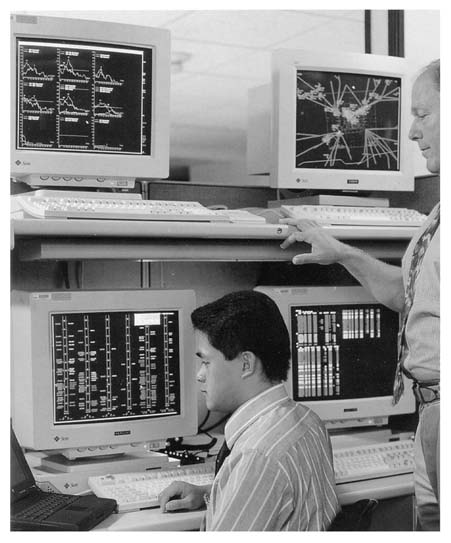
FIGURE 6.2 Center TRACON automation system (CTAS) traffic management advisor (TMA) display. Source: National Aeronautics and Space Administration.
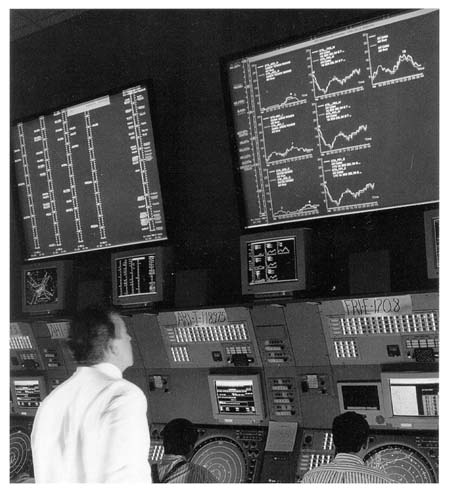
FIGURE 6.3 Center TRACON automation system (CTAS) traffic management advisor (TMA) large screen displays. Source: National Aeronautics and Space Administration.
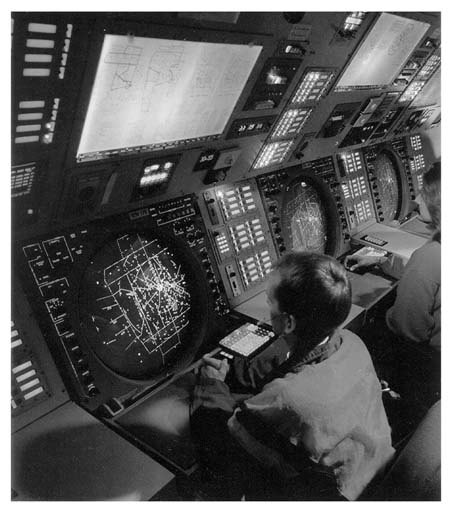
FIGURE 6.4 Center TRACON automation system (CTAS) descent advisor (DA) display. Source: National Aeronautics and Space Administration.
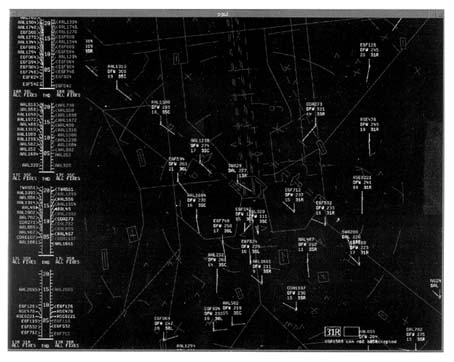
FIGURE 6.5 Center TRACON automation system (CTAS) final approach spacing tool (FAST) display. Source: National Aeronautics and Space Administration.
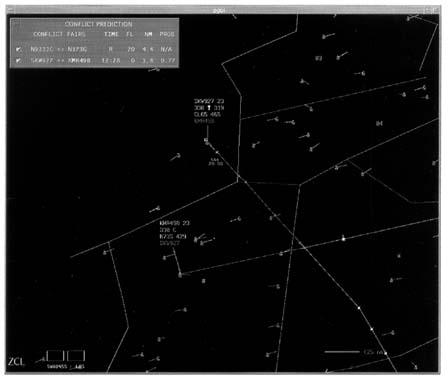
FIGURE 6.6 Center TRACON automation system (CTAS) conflict probe display. Source: National Aeronautics and Space Administration.
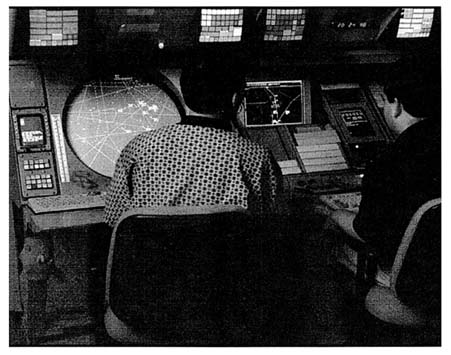
FIGURE 6.8 User request evaluation tool (URET) at controller's workstation. Source: Photo courtesy of the MITRE Corporation.
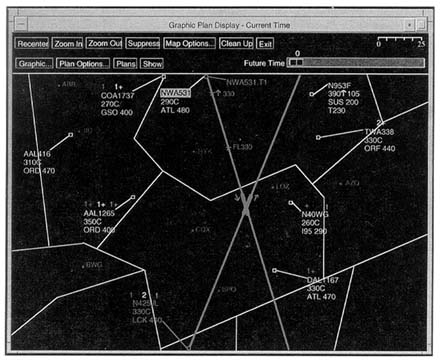
FIGURE 6.9 User request evaluation tool (URET) display. Source: Photo courtesy of the MITRE Corporation.
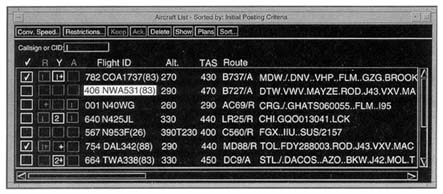
FIGURE 6.10 User request evaluation tool (URET) list display. Source: Photo courtesy of the MITRE Corporation.