Using Supercritical Water Oxidation to Treat Hydrolysate from VX Neutralization (1998)
Chapter: Appendix B
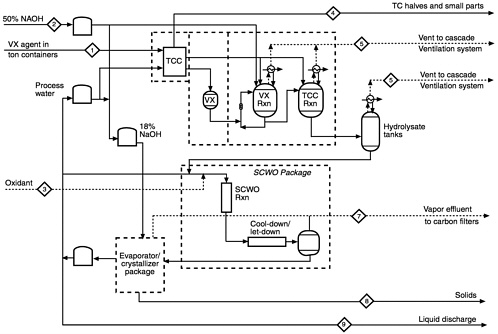
TABLE B-1 NECDF Inputs for Process Mass Balance (stream numbers correspond to streams identified in Figure B-1 )
Process Inputs | ||||||
Description | Agent in Ton Containers | 50% NaOH Solution | Oxidant to SCWO | Nitrogen to Neutralization Vessels | Process Air to TCC | Total Inputs |
Stream Number | 1 | 2 | 3 | N/A | N/A | N/A |
Total Flow (kg/1,000 kg agent) | 1,000 | 1,195 | 3,500 | 7 | 5,667 | 11,369 |
Physical State | liquid | liquid | vapor | vapor | vapor | |
temperature (°F) | 70 | 80 | 70 | 70 | 70 | |
pressure (psig) | 14.7 | 14.7 | 3,500 | 17.7 | 100 | |
Vapor Components | ||||||
oxygen (kg/1,000 kg agent) | 3,500 | 1,190 | 4,690 | |||
nitrogen (kg/1,000 kg agent) | 7 | 4,477 | 4,484 | |||
Liquid Components | ||||||
VX (kg/1,000 kg agent) | 957 | 957 | ||||
agent impurities (kg/1,000 kg agent) | 44 | 44 | ||||
NaOH (kg/1,000 kg agent) | 598 | 598 | ||||
Water (kg/1,000 kg agent) | 598 | 598 | ||||
Solid Components | ||||||
TC shells (no./1,000 kg agent) | 1.5 | 1.5 | ||||
TC valves (no./1,000 kg agent) | 2.9 | 2.9 | ||||
TC plugs (no./1,000 kg agent) | 8.8 | 8.8 | ||||
Source: Adapted from Stone and Webster, 1997b. | ||||||
TABLE B-2 NECDF Outputs for Process Mass Balance (stream numbers correspond to streams identified in Figure B-1)
Process Outputs | ||||||||
Description | Ton Container Parts | TCC Air Dry Vent | Neutralization Reactors Vent | Hydrolysate Tanks Vent | SCWO Vapor Effluent | Salt Solids to Disposal | Discharge to STP | Total Outputs |
Stream Number | 4 | N/A | 5 | 6 | 7 | 8 | 9 | |
Total Flow (kg/1,000 kg agent) | 5,667 | 6 | 1 | 3,121 | 1,531 | 1,043 | 11,369 | |
Physical State | solid | vapor | vapor | vapor | vapor | solid | liquid | |
temperature (°F) | 46 | 40 | 80 | 95 | 100 | |||
pressure (psig) | 18 | 21 | 15 | 15 | 15 | |||
Vapor Components | ||||||||
oxygen (kg/1,000 kg agent) | 1,190 | 1,803 | 2,993 | |||||
nitrogen (kg/1,000 kg agent) | 4,477 | 6 | 0.3 | 4,483.3 | ||||
VOCs (kg/1,000 kg agent) | 0.4 | 1,165 | 1,165.4 | |||||
carbon dioxide (kg/1,000 kg agent) | 82 | 82 | ||||||
nitrous oxide (kg/1,000 kg agent) | 0.1 | 0.1 | ||||||
inorganic impurities (kg/1,000 kg agent) | 10 | 10 | ||||||
Solid/Liquid Components | ||||||||
Na2SO4 (kg/1,000 kg agent) | 70 | 451 | 1,043 | 1,574 | ||||
Na2HPO4 water (kg/1,000 kg agent) | 530 | 530 | ||||||
TOC (kg/1,000 kg agent) | 0.1 | 0.1 | ||||||
inorganic impurities (kg/1,000 kg agent) | 10 | 10 | ||||||
TC shells (no./1,000 kg agent) | 1.5 | 1.5 | ||||||
TC valves (no./1,000 kg agent) | 2.9 | 2.9 | ||||||
TC plugs (no./1,000 kg agent) | 8.8 | 8.8 | ||||||
Source: Adapted from Stone and Webster, 1997b. | ||||||||
TABLE B-3 Water Formation Resulting from the Neutralization of VX and Oxidation of the Hydrolysate during the NECDF Process
Water is formed in the neutralization supercritical water oxidation (SCWO), and pre-evaporation pH adjustment processes. The following illustrates this water formation by showing that elemental hydrogen enters the process in water and other compounds but exits the process mostly as water. | ||
The elemental hydrogen inputs to process are for 1,000 kg of agents. | ||
Stream | Constituents | Hydrogen Content |
Agent | 1,000 kg VX | 98 kg |
50% NaOH solution | 598 kg NaOH 598 kg H2O | 15 kg 67 kg |
Total | 2,195 kg | 180 kg |
Notes: For simplification, the agent is assumed to be pure VX, with a molecular weight of 267 and a molecular formula of C11H26O2NPS. The 50% NaOH solution flow shown here includes all caustic to the process, both for neutralization and for post-treatment. | ||
The only product other than water that contains hydrogen is the phosphate salt in stream number 8, Figure B-1, salt solids to disposal, which contains
530 kg Na2HPO4/1,000 kg of agent = 4 kg H/1,000 kg of agent
The balance of hydrogen:
180 - 4 = 176 kg H/1,000 kg of agent
is reacted with oxygen present throughout the process to form water.
The resulting water is found in the following output streams (per 1,000 kg of agent).
Stream | Water Content | Hydrogen Content |
SCWO vapor effluent | 70 kg H2O | 8 kg |
Salt solids to disposal | 461 kg H2O | 51 kg |
Discharge to STP | 1,043 kg H2O | 116 kg |
Total | 1,574 kg H2O | 175 kg |
The total amount of water formed in the process is water out minus water in. | ||
1,574 - 598 976 kg H2O/1,000 kg of agent | ||
Source: Stone and Webster, 1997b | ||


