What's happening
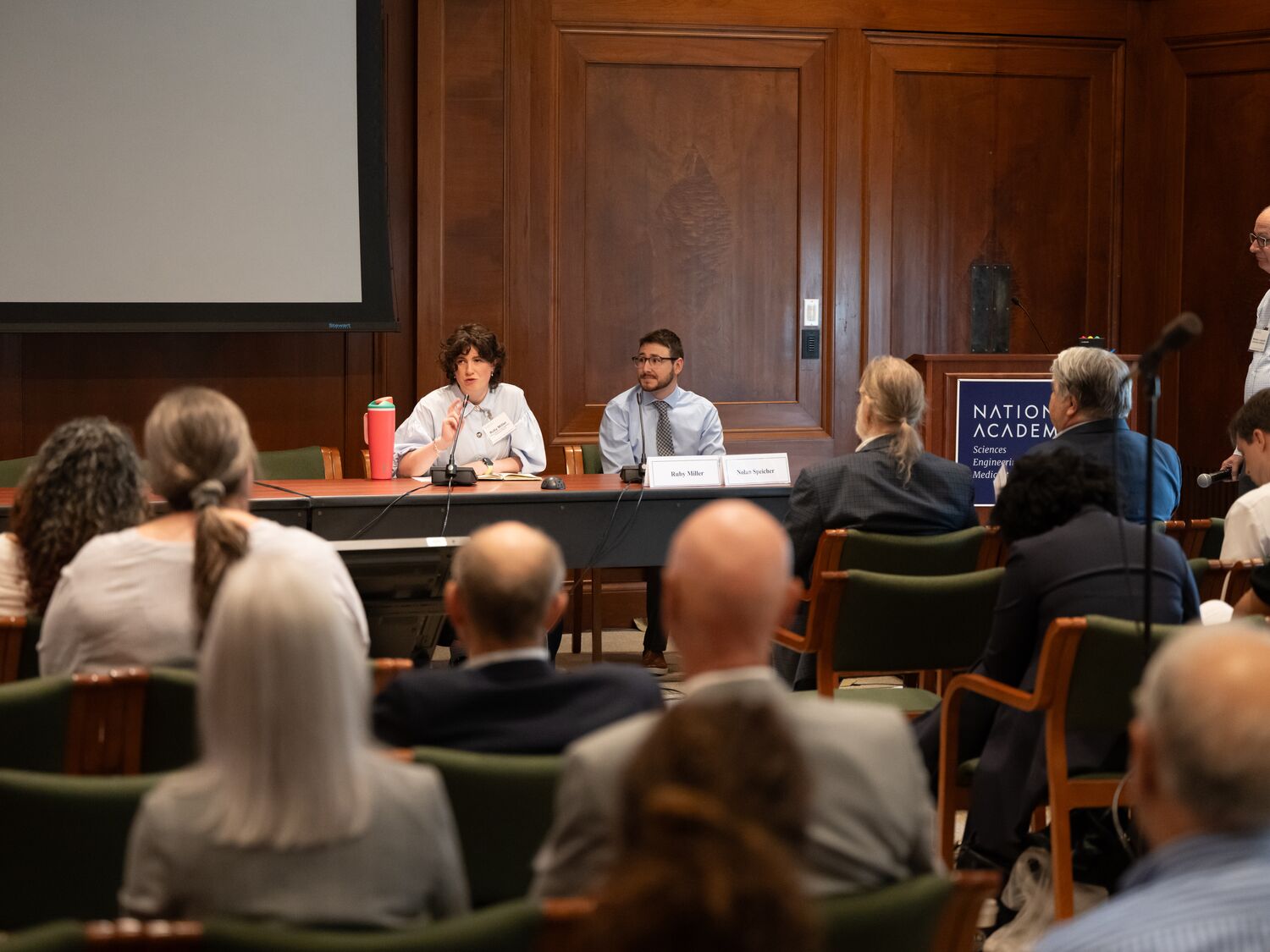
Inaugural Cohort of Biotechnology Regulatory Fellows Present Capstone Projects
Feature Story
The 10 inaugural fellows of the National Academies’ Biotechnology Regulatory Fellowship Program recently completed their six-month residency in Washington, D.C. The fellowship was developed to help early-career professionals build an understanding of the evidence base needed to meet potential regulatory challenges presented by novel products of biotechnology.
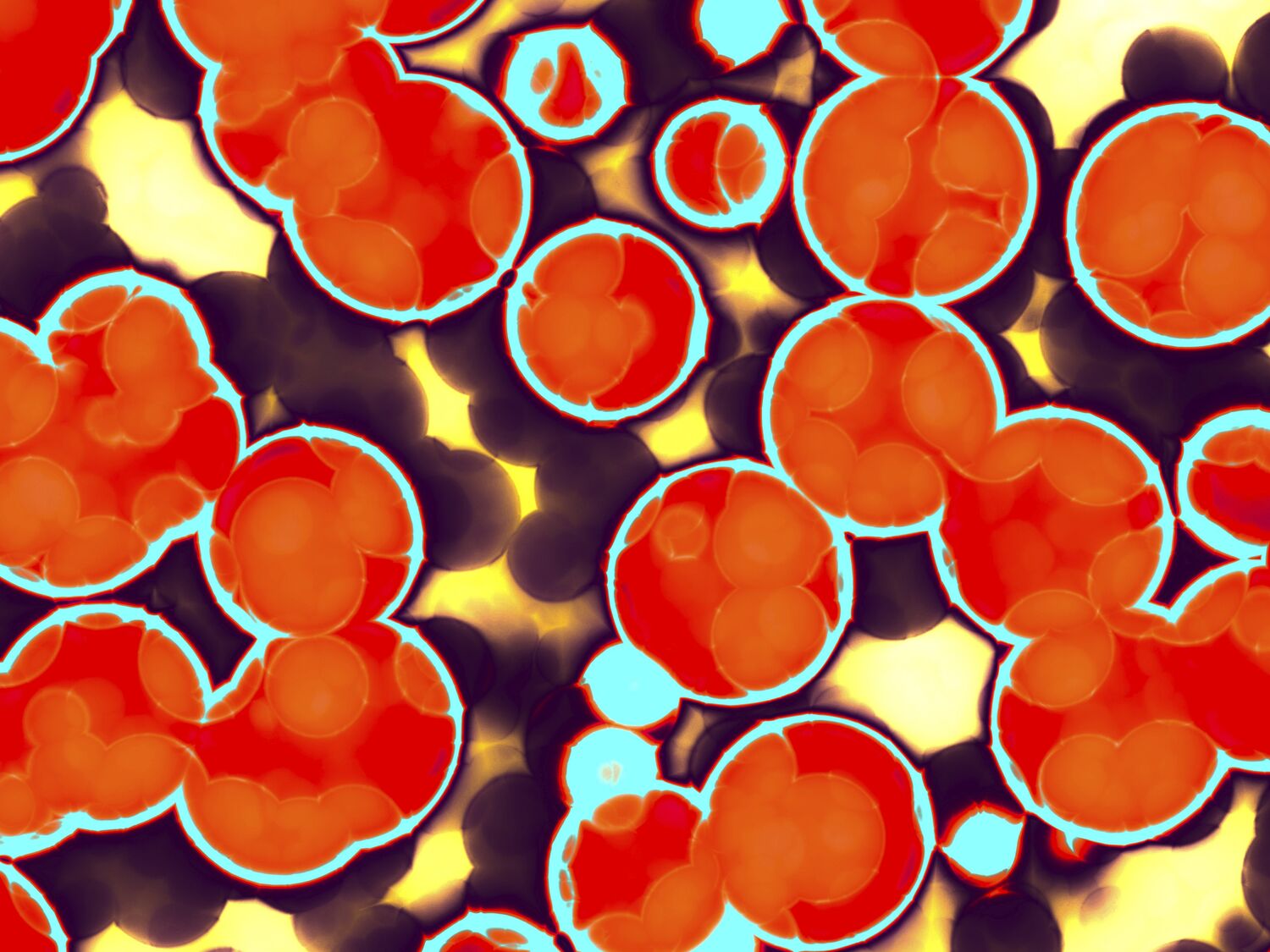
The Risks and Benefits of Synthetic Cells: Q&A with Peter Carr
Feature Story
In an interview, synthetic biologist Peter Carr explains research on synthetic cells, their potential benefits and hazards, and how governance of this research should work. Carr co-chaired a recent National Academies study of the subject.
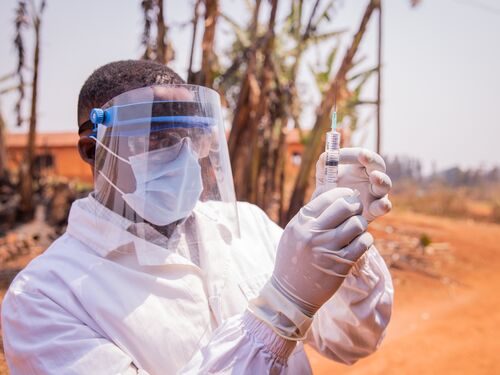
Does the current Ebola vaccine protect against every type of Ebola virus?
Based on Science
No. The currently approved Ebola vaccine used for outbreak response is called Ervebo. Ervebo protects against one species of Ebola virus, called Zaire ebolavirus. It has not been proven to protect against other Ebola viruses, including Bundibugyo virus. The 2026 outbreak in Uganda and the Democratic Republic of the Congo is caused by Bundibugyo virus, a different Ebola virus for which there is currently no approved vaccine.
- Supporting Responsible Innovation of Synthetic Cells Apr 29, 2026 Announcement
- National Academies Welcome Inaugural Cohort of Biotechnology Regulatory Fellowship Fellows Feb 2, 2026 News Release
- Report Lays Out Road Map to Transform Understanding of RNA and Invest in RNA Science and Biotechnology Mar 21, 2024 News Release
- Biomedical Journal Editors Announce New Practices for Using Race, Ethnicity, and Ancestry Descriptors in Genomics Research, Following Recommendations from 2023 National Academies Report Mar 12, 2024 Feature Story
- NAS and NAM Presidents, Other Experts Urge Biden Administration to Reinstate Presidential Bioethics Commission Mar 2, 2022 News Release
- Cato T. Laurencin Receives Prestigious Spingarn Medal from NAACP Jul 6, 2021 News Release
- Protecting Human Health through Biotechnology Breakthroughs and Platforms May 25, 2021 Perspectives
- On Human Gene Editing: International Summit Statement Dec 3, 2015 News Release