Water Science and Technology Board
The Water Science and Technology Board (WSTB) serves as the focal point for studies related to water resources at the National Academies. The board works to improve the scientific and technological foundation for addressing national- and regional-level questions and issues associated with efficient management, development, and use of water resources in natural and engineered environments. The interests of WSTB include scientific, engineering, economic, institutional, legal, and social aspects of water resources.
In progress
News and Updates
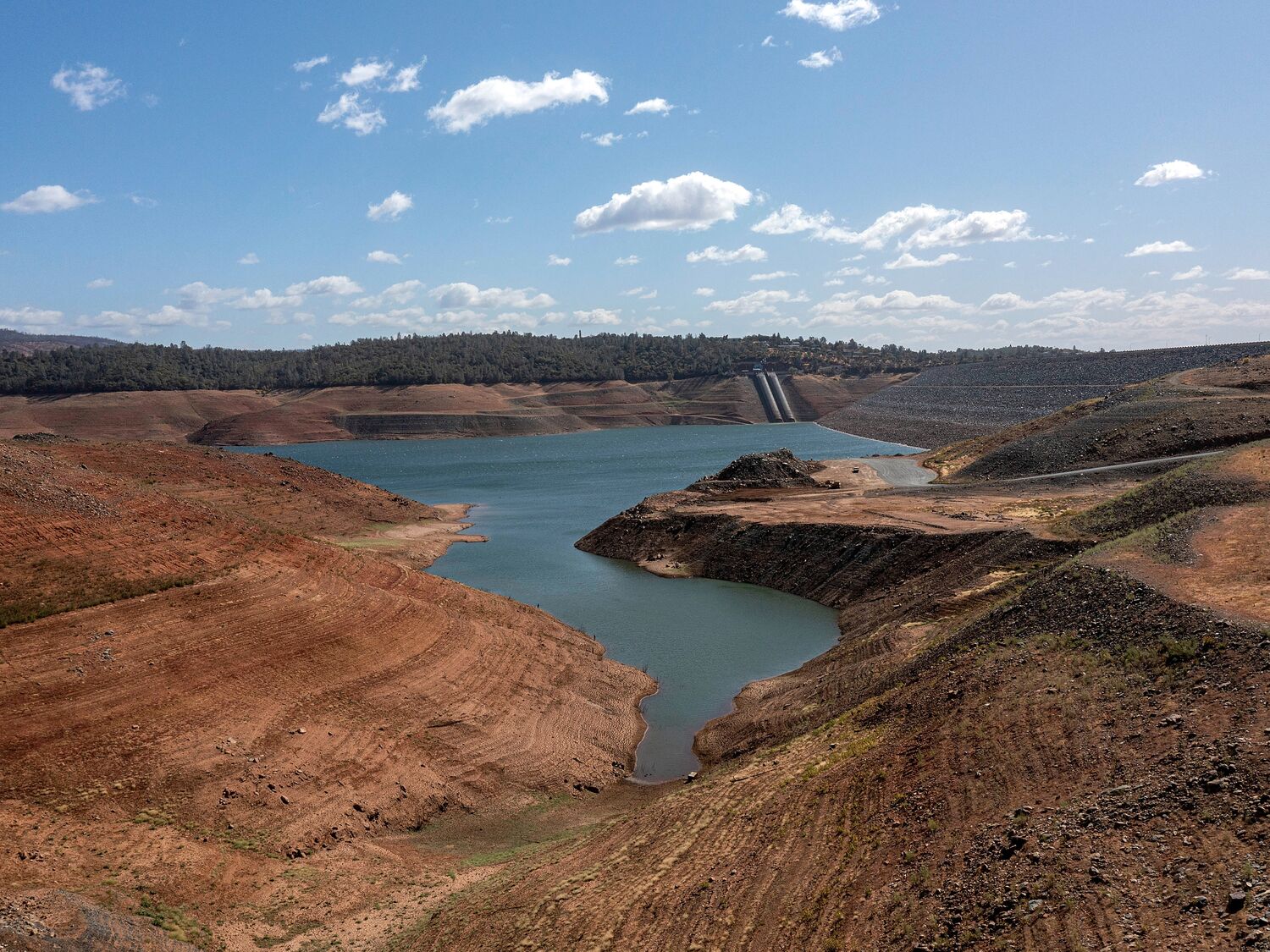
U.S. Needs New Drought Assessment Framework as Droughts Become More Severe and Unpredictable
News Release
As droughts in the United States become more frequent and longer-lasting, new assessment tools are needed. A new National Academies report examines how the field of drought assessment can better account for shifting drought conditions and proposes a framework to support drought monitoring, planning, and decision-making to meet future challenges.
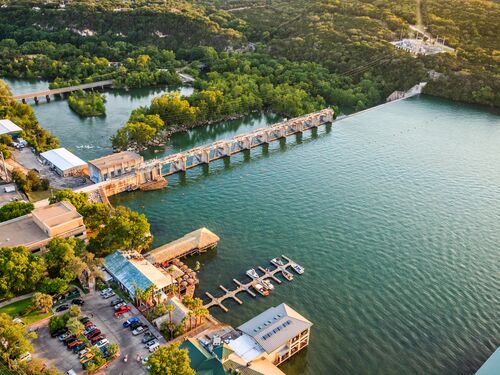
New Technologies and Approaches Needed to Shore Up Interconnected U.S. Energy and Water Systems, Says New Report
News Release
As demands on the nation’s deeply interconnected energy and water systems grow, potential disruptions can have far-reaching consequences for communities, the economy, and national security. A new National Academies report examines how the systems’ interdependencies create both risks and opportunities and how collaborative, coordinated approaches can strengthen resilience and reliability.
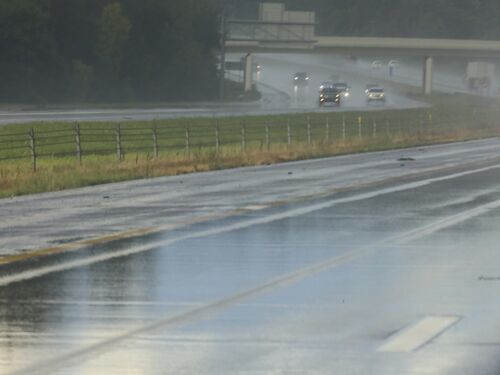
New Report on Managing Highway Stormwater Quality
Announcement
Stormwater infrastructure plays an important role in protecting water resources, but contaminants from highway runoff are not adequately removed by current structures, and improved management of the various types and sources of pollutants is needed. A new congressionally mandated report from the National Academies recommends methods state departments of transportation could use in their strategies to manage highway stormwater quality.
Statement of Task
The Water Science and Technology Board (WSTB) was established in 1982 to provide a focal point for studies related to water resources at the National Academies. The board's objective is to improve the scientific and technological basis for resolving important questions and issues associated with the efficient management and use of water resources.
The board's scope covers all dimensions of water resources, including science, engineering, economics, policy, educational issues, and social aspects.

Contributors
Committee
Chair
Member
Member
Member
Member
Member
Member
Member
Member
Member
Member
Member
Member
Member
Member
Member
Member
Sponsors
National Science Foundation
Staff
Deborah Glickson
Lead
Laura Ehlers
Lead
Stephanie Johnson
Lead
Jonathan Tucker
Lead
Noel Walters
Lead
Charles Burgis
Lead
Jeanne Aquilino
Maya Frey
Samuel Kraft
Dominique Jenkins
Major units and sub-units
Center for Health, People, and Places
Lead
Earth Systems and Resources Program Area
Lead