Assessment of Fuel Economy Technologies for Light-Duty Vehicles (2011)

Chapter: Appendix I: Results of Other Major Studies

Previous Chapter: Appendix H:Other NRC Assessments of Benefits, Costs, and Readiness of Fuel Economy Technologies
Suggested Citation: "Appendix I: Results of Other Major Studies." National Research Council. 2011. Assessment of Fuel Economy Technologies for Light-Duty Vehicles. Washington, DC: The National Academies Press. doi: 10.17226/12924.

I
Results of Other Major Studies

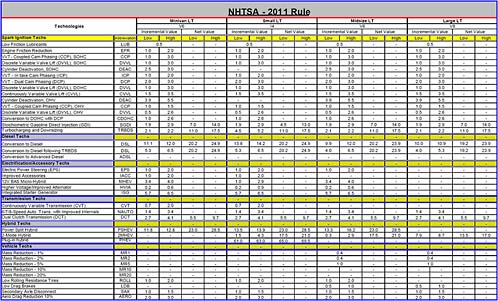
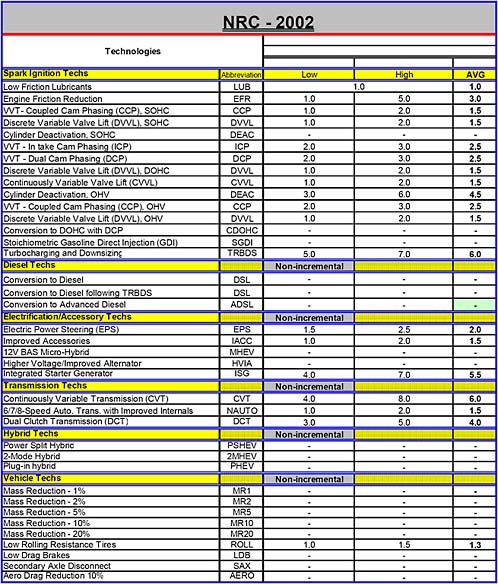
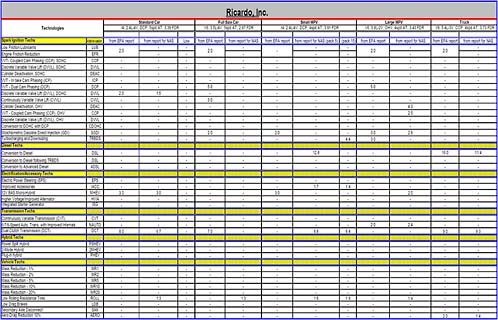
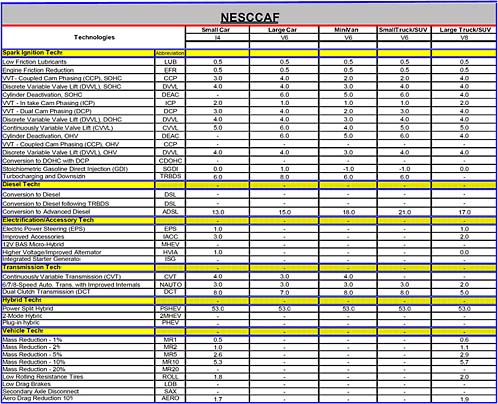
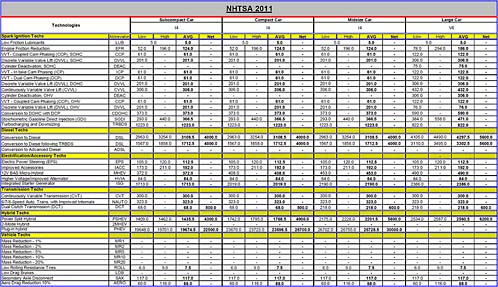
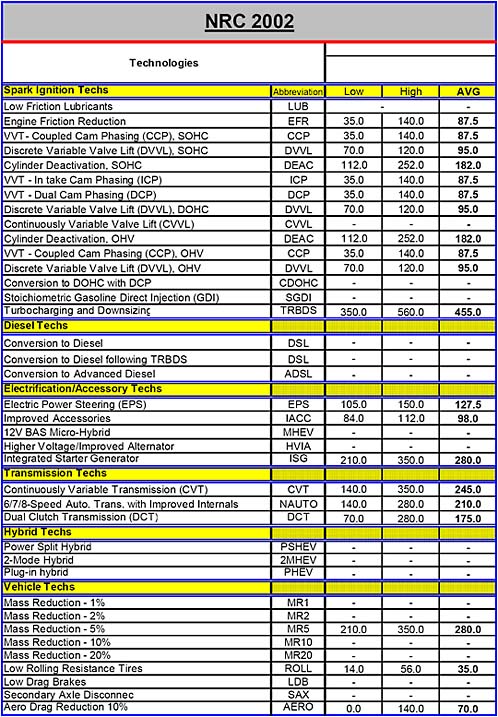
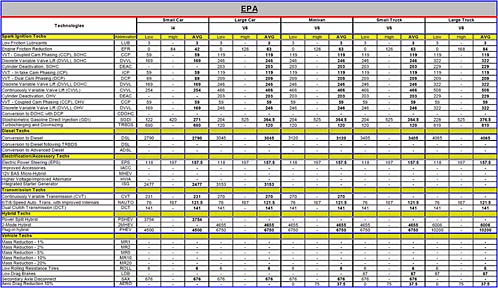
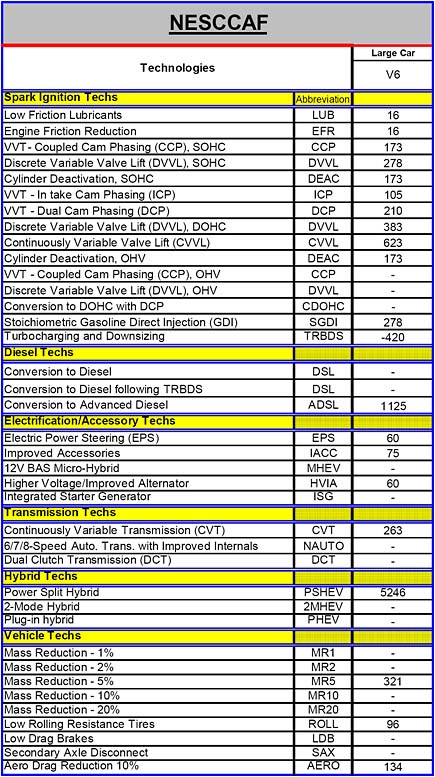
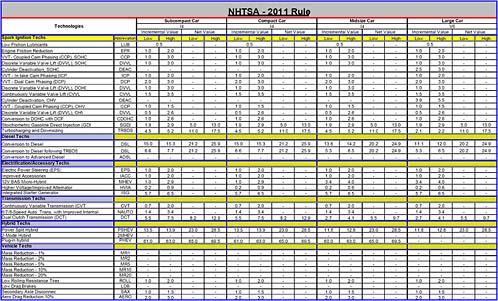
Tables I.1 through I.8, which indicate the costs and fuel consumption benefits from other major studies, are included here to facilitate the comparison to other sources of technology cost and effectiveness. However, the reader is encouraged to look at the original source material to gain a better understanding of the different assumptions made in each study. For example, some sources consider incremental benefits, while others do not. Certain items, such as improved accessories, may include different technologies, which makes an apples-to-apples comparison difficult. Retail price equivalent factors also vary from source to source, reinforcing the need to review the original materials as well as the tables.

REFERENCES

DOT/NHTSA (U.S. Department of Transportation/National Highway Traffic Safety Administration). 2009. Average Fuel Economy Standards, Passenger Cars and Light Trucks, Model Year 2001: Final Rule. 49 CFR Parts 523, 531, 533, 534, 536, and 537, Docket No. NHTSA-2009-0062, RIN 2127-AK29, March 23. Washington D.C.

EEA (Energy and Environmental Analysis, Inc.). 2007. Technologies to Improve Light-Duty Vehicle Fuel Economy. Draft report to the National Research Council Committee on Fuel Economy of Light-Duty Vehicles. EEA, Arlington, Va. September.

EPA (U.S. Environmental Protection Agency). 2008. EPA Staff Technical Report: Cost and Effectiveness Estimates of Technologies Used to Reduce Light-Duty Vehicle Carbon Dioxide Emissions. EPA420R-08-008. EPA, Washington, D.C.

Martec Group, Inc. 2008. Variable Costs of Fuel Economy Technologies. Prepared for Alliance of Automobile Manufacturers. June 1; amended September 26 and December 10.

NESCCAF (Northeast States Center for a Clean Air Future). 2004. Reducing Greenhouse Gas Emissions from Light-Duty Motor Vehicles. March.

NRC (National Research Council). 2002. Effectiveness and Impact of Corporate Average Fuel Economy (CAFE) Standards. National Academy Press, Washington, D.C.

Ricardo, Inc. 2008. A Study of Potential Effectiveness of Carbon Dioxide Reducing Vehicle Technologies. Prepared for the U.S. Environmental Protection Agency, EPA420-R-08-004, Contract No. EP-C-06-003, Work Assignment No. 1-14, Ricardo, Inc., Ann Arbor, Mich.

Sierra Research. 2008. Basic Analysis of the Cost and Long-Term Impact of the Energy Independence and Security Act Fuel Economy Standards. Sierra Research, Sacramento, Calif. April 24.

Suggested Citation: "Appendix I: Results of Other Major Studies." National Research Council. 2011. Assessment of Fuel Economy Technologies for Light-Duty Vehicles. Washington, DC: The National Academies Press. doi: 10.17226/12924.

TABLE I.1 Technology Effectiveness, Incremental (Percent) Fuel Consumption Benefit from DOT/NHTSA (2009)

Suggested Citation: "Appendix I: Results of Other Major Studies." National Research Council. 2011. Assessment of Fuel Economy Technologies for Light-Duty Vehicles. Washington, DC: The National Academies Press. doi: 10.17226/12924.

Suggested Citation: "Appendix I: Results of Other Major Studies." National Research Council. 2011. Assessment of Fuel Economy Technologies for Light-Duty Vehicles. Washington, DC: The National Academies Press. doi: 10.17226/12924.

Suggested Citation: "Appendix I: Results of Other Major Studies." National Research Council. 2011. Assessment of Fuel Economy Technologies for Light-Duty Vehicles. Washington, DC: The National Academies Press. doi: 10.17226/12924.

TABLE I.2 Technology Effectiveness, Incremental (Percent) Fuel Consumption Benefit from NRC (2002)

Suggested Citation: "Appendix I: Results of Other Major Studies." National Research Council. 2011. Assessment of Fuel Economy Technologies for Light-Duty Vehicles. Washington, DC: The National Academies Press. doi: 10.17226/12924.

TABLE I.3 Technology Effectiveness, Incremental (Percent) Fuel Consumption Benefit from EPA (2008)

Suggested Citation: "Appendix I: Results of Other Major Studies." National Research Council. 2011. Assessment of Fuel Economy Technologies for Light-Duty Vehicles. Washington, DC: The National Academies Press. doi: 10.17226/12924.

TABLE I.4 Technology Effectiveness, Incremental (percent) Fuel Consumption Benefit from Ricardo, Inc. (2008), NESCCAF (2004), Sierra Research (2008), and EEA (2007)

continued
Suggested Citation: "Appendix I: Results of Other Major Studies." National Research Council. 2011. Assessment of Fuel Economy Technologies for Light-Duty Vehicles. Washington, DC: The National Academies Press. doi: 10.17226/12924.

Suggested Citation: "Appendix I: Results of Other Major Studies." National Research Council. 2011. Assessment of Fuel Economy Technologies for Light-Duty Vehicles. Washington, DC: The National Academies Press. doi: 10.17226/12924.

Suggested Citation: "Appendix I: Results of Other Major Studies." National Research Council. 2011. Assessment of Fuel Economy Technologies for Light-Duty Vehicles. Washington, DC: The National Academies Press. doi: 10.17226/12924.

Suggested Citation: "Appendix I: Results of Other Major Studies." National Research Council. 2011. Assessment of Fuel Economy Technologies for Light-Duty Vehicles. Washington, DC: The National Academies Press. doi: 10.17226/12924.

TABLE I.5 Incremental Costs ($) from DOT/NHTSA (2009)

Suggested Citation: "Appendix I: Results of Other Major Studies." National Research Council. 2011. Assessment of Fuel Economy Technologies for Light-Duty Vehicles. Washington, DC: The National Academies Press. doi: 10.17226/12924.

Suggested Citation: "Appendix I: Results of Other Major Studies." National Research Council. 2011. Assessment of Fuel Economy Technologies for Light-Duty Vehicles. Washington, DC: The National Academies Press. doi: 10.17226/12924.

Suggested Citation: "Appendix I: Results of Other Major Studies." National Research Council. 2011. Assessment of Fuel Economy Technologies for Light-Duty Vehicles. Washington, DC: The National Academies Press. doi: 10.17226/12924.

TABLE I.6 Incremental Costs ($) from NRC (2002)

Suggested Citation: "Appendix I: Results of Other Major Studies." National Research Council. 2011. Assessment of Fuel Economy Technologies for Light-Duty Vehicles. Washington, DC: The National Academies Press. doi: 10.17226/12924.

TABLE I.7 Incremental Costs ($) from EPA (2008)

Suggested Citation: "Appendix I: Results of Other Major Studies." National Research Council. 2011. Assessment of Fuel Economy Technologies for Light-Duty Vehicles. Washington, DC: The National Academies Press. doi: 10.17226/12924.

TABLE I.8 Technology Effectiveness, Incremental (Percent) Fuel Consumption Benefit from EEA (2007), Sierra Research (2008), Martec (2008), and NESCCAF (2004)

Suggested Citation: "Appendix I: Results of Other Major Studies." National Research Council. 2011. Assessment of Fuel Economy Technologies for Light-Duty Vehicles. Washington, DC: The National Academies Press. doi: 10.17226/12924.

Suggested Citation: "Appendix I: Results of Other Major Studies." National Research Council. 2011. Assessment of Fuel Economy Technologies for Light-Duty Vehicles. Washington, DC: The National Academies Press. doi: 10.17226/12924.

Suggested Citation: "Appendix I: Results of Other Major Studies." National Research Council. 2011. Assessment of Fuel Economy Technologies for Light-Duty Vehicles. Washington, DC: The National Academies Press. doi: 10.17226/12924.

Suggested Citation: "Appendix I: Results of Other Major Studies." National Research Council. 2011. Assessment of Fuel Economy Technologies for Light-Duty Vehicles. Washington, DC: The National Academies Press. doi: 10.17226/12924.
Page 189
Suggested Citation: "Appendix I: Results of Other Major Studies." National Research Council. 2011. Assessment of Fuel Economy Technologies for Light-Duty Vehicles. Washington, DC: The National Academies Press. doi: 10.17226/12924.
Page 190
Suggested Citation: "Appendix I: Results of Other Major Studies." National Research Council. 2011. Assessment of Fuel Economy Technologies for Light-Duty Vehicles. Washington, DC: The National Academies Press. doi: 10.17226/12924.
Page 191
Suggested Citation: "Appendix I: Results of Other Major Studies." National Research Council. 2011. Assessment of Fuel Economy Technologies for Light-Duty Vehicles. Washington, DC: The National Academies Press. doi: 10.17226/12924.
Page 192
Suggested Citation: "Appendix I: Results of Other Major Studies." National Research Council. 2011. Assessment of Fuel Economy Technologies for Light-Duty Vehicles. Washington, DC: The National Academies Press. doi: 10.17226/12924.
Page 193
Suggested Citation: "Appendix I: Results of Other Major Studies." National Research Council. 2011. Assessment of Fuel Economy Technologies for Light-Duty Vehicles. Washington, DC: The National Academies Press. doi: 10.17226/12924.
Page 194
Suggested Citation: "Appendix I: Results of Other Major Studies." National Research Council. 2011. Assessment of Fuel Economy Technologies for Light-Duty Vehicles. Washington, DC: The National Academies Press. doi: 10.17226/12924.
Page 195
Suggested Citation: "Appendix I: Results of Other Major Studies." National Research Council. 2011. Assessment of Fuel Economy Technologies for Light-Duty Vehicles. Washington, DC: The National Academies Press. doi: 10.17226/12924.
Page 196
Suggested Citation: "Appendix I: Results of Other Major Studies." National Research Council. 2011. Assessment of Fuel Economy Technologies for Light-Duty Vehicles. Washington, DC: The National Academies Press. doi: 10.17226/12924.
Page 197
Suggested Citation: "Appendix I: Results of Other Major Studies." National Research Council. 2011. Assessment of Fuel Economy Technologies for Light-Duty Vehicles. Washington, DC: The National Academies Press. doi: 10.17226/12924.
Page 198
Suggested Citation: "Appendix I: Results of Other Major Studies." National Research Council. 2011. Assessment of Fuel Economy Technologies for Light-Duty Vehicles. Washington, DC: The National Academies Press. doi: 10.17226/12924.
Page 199
Suggested Citation: "Appendix I: Results of Other Major Studies." National Research Council. 2011. Assessment of Fuel Economy Technologies for Light-Duty Vehicles. Washington, DC: The National Academies Press. doi: 10.17226/12924.
Page 200
Suggested Citation: "Appendix I: Results of Other Major Studies." National Research Council. 2011. Assessment of Fuel Economy Technologies for Light-Duty Vehicles. Washington, DC: The National Academies Press. doi: 10.17226/12924.
Page 201
Suggested Citation: "Appendix I: Results of Other Major Studies." National Research Council. 2011. Assessment of Fuel Economy Technologies for Light-Duty Vehicles. Washington, DC: The National Academies Press. doi: 10.17226/12924.
Page 202
Suggested Citation: "Appendix I: Results of Other Major Studies." National Research Council. 2011. Assessment of Fuel Economy Technologies for Light-Duty Vehicles. Washington, DC: The National Academies Press. doi: 10.17226/12924.
Page 203
Suggested Citation: "Appendix I: Results of Other Major Studies." National Research Council. 2011. Assessment of Fuel Economy Technologies for Light-Duty Vehicles. Washington, DC: The National Academies Press. doi: 10.17226/12924.
Page 204
Suggested Citation: "Appendix I: Results of Other Major Studies." National Research Council. 2011. Assessment of Fuel Economy Technologies for Light-Duty Vehicles. Washington, DC: The National Academies Press. doi: 10.17226/12924.
Page 205
Suggested Citation: "Appendix I: Results of Other Major Studies." National Research Council. 2011. Assessment of Fuel Economy Technologies for Light-Duty Vehicles. Washington, DC: The National Academies Press. doi: 10.17226/12924.
Page 206
Suggested Citation: "Appendix I: Results of Other Major Studies." National Research Council. 2011. Assessment of Fuel Economy Technologies for Light-Duty Vehicles. Washington, DC: The National Academies Press. doi: 10.17226/12924.
Page 207
Next Chapter: Appendix J: Probabilities in Estimation of Fuel Consumption Benefits and Costs
Subscribe to Email from the National Academies
Keep up with all of the activities, publications, and events by subscribing to free updates by email.