Acute Exposure Guideline Levels for Selected Airborne Chemicals: Volume 14 (2013)
Chapter: 6 Propargyl Alcohol Acute Exposure Guideline Levels
Acute Exposure Guideline Levels
PREFACE
Under the authority of the Federal Advisory Committee Act (FACA) P.L. 92-463 of 1972, the National Advisory Committee for Acute Exposure Guideline Levels for Hazardous Substances (NAC/AEGL Committee) has been established to identify, review, and interpret relevant toxicologic and other scientific data and develop AEGLs for high-priority, acutely toxic chemicals.
AEGLs represent threshold exposure limits for the general public and are applicable to emergency exposure periods ranging from 10 minutes (min) to 8 hours (h). Three levels—AEGL-1, AEGL-2, and AEGL-3—are developed for each of five exposure periods (10 and 30 min and 1, 4, and 8 h) and are distinguished by varying degrees of severity of toxic effects. The three AEGLs are defined as follows:
AEGL-1 is the airborne concentration (expressed as parts per million or milligrams per cubic meter [ppm or mg/m3]) of a substance above which it is predicted that the general population, including susceptible individuals, could experience notable discomfort, irritation, or certain asymptomatic, nonsensory effects. However, the effects are not disabling and are transient and reversible upon cessation of exposure.
___________________________
1This document was prepared by the AEGL Development Team composed of Robert Young (Oak Ridge National Laboratory), Lisa Ingerman (SRC, Inc.), Chemical Manager George Cushmac (National Advisory Committee [NAC] on Acute Exposure Guideline Levels for Hazardous Substances), and Ernest V. Falke (U.S. Environmental Protection Agency). The NAC reviewed and revised the document and AEGLs as deemed necessary. Both the document and the AEGL values were then reviewed by the National Research Council (NRC) Committee on Acute Exposure Guideline Levels. The NRC committee has concluded that the AEGLs developed in this document are scientifically valid conclusions based on the data reviewed by the NRC and are consistent with the NRC guidelines reports (NRC 1993, 2001).
AEGL-2 is the airborne concentration (expressed as ppm or mg/m3) of a substance above which it is predicted that the general population, including susceptible individuals, could experience irreversible or other serious, long-lasting adverse health effects or an impaired ability to escape.
AEGL-3 is the airborne concentration (expressed as ppm or mg/m3) of a substance above which it is predicted that the general population, including susceptible individuals, could experience life-threatening health effects or death.
Airborne concentrations below the AEGL-1 represent exposure concentrations that could produce mild and progressively increasing but transient and nondisabling odor, taste, and sensory irritation or certain asymptomatic, nonsensory effects. With increasing airborne concentrations above each AEGL, there is a progressive increase in the likelihood of occurrence and the severity of effects described for each corresponding AEGL. Although the AEGL values represent threshold concentrations for the general public, including susceptible subpopulations, such as infants, children, the elderly, persons with asthma, and those with other illnesses, it is recognized that individuals, subject to idiosyncratic responses, could experience the effects described at concentrations below the corresponding AEGL.
SUMMARY
Propargyl alcohol is a moderately volatile, three-carbon acetylenic alcohol with a geranium-like odor. It is used as a chemical intermediate, solvent stabilizer, soil fumigant, and corrosion inhibitor. Annual production in the United States has been estimated at 0.5 to 2.8 million pounds.
No information on human exposure to propargyl alcohol is available. On the basis of animal data, the chemical is likely to be irritating to the eyes and respiratory tract.
Toxicity data on propargyl alcohol are available from studies of rats, mice, guinea pigs, rabbits, and cats. The studies involved acute (1-2 h) and longer-term exposures (9 days to 13 weeks). Lethality data included estimated or tested concentrations associated with 50% lethality of approximately 1,000-1,200 ppm for rats and 1,300 ppm for cats after 1-h exposures, and 850 ppm for rats and 875 ppm in mice after 2-h exposures. In longer-term studies, repeated exposure to propargyl alcohol at concentrations up to 88 ppm for 14 days or 64 ppm for 13 weeks were not lethal but resulted in notable histopathologic changes in the olfactory and respiratory epithelium of rats and mice. No reproductive toxicity, developmental toxicity, or carcinogenicity data on inhalation exposure to propargyl alcohol are available. Genotoxicity findings are equivocal. Propargyl alcohol is rapidly metabolized to propargyl aldehyde and various conjugation products; excretion is primarily via the urine.
AEGL-1 values were based on a concentration of 25.3 ppm, which was a no-effect level for histopathologic changes in the respiratory tract of mice exposed
to propargyl alcohol for 6 h (Zissu 1995). That concentration was considered an appropriate point of departure because a 7-h exposure of rats to propargyl alcohol at 80 ppm (the first of 59 exposures) produced signs of ocular irritation and lethargy to which the test animals subsequently adapted (Dow Chemical Co. 1964). Toxicologic response to propargyl alcohol appeared to be similar qualitatively among species tested, and individual responses are not expected to vary more than three-fold for simple direct-contact irritants. Therefore, an interspecies uncertainty factor of 3 and an intraspecies uncertainty factor of 3 were applied (total uncertainty factor of 10). Because slight direct-contact irritation is not expected to vary markedly with exposure duration, the same value was used for all AEGL-1 exposure durations.
AEGL-2 values were based on a point of departure of 88 ppm, a concentration that produced severe histologic alterations in the olfactory and respiratory epithelium of mice exposed to propargyl alcohol for 6 h/day for 4, 9, or 14 days. The point of departure is supported by observations of ocular irritation and lethargy in rats after the first of 59 exposures to propargyl alcohol at 80 ppm for 7 h (adaptation occurred during subsequent exposures) (Dow Chemical Co. 1964). An uncertainty factor of 3 was applied to account for interspecies differences because the toxic effects of propargyl alcohol do not appear to vary greatly between species. Because histopathologic lesions from propargyl alcohol are likely the result of direct-contact irritation, an uncertainty factor of 3 was applied to account for intraindividual variability. Time scaling from the 6-h experimental exposure duration to AEGL-specific exposure durations was performed using the equation Cn × t = k, where the exponent n ranges from 0.8 to 3.5 (ten Berge et al. 1986). Data on propargyl alcohol were inadequate for deriving an empirical value for n, so default values of n = 3 when extrapolating to shorter durations and n = 1 when extrapolating to longer durations were used. However, because of uncertainties associated with extrapolating a 6-h exposure to a 10-min value, the 30-min AEGL-2 value was adopted for the 10-min value (NRC 2001).
AEGL-3 values were based on mouse lethality data reported by Stasenkova and Kochetkova (1966). A BMCL05 (benchmark concentration, 95% lower confidence limit with 5% response) of 573 ppm (2-h exposure) was the point of departure. That BMCL05 is consistent with the range of 1-h lethal concentrations of 1,040-1,200 ppm reported for rats (Vernot et al. 1977). Further, BASF (1965) reported no lethality in two rabbits or six guinea pigs exposed to propargyl alcohol at 1,300 ppm for 1 h, but one of two cats died from the same exposure. The available data support an interspecies uncertainty factor of 3. Animal data suggest that olfactory and respiratory-tract epithelium are the primary targets of propargyl alcohol and that damage to these tissues is likely instrumental in deaths after a single acute exposure. Studies of repeated exposures to propargyl alcohol (about 90 days) provided evidence of renal and hepatic toxicity, but the data do not support the contention that such systemic toxicity would follow a single acute exposure. Therefore, an intraspecies uncertainty factor of 3 was used. Time scaling was performed using the same method described for the AEGL-2 values.
AEGL values for propargyl alcohol are summarized in the Table 6-1.
1. INTRODUCTION
Propargyl alcohol is a moderately volatile three-carbon acetylenic alcohol with a geranium-like odor. It is used as a chemical intermediate, solvent stabilizer, soil fumigant, and corrosion inhibitor (Bevan 2001). Annual production in the United States has been estimated at 0.5 to 2.8 million pounds (J. Walker, EPA, Washington, DC, personal commun., April 26, and June 8, 1995).
Selected chemical and physical properties for propargyl alcohol isomers are presented in Table 6-2.
2. HUMAN TOXICITY DATA
2.1. Acute Lethality
No data regarding lethality in humans following inhalation exposure to propargyl alcohol were available.
2.2. Nonlethal Toxicity
Propargyl alcohol is reportedly irritating to the eyes, skin, and respiratory tract (Bevan 2001). However, definitive concentration-response data in humans are unavailable.
TABLE 6-1 AEGL Values for Propargyl Alcohol
| Classification | 10 min | 30 min | 1 h | 4 h | 8 h | End Point (Reference) |
| AEGL-1 | 2.5 ppm (5.7 mg/m3) | 2.5 ppm (5.7 mg/m3) | 2.5 ppm (5.7 mg/m3) | 2.5 ppm (5.7 mg/m3) | 2.5 ppm (5.7 mg/m3) | No-observed-adverse-effect level for histopathologic changes in respiratory tract of mice (Zissu 1995) |
| AEGL-2 (disabling) | 20 ppm (46 mg/m3) | 20 ppm (46 mg/m3) | 16 ppm (37 mg/m3) | 10 ppm (23 mg/m3) | 6.6 ppm (15 mg/m3) | Lesions in olfactory epithelium (Zissu 1995) |
| AEGL-3 (lethal) | 130 ppm (300 mg/m3) | 91 ppm (210 mg/m3) | 72 ppm (160 mg/m3) | 29 ppm (66 mg/m3) | 14 ppm (32 mg/m3) | Estimated lethality threshold in mice (Stasenkova and Kochetkova 1966) |
TABLE 6-2 Chemical and Physical Data for Propargyl Alcohol
| Parameter | Value | Reference |
| Synonyms | 2-Propyn-l-ol; acetylene carbinol; propiolic alcohol; 2-propynol; 2-propynyl alcohol; 1-propyn-3-ol | O'Neiletal. 2006; ACGIH 2007 |
| CAS registiy no. | 107-19-7 | O'Neil et al. 2006 |
| Chemical formula | C3H4O | O'Neiletal. 2006 |
| Molecular weight | 56.06 | O'Neil et al. 2006 |
| Physical state | Colorless to straw-colored liquid | NIOSH 2011 |
| Freezing point | −52 to -48°C | O'Neil et al. 2006 |
| Boiling point | 114-115°C | O'Neiletal. 2006; ACGIH 2007 |
| Density/specific gravity | 0.97 at 20°C | NIOSH 2011 |
| Solubility in water | Miscible | O'Neil et al. 2006 |
| Vapor pressure | 12 mm Hg at20°C | NIOSH 2011 |
| Saturated vapor pressure | 15,800 ppm at 20°C | Calculated |
| Conversion factors in air | 1 ppm = 2.29 mg/m3 1 mg/m3 = 0.437 ppm | NIOSH 2011 |
2.3. Developmental and Reproductive Effects
No human developmental or reproductive toxicity data on propargyl alcohol were available.
2.4. Genotoxicity
No human genotoxicity data on propargyl alcohol were available.
2.5. Carcinogenicity
No human data on the carcinogenic potential of propargyl alcohol were available.
2.6. Summary
No definitive information on the effects of propargyl alcohol in humans is available.
3. ANIMAL TOXICITY DATA
3.1. Lethality
3.1.1. Rats
All rats (groups of three) exposed to saturated atmospheres (about 16,000 ppm) of propargyl alcohol for 0.2-2.0 h died (Dow Chemical Co. 1953). Time to death was inversely proportional to exposure duration; death occurred within 2 days from a 0.2-h exposure, within 2 h for a 0.5-h exposure, and within 2 h for a 2.0-h exposure. Two of three rats died after a 0.1-h exposure to a saturated atmosphere; deaths occurred within 4 days and the surviving rat recovered over 2 weeks. No further details of the experiment were provided.
BASF (1963) exposed rats (strain and gender not specified) to “vapor-enriched atmospheres” (likely a saturated propargyl alcohol vapor at about 16,000 ppm). Six of 12 rats died after a 3-min exposure, six of six rats died after a 10-min exposure, and six of six died after either a 1-h or 3-h exposure. Responses included mucous membrane irritation, pallor of paws and ears, and dyspnea.
BASF (1965) conducted an acute toxicity study of propargyl alcohol in multiple species. Ten rats were exposed for 1 h to propargyl alcohol at approximately 1,300 ppm (3 mg/L, purity not specified) in a closed 400-L chamber. No signs of toxicity were observed during exposure. One rat died after 3 days. Gross pathologic examination of the rat revealed evidence of liver toxicity.
A 5-day study was also conducted using one cat, one rabbits, four guinea pigs, 10 rats, and 10 mice
exposed to propargyl alcohol at about 1,300 ppm for 1 h/day (BASF 1965). Similar to the single-exposure study, none of the rabbits or guinea pigs died but the cat died after 2 days, four rats after 3-4 days, and seven mice after 23 days. Gross pathologic findings in these animals revealed liver damage.
BASF (1965) also provided a brief description of a longer-term study, in which 30 rats (12 males, 18 females) were exposed to propargyl alcohol at 100 ppm (analytic concentration 90 ppm) for 6 h/day, 5 days/week, for up to a total of 75 exposures, depending on the specific treatment group. Seventeen rats died during the later stages of the study. Results of clinical chemistry test and gross pathologic examinations showed hepatic and renal damage in most of the test animals.
Vernot et al. (1977) reported 1-h LC50 values for propargyl alcohol of 1,200 ppm (1,180-1,220 ppm) and 1,040 ppm (970-1,120 ppm) for male and female Sprague Dawley rats, respectively. Groups of five rats were exposed to the test article in bell jars or large desiccators. LC50 values were determined by probit analysis (method of Finney 1971). No additional details were provided in the study report.
Hazelton Laboratories America, Inc. (1989) conducted limit tests under Good Laboratory Practices with 10 male and 10 female Sprague-Dawley rats exposed to propargyl alcohol at 1,490 ± 159.8 ppm (time-weighted-average exposure) for 1 h. Rats were exposed in a 100-L plexiglass dynamic-flow chamber (19.2 L/min). Vapor was generated by passing filtered air through bubblers containing the propargyl alcohol, and its concentration was determined by infrared analysis (MIRAN assay). Rats were observed every 15 min during exposure. Physical examinations were performed before, immediately after, and 1 h after exposure, and daily thereafter. Treated animals exhibited hunched posture, rough hair coat, listlessness, low body temperature, prostration, and death. All rats were dead 3 days after exposure. Necropsy findings were reported to be indicative of post-mortem changes and did not reveal changes directly attributed to the test article.
Kennedy and Graepel (1991) reported a 2-h LC50 of 850 ppm for propargyl alcohol in a study that compared oral and inhalation acute toxicity data for rats. In their overall assessment of the acute toxicity of 108 chemicals, propargyl alcohol was classified as moderately toxic (LC50 range of 100-1,000 ppm). No details of experimental methods were provided in the report.
3.1.2. Mice
Three of 10 mice died 1 day after being exposed to propargyl alcohol at 3,000 ppm for 1 h (BASF 1965). Necropsy of the mice revealed signs of mucous-membrane and colon irritation. Surviving mice examined 7 days after exposure had no remarkable signs of toxicity.
A longer-term exposure study was also conducted, in which 30 male and 30 female mice were exposed to propargy alcohol at 100 ppm (analytic concentration 90 ppm) for 6 h/day, 5 days/week, for up to a total of 75 exposures, depending on the specific treatment group (BASF 1965). Results of clinical chemistry tests and gross pathologic examinations suggested both hepatic and renal damage, although the hepatic damage appeared to be reversible.
In a multiple species study by BASF (1965), 10 mice were exposed for 1 h to propargyl alcohol at approximately 1,300 ppm (3 mg/L, purity not specified) in a closed 400-L chamber. No signs of toxicity during the exposure were observed. Three of 10 mice died after 1 day. Gross pathologic examination of animals that died revealed evidence of hepatic toxicity.
Lethal effects of propargyl alcohol in mice were also reported by Stasenkova and Kochetkova (1966). Exposure of rats to propargyl alcohol for 2 h at 500, 1,500, 2,000, or 3,500 mg/m3 (220, 655, 875, and 1,500 ppm) resulted in mortality incidences of 1/20, 1/20, 10/20, and 20/20, respectively.
3.1.3. Cats
In an experiment reported by BASF (1965), one of two cats died after a 1-h exposure to propargyl alcohol at 3,000 mg/m3 (1,300 ppm). The time of death was not specified, but a 14-day observation period was reported. The cat was
described as lethargic, without appetite, and vomiting before death. Mucous membrane irritation, presence of urobilinogen and protein in the urine, and increased serum aminotransferase activity were reported (but it was unclear whether the effects were found in one or both animals).
In a longer-term exposure study, three cats were exposed to propargyl alcohol at 100 ppm (analytic concentration 90 ppm) for 6 h/day, 5 days/week (BASF 1965). The cats died after 29, 32, and 43 exposures.
3.1.4. Rabbits
BASF (1965) briefly described a longer-term exposure study, in which three rabbits were exposed to propargyl alcohol at 100 ppm (analytic concentration 90 ppm) for 6 h/day, 5 days/week, for up to a total of 75 exposures. One rabbit died after 45 exposures. Results of clinical chemistry tests and gross pathologic examinations showed both hepatic and renal damage in most of the test animals.
3.1.5. Summary of Animal Lethality Data
Lethality data for propargyl alcohol in various laboratory species are summarized in Table 6-3.
TABLE 6-3 Lethality of Inhaled Propargyl Alcohol in Laboratory Species
| Species | Exposure Duration (min) | Exposure Concentration (ppm) | Lethality | Reference |
| Rat (males) | 60 | 1,200 | LC50a | Vernotetal. 1977 |
| Rat (females) | 60 | 1,040 | LC50a | |
| Rat | 60 | 1,490 | 10/10 | Hazelton Laboratories America Inc. 1989 |
| Rat | 120 | 850 | LC50b | Kennedy and Graepel 1991 |
| Mouse | 60 | 3,000 | 3/10 | BASF 1965 |
| Mouse | 120 | 220 655 875 1,500 |
1/20 1/20 10/20 20/20 |
Stasenkova and Kochetkova 1996 |
| Cat | 60 | 1,300 | 1/2 | BASF 1965 |
aFive male and five females per exposure group.
bNo experimental details.
3.2. Nonlethal Toxicity
3.2.1. Rats
Groups of six male and six female rats (strain not specified) were exposed to propargyl alcohol at a nominal concentration of 100 ppm (80 ppm by infrared analysis) in 160-L glass chambers (Dow Chemical Co. 1964). An additional six male and six female rats were maintained as unexposed controls. Exposure was for 7 h/day, 5 days/week, for 89 days (59 exposures). Although signs of ocular irritation and lethargy were observed during the first exposure, rats reportedly adapted and exhibited no additional responses throughout the remainder of the experiment. Gross necropsy findings consisted of enlarged livers in both sexes (females more so) with microscopic correlates indicative of degenerative changes (focal centrilobular necrosis, hydropic degeneration with cellular infiltration, and midzonal fatty metamorphosis). Severity of hepatic lesions ranged from mild to severe. Slight pneumonitis and mild degenerative changes in the kidneys were also noted. Serum enzyme activity (serum glutamic pyruvic transaminase and alkaline phosphatase) was slightly elevated. Hematologic changes (hematocrit, erythrocytes, serum urea nitrogen, hemoglobin concentration, and differential counts) were normal or only slightly altered. Bone marrow smears were normal.
BASF (1992a) conducted a 2-week study (OECD guideline 421) in which male and female Wistar rats (five per group) were exposed to propargyl alcohol (99.4% purity) at nominal concentrations of 0, 10, 50, or 200 ppm (analytic concentrations 0, 9.8, 50.4, and 199 ppm) for 6 h/day, 5 days/week. No clinical signs were observed in the control, 10-ppm, or 50-ppm groups. At the highest concentration, rats exhibited irregular breathing, lethargy, and nasal discharge during exposure (also in between exposures later in the study period). One female rat in the 200-ppm group died and the surviving rats exhibited decreased body weight gain and elevated serum alanine aminotransferase and serum alkaline phosphatase. Histopathologic findings included metaplasia of the olfactory mucosa (50 and 200 ppm) and hepatocellular hypertrophy, parenchymal single-cell necrosis, and cytoplasmic granulation (200 ppm). These findings were characterized as minimal in the 10-ppm and 50-ppm groups. Significantly increased relative liver weight was detected in males of the 200-ppm group, and significantly increased relative kidney weight was found in males and females of the 50- and 200-ppm groups.
BASF (1992b) conducted a 90-day study under Good Laboratory Practices, in which groups of 10 male and 10 female Wistar rats were exposed to propargyl alcohol vapor (99% pure) at nominal concentrations of 1, 5, or 25 ppm (analytic concentrations 1.1, 5.1, and 24.6 ppm) for 6 h/day, 5 days/week, for a total of 65 exposures; controls were exposed to clean air. No mortality or clinical signs of toxicity occurred. Clinical chemistry and hematologic assessments were negative. Results of gross pathologic and histopathologic examinations were unremarkable. Although a statistically significant reduction in body weight gain was noted for male rats during the first 2 weeks of exposure, no significant
effect on body weight gain was detected at the end of the study. Absolute renal weight and kidney-to-body weight ratio were increased in female rats exposed at 24.6 ppm. These rats also exhibited a slight decrease in serum cholinesterase activity, but no gross or histopathologic effects were found. No post-exposure period was indicated. The no-observed-adverse-effect level was 5.1 ppm and the lowest-observed-adverse-effect level was 24.6 ppm.
Exposure of groups of 10 male and 10 female Fischer 344 rats to propargyl alcohol at 0, 4, 8, 16, 32, or 64 ppm for 13 weeks did not result in any gross lesions or other significant toxic responses (NTP 2008). Chamber concentrations, monitored daily, were within the range specified in the experimental protocol and propargyl alcohol was stable throughout the experiment. Hyperplasia of the nasal epithelium was observed in male rats at all concentrations, squamous metaplasia of nasal epithelium was detected in males and females at the highest concentration, and necrosis of the olfactory epithelium occurred in males and females at the two highest concentrations (see Table 6-4). A decrease in serum cholinesterase activity (p < 0.05) was detected in female rats 3 days after exposure at 32 and 64 ppm; no effect was observed in males until day 23. An increase in blood urea nitrogen (p < 0.01) was observed in males and females 3 days after exposure to propargyl alcohol at 32 and 64 ppm. These minor alterations in clinical chemistry parameters continued through the exposure period. Hematologic parameters were unaffected.
3.2.2. Mice
Zissu (1995) exposed groups of 10 Swiss mice to propargyl alcohol at concentrations of 88 or 25.3 ppm (analytic concentrations 81.0-104.0 ppm and 22.0-31.0 ppm, respectively) for 6 h/day for 4, 9, or 14 days. Analytic concentrations were determined from chamber air samples collected with a solid adsorbent (silica gel). Breathing rates were monitored during exposure. No significant toxic effects were observed at the lower concentration. Histopathologic examinations of animals exposed at 88 ppm revealed changes in the olfactory epithelium (dorsal meatus) and respiratory epithelium (adjacent to the vestibule and characterized by rhinitis and necrosis extending into the underlying connective tissue and bone). Neither the trachea nor the lungs were affected. Lesions were most severe after 4 days of treatment and did not increase in severity after 14 days; however, there was no evidence of repair as was observed with other test chemicals (allyl alcohol, dichlorobenzene, and formaldehyde).
In a subchronic study conducted under Good Laboratory Practices, groups of 10 male and 10 female B6C3F1 mice were exposed (whole-body) for 13 weeks to propargyl alcohol at nominal concentrations of 0, 4, 8, 16, 32, or 64 ppm (NTP 2008). No treatment-related deaths occurred. Mean body weight was decreased in all exposure groups, and was significantly lower in the three highest exposure groups (-8.5, -11.3, and -15.6%, respectively; p < 0.05) relative to the control group. Exposures resulted in significantly increased kidney-to-body
weight ratios at 8 ppm and liver-to-body weight ratios at 16 ppm and higher in male rats; however, female rats exhibited changes only in kidney weights at 32 and 64 ppm. No gross lesions were observed at necropsy. Hyperplasia of the nasal epithelium was considered the most sensitive treatment-related response. Other effects included necrosis and atrophy of respiratory epithelium, hepatic and renal weight changes, and decreased cholinesterase activity. The National Toxicology Program (NTP) considered 8 ppm a no-observed-adverse-effect level. Major pathologic findings are summarized in Table 6-5.
3.2.3. Guinea Pigs
No lethality was observed in six guinea pigs exposed to propargyl alcohol at 3,000 mg/m3 (1,300 ppm) for 1 h (BASF 1965). Irritation of mucous membranes was the only effect reported. The duration of the post-exposure observation period was not specified.
TABLE 6-4 Effects in Fischer Rats after Exposure to Propargyl Alcohol for 13 Weeks
| Effect | 0 ppm | 4 ppm | 8 ppm | 16 ppm | 32 ppm | 64 ppm |
| Males | ||||||
| Olfactory epithelium necrosis | 0/10 | 0/10 | 0/10 | 0/10 | 2/10 | 5/10 |
| Respiratory epitheliuma | ||||||
| Hyperplasia | 2/10 | 6/10 | 2/10 | 4/10 | 8/10 | 10/10 |
| Squamous metaplasia | 0/10 | 0/10 | 0/10 | 0/10 | 0/10 | 3/10 |
| Increased kidney/body weight | − | − | − | − | − | p < 0.01 |
| Increased liver weight | − | − | − | − | − | p < 0.01 |
| Increased liver/body weight | − | − | − | − | p < 0.01 | p < 0.01 |
| Females | ||||||
| Olfactory epithelium necrosis | 0/10 | 0/10 | 0/10 | 0/10 | 3/10 | 5/10 |
| Respiratory epitheliuma | ||||||
| Hyperplasia | 0/10 | 2/10 | 2/10 | 2/10 | 10/10 | 10/10 |
| Sqauamous metaplasia | 0/10 | 0/10 | 0/10 | 0/10 | 0/10 | 8/10 |
| Necrosis | 0/10 | 0/10 | 0/10 | 0/10 | 0/10 | 2/10 |
| Increased kidney/body weight | − | − | − | − | − | p < 0.01 |
| Increased liver/body weight | − | − | − | − | − | p < 0.01 |
aNasal respiratory epithelium.
Source: NTP 2008.
TABLE 6-5 Effects in B6C3F1 Mice after Exposure to Propargyl Alcohol for 13 Weeks
| Effect | 0 ppm | 4 ppm | 8 ppm | 16 ppm | 32 ppm | 64 ppm |
| Males | ||||||
| Nasal inflammation | 0/10 | 0/10 | 0/10 | 0/10 | 0/10 | 6/10 |
| Olfactory epithelium | ||||||
| Necrosis | 0/10 | 0/10 | 1/10 | 0/10 | 1/10 | 0/10 |
| Atrophy | 0/10 | 0/10 | 0/10 | 0/10 | 8/10 | 10/10 |
| Hyaline degeneration | 0/10 | 0/10 | 0/10 | 0/10 | 3/10 | 9/10 |
| Hyperplasia | 0/10 | 0/10 | 0/10 | 3/10 | 9/10 | 9/10 |
| Respiratory epitheliuma | ||||||
| Squamous metaplasia | 0/10 | 0/10 | 0/10 | 0/10 | 5/10 | 10/10 |
| Increased kidney/bodv weight | − | − | p < 0.05 | p < 0.01 | p < 0.01 | p < 0.01 |
| Increased liver/body weight | − | − | − | − | p < 0.01 | p < 010 |
| Females | ||||||
| Olfactory epithelium | ||||||
| Necrosis | 0/10 | 0/10 | 0/10 | 9/10 | 4/10 | 0/10 |
| Atrophy | 0/10 | 0/10 | 0/10 | 0/10 | 7/10 | 10/10 |
| Hyaline degeneration | 0/10 | 0/10 | 0/10 | 0/10 | 7/10 | 8/10 |
| Hyperplasia | 0/10 | 0/10 | 0/10 | 0/10 | 8/10 | 10/10 |
| Respiratory epitheliuma | ||||||
| Squamous metaplasia | 0/10 | 0/10 | 0/10 | 1/10 | 7/10 | 10/10 |
| Increased kidney/body weight | − | − | − | − | p < 0.01 | p < 0.01 |
aNasal respiratory epithelium.
Source: NTP 2008.
3.2.4. Rabbits
No deaths occurred in two rabbits exposed to propargyl alcohol at 3,000 mg/m3 (1,300 ppm) for 1 h (BASF 1965). Over a 14-day observation period, signs of toxicity included mild irritation of mucous membranes (nonspecific), slightly elevated activity levels of serum aminotransferases, and positive tests for urobilinogen and protein in the urine.
3.2.5. Summary of Nonlethal Toxicity in Animals
Nonlethal exposure of several laboratory species to propargyl alcohol resulted in agitation and mucous membrane irritation (ocular and nasal epithelial surfaces), followed by dyspnea, lethargy, and listlessness. Hyperplasia of the
respiratory tract epithelium, evidence of hepatic and renal toxicity, and decreased serum cholinesterase activity were detected after longer-term exposure of rats to nonlethal concentrations of propargyl alcohol. In a 3-month study, rats exposed at 100 ppm for 7 h exhibited ocular irritation and lethargy after the first exposure but adaptation reportedly occurred as the experiment progressed and the responses resolved. Repeated exposure of rats to propargyl alcohol at 5.1 ppm for 6 h/day was without effect, but exposure at 24.6 ppm resulted in increased kidney-to-body weight ratio and a decrease in serum cholinesterase activity. Another study reported that repeated exposure of rats to propargyl alcohol at concentrations less than 32 ppm was without notable effect, but decreased serum cholinesterase activity and increased blood urea nitrogen were found at 32 and 64 ppm. A concentration of 8 ppm was considered a no-observed-adverse-effect level for repeated exposure to propargyl alcohol.
3.3. Developmental and Reproductive Effects
Data on the developmental and reproductive toxicity of propargyl alcohol after inhalation exposure were not available.
3.4. Genotoxicity
On the basis of tests with Salmonella typhimurium strains TA1535, TA1538, TA100, TA1537, and TA98, Blakey et al. (1994) concluded that propargyl alcohol was not mutagenic.
Chinese hamster ovary cells exhibited a positive trend (p < 0.05 at the highest concentration) in increased chromosomal aberrations 16 h after treatment with propargyl alcohol at 0.04-1.0 mM without activation (Blakey et al. 1994). With metabolic activation, frequency of aberrations became more significant (p < 0.001) at concentrations of 1.0-10 mM. No effect in cells was observed 10-h after treatment.
In a micronucleus assay (five male and five female NMRI mice were administered propargyl alcohol by gavage at 0 or 70 mg/kg for 24, 48, or 72 h. Female mice in the 24- and 72-h groups exhibited a small but statistically significant increase in micronucleated polychromatic erythrocytes. Because the increase was within the range of negative control values, it was considered to be of no toxicologic significance (Hoechst AG 1990). A micronucleus assay using C57BL mice (propargyl alcohol administered twice at doses of 24, 48, or 72 mg/kg and killed 36 h after the second dose) was negative (Blakey et al. 1994).
3.5. Carcinogenicity
No data to evaluate the carcinogenic potential of inhaled propargyl alcohol were available.
3.6. Summary
Lethality data in laboratory species exposed to propargyl alcohol for 1-2 h indicate that 50% morality occurs at concentration-time products of 1,000-1,750 ppm-h, as determined by LC50 values and raw response data: LC50 of 1,000-1,200 ppm-h for rats (Vernot et al. 1977), 50% lethality in mice at 1,750 ppm-h (Stasenkova and Kochetkova 1966), 30-59% lethality in mice and cats at 1,300 ppm-h (BASF 1965), and LC50 of 1,700 ppm-h in rats (Kennedy and Graepel 1991). Data on nonlethal responses to propargyl alcohol are primarily from repeated exposure studies (about 13 weeks) in rats and mice, which found histopathologic changes in the olfactory and respiratory epithelium at concentrations of about 25-88 ppm (6-24 h/day) and evidence of hepatic and renal changes at higher concentrations. Observations on the first observation day of a repeated exposure study are the only data on acute nonlethal toxicity.
4. SPECIAL CONSIDERATIONS
4.1. Metabolism and Disposition
In studies with rats and mice, absorption of propargyl alcohol was 55-63% at concentrations of 1 or 10 ppm but only 23-33% at 100 ppm (NTP 2008). Elimination in both species was primarily via the urine. Rats orally dosed with radiolabeled propargyl alcohol (40 mg/kg) excreted about 60% of the dose in the urine within 96 h (Bevan 2001). Metabolism of propargyl alcohol appeared to be mediated by oxidation and subsequent glutathione conjugations. Metabolites identified by nuclear magnetic resonance and mass spectrophotometry included: 3-{[2-(acetyl-amino)-2-carboxyethyl]thio}-2-propenoic acid; S-S’-(3-hyroxypropyli-dene)-bis[N-acetyl-cysteine]; and 3-[[2-(acetylamino)-2-carboxyethyl]-sulfinyl]-3-[2-(acteylamino)-2-carboxyethyl]thio]1-propanol (Banijamali et al. 1999). Results of in vitro metabolism studies by DeMaster et al. (1994) using bovine liver catalase showed that this enzyme provided a higher rate of oxidative metabolism than did alcohol dehydrogenase and that the catalase pathway produced α- and β-unsatu-rated aldehydes, which are considered more reactive than the 2-propyn-l-al product of alcohol dehydrogenase-mediated oxidation.
4.2. Mechanism of Toxicity
Results of in vitro metabolism studies (DeMaster et al. 1994) suggested that catalase-mediated formation of α- and β-unsaturated aldehyde might explain the hepatotoxic effects of propargyl alcohol (see Section 4.1). Moridani et al. (2001), however, reported that inactivation of catalase in incubated hepatocytes only partially decreased the toxicity of propargyl alcohol, and that toxicity was also due to rapid glutathione depletion and formation of reactive oxygen species, the latter being mediated by CYP 2E1 (affirmed by induction/depletion experiments) and involving conversion of propargyl alcohol to 2-propyn-1-al.
4.3. Structure-Activity Relationships
Chemical-specific data were sufficient for deriving AEGL values for propargyl alcohol, so structure-activity relationship data were not used.
4.4. Other Relevant Information
4.4.1. Susceptible Populations
Although variability in oxidative metabolism and glutathione conjugation exist among humans, metabolism and disposition processes appear to be more relevant for longer-term exposures than for acute exposures. Therefore, the phenotypic variability known to occur for these pathways is not expected to be relevant for acute exposure situations.
4.4.2. Species Variability
On the basis of lethality data, variability among species (rats, mice, and cats) was not great. Results of acute exposure studies showed the respiratory tract to be a primary target in all species tested, and longer-term exposure studies indicated renal and hepatic effects in the all of the tested species.
4.4.3. Concentration-Exposure Duration Relationship
The concentration-time relationship for many irritant and systemically-acting vapors and gases may be described by the equation Cn × t = k, where the exponent n ranges from 0.8 to 3.5 (ten Berge et al. 1986). Data on propargyl alcohol were inadequate for deriving an empirical value for the exponent (n), so temporal scaling was performed using default values of n = 3 when extrapolating to shorter durations and n = 1 when extrapolating to longer durations (NRC 2001).
5. DATA ANALYSIS FOR AEGL-1
5.1. Human Data Relevant to AEGL-1
No relevant human data on propargyl alcohol were available for deriving AEGL-1 values.
5.2. Animal Data Relevant to AEGL-1
Both acute and repeated exposure studies in animals describe nonlethal effects of inhaled propargyl alcohol. In a subchronic study, male and female rats had signs of ocular irritation and lethargy after the first of 59 daily 7-h exposures
to propargyl alcohol at 100 ppm (80 ppm analytic concentration) (Dow Chemical Co. 1964). Adaptation to these effects appears to have occurred, as they were not observed with subsequent exposures. A 90-day inhalation study of Wistar rats exposed to propargyl alcohol for 6 h/day, 5 days/week, identified 5.1 ppm as a no-observed-adverse-effect level and 24.6 ppm as a lowest-observed-adverse-effect level on the basis of increased kidney-to-body weight ratio and decreased serum cholinesterase activity (BASF 1992b). In subchronic studies, propargyl alcohol at 4 or 8 ppm was without effect in rats, and 8 ppm was considered a no-observed-adverse-effect level for mice after exposure for 13 weeks (NTP 2008). Zissu (1995) reported that mice exposed to propargyl alcohol at 88 ppm (6 h/day for up to 14 days) had lesions of the respiratory and olfactory epithelium. Mice exposed at 25.3 ppm under the same testing protocol did not have notable histopathologic findings.
5.3. Derivation of AEGL-1 Values
Several studies provided data indicative of little or no toxic response in test species exposed to propargyl alcohol. Rodents exposed to the chemical at 16 ppm for 13 weeks (NTP 2008) exhibited only mild hyperplasia (necrosis in female mice) of the olfactory and respiratory-tract epithelium, and rats exposed at 80 ppm for 7 h had signs of ocular irritation and lethargy (Dow Chemical Co. 1964). A 6-h exposure to propargyl alcohol at 25.3 ppm for up to 14 days was without apparent effects, on the basis of histologic assessments (Zissu 1995). Thus, 25.3 ppm was considered a concentration that would be without notable effect. Response to propargyl alcohol appeared to be similar among the species tested and individual variability is not expected to vary more than three-fold for simple direct-contact irritation. Therefore, an interspecies uncertainty factor of 3 and an intraspecies uncertainty factor of 3 were applied (total uncertainty factor of 10). The resulting value of 2.5 ppm (25.3 ppm ÷ 10) was used for all AEGL-1 exposure durations because direct-contact irritation is not expected to vary markedly with exposure duration. AEGL-1 values for propargyl alcohol are presented in Table 6-6.
6. DATA ANALYSIS FOR AEGL-2
6.1. Human Data Relevant to AEGL-2
No human data on nonlethal effects from inhalation exposure to propargyl alcohol were available.
6.2. Animal Data Relevant to AEGL-2
In subchronic studies, decreased serum cholinesterase activity was detected in female rats and increased blood urea nitrogen was detected in males and
females after 3 days of exposure to propargyl alcohol at 32 ppm (NTP 2008). After 90 days, necrosis of the olfactory epithelium and hyperplasia and squamous metaplasia of the respiratory-tract epithelium were found in rats exposed at 32 ppm or higher. Mice exhibited necrosis of the olfactory epithelium at 16 ppm for the full exposure duration. Exposure of guinea pigs and rabbits to propargyl alcohol at 1,300 ppm for 1 h resulted in irritation of mucous membranes in both species and slight elevation of serum transaminases in rabbits (BASF 1965). Although the results of subchronic studies (Dow Chemical Co. 1964; BASF 1992a,b; NTP 2008) are indicative of degenerative changes in the respiratory tract and possible renal toxicity, there is no evidence that such effects would result from a single acute exposure. Zissu (1995) reported that multiple 6-h exposures (4, 9, or 14 days) to propargyl alcohol at 88 ppm caused histologic changes in the respiratory and olfactory epithelium of mice.
6.3. Derivation of AEGL-2 Values
As shown by histologic damage to olfactory and respiratory epithelium, the upper respiratory tract appears to be the primary target after repeated exposure to propargyl alcohol. However, the available data do not provide definitive evidence of effects from a single acute exposure to propargyl alcohol. Necropsy results from repeat-exposure studies (Dow Chemical Co. 1964; BASF 1992a,b; Zissu 1995; NTP 2008) have shown concentration-related histologic changes (hyperplasia, necrosis, squamous metaplasia) in the respiratory-tract epithelium of rats and mice. Results of longer-term studies in rodents suggest possible hepatic and renal effects (increased blood urea nitrogen and serum transaminase activities and increases in kidney-to-body weight ratio and liver-to-body weight ratio). Increased urinary urobilinogen and proteinuria were reported after a single lethal exposure (1,300 ppm) in cats (BASF 1965).
Propargyl alcohol at 88 ppm (6-h/day for 4, 9, or 14 days) produced histologic alterations in the olfactory and respiratory epithelium of mice (Zissu 1995). Assuming that the alterations occurred after a single 6-h exposure, 88 ppm was selected as the point of departure for calculating AEGL-2 values. This concentration is supported by observations in the Dow Chemical Co. study (1964) of ocular irritation and lethargy in rats after the first of 59 exposures at 80 ppm for 7 h. In the Zissu (1995) study, histopathologic changes (lesions in the maxilloturbinates, nasal turbinates, and nasal septum and rhinitis with metaplasia and necrosis into underlying connective tissue and bone) observed in mice
TABLE 6-6 AEGL-1 Values for Propargyl Alcohol
| 10 min | 30 min | 1 h | 4 h | 8 h |
| 2.5 ppm (5.7 mg/m3) | 2.5 ppm (5.7 mg/m3) | 2.5 ppm (5.7 mg/m3) | 2.5 ppm (5.7 mg/m3) | 2.5 ppm (5.7 mg/m3) |
exposed for 4 days (88 ppm for 6 h/day) were considered very severe by the investigator. The severity of histopathologic changes after the first 6-h exposure is unknown. Assuming that a single 6-h exposure would produce changes of lesser severity, a single 6-h exposure at 88 ppm was considered an estimated threshold for AEGL-2 effects.
Time scaling was performed using the equation Cn × t = k, where the exponent ranges from 0.8 to 2.5 (ten Berge et al. 1986). Data on propargyl alcohol were inadequate for deriving an empirical value for n, so default values of n = 3 when extrapolating to shorter durations and n = 1 when extrapolating to longer durations were used. Because the toxic effects of propargyl alcohol do not appear to vary greatly between species, an uncertainty factor of 3 was used to account for interspecies differences. An uncertainty factor of 3 was used to account for intraspecies variability because the histopathologic lesions caused by propargyl alcohol are likely the result of direct-contact irritation and are unlikely to vary by an order of magnitude among individuals. Because of uncertainties associated with extrapolating a 6-h exposure to a 10-min value, the 30-min AEGL-2 value was adopted for the 10-min AEGL value (NRC 2001). AEGL-2 values for propargyl alcohol are presented in Table 6-7 and their derivation is summarized in Appendix A.
7. DATA ANALYSIS FOR AEGL-3
7.1. Human Data Relevant to AEGL-3
No relevant human lethality data on propargyl alcohol were available.
7.2. Animal Data Relevant to AEGL-3
Several studies conducted in multiple species are available to assess the lethality of inhaled propargyl alcohol after acute and repeated exposures. Vernot et al. (1977) reported a 1-h LC50 value of 1,200 ppm for male rats and 1,040 ppm for female rats. Studies conducted by Hazelton Laboratories America, Inc. (1989) reported 100% lethality in rats exposed for 1 h to propargyl alcohol at 1,490 ppm within 3 days post-exposure. A positive relationship between exposure duration (3 min to 3 h) and lethal response in rats exposed to “vapor-enriched atmospheres” of propargyl alcohol was reported by BASF (1963). Rats exhibited signs of mucous membrane irritation, pallor of the ears and extremities, and dyspnea, suggesting that acute lethality involved respiratory-tract damage. Stasenkova and Kochetkova (1966) reported mortality incidences of 1/20, 1/20, 10/20, and 20/20 in mice exposed to propargyl alcohol for 2 h at 220, 655, 875, or 1,500 ppm, respectively. Three of 10 mice exposed at 3,000 ppm for 1 h died (BASF 1965). Necropsies revealed signs of mucous membrane irritation and colon irritation in mice that died during the study, but no signs of toxicity were found in mice that were killed 7 days post-exposure. One of two cats exposed
to propargyl alcohol at 1,300 ppm for 2 h died (BASF 1965). Among the species tested, cumulative exposures of 1,040-17,500 ppm-h appear to be associated with about 50% lethality.
7.3. Derivation of AEGL-3 Values
Most of the studies in which test animals died after exposure to propargyl alcohol did not provide low-incidence responses or lethality-threshold estimates. Benchmark dose analysis (EPA 2005) of the mouse mortality data from Stasenkova and Kochetkova (1966) yielded a BMCL05 of 573 ppm (BMC01 [benchmark concentration with 1% response] was 621 ppm) (see Appendix D). No lethality was observed in rats exposed to propargyl alcohol at concentrations as high at 80 ppm for 90 days (Dow Chemical Co. 1964) or in guinea pigs or rabbits exposed once at 1,300 ppm for 1 h (14-day observation period) (BASF 1965).
The BMCL05 of 573 ppm (2-h exposure) was selected as the point of departure for calculating AEGL-3 values. Although the Stasenkova and Kochetkova (1966) study is poorly detailed, both the raw exposure-response data (see Section 3.1.2) and the BMCL05 for mice are consistent with the range of 1-h lethal concentrations of 1,040-1,200 ppm reported for rats (Vernot et al. 1977). Further, BASF (1965) reported no lethality among two rabbits or six guinea pigs exposed to propargyl alcohol at 1,300 ppm for 1 h, but one of two cats died. The available data support an interspecies uncertainty factor of 3. Animal data suggests olfactory and respiratory-tract epithelium are the primary targets of propargyl alcohol and that damage to these tissues is likely instrumental in deaths after a single acute exposures. Studies of repeated exposures to propargyl alcohol (about 90 days) provided evidence of renal and hepatic toxicity, but the data do not support the contention that such systemic toxicity would follow a single acute exposure. Therefore, an intraspecies uncertainty of 3 used. Time scaling was performed using the same method described for the AEGL-2 values. AEGL-3 values for propargyl alcohol are presented in Table 6-8 and their derivation is summarized in Appendix A.
TABLE 6-7 AEGL-2 Values for Propargyl Alcohol
| 10 min | 30 min | 1 h | 4 h | 8 h |
| 20 ppm (46 mg/m3) | 20 ppm (46 mg/m3) | 16 ppm (37 mg/m3) | 10 ppm (23 mg/m3) | 6.6 ppm (15 mg/m3) |
TABLE 6-8 AEGL-3 Values for Propargyl Alcohol
| 10 min | 30 min | 1 h | 4 h | 8 h |
| 130 ppm (300 mg/m3) | 91 ppm (210 mg/m3) | 72 ppm (160 mg/m3) | 29 ppm (66 mg/m3) | 14 ppm (32 mg/m3) |
8. SUMMARY OF AEGLs
8.1. AEGL Values and Toxicity End Points
No information was available regarding human exposure to propargyl alcohol. Animal data consistently showed the upper respiratory tract to be the primary target of propargyl alcohol, although hepatic and renal effects are suggested by results of repeated exposure studies. AEGL values were derived from points of departure representing data-based estimates of thresholds for each respective AEGL severity level. AEGL-1 values were based on an estimated threshold for nasal and ocular irritation, AEGL-2 values on an estimated threshold for nasal and upper respiratory tract damage, and AEGL-3 values on an estimated lethality threshold. A summary of AEGL values for propargyl alcohol are presented in Table 6-9.
8.2. Comparisons with Other Standards and Guidelines
Standards and guidance levels for workplace and community exposures to propargyl alcohol are presented in Table 6-10.
TABLE 6-9 AEGL Values for Propargyl Alcohol
| Classification | 10 min | 30 min | 1 h | 4 h | 8 h |
| AEGL-1 (nondisabling) | 2.5 ppm (5.7 mg/m3) | 2.5 ppm (5.7 mg/m3) | 2.5 ppm (5.7 mg/m3) | 2.5 ppm (5.7 mg/m3) | 2.5 ppm (5.7 mg/m3) |
| AEGL-2 (disabling) | 20 ppm (46 mg/m3) | 20 ppm (46 mg/m3) | 16 ppm (37 mg/m3) | 10 ppm (23 mg/m3) | 6.6 ppm (15 mg/m3) |
| AEGL-3 (lethal) | 130 ppm (300 mg/m3) | 91 ppm (210 mg/m3) | 72 ppm (160 mg/m3) | 29 ppm (66 mg/m3) | 14 ppm (32 mg/m3) |
TABLE 6-10 Standards and Guidelines for Propargyl Alcohol
| Exposure Duration | |||||
| Classification | 10 min | 30 min | 1 h | 4 h | 8 h |
| AEGL-1 | 2.5 ppm | 2.5 ppm | 2.5 ppm | 2.5 ppm | 2.5 ppm |
| AEGL-2 | 20 ppm | 20 ppm | 16 ppm | 10 ppm | 6.6 ppm |
| AEGL-3 | 130 ppm | 91 ppm | 72 ppm | 29 ppm | 14 ppm |
| TLV-TWA (ACGIH)a | lppm | ||||
| REL-TWA (NIOSH)b | 1 ppm | ||||
| MAK (Germany)c | 2 ppm | ||||
| MACd (the Netherlands) | lppm | ||||
aTLV-TWA (threshold limit value - time weighted average, American Conference of Governmental Industrial Hygienists) (ACGIH 2008) is the time-weighted average concentration for a normal 8-h workday and a 40-h workweek, to which nearly all workers
may be repeatedly exposed, day after day, without adverse effect. Skin notation for propargyl alcohol.
bREL-TWA (recommended exposure limit - time weighted average, National Institute for Occupational Safety and Health) (NIOSH 2011) is defined analogous to the ACGIH TLV-TWA. Skin notation for propargyl alcohol.
cMAK (maximale argeitsplatzkonzentration [maximum workplace concentration], Deutsche Forschungsgemeinschaft [German Research Association]) (DFG 2005) is defined analogous to the ACGIH TLV-TWA. No pregnancy risk group classification for propargyl alcohol.
dMAC (maximaal aanvaaarde concentratie [maximal accepted concentration], Dutch Expert Committee for Occupational Standards, The Netherlands) (MSZW 2004) is defined analogous to the ACGIH TLV-TWA.
8.3. Data Adequacy and Research Needs
Data on human exposure to propargyl alcohol are not available. Results of animal studies in several species were sufficient for identifying the adverse effects of exposure to propargyl alcohol vapor and for identifying points of departure for AEGLs development. Few data were available to definitively assess the exposure response-exposure duration relationship for propargyl alcohol, especially for identifying a threshold for innocuous effects.
9. REFERENCES
ACGIH (American Conference of Governmental Industrial Hygienists). 2007. Documentation of the Threshold Limit Values (TLVs) for Chemical Substances and Physical Agents and Biological Exposure Indices (BEIs). Pub. No. 0100Doc. American Conference of Governmental Industrial Hygienists, Cincinnati, OH.
ACGIH (American Conference of Governmental Industrial Hygienists). 2008. TLVs and BEIs Based on the Documentation of the Threshold Limit Values for Chemical Substances & Biological Exposure Indices. American Conference of Governmental Industrial Hygienists, Cincinnati OH.
Banijamali, A.R. Y. Xu, R.J. Strunk, M.H. Gay, M.C. Ellis, G.J. Putterman, and S.J. Sumner. 1999. Identification of metabolites of (1,2,3-13C) propargyl alcohol in rat urine by 13C NMR mass spectometry. J. Agric. Food Chem. 47(4):1717-1729.
BASF AG. 1963. Preliminary Toxicological Tests-Propargyl alkohol [in German]. Report No. XIII 62. Gewerbehygienisch-Pharmakologisches Institut, BASF AG.
BASF AG. 1965. Comperative Inhalation Toxicology of Propargyl and Allyl Alcohols [in German]. Report No. XIII/62-63. Gewerbehygienisch-Pharmakologisches Institut, BASF AG.
BASF AG. 1992a. Range-Finding Study of the Inhalation Toxicology of Propargyl Alcohol as a Vapor in Rats-14 Days Study [in German]. Project No. 36I0969/88060, BG No. 116. BASF, Ludwigshafen, Germany. June 5, 1992.
BASF AG. 1992b. Study on the Inhalation Toxicity of Propargyl Alcohol as a Vapor in Rats- 90 Day Test [in German]. Project No. 5010969/88100, BG No. 116. BASF, Ludwigshafen, Germany. November 4, 1992.
Bevan, C. 2001. Monohydric alcohols, C7 to C18, aromatic and other alcohols: Propargyl alcohol. Chapter 78 in Patty's Toxicology, 5th Ed., Vol. VI. Ketones, Alcohols, Esters, Epoxy Compounds, Organic Peroxides, E. Bingham, B. Cohrssen, and C.H. Powell, eds. New York: John Wiley & Sons.
Blakey, D.H., K.L. Maus, R. Bell, J. Bayley, G.R. Douglas, and E.R. Nestmann. 1994. Mutagenic activity of 3 industrial chemicals in a battery of in vitro and in vivo tests. Mutat. Res. 320(4):273-283.
DeMaster, E.G., T. Dahlseid, and B. Redfern. 1994. Comparative oxidation of 2-propynl-ol with other low molecular weight unsaturated and saturated primary alcohols by bovine liver catalase in vitro. Chem. Res. Toxicol. 7(3):414-419.
DFG (Deutsche Forschungsgemeinschaft). 2005. List of MAK and BAT Values 2005. Maximum Concentrations and Biological Tolerance Values at the Workplace Report No. 41. Weinheim, Federal Republic of Germany: Wiley VCH.
Dow Chemical Co. 1953. Results of Range Finding Toxicological Tests on Propargyl Alcohol with Cover Letter Dated 04/10/86. The Dow Chemical Company. EPA Document No. 868600032. Microfiche No. OTS0510184.
Dow Chemical Co. 1964. Results of Repeated Exposure of Male and Female Rats to 80 ppm of Propargyl Alcohol in Air with Cover Letter Dated 04/10/86. The Dow Chemical Company. EPA Document No. 868600030. Microfiche No. OTS0510182.
EPA (U.S. Environmental Protection Agency). 2005. Benchmark Dose Software, Version 1.3.2. National Center for Environmental Assessment, Office of Research and Development, Washington, DC.
Finney, D.J. 1971. Probit Analysis. London: Cambridge University Press.
Hoechst AG. 1990. Propargyl alkohol - Micronucleus Test in Male and Female NMRI Mice after Oral Administration. Pharma Research Toxicology and Pathology Study No. 90.0017.
Kennedy Jr., G.L., and G.J. Graepel. 1991. Acute toxicity in the rat following either oral or inhalation exposure. Toxicol. Lett. 56(3):317-326.
Moridani, M.Y., S. Khan, T. Chan, S. Teng, K. Beard, and P.J. O’Brien. 2001. Cytochrome P450 2E1 metabolically activates propargyl alcohol: Propioaldehydeinduced hepatocyte cytotoxicity. Chem. Biol. Interact. 130-132(1-3):931-942.
MSZW (Ministerie van Sociale Zaken en Werkgelegenheid). 2004. Nationale MAC-lijst 2004: Propynol. Den Haag: SDU Uitgevers [online]. Available: http://www.lasrook.net/lasrookNL/maclijst2004.htm [accessed Feb. 14, 2013].
NIOSH (National Institute for Occupational Safety and Health). 2011. NIOSH Pocket Guide to Chemical Hazards: Propargyl alcohol. U.S. Department of Health and Human Services, Centers for Disease Control and Prevention, National Institute for Occupational Safety and Health, Cincinnati, OH [online]. Available: http://www.cdc.gov/niosh/npg/npgd0527.html [accessed Feb. 14, 2013].
NRC (National Research Council). 1993. Guidelines for Developing Community Emergency Exposure Levels for Hazardous Substances. Washington, DC: National Academy Press.
NRC (National Research Council). 2001. Standing Operating Procedures for Developing Acute Exposure Guideline Levels for Hazardous Chemicals. Washington, DC: National Academy Press.
NTP (National Toxicology Program). 2008. NTP Technical Report on the Toxicology and Carcinogenesis Studies of Propargyl Alcohol (CAS No. 107-19-7) in F344/N rats and B6C3F1 Mice (Inhalation Studies). NTP 552. NIH Publication No. 08-5893. U.S. Department of Health and Human Services, Public Health Service, National Institutes of Environmental Health Sciences, National Toxicology Program,
Research Triangle Park, NC [online]. Available: http://ntp.niehs.nih.gov/ntp/htdocs/LT_rpts/tr552.pdf [accessed Feb. 15, 2013].
O’Neil, M.J., P.E. Heckelman, C.B. Koch, and K.J. Roman, eds. 2006. Propargyl alcohol. P. 1343 in The Merck Index, 14th Ed. Whitehouse Station, NJ: Merck.
Stasenkova, K.P., and T.A. Kochetkova. 1966. Toxicological characteristics of propargyl alcohol [in Russian]. Toksikol. Novykh. Prom. Khim. Veshchestv. 8:97-111.
ten Berge, W.F., A. Zwart, and L.M. Appelman. 1986. Concentration-time mortality response relationship of irritant and systemically acting vapours and gases. J. Hazard. Mater. 13(3):301-309.
Vernot, E.H., J.D. MacEwen, C.C. Haun, and E.R. Kinkead. 1977. Acute toxicity and skin corrosion data for some organic and inorganic compounds and aqueous solutions. Toxicol. Appl. Pharmacol. 42(2):417-423.
Zissu, D. 1995. Histological changes in the respiratory tract of mice exposed to ten families of airborne chemicals. J. Appl. Toxicol. 15(3):207-213.
APPENDIX A
DERIVATION OF AEGL VALUES FOR PROPARGYL ALCOHOL
Derivation of AEGL-1 Values
|
Key study: |
Zissu, D. 1995. Histological changes in the respiratory tract of mice exposed to ten families of airborne chemicals. J. Appl. Toxicol. 15(3):207-213. |
|
Critical effect: |
No histologic changes in the respiratory tract of mice exposed to propargyl alcohol at 25.3 ppm for 6 h/day for 4 days (Zissu 1995). Point of departure is supported by the observation that rats exposed at 80 ppm for 7 h (the first of 59 exposures) exhibited only minor ocular irritation and lethargy (animals subsequently appeared to adapt) (Dow Chemical Co. 1964). |
|
Time scaling: |
Not performed |
|
Uncertainty factors: |
3 for interspecies differences; data from several species indicated quantitatively and qualitatively similar responses to propargyl alcohol. 3 for intraspecies variability; responses to direct-contact irritants are not expected to vary by an order of magnitude among individuals. |
|
Calculations: |
|
|
All AEGL-1 values: |
25.3 ppm ÷ 10 = 2.5 ppm; used for all five AEGL-1 durations, because direct-contact irritation is not expected to vary markedly with exposure duration. |
Derivation of AEGL-2 Values
|
Key study: |
Zissu, D. 1995. Histological changes in the respiratory tract of mice exposed to ten families of airborne chemicals. J. Appl. Toxicol. 15(3):207-213. |
|
Critical effect: |
Estimated threshold for histologic changes in olfactory and respiratory tissues of mice exposed at 88 ppm for 6 h. |
|
Time scaling: |
Cn × t = k; data were inadequate for deriving an empirical value for n, so default values of n = 3 when extrapolating to shorter durations and n = 1 when extrapolating to longer durations were used. |
|
Uncertainty factors: |
3 for interspecies differences; data from several species indicated quantitatively and qualitatively similar responses to propargyl alcohol. 3 for intraspecies variability; responses to direct-contact irritants are not expected to vary by an order of magnitude among individuals. |
|
Calculations: |
|
|
10-min AEGL-2: |
Set equal to the 30-min AEGL-2 value of 20 ppm |
|
30-min AEGL-2: |
C3 × 0.5 h = 4,088,832 ppm-h |
|
1-h AEGL-2: |
C3 × 1 h = 4,088,832 ppm-h |
|
4-h AEGL-2: |
C3 × 4 h = 4,088,832 ppm-h |
|
8-h AEGL-2: |
C1 × 8 h = 528 ppm-h |
Derivation of AEGL-3 Values
|
Key study: |
Stasenkova, K.P., and T.A. Kochetkova. 1966. Toxicological characteristics of propargyl alcohol [in Russian]. Toksikol. Novykh. Prom. Khim. Veshchestv. 8:97-111. |
|
Critical effect: |
Estimated lethality threshold (BMCL05 = 573 ppm) for mice exposed for 2 h to propargyl alcohol at 500, 1,500, 2,000, or 3,500 mg/m3 (220, 655, 875, and 1,500 ppm). Mortality incidences were 1/20, 1/20, 10/20, and 20/20, respectively. No lethality reported in repeated exposure studies (90 days) of rats exposed to propargyl alcohol at concentrations as high as 80 ppm (Dow Chemical Co. 1964) or in a study of guinea pigs and rabbits exposed at 1,300 ppm for 1 h (14-day observation period) (BASF 1965). However, a 1-h exposure at 1,300 ppm was lethal to one of two cats in the same study. |
|
Time scaling: |
Cn × t = k; data were inadequate for deriving an empirical value for n, so default values of n = 3 when extrapolating to shorter durations and n = 1 when extrapolating to longer durations were used. |
|
Uncertainty factors: |
3 for interspecies differences; data from several species indicated quantitatively and qualitatively similar responses to propargyl alcohol. |
|
3 for intraspecies variability; responses to direct-contact irritants are not expected to vary by an order of magnitude among individuals. No evidence that deaths resulting from single acute exposures involved systemic toxicity or solvent narcosis. |
|
|
Calculations: |
|
|
10-min AEGL-3: |
C3 × 0.1667 h = 376,265,034 ppm-h |
|
30-min AEGL-3: |
C3 × 0.5 h = 376,265,034 ppm-h |
|
1-h AEGL-3: |
C3 × 1 h = 376,265,034 ppm-h |
|
4-h AEGL-3: |
C1 × 4 h = 1,146 ppm -h |
|
8-h AEGL-3: |
C1 × 8 h = 1,146 ppm -h |
APPENDIX B
ACUTE EXPOSURE GUIDELINE LEVELS FOR PROPARGYL ALCOHOL
Derivation Summary
AEGL-1 VALUES
| 10 min | 30 min | 1 h | 4 h | 8 h |
| 2.5 ppm | 2.5 ppm | 2.5 ppm | 2.5 ppm | 2.5 ppm |
| Reference: Zissu, D. 1995. Histological changes in the respiratory tract of mice exposed to ten families of airborne chemicals. J. Appl. Toxicol. 15(3):207–213. | ||||
| Test species/Strain/Number: Mouse, Swiss, 10 males/group | ||||
| Exposure route/Concentrations/Durations: Inhalation, 25.3 or 88.0 ppm, 6 h/day for 4, 9, or 14 days. | ||||
| Effects: No histopathologic effects at 25.3 ppm. Very severe lesions in olfactory and respiratory epithelium at 88.0 ppm; effects did not increase in severity with longer exposure. | ||||
| End point/Concentration/Rationale: 25.3 ppm for 6 h considered a no-observed-adverse-effect level | ||||
| Uncertainty factors/Rationale: | ||||
| Total uncertainty factor: 10 | ||||
| Interspecies: 3, data on several species indicate quantitatively and qualitatively similar responses to propargyl alcohol | ||||
| Intraspecies: 3, responses to direct-contact irritants are not expected to vary by an order of magnitude among individuals. | ||||
| Modifying factor: None | ||||
| Animal-to-human dosimetric adjustment: None | ||||
| Time scaling: None. The same value (25.3 ppm ÷ 10 = 2.5 ppm) was applied to all AEGL durations because direct-contact irritation is not expected to vary markedly with exposure duration. | ||||
| Data adequacy: Data sufficient for deriving AEGL-1 values. | ||||
AEGL-2 VALUES
| 10 min | 30 min | 1 h | 4 h | 8 h |
| 20 ppm | 20 ppm | 16 ppm | 10 ppm | 6.6 ppm |
| Reference: Zissu, D. 1995. Histological changes in the respiratory tract of mice exposed to ten families of airborne chemicals. J. Appl. Toxicol. 15(3):207–213. | ||||
| Test species/Strain/Sex/Number: Mouse, Swiss, 10 males/group | ||||
| Exposure route/Concentrations/Durations: Inhalation, 25.3 or 88.0 ppm, 6 h/day for 4, 9, or 14 days | ||||
| Effects: No histopathologic effects at 25.3 ppm. Very severe lesions in olfactory and respiratory epithelium at 88.0 ppm; effects did not increase in severity with longer exposure (up to 14 days). | ||||
| End point/Concentration/Rationale: A single 6-h exposure at 88.0 ppm was estimated to be a threshold for histologic changes in olfactory tissue. | ||||
| Uncertainty factors/Rationale: | ||||
| Total uncertainty factor: 10 | ||||
| Interspecies: 3, data on several species indicate quantitatively and qualitatively similar responses to propargyl alcohol | ||||
| Intraspecies: 3, histopathologic effects are likely due to direct-contact irritation, which is not expected to vary by an order of magnitude among individuals. | ||||
| Modifying factor: None | ||||
| Animal-to-human dosimetric adjustment: None | ||||
| Time scaling: Cn × t = k; data were inadequate for deriving an empirical value for n, so default values of n = 3 when extrapolating to shorter durations and n = 1 when extrapolating to longer durations were used. | ||||
| Data adequacy: Data sufficient to derive AEGL-2 values. A more robust single acute exposure-response data set would be beneficial. | ||||
AEGL-3 VALUES
| 10 min | 30 min | 1 h | 4 h | 8 h |
| 130 ppm | 91 ppm | 72 ppm | 29 ppm | 14 ppm |
| Reference: Stasenkova, K.P., and T.A. Kochetkova. 1966. Toxicological characteristics of propargyl alcohol [in Russian]. Toksikol. Novykh. Prom. Khim. Veshchestv. 8:97–111. |
||||
| Test species/Strain/Sex/Number: Mouse, strain and gender not specified, 20/group. | ||||
| Exposure route/Concentrations/Durations: Inhalation; 500, 1,500, 2,000, and 3,500 mg/m3 (220, 655, 875, and 1,500 ppm) for 2 h. | ||||
| Effects: Mortality incidences of 1/20 (220 ppm), 1/20(655 ppm), 10/20 (875 ppm), and 20/20 (1,500 ppm). | ||||
| End point/Concentration/Rationale: Estimated lethality threshold, 2-h BMDL05 of 573 ppm | ||||
| Uncertainty factors/Rationale: | ||||
| Total uncertainty factor: 10 | ||||
| Interspecies: 3, data on several species indicate quantitatively and qualitatively similar responses to propargyl alcohol. | ||||
| Intraspecies: 3, histopathologic effects are likely due to direct-contact irritation, which is not expected to vary by an order of magnitude among individuals. | ||||
| Modifying factor: None | ||||
| Animal-to-human dosimetric adjustment: None | ||||
| Time scaling: Cn × t = k; data were inadequate for deriving an empirical value for n, so default values of n = 3 when extrapolating to shorter durations and n = 1 when extrapolating to longer durations were used. | ||||
| Data adequacy: Data sufficient to derive AEGL-3 values. Data in multiple species allowed for interspecies comparisons. | ||||
APPENDIX C
CATEGORY PLOT FOR PROPARGYL ALCOHOL
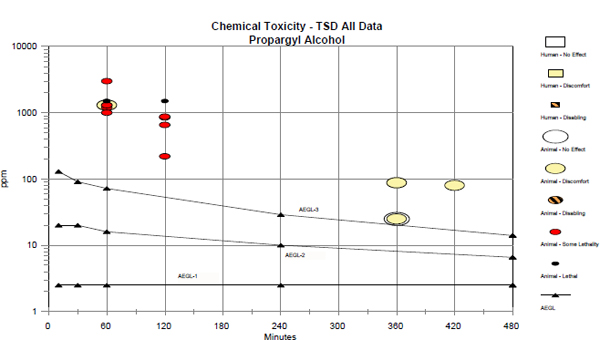
FIGURE C-1 Category plot of toxicity data and AEGL values for propargyl alcohol.
TABLE C-1 Data Used in Category Plot for Propargyl Alcohol
| Source | Species | Sex | No. of Exposures | ppm | Minutes | Category | Comments |
| NAC7AEGL-1 | 2.5 | 10 | AEGL | ||||
| NAC/AEGL-1 | 2.5 | 30 | AEGL | ||||
| NAC/AEGL-1 | 2.5 | 60 | AEGL | ||||
| NAC/AEGL-1 | 2.5 | 240 | AEGL | ||||
| NAC/AEGL-1 | 2.5 | 480 | AEGL | ||||
| NAC/AEGL-2 | 20 | 10 | AEGL | ||||
| NAC/AEGL-2 | 20 | 30 | AEGL | ||||
| NAC/AEGL-2 | 16 | 60 | AEGL | ||||
| NAC/AEGL-2 | 10 | 240 | AEGL | ||||
| NAC/AEGL-2 | 6.6 | 480 | AEGL | ||||
| NAC/AEGL-3 | 130 | 10 | AEGL | ||||
| NAC/AEGL-3 | 91 | 30 | AEGL | ||||
| NAC/AEGL-3 | 72 | 60 | AEGL | ||||
| NAC/AEGL-3 | 29 | 240 | AEGL | ||||
| NAC/AEGL-3 | 14 | 480 | AEGL | ||||
| Source | Species | Sex | No. of Exposures | ppm | Minutes | Category | Comments |
| Rat | M | 1 | 1,200 | 60 | PL | LC50 (Vemot et al. 1977) | |
| Rat | F | 1 | 1,000 | 60 | PL | LC50 (Veraot et al. 1977) | |
| Rat | 1 | 850 | 120 | PL | LC50 (Kennedy and Graepel 1991); RTECS entry) | ||
| Mouse | 1 | 3,000 | 60 | PL | 30% lethality (BASF 1965) | ||
| Mouse | 1 | 220 | 120 | PL | 5% lethality (Stasenkova and Kochetkova 1966) | ||
| Mouse | 1 | 655 | 120 | PL | 5% lethality (Stasenkova and Kochetkova 1966) | ||
| Mouse | 1 | 875 | 120 | PL | 50% lethality (Stasenkova and Kochetkova 1966) | ||
| Mouse | 1 | 1,500 | 120 | 3 | 100% lethality (Stasenkova and Kochetkova 1966) | ||
| Cat | 1 | 1,300 | 60 | PL | 1 of 2 dead (BASF 1965) | ||
| Rat | 1 | 1,500 | 60 | 3 | 10/10 dead within 3 days (Hazelton Laboratories America. Inc. 1989) | ||
| Rat | M/F | 1 | 80 | 420 | 1 | Irritation after first 7-h exposure of 59 exposures (Dow Chem. Co. 1964) | |
| Rat | M/F | 1 | 25 | 360 | 1 | No significant effects after 90 days of exposure (BASF 1965) | |
| Rat | M/F | 1 | 32 | 1,400 | 0 | No significant effects after 90 days of exposure (NTP 2008) | |
| Mouse | M/F | 1 | 16 | 1,400 | 0 | No significant effects after 90 days of exposure (NTP 2008) | |
| Guinea pig | 1 | 1,300 | 60 | 1 | Irritation of mucous membrane (BASF 1965) | ||
| Rabbit | 1 | 1,300 | 60 | 1 | Irritation of mucous membrane (BASF 1965) | ||
| Mouse | 1 | 88 | 360 | 1 | Histopathologic changes in olfactory and respiratory epithelium (Zissu 1995) | ||
| Mouse | 1 | 25 | 360 | 0 | Histopathologic changes in olfactory and respiratory epithelium (Zissu 1995) | ||
For category: 0 = no effect, 1 = discomfort, 2 = disabling, PL = partially lethal, 3 = lethal.
APPENDIX D
BENCHMARK CONCENTRATION ANALYSIS FOR PROPARGYL ALCOHOL
Stasenkova and Kochetkova, 1966; Propargyl alcohol; 2-h exposure; lethality study in mice.
Probit Model (Version: 2.8; Date: 02/20/2007)
Input Data File: C:\BMDS\PROPALC.(d)
Gnuplot Plotting File: C:\BMDS\PROPALC.plt
Mon Sep 14 13:38:16 2009
BMDS MODEL RUN

The form of the probability function is:
P[response] = Background
+ (1-Background) * CumNorm(Intercept+Slope*Log(Dose)), where CumNorm(.) is the cumulative normal distribution function
Dependent variable = COLUMN3
Independent variable = COLUMN1
Slope parameter is not restricted
Total number of observations = 5
Total number of records with missing values = 0
Maximum number of iterations = 250
Relative Function Convergence has been set to: 1e-008
Parameter Convergence has been set to: 1e-008
User has chosen the log transformed model
Default Initial (and Specified) Parameter Values
Background = 0
Intercept = -11.6925
Slope = 1.75112
Asymptotic Correlation Matrix of Parameter Estimates
| Background | Intercept | Slope | |
| Background | 1 | −0.4 | 0.39 |
| Intercept | −0.4 | 1 | −1 |
| Slope | 0.39 | −1 | 1 |
Analysis of Deviance Table
| Model | Log(likelihood) | # Param's | Deviance Test | d.f. | P-value |
| Full model | −21.8036 | 5 | |||
| Fitted model | −22.5131 | 3 | 1.41917 | 2 | 0.4918 |
| Reduced model | −62.6869 | 1 | 81.7668 | 4 | <.0001 |
AIC: 51.0263
Parameter Estimates
| 95.0% Wa Id Confidence Interval | ||||
| Variable | Estimate | Standard error | Lower confidence limit | Upper confidence limit |
| Background | 0.0252266 | 0.0247475 | −0.0232776 | 0.0737309 |
| Intercept | −45.4309 | 21.7571 | −88.074 | −2.78782 |
| Slope | 6.70209 | 3.21983 | 0.391333 | 13.0128 |
Goodness of Fit
| Scaled | |||||
| Dose | Estimated probability | Expected | Observed | Size | Residual |
| 219.0000 | 0.0252 | 0.505 | 1 | 20 | 0.707 |
| 655.0000 | 0.0490 | 0.980 | 1 | 20 | 0.020 |
| 875.0000 | 0.5012 | 10.023 | 10 | 20 | −0.010 |
| 1500.0000 | 0.9998 | 19.997 | 20 | 20 | 0.058 |
| 0.0000 | 0.0252 | 0.505 | 0 | 20 | −0.719 |
Chi-square = 1.02 d.f. = 2 P-value = 0.6003
Benchmark Dose Computation
Specified effect = 0.05
Risk Type = Extra risk
Confidence level = 0.95
BMC = 687.589
BMCL05 = 572.737
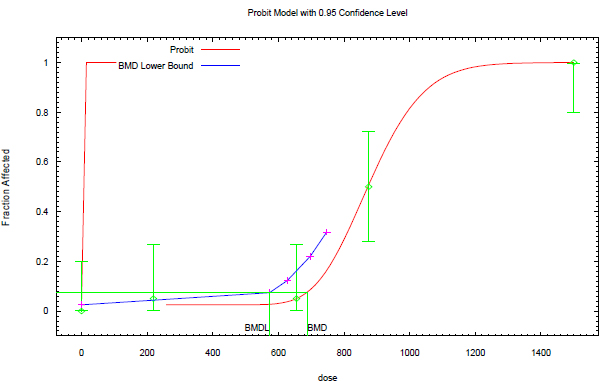
FIGURE B-1 Probit model with 0.95 confidence level.


