Toxicological Risks of Selected Flame-Retardant Chemicals (2000)
Chapter: 5 Decabromodiphenyl Oxide
5
Decabromodiphenyl Oxide
THIS chapter reviews the physical and chemical properties, toxicokinetics, toxicological, epidemiological, and exposure data on decabromodiphenyl oxide (DBDPO). The subcommittee used that information to characterize the health risk from exposure to DBDPO. The subcommittee also identified data gaps and recommended research relevant for determining the health risk from exposure to DBDPO.
PHYSICAL AND CHEMICAL PROPERTIES
DBDPO is a brominated aromatic flame retardant that exists as a white to off-white powder. Its physical and chemical properties are presented in Table 5–1.
OCCURRENCE AND USE
DBDPO is the most widely used of the polybrominated diphenyl ethers. DBDPO is a single well-defined compound, because it has no isomers. Typically, commercial DBDPO has a purity of 97–98%; the major impurities being isomers of nonabromodiphenyl oxide (NBDPO) and octabromodiphenyl oxide (OBDPO) (Marcia Hardy, Albermarle Corporation, Pers. Commun., February 9, 1999).
TABLE 5–1 Physical and Chemical Properties of DBDPO
Property | Value | Reference |
Chemical formula | C12Br10O | CHEMID 1999 |
Synonyms | decabromodiphenyl ether | IPCS 1994 |
Chemical structure |
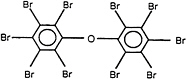 | IPCS 1994 |
CAS registry # | 1163–19–5 | CHEMID 1999 |
Molecular weight | 959 | HSDB 1998 |
Melting point | 295–305°C | HSDB 1998 |
Vapor pressure | 4.63×10⁻⁶ Pa at 21°C | Stenzel and Nixon 1997 |
Density | 3.0 g/cm3 | HSDB 1998 |
Solubility in water | <0.1 µg/L in water at 25°C; slightly soluble in acetone, benzene, dichloromethane, ortho-xylene, methanol, methyl ethyl ketone, pentane, and toluene | Stenzel and Markley 1997 |
Partition coefficient (Log Kow) | 6.26 | MacGregor and Nixon 1997 |
Tradenames | AFR 1021; Berkflam B 10E; BR 55N; Bromkal 82-ODE; Bromkal 83–10DE; Caliban F/R-P39P; EBR 700; FR300; Saytex 102; Saytex 102E; Tardex 100 | IPCS 1994 |
Approximately 12,000 tons of DBDPO are used annually worldwide. About two-thirds of the annual use is in high-impact polystyrene applications such as television and radio cabinets. Textile applications, such as those used in polyester fibers and in coatings for residential and commercial furniture, automobile fabrics, wall coverings, draperies, tarpaulins, and carpets, account for an addi-
tional 900 tons (IARC 1990). When used in textiles, DBDPO is applied as a back coating to the fabric, encapsulated in a polymer.
DBDPO is commonly used in conjunction with antimony trioxide, which acts as a synergist, contributing to the flame retardancy of the textile. Typically, the flame retardant mixture consists of about 66–75% DBDPO and 25–33% antimony trioxide. The amount of DBDPO added to the mixture varies depending on the desired flame-retardant properties of the fabric.
TOXICOKINETICS
No studies on the absorption of DBDPO were identified following dermal exposure.
Sjodin et al. (1999) compared potential inhalation exposures of three groups of workers (clerks working in front of computer screens full-time, workers at an electronics dismantling plant, and a control group of hospital cleaning workers) to polybrominated diphenyl ethers. The investigators found DBDPO in the blood serum of individuals from all three groups. The median DBDPO concentration in hospital cleaners and computer clerks was <0.7 pmol/g lipid weight (range=<0.3–3.9, respectively). The median DBDPO concentration in electronics dismantlers was 5 pmol/g lipid weight (range <0.3–9.9). Plasma levels of DBDPO were significantly higher in the electronics dismantling workers than in the other two groups, apparently resulting from inhalation of particle-bound DBDPO in the air of the dismantling plant, as high ambient levels of particle-bound DBDPO were recorded at the plant. Electronics dismantling involved grinding plastic goods in a shredder. DBDPO in the blood of cleaning workers and clerks was presumed to be due to exposure of contaminated food, although there was no correlation between plasma levels of DBDPO and fish intake (the only food evaluated in the study).
Pulmonary clearance was evaluated in rats following a single intratracheal injection of 0 or 20 mg DBDPO dust (purity 77.4%) suspended in rat serum (Dow 1976). Based on determinations of total bromine content in the lungs 3, 10, 30, 91, and 365 d following exposure, the half-life for elimination of DBDPO from the lungs was estimated to be 150 d.
Several studies (Norris et al. 1974, 1975; NTP 1986; El Dareer et al. 1987) have demonstrated that DBDPO is very poorly absorbed in rats following oral exposure, generally <1% of the amount ingested. A large percentage of absorbed DBDPO appears to be rapidly metabolized in the liver and excreted in the bile with a half-life of <24 hr (NTP 1986; El Dareer et al. 1987). Analyses of radioactivity from 14C-DBDPO and of bromine from unlabeled compound (composed of 77.4% DBDPO, 21.8% NBDPO, and 0.8% OBDPO) following
ingestion in rats indicate that DBDPO did not accumulate in tissues, other than adipose, with only slight increases occurring very slowly over time (Norris et al. 1974, 1975; Great Lakes 1976; IRDC 1976, 1977). Bromine content was not increased in the kidney, muscle, or serum of rats exposed for up to 2 yr in their diets (0.01, 0.1, or 1 mg/kg-d) (purity 77.4%) (Dow 1994).
HAZARD IDENTIFICATION1
Dermal Exposure
Irritation/Sensitization
DBDPO does not appear to be a primary irritant based on observations from a skin sensitization study in humans and dermal irritation and acnegenesis studies in animals. A human skin sensitization study was conducted in which 0.03 mL of a 5% suspension of commercial DBDPO in petrolatum (0.02 mg/kg) was applied via patch to the skin of 50 subjects three times per week for 3 wk (Dow 1972a; Norris et al. 1974, 1975). Commercial DBDPO was a mixture that contained 77.4% DBDPO, 21.8% NBDPO, and 0.8% OBDPO. The dermal applications did not result in skin sensitization reactions during the sensitizing period or on challenge 2 wk after the last application. Skin irritation, attributed to the stringency of the test procedure by the investigators, occurred in 9 of the 50 subjects (14/450 total applications; 11 of the reactions were classified as very slight and 3 as mild erythema).
DBDPO caused essentially no dermal response in rabbits when applied as a dry solid (500 mg) to intact shaved skin under occluded conditions for 24 hr, and a slight erythematous and edematous response when similarly applied to abraded skin (Norris et al. 1974, 1975; IRDC 1974). Repeated application of dry solid DBDPO (500 mg) to intact skin of rabbits for 5 d/wk for 2 wk or to abraded skin for 3 d also did not alter their dermal responses.
An acnegenesis study was performed in which 0.1 mL of 0.1%, 1%, 10%, or 100% DBDPO (0.40 mg/kg) in chloroform was rubbed into the external ear canal of four rabbits/dose level once a day, 5 d/wk for 4 wk (Pharmakon 1981). Observations made prior to the initial dose and after 7, 14, 21, and 28 d of dosing showed slight erythema, epidermal sloughing and scaling (effect levels
not specified), but no clear indication of chloracne (a slight response was observed in one animal at the 10% concentration on d 28). Gross necropsy showed no treatment-related systemic effects. Norris et al. (1974, 1975) similarly reported that a 10% chloroform solution of DBDPO caused slight erythema and exfoliation, and no indication of chloracne, when applied to the ear of rabbits for 28 d. Other industry studies also found that 10% DBDPO in chloroform did not induce chloracne in rabbits (Dow 1970, 1971, 1972b, 1972c, 1973).
Ocular exposure to dry solid DBDPO caused transient conjunctival irritation in washed and unwashed rabbit eyes. Instillation of DBDPO (100 mg/eye) into the eye caused very slight conjunctival redness and chemosis and slight or moderate discharge in some rabbits, but the investigators concluded that the effects were not serious enough to be considered primary eye irritation (Norris et al. 1975; IRDC 1974). Pharmakon (1981) similarly reported that DBDPO (Saytex 102) did not cause primary eye irritation when instilled once (100 mg/eye) into the eye of rabbits.
Systemic Effects
DBDPO has low acute toxicity via the dermal route. This conclusion is based on lack of treatment-related effects, including body weight gain and survival, in rabbits following single administrations of 200- or 2,000-mg/kg to clipped intact skin for 24 hr and observed for 14 d (IRDC 1974; Great Lakes 1977). No data were located that investigated the chronic toxicity of DBDPO from dermal exposures.
Other Systemic Effects
No data were identified on immunological, neurological, reproductive, developmental, or carcinogenic effects of DBDPO following dermal exposure.
Inhalation Exposure
Systemic Effects
A higher than normal prevalence of primary hyperthyroidism and a significant reduction in calf sensory and fibula motor nerve velocities were observed in workers exposed to DBDPO during manufacturing (Bahn et al. 1980, as cited in NTP 1986; Bialik 1982, as cited in HSDB 1998). No other effects were
observed. It was unclear whether these effects were due to DBDPO, which was not detected in the blood of the workers, or to polybrominated biphenyls (PBBs), which were found in the blood and were previously manufactured at the plant. Surveys of workers during the manufacture and use of DBDPO have determined time-weighted average (TWA) ambient air exposures of 1–4 mg/m3, with more than 90% of the particles <10 µm in diameter (NTP 1986). However, no definitive conclusion can be drawn on the toxicity of DBDPO in humans because of confounding exposures to PBBs. No other human data are available on the toxicity of DBDPO from inhalation exposure.
No deaths or effects on body weight gain were observed in rats exposed to DBDPO at concentrations of 2,000 or 48,000 mg/m3 for 1 hr and observed for 14 d (IRDC 1974; Great Lakes 1984). However, dyspnea and ocular porphyrin discharge were observed at both levels, and eye squint was seen at the high concentration only. Effects on pulmonary tissue were evaluated in rats following a single intratracheal injection of 0 or 20 mg DBDPO dust (purity 77.4%) suspended in rat serum (Dow 1976). All rats were observed frequently for changes in appearance and demeanor, body weights were determined weekly for the first month, biweekly up to 5 mo, and monthly through 1 yr. Gross and histopathological examinations of the trachea, lungs, and thoracic lymph nodes were performed on groups of rats that were killed on post-treatment d 10, 30, 416, and 556. Histopathological effects were limited to minimal changes (scattered focal aggregates of alveolar macrophages) consistent with retention of large dust particles that would not normally reach the lungs during inhalation. No toxicity data were identified from chronic inhalation studies.
Other Systemic Effects
No data on immunological, reproductive, developmental or carcinogenic effects of DBDPO were identified following inhalation exposure.
Oral Exposure
A summary of toxicity studies from oral exposures is presented in Table 5–2.
Systemic Effects
No human toxicity data were located from oral exposure to DBDPO. In animals, DBDPO has low acute toxicity following oral exposure in part because of its poor gastrointestinal absorption. No clinical signs of toxicity or death occurred in rats that received single gavage doses as high as 5,000 mg/kg
TABLE 5–2 Oral Noncancer Studies of DRDPO
Species, Strain, Sex, Number | Purity | Dose (mg/kg-d)a | Duration | Effects | NOAEL/ LOAEL | References |
Rats, Sprague-Dawley, M, 5/dose | 77.4% | 0, 8, 80, 800 | 30 d | Thyroid hyperplasia (80, 800); increased liver weight (80); increased liver weight, pathology (800); renal tubular degeneration (800) | NOAEL: 8 mg/kg-d LOAEL: 80 mg/kg-d | Norris et al. 1973, 1974, 1975 |
Rats, NS, M/F, 10/dose | NS | 0, 7.4, 74 | 3 studies, 28 d | No histology liver or thyroid | NOAEL: 74 mg/kg-d | Great Lakes 1976; IRDC 1976, 1977 |
Rats, F344, M/F, 10/dose | 97–99% | 0%, 0.31%, 0.62%, 1.25%, 2.5%, 5.0% | 13 wk | No effects on body weight, survival, organ weights, histology | NOAEL: 5.0% | Hazelton 1979a, b; NTP 1986 |
Mice, B6C3F1, M/F, 10/dose | 97–99% | 0%, 0.31%, 0.62%, 1.25%, 2.5%, 5.0% | 13 wk | No effects on body weight, survival, organ weights, histology | NOAEL: 5.0% | Hazelton 1979a, b; NTP 1986 |
Rats, Sprague-Dawley, M/F, 25/dose | 77.4% | 0, 0.01, 0.1, 1 | 2 yr | No histology | NOAEL: 1 mg/kg-d | Norris et al. 1974, 1975; Dow 1994; Kociba et al. 1975 |
(IRDC 1974; Great Lakes 1984; Nissimov 1984). When DBDPO was administered to rats by single gavage doses of up to 2,000 mg/kg, no signs of toxicity were noted up to 14 d after dosing (Norris et al. 1974, 1975). Liver weights increased without enzymatic changes in rats treated with 96 mg/kg-d by gavage for 14 d (Carlson 1980). Rats and mice that ingested DBDPO for 14 d in dietary doses up to 10,850 and 23,100 mg/kg-d, respectively, showed no clinical signs or effects on body weight, survival, or gross pathology (NTP 1986). Liver weight and histology were not evaluated.
Longer-term oral exposure at high doses to DBDPO caused changes in the thyroid gland. Thyroid hyperplasia was induced in male rats fed DBDPO at doses of 80 or 800 mg/kg-d, but not at a dose of 8 mg/kg-d, for 30 d (Norris et al. 1973, 1974, 1975). Incidences of this lesion were not reported, only five rats/dose were tested, and the test material was 77.4% DBDPO, 21.8% NBDPO, and 0.8% OBDPO. The doses in the Norris et al. (1974, 1975) and Sparschu et al. (1971) reports are estimated based on 0.01%, 0.1%, and 1.0% dietary concentrations of DBDPO. The Norris et al. (1974, 1975) study is the same study as reported in Sparschu et al. (1971).
No histological changes in the thyroid were found in three 28-d studies in which groups of 10 male and 10 female rats ingested similar doses of DBDPO (7.4 or 74 mg/kg-d, corresponding to 0.01% or 0.1% in the diet) (Great Lakes 1976; IRDC 1976, 1977) as used in the Norris et al. (1974, 1975) studies. However, these studies may be limited by possible use of different formulations or batch numbers within the same study and/or an absence of statistical analyses. Rats and mice that ingested DBDPO for 13 wk up to 2,500 and 7,000 mg/kg-d, respectively, showed no clinical signs or effects on survival, body weight, food consumption, or gross or microscopic pathology (NTP 1986).
Additional evidence for DBDPO-related thyroid changes is provided by the occurrence of thyroid follicular cell hyperplasia in 2/50, 10/50, and 19/50 male mice that were fed 0, 3200, and 6650 mg/kg-d DBDPO (purity 94–97%) in the diet, respectively, for 103 wk (NTP 1986). Follicular cell hyperplasia was not observed in female mice or male or female rats that were similarly exposed to DBDPO at doses as high as 7,780, 2,240, or 2,550 mg/kg-d, respectively. DBDPO doses in these rat and mouse studies corresponded to dietary concentrations of 25,000 or 50,000 ppm (2.5% or 5.0%). A NOAEL for the thyroid hyperplasia could not be determined because the lesion was induced at the lowest dose tested in the male mice. The LOAEL is therefore 3,200 mg/kg-d. The follicular cell hyperplasia observed in the male mice after 103 wk was not observed in preliminary 13-wk mouse and rat studies using the same maximum dietary test concentrations of DBDPO (Hazleton Labs 1979a, 1979b; NTP 1986). Rats (25/sex/dose) that ingested much lower dietary doses of DBDPO (0.01, 0.1, or 1 mg/kg-d; 77.4% pure containing 21.8% NBDPO and
0.8% OBDPO) for up to 2 yr also had no exposure-related histopathological changes in the thyroid or other tissues (Norris et al. 1974, 1975; Kociba et al. 1975; Dow 1994).
Dietary exposure to DBDPO also caused liver changes in animals. Male rats that were fed 8, 80, or 800 mg/kg-d DBDPO for 30 d had increased liver weight at 80 and 800 mg/kg-d, accompanied by hepatic centrilobular cytoplasmic enlargement and vacuolation at 800 mg/kg-d (Norris et al. 1974, 1975). Incidences of hepatic effects were not found, only five rats/dose were tested, and the test material was 77.4% DBDPO, 21.8% NBDPO, and 0.8% OBDPO. No DBDPO-related changes in liver weight or histology were observed in three 28-d studies in which groups of 10 male and 10 female rats ingested similar dietary doses of DBDPO (7.4 or 74 mg/kg-d) (Great Lakes 1976; IRDC 1976, 1977). However, as stated above, these studies are limited by possible use of different formulations or batch numbers within the same study and/or an absence of statistical analyses.
Centrilobular hypertrophy was observed in male mice fed 3,200 or 6,650 mg/kg-d DBDPO (purity 94–97%) for 103 wk, but not in female mice, or male and female rats that were similarly exposed to doses as high as 7,780, 2,240, or 2,550 mg/kg-d, respectively (NTP 1986). The centrilobular hypertrophy consisted of enlarged hepatocytes with frothy vacuolated cytoplasm. A NOAEL was not established for liver effects because the centrilobular hypertrophy occurred at the lowest dose tested in male mice. The LOAEL is therefore 3,200 mg/kg-d. Incidences of thrombosis and degeneration of the liver were increased in male rats at 2,240 mg/kg-d (LOAEL), but not at 1,120 mg/kg-d (NOAEL); these hepatic effects were not observed in the female rats or mice of either sex. Thrombosis was characterized by a near total occlusion of a major hepatic blood vessel by a dense fibrin coagulum. No liver effects were observed in the preliminary 13-wk rat and mouse studies using the same maximum dietary test concentrations of DBDPO (NTP 1986; Hazleton Labs 1979a, 1979b). Rats (25/sex/dose) that ingested much lower dietary doses of 0.01, 0.1, or 1 mg/kg-d DBDPO (77.4% DBDPO, 21.8% NBDPO and 0.8% OBDPO) for up to 2 yr had no exposure-related histopathological changes in the liver or other tissues (Norris et al. 1974, 1975; Kociba et al. 1975; Dow 1994).
The subchronic and chronic studies summarized above showed few effects on target organs other than the thyroid and liver. The chronic dose that caused liver thrombosis and degeneration in male rats (2,240 mg/kg-d for 103 wk) also induced fibrosis of the spleen and lymphoid hyperplasia (NTP 1986). Body weight gain was decreased by 13% in female rats fed 11,110 mg/kg-d for 14 d (Hazleton Labs 1978) and decreased by 14% in female rats fed 3,650 mg/kg-d for 13 wk (Hazleton Labs 1979a). However, these effects may not be treatment related because they were not observed in the other studies, some of which
included animals treated at higher doses for longer durations. Renal tubular hyaline degeneration was found in male rats fed 800 mg/kg-d DBDPO for 30 d (Norris et al. 1975), but this may be indicative of α-2µ globulin nephropathy and therefore not relevant to humans.
Reproductive and Developmental Effects
No data were located on reproductive and developmental toxicity of DBDPO in humans from oral exposure. No signs of toxicity were observed in a single-generation reproductive study in which male and female rats were fed 3, 30, or 100 mg/kg-d DBDPO (77.4% pure containing 21.8% NBDPO and 0.8% OBDPO) for 60–90 d prior to mating, and subsequently throughout mating, gestation, and lactation (Dow 1975; Norris et al. 1975). The NOAEL for reproductive toxicity was 100 mg/kg-d; a LOAEL was not established. Rats that were treated with 10, 100, or 1,000 mg/kg-d DBDPO (77.4% pure containing 21.8% NBDPO and 0.8% OBDPO) by gavage on gestation d 6–15 showed no maternal toxicity or teratogenic effects, although fetotoxicity was observed at the highest dose (Norris et al. 1974, 1975; Dow 1985, 1994). There were significant increases in numbers of litters with subcutaneous edema and delayed ossification of skull bones at 1,000 mg/kg-d (Norris et al. 1974). A significant increase in the percentage of resorptions in all treated groups was also observed, but this effect was not considered to be treatment related because of the lack of a dose-response relationship at higher doses. The NOAEL and LOAEL for fetal effects were 100 and 1,000 mg/kg-d, respectively, and the NOAEL for maternal effects was 1,000 mg/kg-d.
Cancer
Information on the carcinogenicity of DBDPO is available from two chronic feeding studies in rodents (Kociba et al. 1975; NTP 1986). The NTP (1986) bioassay was performed using groups (50/sex/dose) of F344/N rats and B6C3F1 mice that were fed DBDPO (94–97% pure) at dietary concentrations of 0, 25,000, or 50,000 ppm for 103 wk. (This is equivalent to 1120, 1200, and 2240 mg/kg-d in male rats; 1120, 1200, and 2550 mg/kg-d in female rats; 3200, 3760, and 6650 mg/kg-d in male mice; and 3200, 3760, and 7780 mg/kg-d in female mice.) Incidences of liver neoplastic nodules were significantly increased in low- and high-dose male rats (7/50 and 15/49, respectively, compared to 1/50 in controls) and high-dose female rats (9/50 compared to 1/50 and 3/49 in control and low-dose groups, respectively); this lesion appeared to be compound related. Incidence of hepatocellular carcinomas was low in all rat
groups and apparently not compound related. There was a positive trend in mononuclear cell leukemia in male rats (30/50 controls, 33/50 low-dose rats, 35/50 high-dose rats), but the increase was marginal and not considered to be biologically significant because of the unusually high incidence in controls. A significant positive trend and marginally greater incidence of acinar cell adenomas in the pancreas of high-dose male rats were also observed, but this lesion was considered to not be compound related (NTP 1986). Hepatocellular adenomas or carcinomas (combined) were significantly increased in low- and high-dose male mice (8/50 controls, 22/50 low-dose mice, 18/50 high-dose mice). The incidence of hepatocellular carcinomas alone was significantly elevated in male mice in the low-dose group, but not in the high-dose group, as compared with controls. Thyroid gland follicular cell adenomas or carcinomas (combined) were marginally, but not significantly increased in male mice (0/50 controls, 4/50 low-dose mice, 3/50 high-dose mice). The possible significance of this finding was strengthened by increased incidences of follicular cell hyperplasia in the male mice (2/50 controls, 10/50 low-dose mice, 19/50 high-dose mice), but was weakened by increased mortality in control animals. There was no evidence of carcinogenicity in the female mice at either dose. The NTP study (1986) concluded that there was “some evidence of carcinogenicity” for male and female rats based on significantly increased incidences of neoplastic nodules of the liver, and “equivocal evidence of carcinogenicity” for male mice based on a significantly increased incidence of hepatocellular tumors in only the low-dose group and non-statistically significant increases in thyroid follicular cell tumors in both dose groups. The conclusion of “some evidence of carcinogenicity” in rats appears to be based on the finding that the only chemical related effect was benign liver neoplasms (NTP 1986). The conclusion of “equivocal evidence of carcinogenicity” in male mice appears to be based on the interpretation that the increases in liver and thyroid tumors are marginal and chemical related.
There was no evidence of carcinogenicity in groups of 25 male and 25 female Sprague-Dawley rats that were fed 0, 0.01, 0.1, or 1 mg/kg-d DBDPO in the diet for up to 2 yr (Kociba et al. 1975). The test material was 77.4% pure containing 21.8% NBDPO and 0.8% OBDPO. It has been suggested that the doses and numbers of animals used in this study were inadequate to determine carcinogenic potential (Ulsamer et al. 1980, as cited in NTP 1986; IARC 1990).
Other Systemic Effects
No data on immunological or neurological effects were located from studies of oral exposures to DBDPO.
Genotoxicity
DBDPO does not appear to be genotoxic. DBDPO did not induce gene mutations in Salmonella typhimurium in most Ames assays (Great Lakes 1976; Litton Bionetics 1976; Gulf South Research 1977; Huntingdon Research 1978; Haworth et al. 1983; Nissimov 1984; NTP 1986; Wagner and Klug 1998). DBDPO did not induce mutations in mouse L5178Y lymphoma cells, chromosomal aberrations in mouse bone marrow cells, or sister-chromatid exchanges or cell transformation in Chinese hamster ovary cells (Norris et al. 1975; NTP 1986; McGregor et al. 1988; Myhr et al. 1990; LeBoeuf et al. 1996).
QUANTITATIVE TOXICITY ASSESSMENT
Noncancer
Dermal Assessment
Available data suggest that DBDPO is not irritating to the skin and is not a dermal sensitizer. Systemic effects of short- or long-term dermal exposures to DBDPO have not been adequately studied. There were no treatment-related changes in body weight gain or survival in rabbits following a single application of ≤2,000 mg/kg (IRDC 1974; Great Lakes 1977). There were no treatment-related changes in body weight or gross pathological effects in rabbits treated with 40 mg/kg-d DBDPO (rubbed into external ear canal skin) for 4 wk in an acnegenesis assay (Pharmakon 1981). There is insufficient information on toxicity of DBDPO from subchronic or chronic dermal exposures to estimate the dermal RfD.
Inhalation RfC
The subcommittee identified no inhalation studies of sufficient duration (i.e., subchronic or chronic) for deriving an RfC, since the available data are limited to an acute inhalation study (IRDC 1974; Great Lakes 1984) and an acute intratracheal study (Dow 1976). Therefore, the subcommittee did not derive an inhalation RfC for DBDPO.
Oral RfD
EPA’s reference dose (RfD) of 1×10⁻² mg/kg-d for DBDPO is based on the 1 mg/kg-d NOAEL for histopathology and other toxicity endpoints in rats
exposed via diet for 2 yr (Kociba et al. 1975). Doses higher than 1 mg/kg-d were not tested in this study, precluding identification of a LOAEL. The reason the NTP (1986) 2-yr toxicology/carcinogenesis bioassay for DBDPO was not considered in the current RfD summary in IRIS (EPA 1999) is because it was not available at the time of the RfD derivation (1984–1985). The subcommittee believes that it was appropriate to reevaluate the RfD considering the NTP data, because of the higher compound purity (≈99% versus 77.4%), reflecting the actual chemical composition applied as a flame retardant (Marcia Hardy, Albermarle Corporation, Pers. Commun., February 9, 1999); the larger number of animals (50 versus 25 rats/sex/dose); the higher dose levels; and the use of a second species in the NTP (1986) bioassay in comparison to the Kociba et al. (1975) study.
The subcommittee derived an oral RfD for DBDPO by using the chronic NOAEL of 1,120 mg/kg-d, based on liver thrombosis and degeneration observed in rats at the next higher dose (NTP 1986), and a composite uncertainty factor of 300, resulting in an RfD of 4 mg/kg-d (RfD=NOEL÷ 300) (see Table 5–3). The composite uncertainty factor is comprosed of 3 uncertainty factors: 10 for interspecies extrapolation, 10 for intraspecies variability, and 3 for database uncertainties (10A×10H×3D=300). The RfD is based on a well-designed chronic toxicity study of DBDPO in two species. Data on chronic, developmental, and reproductive toxicity are available from other studies in rats. However, limitations in these studies (particularly compound purity (77.4%), lack of a second species, and use of low dose levels in the chronic study; lack of longer than one-generation testing in the reproductive study) indicate that there is some uncertainty in the DBDPO database. Based on these considerations, an uncertainty factor of 3, instead of 10, for database insufficiency was used.
Confidence in the key study (NTP 1986) is high because it was well conducted and because it used two species, a sufficient number of animals, a
TABLE 5–3 Oral Reference Dose for DBDPO
Critical effect | Species | Effect level (mg/kg-d) | Uncertainty factors | RfD (mg/kg-d) | Reference |
Liver thrombosis and degeneration observed at the LOAEL of 2,240 mg/kg-d | Male and female rats | NOAEL: 1,120 | UFA: 10 UFH: 10 UFD: 3 Total: 300 | 4.0 | NTP (1986) |
NOAEL, no-observed-adverse-effect level; RfD, reference dose; UFA, extrapolation from animals to humans; UFH, extrapolation for intraspecies variation; UFD, inadequate or deficient toxicity database. | |||||
dose range adequate to identify a NOAEL and LOAEL for a known sensitive effect, and a high-purity test formulation. However, confidence in the database is low because of limitations in the available developmental, reproductive, and supporting chronic toxicity studies of DBDPO, as well as use of low-purity compound, lack of testing in species other than the rat, lack of multigenerational reproductive tests, and a low range of chronic dose levels. Therefore, confidence in the provisional RfD is medium to low.
Cancer
Oral
There are no epidemiological data available on the carcinogenicity of DBDPO. However, the carcinogenicity of DBDPO has been assessed in two chronic bioassays (Kociba et al. 1975; NTP 1986). No evidence for carcinogenicity was observed in male or female Sprague-Dawley rats fed dose levels of 0, 0.01, 0.1, or 1 mg/kg-d DPDPO in their diet for 2 yr (Kociba et al. 1975). However, this study has several limitations including use of an inadequate number of animals (25/sex/dose), dosing with impure DBDPO (77.4% DBDPO, 21.8% NBDPO, 0.8% OBDPO), and utilization of dose levels that were probably below the maximum tolerated dose (MTD) (see NTP 1986). “Some evidence of carcinogenicity” was reported by NTP (1986) for male and female rats fed DBDPO in their diet at dose levels of up to 50,000 ppm for 2 yr. NTP (1986) reports that there was “equivocal evidence of compound-related carcinogenicity” for mice exposed to DBDPO in their diet for 2 yr at dose levels of 25,000 or 50,000 ppm.
The EPA weight-of-evidence cancer classification for DBDPO in accordance with the currently used 1986 Guidelines for Carcinogenic Risk Assessment (EPA 1986) is Group C, possible human carcinogen (EPA 1999). This is based on no human data and limited evidence of carcinogenicity in animals (NTP 1986), specifically, statistically significant increases in the incidences of “neoplastic nodules” of the liver in male and female rats and hepatocellular adenomas and carcinomas combined in male mice. Under the newer Proposed Guidelines for Carcinogenic Risk Assessment (EPA 1996), which take into account genotoxicity data, the weight-of-evidence for the carcinogenic potential of DBDPO in humans would be termed “suggestive evidence of carcinogenicity, but not sufficient to assess human carcinogenic potential.”
The subcommittee has concluded that the weight-of-evidence, based on the data currently available, suggests that DBDPO is a possible carcinogen in rats. Because there is uncertainty concerning the carcinogenicity of this compound,
the subcommittee concluded that derivation of a cancer risk estimate was warranted and should be used for assessing the potential carcinogenic risk associated with this compound when used as a flame retardant in residential furniture. The subcommittee believes that derivation of a cancer potency factor (0.1/LED10) as opposed to a hazard index is justified in this case because a NOAEL was not detected for liver nodules in rats (NTP 1986).
The subcommittee has not concluded that DBDPO is a carcinogen in humans but believes that a conservative approach is justified at this time in order to be protective of human health. The subcommittee acknowledges that the increased incidence of “neoplastic nodules” of the liver in male and female rats and male mice does not constitute sufficient evidence for the carcinogenicity of DBDPO and is aware that there is controversy over the significance of these lesions in determining cancer risk (Maronpot et al. 1986). However, the finding of marginal increases in follicular cell tumor incidence in conjunction with an increased frequency of hyperplasia in dosed animals as compared with controls is suggestive of a carcinogenic response and adds weight for the use of a conservative approach for evaluating the carcinogenicity of DBDPO. This approach is further justified by other scientists who have concluded that hyperplasia is a stage in the thyroid follicular cell carcinogenic process (Hill et al. 1989, 1998; EPA 1998; Hard 1998).
The cancer potency factor (0.1/LED10) was derived for DBDPO using both the censored (for early death) and uncensored neoplastic nodule incidence data for male rats from NTP (1986). Use of the censored data produced a 0.1/LED10 of 9×10⁻⁴/mg/kg-d as compared with 7×10⁻⁴/mg/kg-d when the uncensored data were used in the derivation (see Table 5–4). Use of censored data represents a crude attempt to adjust for differential mortality among male rats (low-and high-dose groups). Survival of the low-dose male rats was reduced as compared to controls and to males in the high-dose group; these differences were statistically significant by the end of the study. The number of neoplastic nodules produced might have been greater in the animals of this dose group if a greater number had survived until the 2-yr termination point.
Data for female rats were not used to calculate a cancer slope factor because LED10 values derived from female liver neoplastic nodule incidence data were roughly two-fold greater (less protective) than those for male rats. LED10s were also derived using liver adenoma and carcinoma incidence (combined) in male mice, but model fit was “poor” when either censored or uncensored data for these tumor types were used. This is primarily because of the higher incidence of tumors in the low- versus high-dose groups. These values were higher, and thus less protective, than LED10 values derived from female rat liver nodule data.
TABLE 5–4 Cancer Assessment for DBDPO Based on Hepatic Neoplastic Nodules Reported for Male Rats in NTP (1986) Study (oral exposure)
| Daily dose level (mg/kg-d) | 0.1/LED10 derivation | ||||
Nodules | 0 | 1,120 | 2,240 | LED10b (mg/kg-d) | LED10 (mg/kg-d), adjustedc | 0.1/LED10d (mg/kg-d)−1 |
Uncensored | 1/50 | 7/50 | 15/49 | 516 | 137 | 7×10⁻⁴ |
Censoreda | 1/45 | 7/38 | 15/45 | 435 | 115 | 9×10⁻⁴ |
LED, lowest effective dose aAnimals in all groups that died prior to the occurrence of the first hepatic neoplastic nodule in either treated group (wk 87) were removed from the denominator on the assumption that these animals had insufficient opportunity to develop the tumor. bCalculated using a multistage model fit to the dose-response data and based on extra risk. cDose adjusted for human equivalency by taking the ratio of human body weight to rat body weight over human to rat body weight to the 0.75 power (EPA 1992). Defaults used: human body weight, 70 kg; rat body weight, 0.35 kg. dCalculated as 0.1/LED10, as per the EPA (1996, 1999) proposed cancer guidelines. | ||||||
The subcommittee has low-to-moderate confidence that the NTP (1986) bioassay results accurately characterize the carcinogenic potential of DBDPO. While the assay was not conducted at the MTD, the dose levels administered were the highest recommended for use in NTP studies. Mortality was significantly elevated among male rats in the low-dose group and in male control mice and is an issue when judging the quality of the study.
The subcommittee places moderate confidence in the derived LED10, and subsequently the 0.1/LED10. The NOAEL for liver neoplastic nodules in the NTP (1986) bioassay was not determined, which raises the concern that these effects could occur at lower dose levels than the LED10.
EXPOSURE ASSESSMENT AND RISK CHARACTERIZATION
Noncancer
Dermal Exposure
The assessment of noncancer risk for the dermal route of exposure is based on the dermal exposure scenario described in Chapter 3. This exposure scenario
assumes that an adult spends 1/4th of his or her time sitting on furniture upholstery backcoated with DBDPO and also assumes that 1/4th of the upper torso is in contact with the upholstery and clothing presents no barrier. Exposure to other chemicals present in the backcoating were not included in this assessment.
First Iteration
As a first estimate of exposure, it was assumed that the skin and clothing of the person sitting on the couch, and the fabric of the couch, would present no barrier to movement of DBDPO. In addition, it was assumed that there would be sufficient water present (e.g., from sweat) to allow dissolution of the DBDPO in the water, and transfer to the skin and into the body of the sitting individual. The only limiting factor on the transfer rate using these assumptions results from the limited dissolution rate from the fabric—all the DBDPO that dissolves is assumed to be absorbed immediately by the sitting individual.
Dermal exposure was estimated using Equation 1 in Chapter 3. For this calculation, the subcommittee estimated an upholstery application rate (Sa) for DBDPO of 5 mg/m2. The extraction rate (µw) by water for DBDPO was estimated to be 0.025/d based on extraction data for hexabromocyclododecane in polyester fiber (McIntyre et al. 1995). This release rate was calculated as 0.04/d at 28°C from the fiber, with a correction from fiber to film of a factor of 0.63 (2nd/2 πR for film thickness d, fiber radius R).
Using these values specific to DBDPO, the estimated dermal absorbed dose rate was determined to be 0.98 mg/kg-d. Although lack of sufficient data precludes deriving a dermal RfD, the oral RfD (4 mg/kg-d) was used to calculate a hazard index. The hazard index of 0.25, derived by dividing the dermal absorbed dose rate of 0.98 mg/kg-d by the oral RfD of 4 mg/kg-d, indicates that DBDPO does not pose a noncancer risk by the dermal absorption route when used as an upholstery fabric flame retardant. Nevertheless, an alternative iteration of the exposure assessment was performed because of concerns about potential cancer risk (see below).
Alternative Iteration
For the alternative iteration of the dermal assessment, the same exposure assumptions were made as in the first iteration, except that the assumption of immediate absorption of all the DBDPO that dissolves was modified. Instead,
an estimate of the rate at which DBDPO can penetrate the skin was determined, assuming that DBDPO dissolves up to its solubility limit in water. This rate of penetration was then factored into the exposure assessment.
The rate of penetration of a chemical through skin may be estimated using the skin permeability coefficient (Kp, with dimensions of velocity)—the total mass penetration rate is the product of water concentration, permeability coefficient, and skin area. This coefficient has not been measured for DBDPO. However, it was estimated from the octanol-water partition coefficient (Kow, dimensionless) and molecular weight (m, mass/unit amount of substance) using a correlation (Potts and Guy 1992) based on Equation 2 in Chapter 3. The value estimated from this correlation is 3.21×10⁻⁴ cm/d for DBDPO.
Using Equation 5 in Chapter 3 in conjunction with the permeability coefficient (3.21×10⁻⁴ cm/d) and the water solubility specific to DBDPO (<0.1 µg/L), the dose rate, using this alternative iteration, was estimated to be 1.33 ×10⁻⁹ mg/kg-d. The hazard index was then recalculated by dividing the dermal absorbed dose rate (1.33×10⁻⁹ mg/kg-d) by the oral RfD (4 mg/kg-d), as the best estimate for internal dose from dermal exposure. The hazard index of 3.34 ×10⁻¹⁰, again demonstrates that DBDPO, used as an upholstery fabric flame retardant, is not likely to pose a noncancer risk from dermal exposure.
Inhalation Exposure
Particles
Inhalation exposure estimates for DBDPO were calculated using the exposure scenario described in Chapter 3. This scenario assumes that a person spending a quarter of his or her life in a room with low air-change rates (0.25/hr) and with a relatively large amount of fabric upholstery (30 m2 in a 30 m3 room), with the DBDPO treatment gradually being worn away over 25% of its surface to 50% of its initial quantity over the 15 yr lifetime of the fabric. A small fraction, 1%, of the worn-off DBDPO is released into the indoor air as small particles that may be inhaled.
Particle exposure was estimated using Equations 4 through 6 in Chapter 3. The release rate (µw) for DBDPO from upholstery, 2.3×10⁻⁷/d (Equation 5), was used in conjunction with the upholstery application rate (Sa) for DBDPO of 5 mg/cm2 to calculate a room airborne particulate concentration of 1.9 mg/m3 (Equation 4). Factoring in the fraction of a day a person spends in the room containing upholstery (0.25), the time-average exposure concentration was determined to be 0.48 mg/m3 (Equation 6).
For the purpose of estimating a hazard index for the inhalation of DBDPO
and in the absence of relevant inhalation exposure data, the subcommittee chose to estimate the inhalation RfC from the oral RfD. The subcommittee, however, recognizes that this is not an ideal approach and also recognizes that the estimated RfC might be considerably different than the actual reference concentration (if inhalation data were available). Extrapolating from one route of exposure (oral) to another (inhalation) requires specific knowledge about the uptake kinetics into the body by each exposure route, including potential binding to cellular sites. The subcommittee believes that its extrapolation of the oral RfD to the inhalation RfC is highly conservative; it assumes that all of the inhaled compound is deposited in the respiratory tract and is completely absorbed into the blood. The NRC Committee on Toxicology (NRC 1985) has used this approach when inhalation exposure data were insufficient to derive inhalation exposure levels. The subcommittee believes that such an approach is justified for conservatively estimating the toxicological risk from exposure to DBDPO. The provisional RfC should be used as an interim or provisional level until relevant data become available for the derivation of an inhalation RfC for calculating the hazard index.
Based on this, a provisional RfC of 14 mg/m3 was derived from the oral RfD of 4.0 mg/kg-d and Equation 7 in Chapter 3. A hazard index of 3.4×10⁻⁵ was estimated by dividing the exposure concentration (0.48 µg/m3) by the provisional inhalation RfC (14 mg/m3). This indicates that under the worst case exposure assumptions, DBDPO, used as an upholstered flame retardant, does not pose any noncancer risk via inhalation of DBDPO in the particulate phase.
Vapors
In addition to the possibility of release of DBDPO in particles worn from upholstery fabric, the subcommittee considered the possibility of its release by evaporation. The approach is described in Chapter 3 and uses a scenario similar to that previously described for exposure to DBDPO in the particulate phase.
Using Equations 8 through 10 in conjunction with the saturation vapor concentration (Cv) (1.8×10⁻³ mg/m3) and the application density (Sa) (5 mg/cm2) for DBDPO, the equilibrium room-air concentration of DBDPO was estimated to be 1.52×10⁻³ mg/m3. From Equation 11, it was determined that this vapor concentration could be maintained for approximately 390 yr. Factoring in the fraction of a day a person spends in the room containing upholstered fabric (0.25), the time-average exposure concentration was determined to be 3.8× 10⁻⁴ mg/m3.
Division of this exposure concentration (3.8×10⁻⁴ mg/m3) by the provisional inhalation RfC (14 mg/m3) results in a hazard index of 2.71×10⁻⁵, indi-
eating that under the worst case scenario, exposure to DBDPO, used as an upholstery flame retardant, is not likely to pose a noncancer risk via the inhalation route, when exposure occurs in the vapor phase.
Oral Exposure
The assessment of the noncancer risk for the oral exposure route is based on the scenario described in Chapter 3. This scenario assumes a child is exposed to DBDPO through sucking on 50 cm2 of fabric back coated with DBDPO daily for 2 yr, 1 hr/d. The dose rate to the child was calculated using Equation 15 in Chapter 3. DBDPO specific parameters used in this calculation included an upholstery application rate (Sa) of 5 mg/m2 and an extraction rate (µw) by saliva of 0.025/d. This extraction rate was based on data for hexabromocyclododecane in polyester fiber (McIntyre et al. 1995) and was calculated as 0.04/d at 28°C from the fiber, with a correction from fiber to film of 0.63 (2d/2πR for film thickness d, fiber radius R).
Using these values, the average oral dose rate was estimated to be 2.6×10⁻² mg/kg-d, compared with an oral RfD of 4 mg/kg-d, giving a hazard index of 6.5 ×10⁻³. It was concluded that DBDPO used as an upholstery fabric flame retardant does not pose any noncancer risk via the oral route.
Cancer
Dermal Exposure
Human cancer risk for dermal exposure to DBDPO was calculated by multiplying the lifetime oral cancer potency factor for DBDPO by the lifetime average dermal dose rate. Using the lifetime average dermal dose rate of 1.33×10⁻⁹ mg/kg-d, obtained in the alternative dermal exposure iteration (see the Noncancer Dermal Exposure section), and multiplying this by the cancer potency estimate of 9×10⁻⁴ kg-d/mg, a lifetime risk estimate of 1.20×10⁻¹² is obtained. This estimate is small enough that the cancer risk through dermal contact with DBDPO used as an upholstery-fabric flame retardant, can be considered negligible.
Inhalation Exposure
For DBDPO, no inhalation cancer unit risk is available. However, an inhala-
tion cancer unit risk of 2.57×10⁻⁷ per µg/m3 was estimated from the oral carcinogenic potency using Equation 14 in Chapter 3.
Particles
The average room-air concentration and average exposure concentration to DBDPO were obtained as described in the Noncancer section. Using the estimated unit risk (2.57×10⁻⁷ per µg/m3), the lifetime risk estimate from exposure to DBDPO as particles is 1.2×10⁻⁷. From this estimate, DBDPO, used as an upholstered flame retardant, poses a negligible cancer risk via inhalation in the particulate phase.
Vapors
The equilibrium concentration of vapor-phase DBDPO in room air was estimated as described in the Noncancer Inhalation Exposure Section. The long-term time-average vapor exposure concentration was estimated from the equilibrium vapor concentration in room air using Equation 13 in Chapter 3.
Using the estimated unit risk of 2.57×10⁻³ per µg/m3, the lifetime risk estimate for exposure to DBDPO in the vapor phase is 9.74×10⁻⁸. This estimate indicates that DBDPO, used as a flame retardant, poses a negligible cancer risk via inhalation in the vapor phase.
Oral Exposure
For DBDPO, the lifetime average dose rate estimate by the oral route was 7.4×10⁻⁴ mg/kg-d. This dose rate estimate is multiplied by the cancer unit risk of 9.0×10⁻⁴/mg/kg-d, giving a lifetime cancer risk estimate of 6.7×10⁻⁷. This estimate is small enough that the cancer risk via the oral route can be dismissed as negligible when DBDPO is used as an upholstery fabric flame retardant.
RECOMMENDATIONS FROM OTHER ORGANIZATIONS
OSHA, ACGIH, and NIOSH have not established recommended exposure levels for DBDPO. EPA has derived an RfD for DBDPO (EPA 1999) based on the 1-mg/kg-d NOAEL from the study by Kociba et al. (1975).
DATA GAPS AND RESEARCH NEEDS
There are inadequate subchronic and chronic dermal and inhalation toxicity data to establish either a dermal RfD or an inhalation RfC for DBDPO. In addition, there are no dermal absorption data. DBDPO is nearly insoluble in water and has a relatively low vapor pressure. It is used as a fabric backcoating with antimony trioxide and is encapsulated in a polymer matrix. Based on existing review of toxicity and use information, and the subcommittee’s conservative exposure assumptions, the subcommittee concludes that no further research is needed for assessing health risks from DBDPO.
REFERENCES
Bahn, A., O.Bialik, J.Oler, et al. 1980. Health assessment of occupational exposure to polybrominated biphenyl (PBB) and polybrominate biphenyloxide (PBBO). Report. ISS EPA 560/6–80–001. NTIS No. PB81–159675.
Bialik, O. 1982. Endocrine function of workers exposed to PBB and PBBO. Terminal Progress Report. Grant No. I-R01-OH-01034–0163 (as cited in HSDB 1998).
Bittner, P. 1999. Toxicity Review for Decabromodiphenyl Oxide. Memorandum, dated March 3, 1999, from Patricia Bittner, Toxicologist, Division of Health Sciences, to Ronald Medford, Assistant Executive Director for Hazard Identification and Reduction, U.S. Consumer Product Safety Commission, Washington, DC.
Carlson, G.P. 1980. Induction of xenobiotic metabolism in rats by short-term administration of brominated diphenyl ethers. Toxicol. Lett. 5:19–25.
ChemID. 1999. Chemical ID Data Base. National Library of Medicine, National Toxicology Information Program, Bethesda, MD.
Dow (Dow Chemical Co.). 1970. Toxicological Properties and Industrial Handling Hazards of Decabromodiphenyl Ether. Dow Chemical Co., Biomedical Research Laboratory. TSCATS 405861. EPA/OTS Doc. #86–900000208.
Dow (Dow Chemical U.S.A.). 1971. Chloracne Study Conducted on Two Samples of Decabromodiphenyl Oxide and One Sample of Decabromodiphenyl Oxide Mother Liquor. Dow Chemical U.S.A. TSCATS 405864. EPA/OTS Doc. #86–900000211. OTS #522281.
Dow (Dow Chemical U.S.A.). 1972a. Human Skin Sensitization Study on FR 300BA (Decabromodiphenyl Oxide) (IBT #F2366). Dow Chemical Co. TSCATS 405836. EPA/OTS Doc. #86–900000182. OTS #522253.
Dow (Dow Chemical U.S.A.). 1972b. Chloracne Studies Conducted on Three Samples of Decabromodiphenyl Oxide (FR-300-BA). Dow Chemical U.S.A. TSCATS 405853. EPA/OTS Doc. #86–900000200.
Dow (Dow Chemical U.S.A.). 1972c. Chloracne Study Conducted on Decabromodiphenyl Oxide Mother Liquor. Dow Chemical U.S.A. EPA/OTS Doc. #86–900000212.
Dow (Dow Chemical U.S.A.). 1973. Chloracne Studies Conducted on Decabromodiphenyl Oxide. Dow Chemical U.S.A. TSCATS 405850. EPA/OTS Doc. #86–900000197.
Dow (Dow Chemical U.S.A.). 1975. Results of a Reproduction Study in Rats Maintained on Diets Containing Decabromodiphenyl Oxide. Dow Chemical U.S.A. TSCATS 405835. EPA/OTS Doc. #86–900000181. OTS #522252.
Dow (Dow Chemical U.S.A.). 1976. Pulmonary Clearance and Tissue Response Following a Single Intratracheal Injection of Decabromodiphenyl Oxide (DBDPO) Dust in Male Rats. Dow Chemical U.S.A. TSCATS 0522264. EPA/OTS Doc #86–900000194.
Dow (Dow Chemical Co.). 1985. Decabromodiphenyloxide: A Summary of an Oral Teratology Study in Sprague-Dawley Rats. Dow Chemical Co., Midland, MI.
Dow (Dow Chemical Co.). 1994. Results of a Two-Year Dietary Feeding Study With Decabromodiphenyl Oxide (DBDPO) in Rats. TSCATS #452235. EPA/OTS Doc. #FYI-OTS-0794–1103.
El Dareer, S.M., J.R.Kalin, K.F.Tillrey, and D.L.Hill. 1987. Disposition of decabromodiphenyl ether in rats dosed intravenously or by feeding. J. Toxicol. Environ. Health 22(4):405–415.
EPA (U.S. Environmental Protection Agency). 1986. Guidelines for Carcinogen Risk Assessment. Fed. Regist. 51(185):33992–34003.
EPA (U.S. Environmental Protection Agency). 1992. Dermal Exposure Assessment: Principles and Applications. EPA/600/8–91–011B. Office of Health and Environmental Assessment, U.S. Environmental Protection Agency, Washington, D.C.
EPA (U.S. Environmental Protection Agency). 1996. Proposed guidelines for carcinogen risk assessment. Fed. Regist. 61(Apr. 23):17960–18011.
EPA (U.S. Environmental Protection Agency). 1998. Assessment of Thyroid Follicular Cell Tumors. Risk Assessment Forum, U.S. Environmental Protection Agency. Washington, D.C. EPA/630/R-97/002. March 1998.
EPA (U.S. Environmental Protection Agency). 1999. Chemical Substance Query. Integrated Risk Information System (IRIS). [Online]. Available: http://www.epa.gov/ngispgm3/iris/subst/index.html National Center for Environmental Assessment, Cincinnati, OH.
Great Lakes (Great Lakes Chemical Corporation). 1976. Twenty-eight Day Toxicity Study in Rats. Performed by International Research and Development Corp. for Great Lake Chemical Corporation. TSCATS/407321. EPA/OTS Doc. #86–900000329. OTS #523321.
Great Lakes (Great Lakes Chemical Corporation). 1977. Toxicity Data: Decabromodiphenyl Oxide. Great Lakes Chemical Corporation, West Lafayette, IN. EPA/OTS Doc. I.D. 44–8227036.
Great Lakes (Great Lakes Chemical Corporation). 1984. Initial submission: Letter from Great Lakes Chemical to U.S. EPA Re: Tetrabromobisphenol A, Pentabromobenzene, Decabromodiphenyl Ether, and Dibromopropyl Acrylate with attachments dated 11/11/84. OTS-0794–1105.
Gulf South Research (Gulf South Research Institute). 1977. Mutagenicity Testing of
HFO 102. Gulf South Research Institute, New Orleans, LA.
Hard, G.C. 1998. Recent developments in the investigation of thyroid regulation and thyroid carcinogenesis. Environ. Health Perspect. 106(8):427–436.
Haworth, S., T.Lawlor, K.Mortelmans, W.Speck, and E.Zeiger. 1983. Salmonella mutagenicity test results for 250 chemicals. Environ. Mutagen. 5(Suppl. 1): 1–142.
Hazleton Labs (Hazleton Laboratories America, Inc.). 1978. Subject: Final Report 14-Day Repeated Dose Feeding Study—Rats, Material: Decabromodiphenyl Oxide. EPA-OTS 86–900000370.
Hazleton Labs (Hazleton Laboratories America, Inc.). 1979a. Final Report: 13-Week Sub-Chronic Feeding Study—Rats, Material: Decabromodiphenyl Oxide (C44287). Hazleton Laboratories America, Inc. EPA/OTS Doc. ID FYI-OTS-0794–1093.
Hazleton Labs (Hazleton Laboratories America, Inc.). 1979b. Final Report: 13-Week Sub-chronic Feeding Study in Mice with Decabromodiphenyl Oxide. Performed by Hazleton Laboratories. Sponsor: Tracor-Jitco, Inc. TSCATS #452234. EPA/OTS Doc. #FYI-OTS-0794–1102.
Hill, R.N., L.S.Erdreich, O.E.Paynter, P.A.Roberts, S.L.Rosenthal, and C.F. Wilkinson. 1989. Thyroid follicular cell carcinogenesis. Fundam. Appl. Toxicol. 12(4):629–697.
Hill, R.N., T.M.Crisp, P.M.Hurley, S.L.Rosenthal, and D.V.Singh. 1998. Risk assessment of thyroid follicular cell tumors. Environ. Health Perspect 106(8):447–457.
HSDB (Hazardous Substance Data Bank). 1998. Hazardous Substance Data Bank. National Library of Medicine, National Toxicology Information Program, Bethesda, MD.
Huntingdon Research (Huntingdon Research Centre). 1978. Ames Metabolic Activation Test to Assess the Potential Mutagenic Effect of Bromkal 82-O-DE. Huntingdon Research Centre. TSCATS 406623. EPA/OTS Doc. #86–900000366. OTS #522929.
IARC (International Agency for Research on Cancer). 1990. Decabromodiphenyl Oxide. Pp. 73–84 in IARC Monographs on the Evaluation of Carcinogenic Risks to Humans: Some Flame Retardants and Textile Chemicals, and Exposures in the Textile Manufacturing Industry, Vol. 48. World Health Organization, International Agency for Research on Cancer. Lyon, France: IARC Press.
IPCS (International Programme on Chemical Safety). 1994. Decabromodiphenyl Ether. Pp. 59–281 in Brominated Diphenyl Ethers, Environmental Health Criteria 162. Geneva: World Health Organization.
IRDC (International Research and Development Corporation). 1974. Compound: Decabromodiphenyl Ether (DE-83), Subject: Acute Toxicity Studies in Rats and Rabbits. Sponsor: Great Lakes Chemical Corporation. EPA/OTS Doc. #86–900000327. OTS #523319.
IRDC (International Research and Development Corporation). 1976. Twenty-eight Day Toxicity Study in Rats. International Research and Development Corporation. Sponsor: Great Lakes Chemical Corporation. TSCATS/407322. EPA/OTS Doc. #86–900000330. OTS #523322.
IRDC (International Research and Development Corporation). 1977. Twenty-eight
Day Toxicity Study in Rats. International Research and Development Corporation. Sponsor: Great Lakes Chemical Corporation. TSCATS/407323. EPA/OTS Doc #86–900000331. OTS #523323.
Kociba, R.J., L.O.Frauson, C.G.Humiston, J.M.Norris, C.E.Wade, R.W.Lisowe, J.F. Quast, G.C.Jersey, and G.L.Jewett. 1975. Results of a two-year dietary feeding study with decabromodiphenyl oxide (DBDPO) in rats. J. Combust. Toxicol. 2:267–285.
LeBoeuf, R.A., G.A.Kerckaert, M.J.Aardema, D.P.Gibson, R.Brauninger, R.J.Isfort. 1996. The pH 6.7 Syrian hamster embryo cell transformation assay for assessing the carcinogenic potential of chemicals. Mutat. Res. 356(1):85–127.
Litton Bionetics (Litton Bionetics, Inc). 1976. Mutagenicity Evaluation of Compound 277–10, Final Report. LBI Project No. 2547. Litton Bionetics, Inc., Kensington, Md. TSCATS 407324. EPA/OTS Doc. #86–90000332. OTS #523324.
MacGregor, J.A., and W.B.Nixon. 1997. Decabromodiphenyl oxide (DBDPO): Determination of n-Octanol/Water Partition Coefficient. Wildlife International Ltd. Project No. 439C-101. Sponsor: Chemical Manufacturers Association’s Brominated Flame Retardant Industry Panel. Wildlife International Ltd., Easton, MD.
Maronpot, R.R., C.A.Montgomery, Jr., G.A.Boorman, and E.E.McConnell. 1986. National Toxicology Program nomenclature for hepatoproliferative lesions of rats. Toxicol. Pathol. 14(2):263–273.
McGregor, D.B., A.Brown, P.Cattanach, I.Edwards, D.McBride, C.Riach, W.J. Caspary. 1988. Responses of the L5178Y tk+/tk− mouse lymphoma cell forward mutation assay: III. 72 coded chemicals. Environ. Mol. Mutagen. 12(1):85–154.
McIntyre, J.E., I.Holme, and O.K.Sunmonu. 1995. The desorption of model compounds from poly(ethylene terephthalate) fibre. Colourage 41(13)77–81.
Myhr, B., D.McGregor, L.Bowers, C.Riach, A.G.Brown, I.Edwards, D.McBride, R.Martin, and W.J.Caspary. 1990. L5178Y mouse lymphoma cell mutation assay results with 41 compounds. Environ. Mol. Mutagen. 16(Suppl. 18):138–167.
Nissimov, S. 1984. Acute Oral Range-Finding Study in the Rat. LSRI Schedule No. DSB/055/DEC. Life Science Research Israel, Ltd. Sponsored by Dead Sea Bromine Co., Ltd., Beer Sheva, Israel.
Norris, J.M., J.W.Ehrmantraut, C.L.Gibbons, R.J.Kociba, B.A.Schwetz, J.Q.Rose, C.G.Humiston, G.L.Jewett, W.B.Crummett, P.J.Gehring, J.B.Tirsell, and J.S. Brosier. 1973. Toxicological and environmental factors involved in the selection of decabromodiphenyl oxide as a fire retardant chemical. Appl. Polym. Symp. 22:195–219.
Norris, J.M., J.W.Ehrmantraut, C.L.Gibbons, R.J.Kociba, B.A.Schwetz, J.Q.Rose, C.G.Humiston, G.L.Jewett, W.B.Crummett, P.J.Gehring, J.B.Tirsell, and J.S. Brosier. 1974. Toxicological and environmental factors involved in the selection of decabromodiphenyl oxide as a fire retardant chemical. JFF/Combust. Toxicol. 1:52–77.
Norris, J.M., R.J.Kociba, B.A.Schwetz, J.Q.Rose, C.G.Humiston, G.L.Jewett, P.J. Gehring, and J.B.Mailhes. 1975. Toxicology of octabromobiphenyl and decabromodiphenyl oxide. Environ. Health Perspect. 11:153–161.
NRC (National Research Council). 1985. Emergency and Continuous Exposure Limits
for Selected Airborne Contaminants, Volume 5. Committee on Toxicology. Board on Toxicology and Environmental Health Hazards, National Research Council. Washington, DC: National Academy Press.
NTP (National Toxicology Program). 1986. Toxicology and Carcinogenesis Studies of Decabromodiphenyl Oxide (CAS No. 1163–19–5) in F344/N Rats and B6C3F1 Mice (Feed Studies). NTP TR 309. NIH publication no. 86–2565. National Toxicology Program, U.S. Department of Health and Human Services, Public Health Service, National Institutes of Health.
Pharmakon. 1981. Assay of comedogenicity in the rabbit ear, PH 425-ET-001–81, Saytex 102, Lot#4–1478J. Pharmakon Laboratories, Waverly, PA. EPA/OTSDoc.# FYI-OTS-0794–1095.
Potts, R.O., and R.H.Guy. 1992. Predicting skin permeability. Pharm. Res. 9(5):663–669.
Sjodin, A., L.Hagmar, E.Klasson-Wehler, K.Kronholm-Diab, E.Jakobsson, and A. Bergman. 1999. Flame retardant exposure: Polybrominated diphenyl ethers in blood from Swedish workers. Environ. Health Perspect. 107(8):643–648.
Sparschu, G.L., R.J.Kociba, and A.Clashman. 1971. Results of 30 Day Rat Dietary Feeding Studies on Octabromodiphenyl SA-1902 and Decabromodiphenyl Oxide SA-1892.1. Dow Chemical Co., Midland, MI. TSCATS/406630. EPA/OTS Doc. # 86–90000373.
Stenzel, J.I., and B.J.Markley. 1997. Decabromodiphenyl oxide (DBDPO): Determination of the Water Solubility. Wildlife International Ltd. Project No. 439C-102. Sponsor: Chemical Manufacturers Association’s Brominated Flame Retardant Industry Panel. Wildlife International Ltd., Easton, MD.
Stenzel, J.I., and W.B.Nixon. 1997. Decabromodiphenyl oxide (DBDPO): Determination of the Vapor Pressure Using a Spinning Rotor Gauge. Wildlife International Ltd. Project No. 439C-115. Sponsor: Chemical Manufacturers Association’s Brominated Flame Retardant Industry Panel. Wildlife International Ltd., Easton, MD.
Ulsamer, A., R.Osterberg, and J.McLaughlin. 1980. Flame-retardant chemicals in textiles. Clin. Toxicol. 17:101–131.
Wagner, V.O., and M.L.Klug. 1998. Bacterial Reverse Mutation Assay. Performed by MA BioServices, Inc. Study No. G98AV87.503. Sponsor: Chemical Manufacturers Association’s Brominated Flame Retardant Industry Panel.


