Droughts Are More Than Just a Lack of Rain
Program News
By Kim Halperin
Last update October 13, 2026
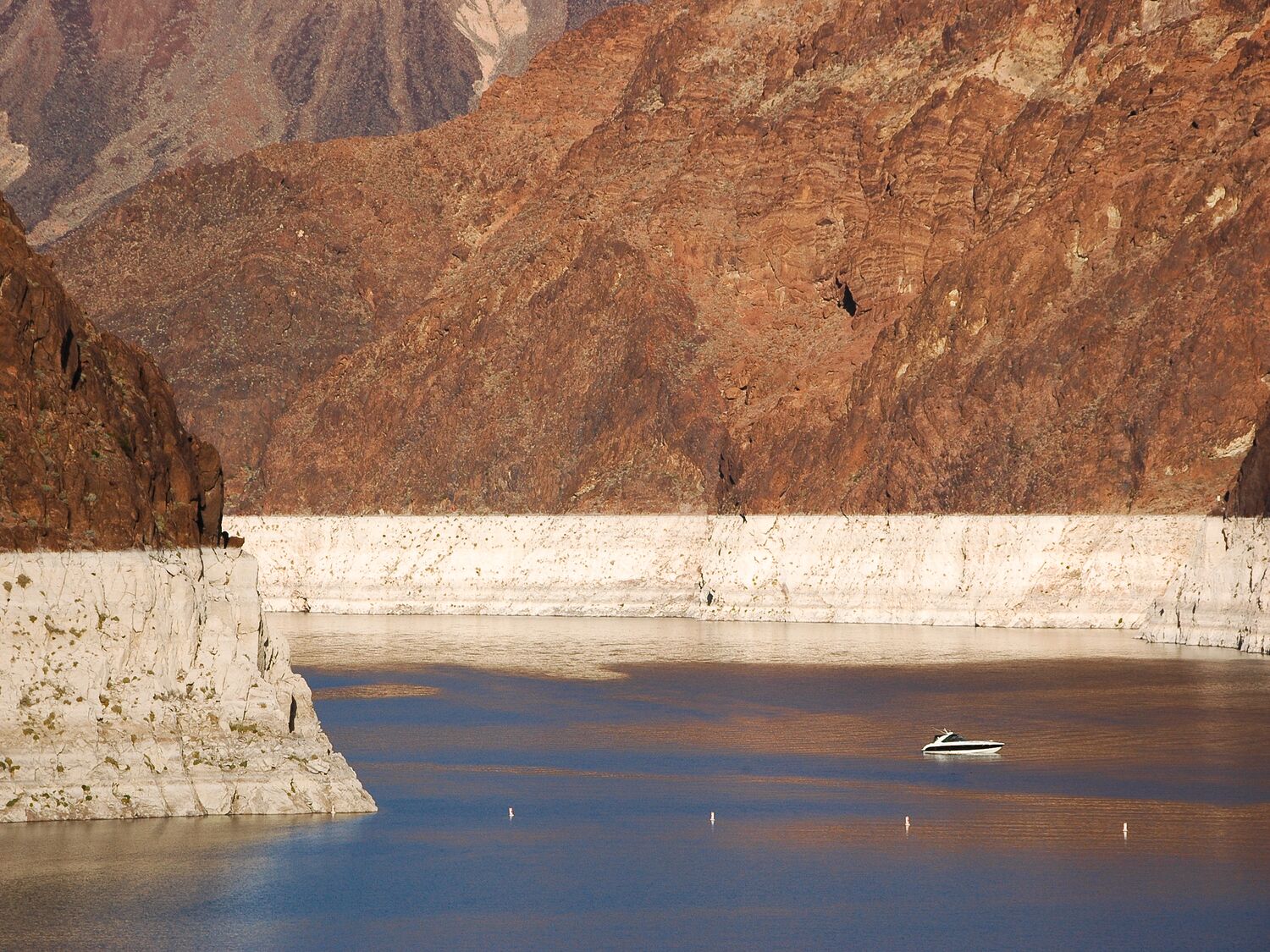
Drought does not always look like a dried-up reservoir or a parched landscape. It can take hold in places that receive plenty of rain, develop rapidly after a wet spring, or occur alongside increasingly intense rainfall and flooding.
At a Climate Conversations webinar held in July, climate scientist Jonathan Overpeck, agricultural climatologist Pam Knox, and moderator Faith Kearns explored how drought is changing across the United States and how better monitoring, forecasting, and planning can help communities prepare.
One key takeaway from the conversation: Drought is about much more than a lack of rain. Rising temperatures, when and where water is available, how people use it, and the needs of individual communities can all shape how drought develops and what happens when it does.
More Than a Lack of Rain
Drought begins with less precipitation than usual, but temperature, soil moisture, snowpack, groundwater, vegetation, and water use all influence its severity.
As temperatures rise, the atmosphere can draw more moisture from soils and vegetation, meaning heat itself can intensify drought. “That’s really becoming a big driver of drought,” Overpeck said.
The effects can also look very different from region to region. Overpeck discussed the prolonged drying affecting the Southwest and Colorado River Basin, while Knox described a different drought picture in the Southeast.
Georgia receives much more annual rainfall than much of the West, but high temperatures, soils that do not retain moisture well, and the timing of rainfall can still create serious problems. For agriculture, even a relatively short period without rain at a critical point in the growing season can damage crops.
Knox also described “flash droughts,” which can develop rapidly, sometimes following relatively wet conditions. “The whole water cycle here is just amplified,” she said of conditions in the Southeast.
When Drought Reaches Beyond Water
The effects of drought can quickly ripple outward. “When you think about drought, you have to think not only about the lack of water,” Knox said. Drought can reduce crop yields, strain water supplies, affect ecosystems, and create challenges for energy production. Drier vegetation can contribute to wildfire risk, and wildfire smoke can affect communities far from the fires themselves. Extremely dry soils may also absorb water less effectively when heavy rain arrives, increasing the potential for flooding.
How those effects are experienced can also depend on where people live and how they use water. “Drought is something that’s very personal,” Knox said. A farmer may experience drought differently than a city water manager, rancher, forest manager, or household.
Understanding local impacts is an important part of helping communities make decisions about how to prepare and respond. The need for better understanding of drought impacts is also reflected in the National Academies' 2026 report, Improving Future U.S. Drought Assessment, chaired by Overpeck. The report calls for improving how drought impacts are documented and incorporated into drought assessment, which is designed to assess and communicate drought status, conditions, and impacts. This can help connect information about physical conditions with what drought actually means for communities, ecosystems, agriculture, infrastructure, and other affected systems.
Seeing Drought Before It Becomes a Crisis
Knowing that a drought is developing can give communities valuable time to prepare. The United States relies on weather stations, stream gauges, soil moisture observations, snowpack measurements, historical records, satellites, and other monitoring systems to understand drought conditions. Scientific advances have also improved the ability to anticipate some drought conditions months in advance.
But a changing climate means past conditions may not always provide a reliable guide to what comes next. Overpeck described the climate as increasingly “nonstationary,” meaning the characteristics of drought, weather, and climate are shifting over time.
Improving Future U.S. Drought Assessment also takes a closer look at how drought assessment can keep pace with changing conditions. The report highlights the need to better distinguish between information for monitoring current drought, early warning, and emergency response, and longer-term assessments that can help communities anticipate future risks and plan for water management, infrastructure, agriculture, and climate adaptation.
Flash droughts make those improvements particularly important because they can intensify quickly. Asked what one investment he would make in drought preparedness, Overpeck pointed to better early warning systems for flash droughts, including advances in climate modeling and artificial intelligence.
Preparing for What's Ahead
National monitoring is only part of the picture. Local observations can help capture conditions that larger monitoring systems may miss.
Knox pointed to citizen science as one way people can contribute. Residents can record precipitation through the Community Collaborative Rain, Hail, and Snow Network or submit observations and photographs through condition monitoring observer reports, helping scientists develop a more detailed idea of what is happening on the ground.
Communities can also reconsider how they manage the water they have. The panelists discussed approaches including more precise agricultural irrigation, cover crops, rainwater harvesting, groundwater management, water conservation, and infrastructure that can capture water during periods of heavy precipitation.
“Drought has many faces,” said Knox in her closing remarks. Preparing means thinking not only about water shortages but also about agriculture, energy, infrastructure, ecosystems, and the other systems that depend on reliable water.
Overpeck closed by emphasizing that preparing for changing drought conditions will require more than advances in science alone. He pointed to the importance of bringing climate science together with the knowledge and experience of water managers, farmers, ranchers, forest managers, and communities to develop strategies that work. As he put it, “It’s not just the science. It’s the knowledge from practice combined with science that will really make the difference.”
Drought may look different from one place to another, but communities across the country are facing new realities. Better science, monitoring, and local planning can help communities understand those changes and prepare before drought becomes a crisis.
Featured Project
Climate Conversations: Pathways to Action
Seminar/Webinar/Lecture
Climate Conversations: Pathways to Action is a regular virtual event series that aims to convene high-level, cross-cutting, nonpartisan conversations about issues relevant to action on climate change.