Inclusive Virtual Public Involvement for Public Transit (2023)
Chapter: Chapter 3 - Enhancing VPI Strategies for Transit Providers

CHAPTER 3
Enhancing VPI Strategies for Transit Providers
In considering how transit providers might enhance their VPI efforts, the study team looked at best practices detailed in the literature review, suggestions and innovations highlighted in survey responses, and input from focus groups conducted with transportation providers and VPI practitioners from organizations focused on underserved groups.
Themes emerged related to:
- The digital divide
- Language, accessibility, and privacy considerations
- Customers’ needs and preferences
- Virtual and traditional methods of engagement
- Publicity and promotion for virtual involvement opportunities
- Management considerations: staffing, training, resources, and external services
Each theme is discussed in this section and potential improvement strategies are offered.
Dealing with the Digital Divide
In focus groups with transit agencies of all sizes, it was noted that VPI tools present challenges in reaching several key demographics, including older populations, LEP populations, and refugee or undocumented populations. Fifty percent of survey respondents indicated that the digital divide was a substantial barrier to engaging underserved populations in their VPI efforts.
Community organizations discussed this in terms of geographic, economic, and generational differences, noting that the digital divide is especially present in rural areas without internet access, with people who are uncomfortable using technology, and with people who are given technology but no instruction on using it. Community agencies also noted that mobility and functional issues are an aspect of the divide. Some organizations worked to increase access to technology through grants to purchase technology tools such as tablets, or by seeking equipment donations.
Organizations use a range of strategies to help constituents develop digital skills, and a few transit agencies cited collaborations with community agencies on this front. These agencies taught people how to use technology through online classes, written instructions mailed to consumers, and peer-to-peer and intergenerational coaching. Early adopters were recruited as ambassadors to teach others. These models could be replicated by transit agencies collaborating with schools, senior centers, YMCAs, community centers, settlement houses, and other community-based agencies. These organizations could also help in loaning technology or making it available to constituents to enable ongoing participation in VPI. Collaborating with community organizations close to transit routes could be beneficial for transit providers, local organizations, and the populations they serve.
Potential strategies:
- Doing “online fieldwork” by bringing technology and tools to places with limited access or knowledge of digital tools, such as senior centers, libraries, or community events.
- Mitigating the impacts of the digital divide by using intergenerational or peer teaching relationships, having a helpline people can call for assistance, and setting up technology before disseminating to make it easier for potential users to plug and play.
- Assuming an asset-based, community-based perspective. For example, a community can be strong and physically connected without being technologically adept; the community fabric and network can be a conduit for building new skills and fostering digital access.
- Partnering with organizations that can help reach underserved groups. OATS collaborated with the Office of the Mayor, the Chief Technology Officer, the NYC Department for the Aging, and the NYC Housing Authority in efforts to connect older New Yorkers with technology.
- Collaborating with technology donation efforts. Donations were important to make sure clients had the devices and software needed to access services; for example, the State of Illinois provided donated laptops to students who needed them for online learning.
- Promulgating, participating in, and collaborating with innovative strategies that help bridge the digital divide on behalf of individuals with limited access to technology, training, or internet connectivity. Transit agencies’ websites could be incorporated as examples of local online resources for training efforts.
- Promoting the Affordable Connectivity Program, an FCC benefit program that helps ensure households can afford the broadband they need for work, school, healthcare, etc.
Language and Accessibility
Transit agencies of various sizes described difficulty engaging LEP customers via VPI. One transit agency noted that a virtual meeting that was advertised and facilitated entirely in Spanish was very well attended, but participation dropped off when the next meeting was held in English with Spanish interpretation. Some transit agencies successfully engage LEP communities using live interpreters in breakout rooms. One large transit agency had success using paid advertisements on the Transit app to reach target demographics in nine languages.
One midsize transit agency noted that people with ambulatory issues are often happy with virtual meetings, but some people who are not comfortable with technology prefer meeting in person. Focus group participants from community organizations made similar observations. Transit agencies of various sizes report working with the external community and advocacy groups to improve connections with specific populations, such as people with disabilities.
Potential strategies:
- Use ADA-compliant accessible platforms and train staff to use all available accessibility features (e.g., closed captioning, larger type, visuals with screen descriptions). Consult the application website for more information about product accessibility and compliance (e.g., https://explore.zoom.us/en/accessibility/ for Zoom).
- Consider and respond to specific functional needs of participants (e.g., ASL interpreters and accurate transcriptions for a meeting with a hearing-impaired audience).
- Take advantage of built-in features that make a platform accessible. Leverage in-platform capabilities and technology to make information available in multiple languages, provide multichannel simultaneous translation, and offer closed captioning.
- Use short videos (under 1 minute) with multilingual closed captioning to reach target groups, including LEP and hearing-impaired groups, with specific messages (to present new projects or inform constituencies). Videos can be posted on platforms accessible to mobile device users.

Figure 6. NHCOA bilingual flu shot flyers.
- Work to remove ageism and ableism in digital programs and products with inclusive design, invite diverse voices in user research, and commit to ongoing redesign/improvement that incorporates user feedback.
- Help participants connect with specific content. Select platforms according to what is popular in specific communities, such as WhatsApp being widely used in immigrant communities. Provide information in the relevant language(s) and include digital links and telephone numbers for accessing information and additional resources, as in the National Hispanic Council on Aging (NHCOA)’s flu vaccination effort (Figure 6).
Customers’ Needs and Preferences
People’s individual circumstances affect if and how they want to connect online; the virtual world is not always how people want to spend their time. Virtual engagement can be better implemented using existing networks, such as meal delivery services, to spread information by leveraging opportunities when people gather and by working with trusted partner organizations.
However, transit agencies of all sizes noted that VPI opportunities resulted in higher overall levels of engagement with customers. For example, recurring meetings such as transit agency board of directors meetings and advisory committee meetings routinely have higher attendance levels when virtual participation is an option.
Potential strategies:
- Consult with collaborating organizations to determine target VPI participants’ preferred formats, platforms, times of day, technology, and languages. These factors are important to structuring a VPI event successfully.
- Be selective about platforms and methods for messaging, e.g., Avenida Guadalupe setting up a podcast for a specific community.
- Consider all types of devices during programming and design, with interoperability in mind for mobile phones, tablets, desktops, etc.
- Match engagement methods to community needs, such as using SMS and voice messages rather than emails to connect with mobile phone users, especially in Spanish-speaking populations, and WhatsApp to connect with immigrant and LEP communities.
- Use word of mouth to share information, even about digital events; community organizations find this helpful.
Integrating Virtual and Traditional Engagement
Several medium-size and large transit agencies noted a need to return to in-person engagement (such as outreach at transit stops and housing sites and participation in neighborhood meetings), which they reported creates better connections. However, transit agencies and community-based organizations acknowledged that VPI allows them to reach more people at a lower cost. There is significant interest in hybrid events with rich in-person participation that also remove the barriers of travel time, expense, and physical accessibility for participants who need or prefer that. The need for virtual, traditional, and hybrid options is driven by the recognition that VPI increases participation for some audiences while presenting barriers for others. Many transit agencies continue to express an expectation on behalf of their customers that virtual and traditional involvement opportunities will continue to be offered.
Potential strategies:
- Evaluate ongoing participation, attendance, and output of advisory committees, boards, etc. that meet virtually on a routine basis. Schedule occasional in-person meetings to advance relationship building and reinforce connections among members and with agency staff.
- Conduct asynchronous virtual events on multiple platforms to reach more people, and offer live in-person events with recordings posted online to extend the outreach.
- Ensure staff has appropriate training and support to effectively produce and deliver hybrid VPI events; this includes platforms, information technology (IT) expertise, program design, and engagement methods that are equitable for all participants, both in person and online.
- Provide tip sheets, real-time assistance, a clear agenda, and instructions to maximize engagement, with ground rules on courtesy, equity, and preferences, such as cameras on and microphones muted for online participants.
- Consider a variety of approaches to hybrid engagement. Some transit agencies have invested in technology to improve hybrid meeting offerings; others have opted to pair separate in-person and virtual meetings on the same topic.
Publicity and Promotion for VPI Opportunities
Larger transit agencies described publicizing and promoting high-value presenters in their public involvement efforts and acknowledged that VPI tools have allowed them to incorporate guest speakers and subject-matter experts from around the country. Previously, inviting these experts to participate in on-site meetings would have been cost-prohibitive.
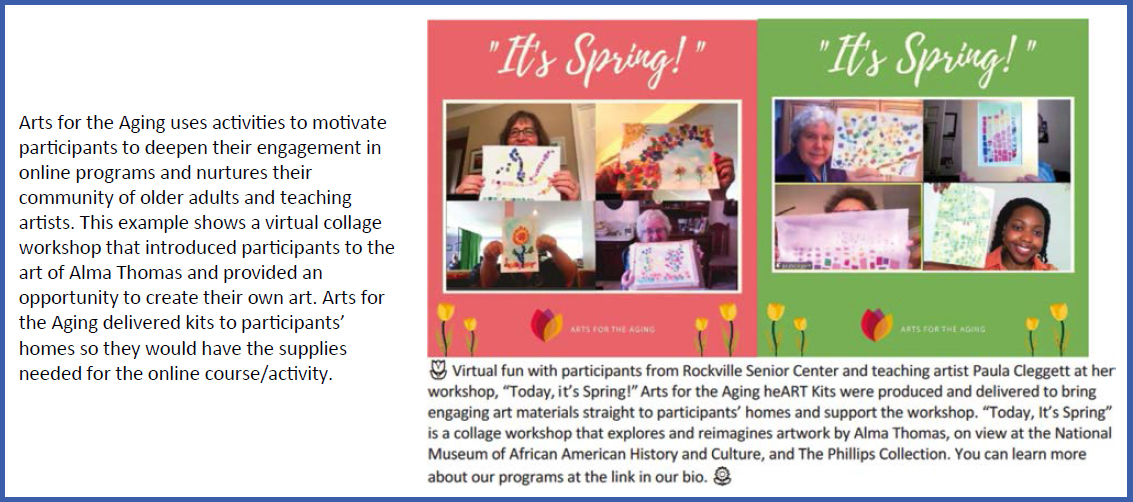
Figure 7. Arts for the Aging online collage workshop.
Among community organizations, VPI practitioners serving the LGBTQIA+ older adult community created virtual gatherings where a popular and visible local official would go live at a specific time; this helped attract participants and create a shared virtual community experience. Another organization discussed its strategy of identifying people in the community who can be leaders and teach technology skills virtually to other clients in the community. Many organizations said this type of peer support was important in encouraging people, especially seniors, to use technology.
Potential strategies:
- Incentivize engagement for both virtual and in-person public involvement with monetary compensation or other attractors (e.g., food/drink, childcare, transportation to and from the event) to encourage participation.
- Employ asynchronous strategies to involve people who may not be available during business hours by posting recordings, leaving comment periods open, and having staff respond outside of traditional business hours.
- Complement online engagement with tangible direct experiences by participating online and engaging directly in an activity. One example of this approach was shared by Arts for the Aging, which teaches virtual art classes for older adults (Figure 7).
Management Considerations: Staffing, Training, Funding, Collaboration, and External Services
Most transit agencies of all sizes reported learning to use VPI tools quickly, without advance planning. The desire to project professionalism and competence can make learning on the fly a fraught experience for transit agency staff. In addition, several large transit agencies noted that internal IT departments presented a significant challenge with trying and implementing novel VPI tools and techniques. These departments often have security protocols that prevent experimentation with new tools. These agencies often rely on consultants to host or supply these tools.
Medium-size and larger transit agencies reported a variety of strategies to meet their VPI management needs. These included hiring IT staff to manage virtual tools, sharing knowledge
and resources with other state and local agencies, holding internal trainings, and hiring consultants. Staff from smaller agencies expressed a bootstrap quality to their approach to VPI. These staff reported a routine need to improvise and be flexible to meet customers’ needs.
Among survey respondents, a lack of staff training and policy/protocol in using VPI were specific challenges identified in their initial move to virtual engagement.
Potential strategies:
- Work with IT departments to understand and support VPI efforts. Transit agency leadership can incorporate structured VPI skill training into professional development for staff.
- Invest in formal support for VPI efforts and share resources when appropriate. Medium-size and larger transit agencies reported a variety of strategies to meet their VPI management needs. These included hiring IT staff to manage virtual tools, sharing knowledge and resources with other state and local agencies, holding internal trainings, and hiring consultants.
- Hold staff debriefings after VPI events. Discuss challenges, takeaways, potential positive and negative outcomes, follow-up, and next steps. Capture lessons learned to incorporate in planning future VPI events.


