Inclusive Virtual Public Involvement for Public Transit (2023)
Chapter: Chapter 2 - Primary Research Findings

CHAPTER 2
Primary Research Findings
The primary findings include:
- Literature and best practice review of VPI approaches
- National survey with 69 participating agencies (and 49 analyzable responses)
- Focus groups that engaged representatives from 18 transit agencies from across the United States of varying sizes, place types, and geographies
- Focus groups and one individual interview with practitioners from 22 organizations who work with underserved groups including older adults, people with disabilities, low-income communities, refugee and immigrant communities, the LGBTQIA+ community, public library patrons, public housing tenants, and residents of rural and tribal areas
The overarching themes that emerged through the research process are described in this chapter.
VPI Has Increased Public Participation
There was consensus among survey data, focus groups with transit agencies, and discussions with VPI practitioners focused on underserved communities, that:
- VPI has expanded their organizations’ reach and increased their number of contacts and visibility in both the general and target communities.
- Although VPI has its challenges, removing transportation barriers to outreach activities has been a significant factor in increasing participation among transportation-disadvantaged groups.
Transit agency staff and VPI practitioners from community-based organizations expressed that their riders, constituents, consumers, and clients expect the convenience and flexibility of VPI going forward. Professionals also noted that while their network of connections has expanded with VPI, the depth of engagement has changed, too. It was noted that larger virtual meetings are often less interactive than in-person meetings, e.g., there are no side conversations in a Zoom webinar, and they offer limited opportunities to foster personal connections and relationship-building. However, recurring meetings and activities with established groups (advisory boards, for example) seem to suffer less dilution using virtual platforms.
While transit agency staff, organizational leaders, and consumers expect VPI going forward, there is growing awareness of what hybrid strategies can offer for in-person and virtual engagement. Some examples of hybrid methods are:
- Live participation at events followed by recordings posted online
- In-person briefings with local officials complemented by websites with open public comment portals
- Real-time in-person events with virtual attendees joining via an online platform
There are also demographic preferences, such as mobile older adults being eager to participate in person, while tech-savvy young adults with disabilities may appreciate the equity of a Zoom meeting and not having to manage transportation logistics when they attend online events.
Barriers that can make in-person participation challenging for underserved groups, such as travel time, distance, accessible travel options, work schedules, and language barriers, can be mitigated using VPI. This is especially true in larger geographic areas outside major metropolitan or urban centers.
However, participating in VPI requires access to technology, training, and the internet, which can be problematic for some people. While underserved groups still face barriers in these areas, creative and resourceful approaches can help VPI practitioners connect with target groups.
Barriers for Underserved Groups Remain
For members of underserved communities, the lack of physical and/or digital accessibility, language barriers, and scheduling concerns are all potential obstacles that can prevent participation in VPI efforts. Geographic, economic, and generational differences can also be barriers. Focus group participants noted that rural areas often do not have comprehensive internet access; people may be uncomfortable with or unable to afford technology; and even if people have the tools, they may not have the training to use them. Even in dense areas, the cost of internet service can be prohibitive. Complementing tech-based options with traditional outreach strategies (mail, targeted ads, telephone calls, posters, billboards, conference calls, etc.) was cited as effective for reaching people on the other side of the digital divide. These methods can be used to introduce training, reduce barriers, teach people how to use technology, and offer information on low-cost internet access and equipment.
Leveraging Intergovernmental Relationships and Community Partnerships Can Help
Public transit exists to connect people to what matters to them: work, school, healthcare, services, recreation, worship, etc. Collaborating with other organizations with shared values and missions proved valuable in successful VPI efforts. Transit agencies reported collaborating with agencies serving older adults (senior centers provided technology training) and environmental organizations (cofacilitating discussions on transit access and equity with underserved populations) and leveraging relations with local government and social service agencies to reach people and establish trust. VPI providers from community agencies described:
- Helping constituents learn to use free laptops secured for them by the State of Illinois
- Collaborating with regional governmental planning efforts to disseminate computer training opportunities to older adults
- Reaching out to riders from target groups and underserved communities while they are traveling on accessible public transit to invite their participation in local public engagement activities
Transit agencies can work with their staff and collaborators to teach others how to use technology tools, and can deepen engagement and community participation by working with trusted partners in target communities, such as housing advocacy groups, healthcare organizations, agencies serving communities with limited English proficiency (LEP), senior-serving organizations, etc.
The Heart of Iowa Regional Transit Agency (HIRTA) employed this strategy in its Beyond the Bus: Healthcare on the Move VPI campaign (Figure 1).

Figure 1. HIRTA outreach campaign.
Transit Agencies Can Incorporate VPI Strategies from Outside the Transit Sphere
Community-based organizations focused on underserved groups deployed a range of VPI methods to connect with their constituents and to help bridge the digital divide. Many community organizations pursue public engagement with similar purposes to transit agencies. They do outreach to:
- Disseminate information broadly and to target communities
- Identify needs and evaluate programs
- Educate people about services and resources
- Connect people to opportunities
- Promote civic engagement and participation opportunities (e.g., registering to vote, participating in an election, recycling, getting vaccinated)
Partnering with community organizations with a shared mission, such as equitable mobility, can expand transit agency visibility and deepen engagement, as evidenced by the Co-Creation program at Bay Area Rapid Transit (BART; Figure 2).
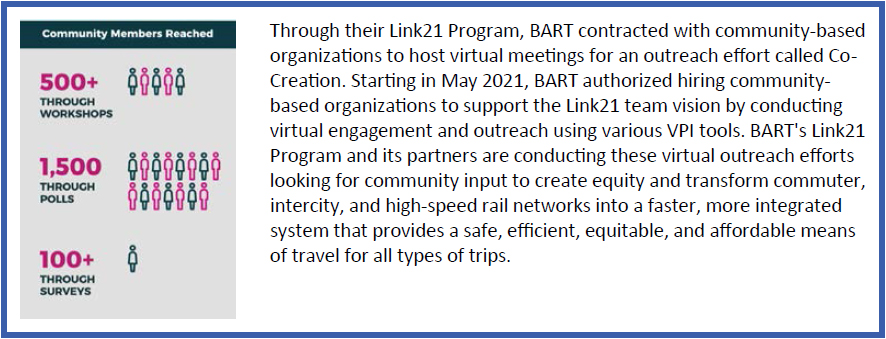
Figure 2. BART’s Co-Creation outreach program.
Figure 3. Café LOUIE.
Live Interactive Programs with Special Guests Attract Participation
VPI practitioners can draw people to live virtual events at specific times by including notable figures such as subject-matter experts and officials to encourage participation. After the live event is done, posting recordings, using websites to gather feedback, and providing chat functions to enable two-way communication during business hours can extend the reach and impact of the live event.
Transit agencies described inviting guest speakers and subject-matter experts from around the country to their virtual public events, providing expertise that would have required significant logistical planning and expense without VPI tools.
Inviting elected officials to participate live in virtual public events provides access, communication, excitement, and energy to a time-specific event. One community-based organization had their mayor attend their virtual session, which significantly increased interest and participation.
The Louisville Free Public Library’s Café LOUIE (Louisvillians: Organized, United, Informed & Engaged) program offers another example of effective ongoing engagement with officials (Figure 3).
Leveraging Broadband Enhancements
Various programs have increased access to affordable internet services over the past few years as part of pandemic relief efforts—for example, the State of Illinois provided free internet to people attending school and worked with community-based organizations to disseminate donated laptops, and OATS (Older Adults Technology Services; Brooklyn, NY) collaborated with New York City to promote an Emergency Broadband Benefit program that offered subsidized devices and internet access. These types of efforts have created more VPI options and reach for underserved people—especially in lower-income or low-density areas—many of whom are also transportation-disadvantaged. Transit agencies can help get the word out by disseminating information to less mobile or transit-dependent community members, e.g., their paratransit users and reduced fare registrants. They can leverage mobility management efforts and share information with organizations that work with underserved groups.

Figure 4. Avenida Guadalupe podcast.
Meet People Where They Are to Make Connections
Organizations focused on underserved groups emphasized using existing social contexts and networks to share information to “meet people where they are” with familiar tools and methods. As an example, OATS suggested promoting VPI events on public transit vehicles, and especially on paratransit, so riders could get information while in transit. A version of this technique is employed by one midsize transit agency that reported using an onboard Wi-Fi login screen to prompt linkages to their online public involvement opportunities.
Nondigital and creative methods can also help reach target communities, including telephone calls, podcasts, and word of mouth. One example of a lower-tech strategy that was well-matched to its target was a podcast developed by an advocacy organization in San Antonio, TX. The Avenida Guadalupe Association focused on a specific community and helped shape the local discussion of housing (Figure 4).
In 2020 DOROT, a New York organization serving older adults, began providing tech coaching using peers and volunteers to ensure that interested older adults could cross the digital divide (Figure 5). DOROT volunteers of all ages support and guide late tech adopters one on
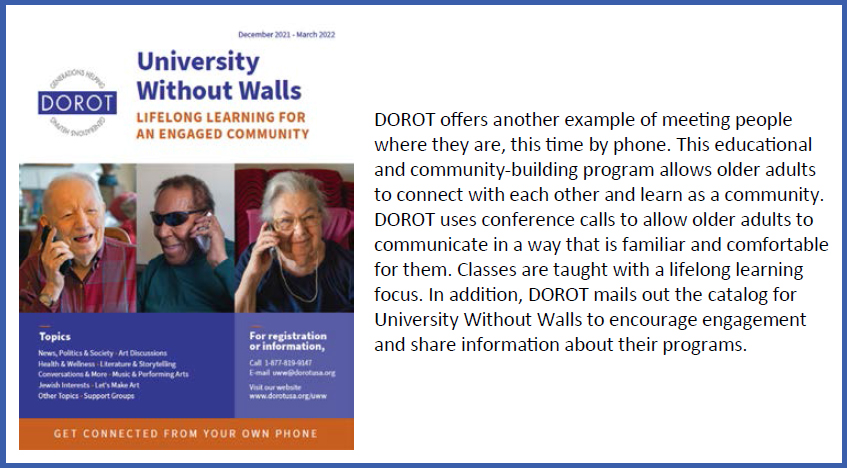
Figure 5. DOROT’s University Without Walls community-building program.
one as they learn how to stay in touch with friends and loved ones, access information, and learn new tech skills. Visits are offered in person, by phone, and on Zoom, and DOROT has technology guides available for selected topics. Many other senior-serving organizations offer similar programs.
Tradeoffs
VPI may increase participation numbers, but there is a distinct difference from the connections made via in-person communication. In-person communication provides more information through body language, expression, and informal interactions that occur around the formal event. Many larger transit agencies whose constituents are drawn from denser urban areas expressed interest in returning to more in-person public involvement. However, smaller and midsize transit agencies, some with rural or multicounty service areas, appreciated the increased involvement that came with fewer transportation barriers for participants.
VPI engagement can be made more robust through a well-executed and strategic use of interactive features. Frequently cited interactive features included Zoom breakout rooms and polling features, virtual whiteboards, Google Jamboard for brainstorming with virtual interactive notes, and Mentimeter dynamic polling via smartphones.


