Oil in the Sea IV: Quick Guide for Practitioners and Researchers (2023)
Chapter: Effects: What Harm Can Oil Cause?
Effects: What Harm Can Oil Cause?
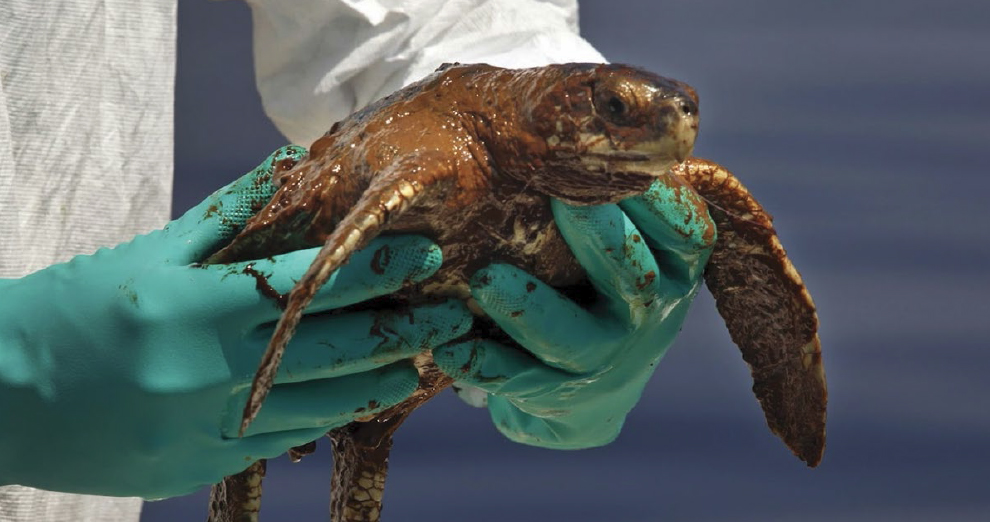
When we think of the harm caused by oil in the environment, we might picture oil-coated animals such as seabirds, turtles, and marine mammals. A coating of oil interferes with the insulating properties of animal fur and bird feathers, which can lead to hypothermia, and also impairs animals’ abilities to fly, swim, or evade predators. Animals can inhale or ingest oil through attempts to clean themselves, by taking in water while breathing at the sea surface, or by eating oil contaminated prey, causing toxic effects.
The most serious effects of marine oil spills usually occur at the sea surface or on oiled shorelines. Oil discharged at sea is largely confined to two dimensions, forming surface slicks that present contact or ingestion hazards to seabirds, turtles, marine mammals, and other animals or plants that routinely inhabit or traverse the sea surface. These hazards have caused mass mortalities of affected animals,
IMAGE SOURCE: National Oceanic and Atmospheric Administration.
especially following oil spills that contaminate highly productive coastal waters.
Waves may disperse oil slicks into the water column, presenting contact and ingestion hazards for fish and suspension-feeding organisms. However, most oils are buoyant and rarely penetrate more than a few tens of meters into the water column and tend to return to the sea surface in calmer seas. Volatile components of oil present inhalation hazards for seabirds, turtles, and marine mammals that may lead to death. Oil driven toward shorelines presents contact or smothering hazards for organisms that inhabit or traverse the intertidal zone, which may lead to ingestion of oil or asphyxiation.
In contrast, oil spills rarely lead to mass mortalities of fish or other organisms that inhabit subsurface waters. This is primarily because most components of oil do not readily dissolve into water, and those components that do dissolve usually are rapidly diluted to concentrations below acute toxicity thresholds. This rapid dilution results from dissolution of oil components from oil slicks that are typically less than 1 millimeter thick, into mixed water column layers that are typically tens of meters or more in thickness, indicating dilution factors on the order of 10,000 or more that are attained relatively rapidly. However, even diluted oil components can lead to a variety of adverse sublethal effects on marine organisms.
In unusual cases, such as the 2010 DWH blowout in the northern Gulf of Mexico, oil may combine with sediment or other organic material and sink to the seafloor, where it accumulates and presents a contact and ingestion hazard to benthic organisms.
The harmful effects of oil may go beyond the effects on an individual organism or species. Exposure to oil can launch a cascade of effects through different trophic levels within an ecosystem. For example, oiling can affect habitat quality, thereby reducing the availability of prey (see Figure 14). Food webs can also be disrupted if predators are
removed, as may happen when seabirds become oiled. These effects may cause long-term changes in ecosystem structure.
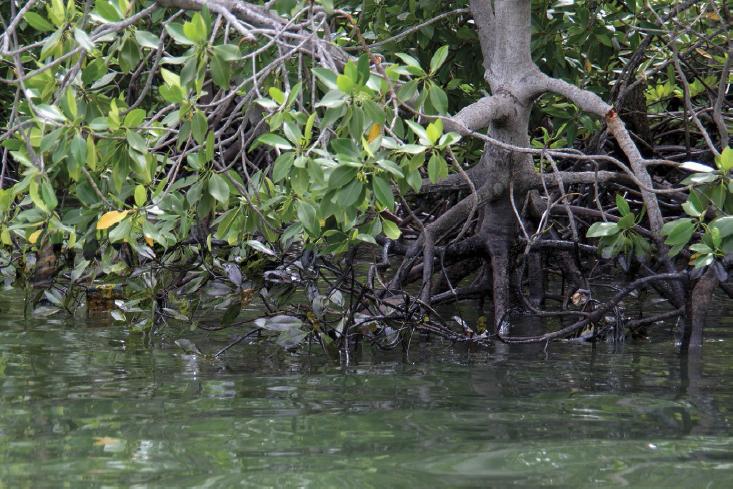
NOTES: The photo depicts oil that adhered to the mangrove roots 3–4 weeks after the spill (January 2014). Some mangrove leaves turned from green to yellow in color, an indication of sublethal effects on this habitat.
SOURCE: With permission from Paul Schuler, Oil Spill Response Limited.
Modes of Exposure to Oil
Living things can come into contact with oil through four major modes of exposure: physical contact, ingestion, inhalation of volatile components and oil droplets, or absorption of dissolved components (see Figure 15). Oil can cause harm to living things through physical contact and from poisoning by the toxic compounds derived from oil. The vulnerability of organisms varies widely, depending on species, life stage, habitat, mode(s) of exposure, and the toxic mechanisms involved (see Table 3).
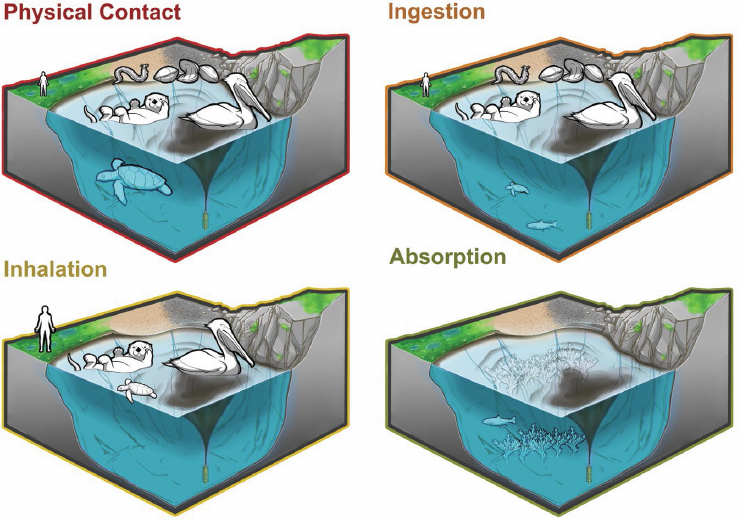
TABLE 3 A Summary of Modes of Exposure to Oil, Mechanisms of Toxicity, and Effects of Oil Exposure
| Mechanism of Toxicity | Affected Species | Effects of Exposure |
|---|---|---|
| Mode of exposure: Physical contact Oil slicks and sheens at the sea surface coat organisms with oil. |
||
| Impaired mobility | Seabirds |
Oil on a bird’s flight feathers interferes with the feathers’ ability to interlock, reducing the bird’s flight capabilities. This could result in
|
| Impaired thermoregulation | Seabirds, marine mammals |
As oil coats the fur or feathers of seabirds or marine mammals, it can penetrate the insulating air layer next to the skin, causing heat loss. This could result in
|
| Dermal irritation | Birds, marine mammals, fish |
Physical contact with oil irritates the skin of most wildlife, leading to abrasions and lesions. This can cause
|
| Mechanism of Toxicity | Affected Species | Effects of Exposure |
|---|---|---|
| Asphyxiation | Birds, marine mammals, sea turtles, plants | Oil can block the nostrils and airways of organisms and can smother plants. |
| Mode of exposure: Toxicity from ingestion Organisms can ingest oil through attempts to clean themselves, by taking in water while breathing at the sea surface or by eating oil-contaminated prey. |
||
| Damage to the gastrointestinal tract | Birds, marine mammals, fish |
Ingesting oil can cause
|
| Liver toxicity | Birds, marine mammals, fish |
The liver removes ingested oil from the body, but the metabolic pathways activated can produce toxic and carcinogenic compounds that cause significant liver damage. Decreases in liver function can cause
|
| Mechanism of Toxicity | Affected Species | Effects of Exposure |
|---|---|---|
| Renal dysfunction | Birds, marine mammals, fish |
Oil exposure causes kidney dysfunction through both the direct effects of oil exposure and the indirect effects of ingested oil causing intestinal inflammation, leading to severe dehydration, and thus, renal damage. Decreases in kidney function can cause
|
| Immune system impairment | Birds, marine mammals | Oil exposure has been linked to changes in white blood cell presence and composition, thus reducing immune function. An impaired immune system can result in an inability to combat bacterial, fungal, viral, or parasitic infections. |
Neurological deficits, including
|
Birds, marine mammals |
It is unclear if the neurological deficits observed in oiled animals are the direct result of oil exposure or are related to trauma, a lack of adequate nutrition, or liver dysfunction. If the changes are due to oil exposure, possible mechanisms of toxicity include
|
| Mechanism of Toxicity | Affected Species | Effects of Exposure |
|---|---|---|
| Cardiovascular impairments | Birds, marine mammals, fish | |
| Hormone system disruption | ||
| Anemia | ||
| Growth inhibition | ||
| Mode of exposure: Toxicity from inhalation Marine mammals, and probably sea turtles, are vulnerable to toxic effects following inhalation of oil vapors. |
||
| Oxygen deprivation and toxic effects | Marine mammals, humans | Inhalation of the gas mixture above the slick can cause a loss of consciousness and drowning. This has been observed for oil and gas extraction workers, who have accidentally inhaled the vapors. |
| Respiratory system damage | Seabirds, marine mammals, humans | |
| Mode of exposure: Toxicity from absorption Oil components that dissolve into the water column may be absorbed through the skin and gastrointestinal tract, or respiratory surfaces of aquatic organisms. This can harm organisms by impairing cardiovascular development and photo-enhanced toxicity. |
||
| Acute toxicity | All aquatic organisms | Exposure to dissolved oil components can cause short-term toxicity that can lead to death. Vulnerability to this toxicity varies with species and life stage. |
| Cardiovascular impairment | Fish, seabirds, other vertebrates | Exposure to oil components can cause impaired development of the heart. |
| Photo-enhanced toxicity | More than 30 aquatic species have been shown to be sensitive to photo-enhanced toxicity, including crustaceans, mollusks, oligochaetes, and fish. | The production of reactive oxygen species and free radicals is catalyzed by certain oil components that are absorbed into cells and then exposed to ultraviolet light. This causes oxidative stress, essentially burning tissues from the inside out. Excess reactive oxygen species can damage lipids, amino acids, and DNA/RNA within cells. |
Recent Advances in Understanding the Effects of Oil on Ecosystems
Over the past 20 years, the following molecular technologies and tools have advanced study of the presence, fate, and effects of environmental contaminants including oil.
ENHANCED UNDERSTANDING OF EXPOSURE ROUTES AND CHALLENGES
New analytical molecular techniques and testing approaches have provided a wealth of knowledge regarding the drivers of toxicity. One example comes from experiments that detail how the formation of oil droplets can influence toxicity by providing additional routes for ecosystems to be exposed to oil and enhancing the bioavailability of oil constituents.
IDENTIFYING MECHANISMS OF ACTION THROUGH ‘OMICS
‘Omics tools can help to identify new toxicity mechanisms of action and determine the impacts of oil to individual organisms. For example, ‘omics tools have been used to study epigenetics—modifications of the DNA molecule that affect its availability, such as DNA methylation—which has provided important insight into the long-term consequences of oil exposure for future generations that were not directly exposed to oil. The importance of oil-induced changes to the transcriptome—the set of genes that are transcribed into RNA—has also been highlighted through ‘omics studies.
ADVANCES IN MODELING TO PREDICT EFFECTS
Integrated trajectory, fate, and effects models show the evolution of oil spills, including oil component concentrations, and can be used for planning response options. Since the publication of Oil in the Sea III, new models have been developed, and existing ones have been updated and refined based on new knowledge. The updated models have been used to quantify the extent of oil impact and to forecast oil droplet distributions and oil constituents and have also been improved for use in Arctic locations. The new models have also been used to estimate
the length and extent of oil exposure for comparative risk assessments that form the basis of trade-off decisions on potentially affected resources.
Research Gaps: Effects of Oil in the Sea
The following research areas represent the most pressing needs for understanding the effects of oil in the sea.
REAL-TIME, IN SITU ASSESSMENT TECHNIQUES
To continue progress in understanding the effects of oil on different ecosystems, researchers will need to develop ways to conduct real-time, in situ assessments of individual species and communities exposed to oil. One example could be developing in situ sensors to detect oil and petroleum hydrocarbon and for image analysis for species such as plankton, as well as using autonomous underwater vehicles for determination of water column effects.
FOCUS ON UNDERSTUDIED ROUTES AND MECHANISMS OF ACTION
Further efforts are needed to understand understudied exposure routes, such as inhalation at the air–sea interface, and mechanisms of action that result from low-level, chronic exposure to oil. For example, marine mammals and sea turtles exposed at the air–sea interface may suffer sub-lethal effects from exposure to oil. This would impair their ability to find and capture food or avoid predators, but may not cause death for months after exposure, leading to underestimates of population losses.
UNDERSTUDIED EFFECTS OF OIL EXPOSURE, SUCH AS THOSE ON TROPHIC INTERACTIONS AND FOOD WEBS
Mounting evidence suggests that widespread adverse effects on species that are endangered or are major components of marine food webs, such as seabirds and marine mammals, may have substantial repercussions on other species, operating through strong trophic linkages or cascades. Better understanding of trophic structure in
marine systems could be accomplished with experimental design that incorporates populations, the community trophic interactions, multiple stressors, and interrelationships that could anticipate indirect or cascading effects of an oil spill.
INFLUENCE OF CO-STRESSORS ON BIOACCUMULATION AND TOXICITY
Despite a much improved understanding of the role of a number of environmental modifiers or co-stressors, further research is needed moving forward. For example, further studies are needed to characterize the array of photo-oxidation products produced from various oils and assess their persistence, bioaccumulation, and toxicity to standard toxicity test organisms. Additional organisms and numerous life stages should be included in these studies.
ENHANCED GUIDELINES AND DEVELOPMENTS IN TOXICITY STUDIES AND MODELS
Traditionally, laboratory toxicity tests have been used to try to mimic or replicate field conditions during a spill, which is not feasible; however, they have been useful in establishing toxicity thresholds
for some diverse taxa that have been exposed to numerous types of oils (at differing weathering states), hydrocarbon mixtures, or single hydrocarbon components. These data have been used to develop and validate various biological effects and toxicity models that predict toxicity (especially to new and understudied species) and have been of use both in the National Resource Damage Assessment process and in oil spill decision making to determine the best response option. How these tests are conducted and reported defines their utility; over- or underestimations of toxicity can occur depending on how test media are made and chemically verified and how the experiment is conducted and reported. These issues led to the development of a standardized protocol that was published a couple years before the Oil in the Sea III was released (i.e., Chemical Response to Oil Spills: Ecological Effects Research Forum [CROSERF]). New knowledge and technical advances studying biological effects (e.g., ‘omics) combined with advances in analytical chemistry to characterize exposures warrant assimilation into better understanding of effects.
Effects of Oil Spills on Humans
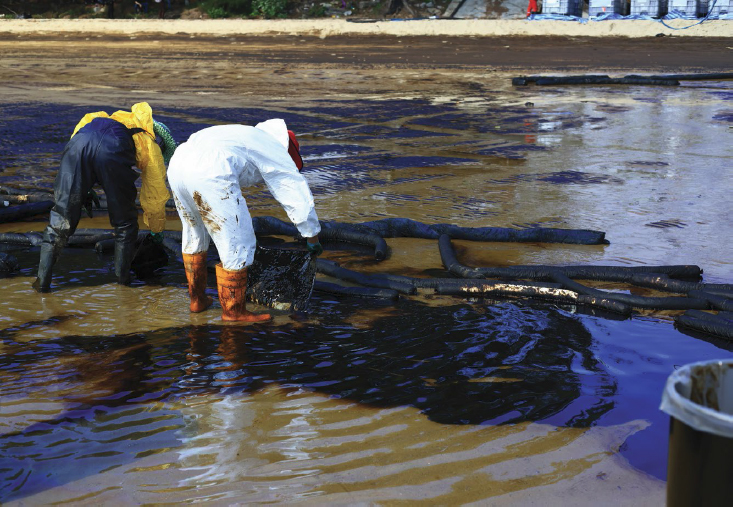
Oil in the sea, as well as subsequent cleanup activities, affects humans as well. Similar to the One Health framework in infectious disease ecology—where a greater awareness of how the interconnectedness between land use, socioeconomic status, and climate resiliency are directly related to the risks of emerging disease—the effects of oil on people are much more complex and multifactorial than previously appreciated. For instance, oil contamination affects the health and well-being of spill responders, local inhabitants, and coastal communities by causing direct harm from toxic exposure. But oil spills also have mental health impacts, behavioral effects, and economic and social consequences that last beyond the initial, more tangible effects of the spill.
DIRECT HEALTH EFFECTS OF OIL EXPOSURE
Acute effects of crude oil include skin and eye irritation, dizziness and other neurotoxic effects, and effects on the respiratory tract including throat irritation and cough. These have been reported in response workers as well as in community members when the spills were near shore.
LINKAGES BETWEEN OIL EXPOSURE AND THE INCIDENCE OF CANCER
Two of the components of crude oil, benzene and polycyclic aromatic hydrocarbons (PAHs), are known human carcinogens, and studies have linked exposure to crude oil to cancer incidence. One of the largest prospective cancer studies of workers exposed to crude oil is the Norwegian Offshore Petroleum Workers cohort. It began in 1998 based on questionnaires returned by 27,917 workers, about 10 percent of whom were females. The major finding has been a statistically significant increase in the standardized incident ratios of all cancers in both males and females.
RESPIRATORY TRACT
Reports of longer-term respiratory tract effects have been noted by a number of investigators, including findings of asthma, respiratory tract allergies, and deficits in pulmonary function. After the Prestige oil spill, a long-term study of a cohort of fishermen involved in the cleanup efforts found a higher prevalence of upper and lower respiratory tract symptoms 1 year after the oil spill.
CARDIOVASCULAR EFFECTS
Longer-term cardiovascular effects have also been suggested. A National Institute of Environmental Health and Safety study of 24,375 workers noted a suggestive association between the incidence of heart attacks and individual exposures to total hydrocarbons while working as responders, although the role of psychosocial stress factors in contributing to heart attacks was not considered.
REPRODUCTIVE AND DEVELOPMENTAL EFFECTS
Toxicological evidence suggests the possibility of reproductive and developmental toxicity from crude oil components, particularly PAHs, but epidemiological studies of this relationship to birth defects have not been conclusive. For example, case-control studies using the National Birth Defects Prevention Database to investigate neural or cardiac birth defects in babies whose mothers had been occupationally exposed to PAHs found some evidence of an association of PAH exposure with spina bifida but not with other neural tube defects, or with congenital heart disease. Though not a consistent finding, studies suggest that disasters affecting pregnant women may have a behavioral impact on their infants, and further evaluation of potential reproductive and developmental toxicity of crude oil mixtures and components is warranted.
MENTAL HEALTH IMPACTS
An extensive body of literature unequivocally documents mental and behavioral effects in those directly involved in any major disaster, including oil spills. These effects include high levels of post-traumatic
stress disorder, depression, and anxiety. Now, a growing body of evidence indicates that major oil spills can also produce mental and behavioral effects in community members who do not have direct contact with crude oil or its components. For example, studies of Alaskan coastal communities affected by the Exxon Valdez oil spill provided significant evidence that community disruption affected the mental and behavioral effects of individual community members. Other studies have shown additive effects of exposure to multiple disasters, including exposure to both Hurricane Katrina and the DWH spill, particularly in children and teenagers.
Economic losses associated with oil spills, such as suspension of seafood-gathering industries, may be significant factors in community mental and behavioral health following an oil spill. For example, a study compared two fishing communities, one directly affected by the DWH oil spill (Baldwin County, Alabama), and the other (Franklin County, Florida) experiencing loss of fisheries and tourism but no fouling of the shoreline. The study found no difference in the measures of psychological distress between residents of these two communities overall, but within both communities, individuals who had spill-related income loss had much more psychological distress than those with stable incomes. This finding persisted in a follow-up study 1 year after the oil spill.
Research Gaps: Effects of Oil Spills on Human Health
The following research areas represent some of the most pressing needs for better understanding and limiting the effects of oil spills on human health.
IMPROVEMENTS TO SEAFOOD SAFETY GUIDELINES
The major economic impact of the DWH oil spill, and others, has been the closing of seafood gathering based upon protection of human health. There is a need for improved understanding of existing uncertainties in the risk basis for reopening of seafood gathering in ocean areas that had been oiled and for transparent communication of this information. The basis for reopening fishery resources is in part related to the risk assessment of the Environmental Protection Agency (EPA) priority-list PAHs established several decades ago. New information available about the chemistry and toxicology of the mixtures of PAHs, as well as increasing recognition of the impact of the closing of seafood gathering on community health effects, indicates a need to reassess risk to humans of ingesting seafood following an oil spill. (The committee notes that further research to narrow uncertainties could provide the scientific basis to make the criteria more or less stringent.)
EXPANDED EFFORTS TO ADDRESS HUMAN HEALTH AND COMMUNITY RESILIENCE FOLLOWING OIL SPILLS
Giving greater prominence to preventing mental and behavioral effects during oil spill response could help boost community resilience to oil spills. The ICS currently plays a major role in responding to oil spills and sets strategic response priorities (see Box 4). To inform ICS decisions to prioritize community mental and behavioral health more highly, scientists would need to develop and validate standardized measures of community mental and behavioral health equivalent to those now provided for decisions about ecosystems.


