Oil in the Sea IV: Quick Guide for Practitioners and Researchers (2023)
Chapter: Minimizing Accidental Oil Spills
Minimizing Accidental Oil Spills
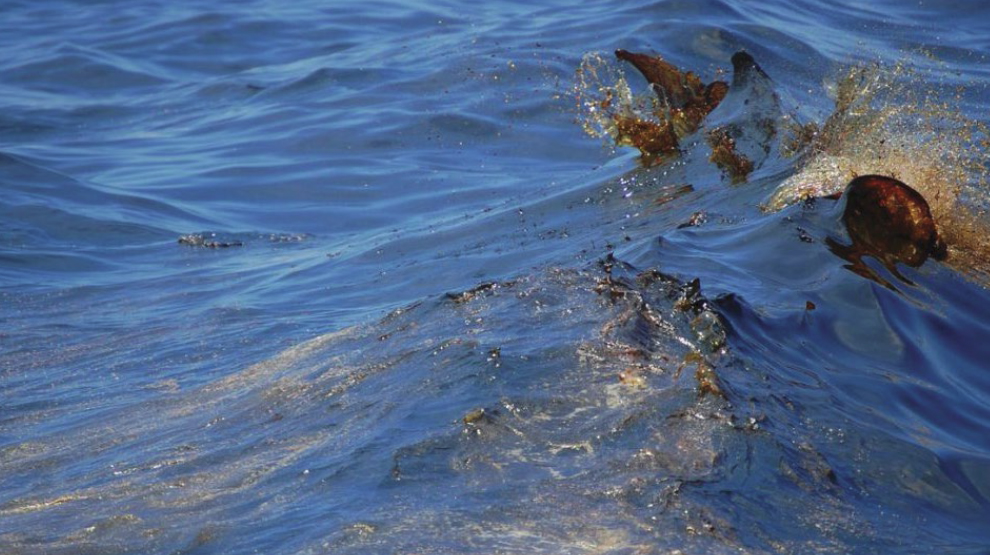
The DWH oil spill was a catastrophic event that took 11 lives and released more oil in U.S. waters than any other spill. An estimated 535,000 tonnes of oil were released over a period of 87 days from sources at depths exceeding 1,500 meters in the deep Gulf of Mexico. The explosion and fire on the DWH drilling platform led to the sinking of the platform, causing breakage of the submarine risers. Over the following 30 days, the flow through the bent riser increased and oil continued to spill from the end of the riser until the well was capped.
In the aftermath of the DWH spill, government agencies, industry, and regulators worked to develop ways to prevent such a disaster from happening again. The results were new technologies, best practices, and regulations intended to lower the chance of oil spills occurring and reduce the amount of oil pollution when spills do occur. This includes
IMAGE SOURCE: National Oceanic and Atmospheric Administration.
technological improvements to detect anomalies during drilling operations and source control measures that can quickly prevent large releases and blowouts.
Source Control
The following advanced source control strategies can reduce the volume of oil entering the sea and the subsequent environmental and socioeconomic impacts of an oil spill (see Figure 3).
SALVAGE AS SOURCE CONTROL FOR VESSEL SPILLS
When a vessel is involved in a major accident—for example, a collision or grounding—there is a risk of oil being released into the environment. Salvage operations for distressed vessels have proven to be an important mitigation step to prevent or reduce the loss of oil to the sea. In the event of a vessel accident, salvage and marine firefighting organizations help extinguish fires, stabilize the vessel
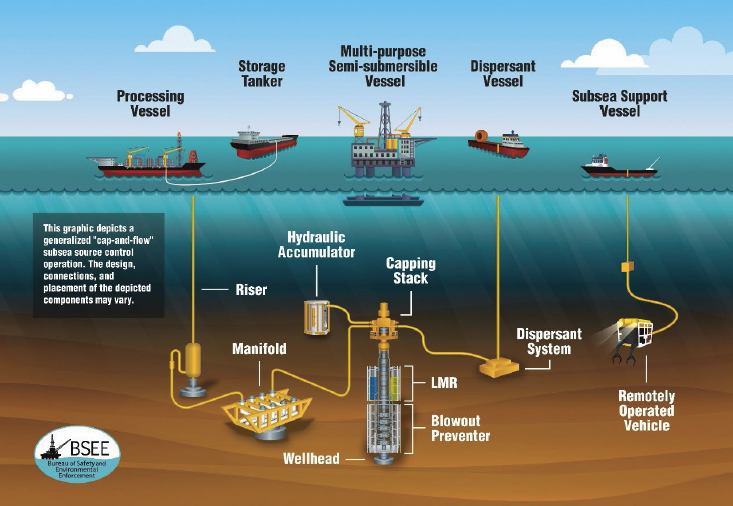
SOURCE: Bureau of Safety and Environmental Enforcement.
structure, and transfer the oil into another vessel or storage tank, thus reducing the amount that can leak into the sea. Salvage operations are also important for safely removing oil from sunken wrecks. In North American waters alone, there are at least 236 large sunken wrecks containing an estimated 600,000 to 6 million barrels of oil that may present a threat of pollution in the future.
CONTAINMENT METHODS FOR OFFSHORE WELLS
Advances in blowout prevention include the continuous monitoring of well parameters with warning systems to alert operators of any potential threat to well integrity. Among the parameters monitored are well barriers, which are systems or devices that contain fluid or pressure within the well. Drilling standards require at least two independent barriers to be maintained at any given time to prevent a single failure from leading to a spill.
If both the primary and secondary well control measures fail, several additional source control activities have been developed. One example is a subsea capping stack (see Figure 4) and containment, which involves installing a capping stack onto the well and then closing its valves to shut off the flow of oil as quickly as possible.
LEAK DETECTION
Advances in remote sensing have led to the development of new tools that allow for the early detection of pipeline leaks, quick shutoff of oil flow, and repair or replacement of the affected segment to reduce the amount of oil lost. Examples of these leak detection techniques include acoustic detection, fiber-optic sensors, pressure point analysis, rate of change/conditional rate of change, dynamic modeling, vapor sampling, infrared thermography, digital signal processing, and mass-volume balance technique, among others.
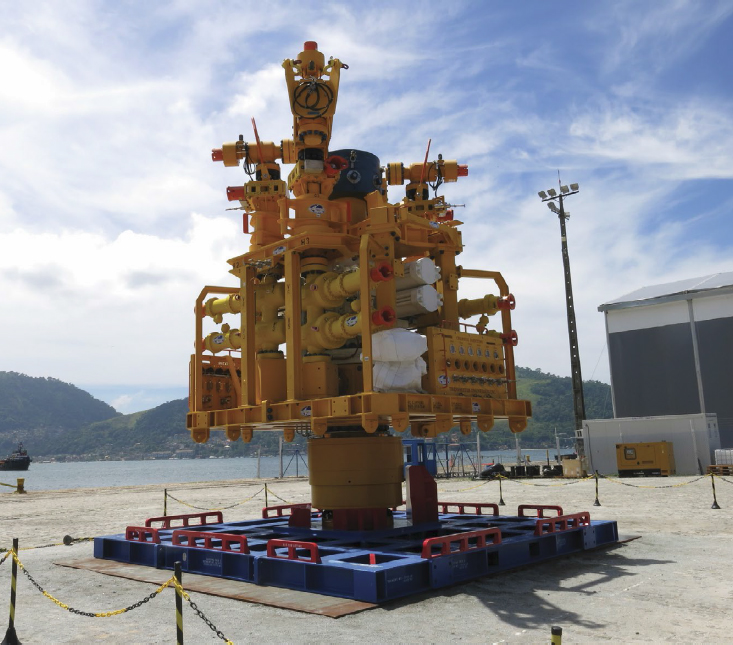
NOTES: Developed in response to the Deepwater Horizon oil spill, capping stacks are kept at an onshore location near offshore drilling sites. They are designed to shut off any flow of oil in the event of the failure of other systems, such as the blowout preventer.
SOURCE: Oil Spill Response, Limited.


