Developing a Guide to Manage Out-of-Service Utility Facilities (2026)
Chapter: 2 Literature Review
CHAPTER 2—LITERATURE REVIEW
This chapter documents the results from the literature review the research team conducted as part of Task 2, which focused on providing context about the terminology used across the different agencies to define and describe utility facilities no longer in use, as well as provisions relating to the investigation, depiction, tracking, and management of the OOS facilities located within the right-of-way. The literature review results are organized into the following four topics:
- Legal review of the federal and state regulations for addressing OOS facilities.
- Practices and tools for investigation and data management of the OOS facilities.
- Impacts and measures to address OOS facilities in the highway project lifecycle.
- Assessment and management of risks related to OOS facilities.
The remainder of the chapter summarizes the results in each of these four topics.
Legal Review of Federal and State Regulations Addressing OOS Facilities
This section describes laws and regulations that include provisions for placing utility facilities out of service within the right-of-way and other allowed practices to manage OOS facilities at the federal and state level. Based on previous research and recommendations by the project monitoring committee, the research team completed a search of state regulations within documents such as statutes, codes, administrative codes, policies, guidelines, and manuals, employing keywords like abandoned, inactive, retired, out-of-service, deactivated, idle, and discontinued in combination with the keywords facilities and utilities. Capturing all relevant state provisions was challenging due to the diverse terminology used by each state. The research team relied on a variety of search engines to include a broad spectrum of sources and ensure comprehensive results. Initially, researchers used the FastCase database with the keywords. Researchers then conducted research of regulatory documentation by employing different artificial intelligence search platforms, using a variety of queries documented and subsequently verified through online searches.
Federal and State Terminology
It is important to provide some clarification regarding the variety of terms used to describe OOS utility facilities in different documents at federal and state levels. In some instances, documents use two or three terms that describe OOS facilities interchangeably, with no dissimilarity between them. In other cases, different terms are being used, but each term has a specific definition and describes a different status of the utility facility.
These differences in terminology used throughout federal and state regulations make it difficult to interpret them and capture the purpose of the provisions. Therefore, this section summarizes the various terms and provides definitions from regulations, statutes, rules, and guidelines at the federal and state level.
Federal Terminology
At the federal level, no single term and definition are used to describe OOS utilities. Rather, terms are used depending on the regulations that relate to the facility. Abandoned, inactive,
deactivated, decommissioned, and idled are the most common terms used across federal provisions.
Title 15 of the United States Code (USC) Section 717f provides the law for the abandonment of natural gas lines that are subject to the jurisdiction of the Federal Power Commission (1). However, the law only describes under which circumstances a natural gas company might be allowed to abandon all or any portion of its facilities and not what a proper pipeline abandonment entails or requires.
49 USC 60143(a) provides the definition of an idled pipeline (2). According to the definition, an idle pipeline has ceased normal operations; will not resume operations for at least 180 days; and has been isolated from all sources of hazardous liquid, natural gas, or other gas. In addition, the pipeline must have been purged of combustible and hazardous materials and maintains a blanket of inert, nonflammable gas at low pressure, unless the volume is so small that there is no potential hazard as determined by the Secretary of Transportation.
Title 49 of the Code of Federal Regulations (CFR) covers regulations related to transportation and organization of the United States DOT, including operating administrations such as the Federal Highway Administration (FHWA) and the Pipeline and Hazardous Materials Safety Administration (PHMSA). PHMSA is the federal agency that supervises the compliance of the federal regulations related to the safe transportation of hazardous materials through different means of transportation.
Title 49 does not use the term idle or idled but rather the term abandoned. In Section 192.3 of Title 49, which refers to minimum federal safety standards for transportation of natural and other gas by pipeline, and in Section 195.2 of Title 49, which refers to transportation of hazardous liquids by pipeline, an abandoned facility is defined as a facility that is permanently removed from service (3), (4). Title 49 also uses the terms deactivation and inactive without any indication of difference between them. For example, 49 CFR 192.727 is titled “Abandonment or deactivation of facilities,” indicating that the two terms are equivalent (5). Similarly, 49 CFR 195.59 is also titled “Abandonment and deactivation of facilities” (6). This section states that for abandoned offshore pipelines or abandoned onshore pipelines that cross over, under, or through a commercially navigable waterway, the last operator of that facility must file a report upon abandonment of that facility with PHMSA in accordance with the NPMS and its Standards for Pipeline, Liquefied Natural Gas and Breakout Tank Farm Operator Submissions.
NPMS is the geographic information system that pipeline operators must use to annually report geospatial data, attribute data, and metadata of the pipelines transporting natural gas or hazardous liquids operated by them in accordance with 49 CFR 191.29 (7). The NPMS Standards for Pipeline, Liquefied Natural Gas and Breakout Tank Farm Operator Submissions describe the formats and other specifications for these reports. In the 2017 version of the standard, each pipeline report must include the status of the facility using one of four options for status (8):
- In Service: The pipeline or pipeline segment currently transports natural gas or hazardous liquid.
- Inactive/Idle: The pipeline or pipeline segment is maintained to a degree that it may, in the future, be potentially brought back into service.
- Retired: The pipeline or pipeline segment has been taken out of service and is no longer being maintained, but it has not yet been permanently abandoned according to pipeline safety regulations.
- Abandoned: The pipeline or pipeline segment has been permanently removed from service according to PHMSA regulations.
In 2016, PHMSA issued an advisory bulletin to owners and operators of certain pipelines defined in 49 CFR 192 and 195, including hazardous material and gas pipelines, as required by the Protecting Our Infrastructure of Pipelines and Enhancing Safety Act of 2016 (9, 10). In light of several incidents with abandoned lines, the act required PHMSA to provide clarification of operational terms and requirements for the proper abandonment of pipelines in an advisory bulletin. The bulletin clarified that PHMSA only recognizes two statuses of a pipeline, either active or abandoned. Therefore, PHMSA’s use of the terms in service, inactive/idle, and retired in its NPMS—somewhat confusingly—all referred to an active status of a pipeline. The bulletin acknowledged the need for operators to idle or temporarily shut down portions of a pipeline system, while at the same time noting that regulations only define rules for (permanent) abandonment. A 2019 request for comments by PHMSA on revisions to the NPMS acknowledged that in the past PHMSA inspectors have identified incidents in which pipelines were mischaracterized as abandoned when in fact they still contained a commodity or were not permanently abandoned in accordance with federal regulations (11).
PHMSA updated the NPMS Operator Standards Manual in August 2023 (12). In the updated version, PHMSA reiterates that the agency recognizes only two statuses of a pipeline, either active or permanently abandoned. The manual also makes small changes to the definitions of status codes and related definitions as used in the NPMS (12):
- In Service: An active pipeline that currently transports natural gas or hazardous liquid. This pipeline is reported as active on the annual report to PHMSA and with the code I in the status code field in the NPMS submission.
- Idle: An active pipeline that is not transporting a commodity, but is maintained to a degree that it may, in the future, be potentially brought back into service. This pipeline is reported as active on the annual report to PHMSA and with the code D in the Status Code in the NPMS submission. To avoid confusion with regulatory terms, NPMS web applications display these records with the Status Code of Active (unfilled).
- Retired: An active pipeline that is no longer maintained but has not yet been permanently abandoned according to federal pipeline regulations. This pipeline is reported as active on the annual report to PHMSA and with the code R in the status code field in the NPMS submission. To avoid confusion with regulatory terms, NPMS web applications display these records with the Status Code of Active (unfilled).
- Permanently Abandoned (Abandoned Pipeline): A pipeline that has been permanently removed from service. The NPMS accepts geospatial data submissions for pipelines that have been abandoned in place, but not for pipelines removed from the ground. This pipeline is not reported on the annual report to PHMSA but is submitted with the code B in the Status Code in the NPMS submission.
This update changes the status code inactive/idle to simply idle, removing the confusion of the status inactive/idle referring to an active status. The update further changes the status code abandoned to permanently abandoned. Interestingly, the manual’s glossary does not define the status code attribute permanently abandoned but rather abandoned pipeline, as quoted above. As of September 2023, the public viewer of the NPMS allows users to search for three pipeline statuses: active (filled), active (unfilled), and permanently abandoned (13).
There are a few references within the CFR that discuss the decommissioning of utility facilities. For example, in Title 30 of the CFR, which relates to mineral resources, subpart 250 provides obligations for oil and gas pipelines located in the outer continental shelf. Subpart Q, Decommissioning Activities, focuses on requirements for oil and gas pipeline owners when a pipeline ends operations. Section 30 CFR 250.1700 (a) provides a definition for the term decommissioning, which means ending oil, gas, or sulfur operations and returning the lease, pipeline right-of-way, or the area of right-of-use and easement to a condition that meets the requirements of the Bureau of Safety and Environmental Enforcement of the Department of the Interior and other agencies that have jurisdiction over decommissioning activities (14).
Informal terms used by the pipeline industry are decommissioned, suspended, or mothballed. For the oil and gas sector, the lifecycle of a pipeline involves design, fabrication, installation, precommissioning, commissioning, operation, and decommissioning. Precommissioning refers to the procedures to test and validate the pipe is operative and ready to start up operations (15). Commonly, the term decommissioned represents the facility will reincorporate to operations, hence they still are connected to the system and contain traces of the conveyed material. Because a decommissioned pipeline was not subject to purge and seal procedures, PHMSA regulations do not recognize them as abandoned but as active facilities. Similarly, the term mothballed represents an inactive pipeline preserved for a specific period of time and maintained in optimal conditions to avoid the aging and corrosion effects so it is prepared for future reactivation (16).
State Terminology
At the state level, the research team reviewed statutes, codes, regulations, rules, manuals, and guidelines of the 50 states and the District of Columbia to identify the most frequently used terms to refer to OOS facilities. Table 1 presents the result of the search. Researchers noted that even within a state, different terms might be used to describe OOS facilities by different state agencies and documents, and they took note of that use of terminology. Blank cells indicate that the research team was unable to find a document in that category with a discussion related to OOS facilities.
Table 1. Terminology Used by States to Describe OOS Utilities.
| State | Statutes | Regulations | Manuals |
|---|---|---|---|
| Alabama | Abandoned | ||
| Alaska | Abandoned | Abandoned Deactivated Discontinued |
|
| Arizona | Abandoned Inactive |
Abandoned | |
| Arkansas | Abandoned | Abandoned Deactivated Inactive |
Abandoned OOS |
| California | Abandoned | Abandoned | |
| Colorado | Abandoned Retired |
||
| Connecticut | Abandoned | Deactivated OOS |
|
| Delaware | Abandoned Deactivated |
Abandoned |
| State | Statutes | Regulations | Manuals |
|---|---|---|---|
| Inactive Retired |
|||
| District of Columbia | Abandoned | Abandoned | |
| Florida | Inactive | Deactivated OOS |
|
| Georgia | Abandoned Out-of-service |
Abandoned Decommissioned |
Abandoned |
| Hawaii | Abandoned Inactive |
||
| Idaho | Abandoned | Abandoned | |
| Illinois | Abandoned Inactive Retired |
||
| Indiana | Abandoned Inactive Out-of-service Retired |
||
| Iowa | Abandoned | Abandoned | |
| Kansas | Abandoned Retired |
||
| Kentucky | Abandoned | Abandoned OOS |
|
| Louisiana | Abandoned | ||
| Maine | Abandoned Inactive |
Abandoned Inactive OOS |
|
| Maryland | Abandoned Deactivated OOS |
||
| Massachusetts | Abandoned Inactive |
Abandoned OOS |
|
| Michigan | Discontinued OOS |
||
| Minnesota | Abandoned Out-of-service |
Abandoned Out-of-service |
Abandoned Discontinued OOS |
| Mississippi | Abandoned | ||
| Missouri | Abandoned | Abandoned Deactivated Inactive |
|
| Montana | Abandoned Retired |
||
| Nebraska | |||
| Nevada | Abandoned | ||
| New Hampshire | Abandoned | Abandoned Inactive Retired |
|
| New Jersey | Abandoned Inactive Retired |
||
| New Mexico |
| State | Statutes | Regulations | Manuals |
|---|---|---|---|
| New York | Abandoned Inactive |
Abandoned | |
| North Carolina | Abandoned Deactivated OOS |
||
| North Dakota | Abandoned Inactive |
Abandoned | |
| Ohio | |||
| Oklahoma | |||
| Oregon | Abandoned OOS |
||
| Pennsylvania | Abandoned Inactive |
Abandoned Retired |
|
| Rhode Island | Abandoned Inactive |
Abandoned | |
| South Carolina | Abandoned OOS |
||
| South Dakota | |||
| Tennessee | Retired | ||
| Texas | Abandoned Deactivated Idle |
Abandoned Idle |
|
| Utah | Abandoned Out-of-service |
Abandoned OOS |
|
| Vermont | |||
| Virginia | Abandoned | Abandoned | |
| Washington | Abandoned Deactivated Disconnected |
||
| West Virginia | Abandoned | ||
| Wisconsin | Discontinued OOS |
||
| Wyoming | Abandoned OOS |
As Table 1 shows, abandoned is the most commonly used term. Of the 50 states, 40 and the District of Columbia have a reference to this term in either statutes, regulations, or manuals. The next most commonly used terms are inactive and OOS, used in 16 states. Deactivated and retired are used in 10 states, while the terms discontinued, decommissioned, and idle are used in just a handful of states.
Frequently, states do not provide a definition of the terms used within the provisions or documents. For instance, just 16 states have definitions of the terminology in their manuals, 12 states include definitions in their regulations, and seven states have definitions in the statutes.
Most of the states have a single definition for the term abandoned, the most frequently used term. In these definitions, other words including inactive, OOS, or retired are used as a synonym to describe the abandoned status of the facility. Examples of states that define one term, whether in statutes or regulations, are as follows:
- Arizona: Defines abandoned as a facility no longer in use in the Arizona Guideline for Accommodating Utilities in Highway Rights-of-Way (17).
- California: Defines abandoned as a utility that is nonoperational but remains in place in the California Project Development Procedures Manual. (18).
- Connecticut: The Connecticut Utility Accommodation Manual uses the term OOS facility as a synonym for deactivated. An OOS utility is a facility permanently deactivated or disconnected from a system (19).
- Delaware: Uses inactive, deactivated, and abandoned as synonyms to define retirement in its code. A retired utility is described as an inactive facility located within the right-of-way.
- Georgia: Generally defines abandoned in its statutes and utility accommodation policy. Georgia uses the term OOS to describe the operative status of the facility (20).
- Kentucky: Defines abandonment as the action of giving up ownership of the facility in the Kentucky Utilities and Rail Guidance Manual (21).
- Louisiana: Defines abandoned in its code as a nonoperative facility located within the right-of-way.
- Maine: Uses the term abandoned and OOS in a two-way manner, meaning a facility that is disconnected from an operative portion of the system and that will no longer be in use.
- Maryland: Defines abandoned and OOS in the Maryland Utility Manual, but clarifies that the term abandoned is no longer used because it denotes the relinquishment of facility ownership (22).
- Mississippi: Defines abandoned as a facility not in use and with no plans to be used again.
- Missouri: Defines abandonment as a facility not in use and disconnected from an operative section of another facility in its statutes and its code.
- New York: Defines abandoned in its code as a facility that is no longer in use.
- North Carolina: Considers a facility to be abandoned when it is not active for more than 6 months, according to the North Carolina Utilities Accommodation Manual (23).
- North Dakota: Defines abandoned in its statutes as a facility not in use and disconnected from a facility still in use.
- Pennsylvania: Uses the term retired for those facilities not in use and with no intention to be used in the future in the Pennsylvania Design Manual (24).
- South Carolina: Defines an OOS as a facility that is not active in the South Carolina Utilities Accommodation Manual (25).
- Texas: Defines an abandoned as an unknown facility that cannot be located or a facility permanently disabled in its code.
- Utah: Defines abandoned as a facility not in use and disconnected from the system in the Utah Utility Coordination Manual Of Instruction (26).
- Virginia: Defines abandoned as a facility not in service and disconnected from a facility in use for storage or transportation of service in its statutes.
- Wisconsin: Enunciates that the term abandoned should not be used because it denotes the relinquishment of the facility ownership in the Wisconsin Highway Maintenance Manual. Instead, this state uses the term discontinued for those facilities permanently not in service (27).
A handful of states define two or more terms. In these cases, definitions might differentiate between the time a facility has been inactive, the procedure that must be applied to discontinue
its use including disconnection from an operative section of the system, and the intention to put the facility back into operation.
In summary, states use a handful of terms with varying frequency to describe and define OOS facilities. An overview of the terms and frequently used definitions is as follows:
- Abandoned: Commonly defined as a facility that is no longer in use and is usually disconnected from an active section of a system. Some states (e.g., Maryland and Wisconsin) noted that the term implies the relinquishment of facility ownership and therefore avoided or stopped using it.
- OOS: Usually used synonymously with abandonment without implying the relinquishment of facility ownership.
- Inactive/Deactivated: Commonly defined as a facility that is temporarily taken out of service but that can be restored to service in the future.
- Discontinued: Rhode Island and Wisconsin are states that use this term to describe a facility that a utility company has permanently placed out of service.
- Retired: Typically used as a synonym for abandoned.
- Idle: The Texas utility accommodation rules define an idle utility facility as one that temporarily does not carry a product or does not perform a function and whose owner has not provided a date for its return to operation.
Noteworthy is that some of the terms, for example “inactive” or “idle,” convey that the OOS status is temporary, implying that the utility facility might be reactivated in the future. The terms “abandoned” and “out of service” usually mean that the utility facility status is permanent. However, the exact meaning depends on the definition given in the state’s statutes, regulations, or manuals.
This variety of terms and definitions used by states to describe OOS facilities reflects the lack of unanimity among the states and utility stakeholders. Although differences are often subtle, these nuances can have significant impacts when interpreting the requirements and circumstances for utilities to be placed temporarily or permanently out of service and for the facilities to remain in the right-of-way.
Requirements to Decommission, Abandon, or Place Facilities Out of Service
The research team reviewed provisions that govern the authorization to place a facility out of service, the requirements to notify a DOT about this action, and accepted procedures to safely take a utility facility out of service. To that end, researchers reviewed regulations in the CFR, state statutes, state regulations, state policies, and relevant manuals prepared by state DOTs and similar authorities.
Federal provisions are mainly focused on pipelines that carry oil, gas, and hazardous materials. For example, 49 CFR 192.727 defines the requirements to abandon a pipeline that carries natural and other gas, whether located onshore or offshore (5). Basically, the facility must be disconnected from the active system, purged, filled with water or inert materials in the case of an offshore pipe, and finally sealed at both ends. As mentioned previously, the rule also provides requirements to submit an annual report to the NPMS. Following PHMSA rules, this information must be reported as geospatial data with the date of abandonment, dimensions of the pipeline, and procedure to abandon the facility.
The annual NPMS reporting requirement is replicated in 49 CFR 195.59 for pipelines containing hazardous liquids (6). In accordance with 49 CFR 195.402, operators of pipelines transporting hazardous liquids are also required to prepare and follow a manual of written procedures for conducting normal operations and handling abnormal operations and emergencies (28). This manual must include procedures for abandoning pipeline facilities, including the safe disconnection from an operating pipeline system; purging of combustibles; and sealing of the pipeline to minimize safety and environmental hazards.
States include provisions for placing facilities out of service in their statutes and regulations (administrative codes or rules) but most regularly in state manuals and policies issued by DOTs or similar authorities. Researchers found that nine states have a provision in their statutes that relates to abandoned facilities. Six of the states provide those references in their public utility commission section, and three states included reference in the transportation section of the statutes. Typically, the reference is brief and mentions a requirement of the utility operators to maintain location records of the abandoned facilities. The District of Columbia specifically states a utility’s obligation to bear the cost of relocation, adjustment, removal, or abandonment of any utility facility that interferes with the construction or modification of an interstate highway within the district.
The research team found regulations in 29 states and references in 33 state manuals for abandoning utilities or placing utilities out of service. Table 2 lists the significant provisions within the state statutes, regulations, and DOT manuals with references to definitions, dispositions for the abandonment of facilities, and conditions for the utilities containing hazardous materials. Regulations and DOT documents are more comprehensive and state most of the requirements for the procedures to place facilities out of service.
Most of the state regulations to place utilities out of service pertain to gas pipelines in accordance with 49 CFR 192.727. Provisions to place other types of utilities out of service appear less frequently. State regulations typically include abandonment requirements in the DOT section or in the public utilities commission section of the state rules. Provisions typically state that utility owners can place facilities out of service where they are located. As a result, rules in the DOT section of state regulations usually focus on provisions for abandonment in the public right-of-way, while rules in the public utilities commission section focus on provisions for abandonment on private property. In contrast, DOT manuals broadly discuss the requirements and conditions for abandonment of utilities within the right-of-way. Researchers found that DOT manuals frequently discuss the following considerations:
- Whether or not utilities are allowed to place facilities out of service in the right-of-way.
- Cases and conditions for placing facilities out of service in the right-of-way.
- Requirements for notifying the DOT when placing facilities out of service in the right-of-way.
- Requirements for location records of facilities placed out of service in the right-of-way that utility owners must maintain.
- Prohibition to relinquish ownership of facilities placed out of service in the right-of-way by the utility owner.
| State | Statutes (Definitions) | Statutes (OOS Provisions) | Statutes (Hazardous Materials Provisions) | Regulations (Definitions) | Regulations (OOS Provisions) | Regulations (Hazardous Materials Provisions) |
|---|---|---|---|---|---|---|
| Alabama | ALDOT Utilities Manual §2.26.1 (2018) | |||||
| Alaska | Alaska Admin. Code tit. 17, §15.281 (2009) Alaska Utilities Manual §3.14 (2014) |
Alaska Utilities Manual §3.14 (2014) | ||||
| Arizona | Ariz. Rev. Stat. §40-360.21 (2018) | Ariz. Rev. Stat. §40-360.22 (2018) Ariz. Rev. Stat. §40-360.30 (2018) |
Guideline for Accommodating Utilities on Highway Rights-of-Way §5 (2015) | |||
| Arkansas | Ark. Code §14-271-108 (2019) | 001-01-89 Ark. Code R. § 1 126-03-07 Ark. Admin. R. § 192.727 Utility Accommodation Policy §7.5 (2010) |
Utility Accommodation Policy §7.5 (2010) | |||
| California | Project Development Procedures Manual (2020) Encroachment Permits Manual (2022) Right-of-Way Manual (2025) |
Encroachment Permits Manual §602.3 (2022) | ||||
| Colorado | 2 Colo. Code Regs. § 601-18-1.4 (2021) | 2 Colo. Code Regs. §601-18-2.3 (2021) | 2 Colo. Code Regs. §601-18-2.3 (2021) |
| State | Statutes (Definitions) | Statutes (OOS Provisions) | Statutes (Hazardous Materials Provisions) | Regulations (Definitions) | Regulations (OOS Provisions) | Regulations (Hazardous Materials Provisions) |
|---|---|---|---|---|---|---|
| Connecticut | Conn. Agencies Regs. § 16-345-3 Utility Accommodation Manual (2009) |
|||||
| Delaware | 2 Del. Admin. Code § 2401-2.0 (2007) | 2 Del. Admin. Code § 2401-4.5 (2025) Utilities Manual (2007) |
||||
| District of Columbia | D.C. Code § 9-107.02 (2021) | D.C. Mun. Regs. tit. 24, § 3302 (2016) D.C. Mun. Regs. tit. 24, § 3405 (2016) Standard Specifications (2013) |
||||
| Florida | Fla. Admin. Code r. 25-12.045 (2021) Utility Accommodation Manual (2017) |
Utility Procedures Manual (2021) | ||||
| Georgia | Ga. Code Ann. § 25-9-3 (2021) | Ga. Code Ann. § 25-9-7 (2021) | Ga. Code Ann. § 32-4-4 (2021) | Ga. Comp. R. & Regs. R. 672-11-.04 (2021) Utility Accommodation Policy and Standards (2016) |
Utility Accommodation Policy and Standards (2016) | |
| Hawaii | Haw. Code R. § 6-77-186 (2005) | |||||
| Idaho | Idaho Code § 55-2205 (2021) | Guide for Utility Management (2012) | ||||
| Illinois | Ill. Admin. Code tit. 92 § 530.830 (2021) |
| State | Statutes (Definitions) | Statutes (OOS Provisions) | Statutes (Hazardous Materials Provisions) | Regulations (Definitions) | Regulations (OOS Provisions) | Regulations (Hazardous Materials Provisions) |
|---|---|---|---|---|---|---|
| Indiana | Utility Accommodation Policy (2019) | |||||
| Iowa | Iowa Admin. Code r. 761-115.20 (2017) Policy for Accommodating and Adjustment of Utilities on the Primary Road System (2012) |
|||||
| Kansas | Utility Accommodation Policy (2007) | |||||
| Kentucky | Utilities and Rails Guidance Manual (2019) | |||||
| Louisiana | La. Admin. Code tit. 70, § II-505 (2020) | La. Admin. Code tit. 70, § II-515 (2020) La. Admin. Code tit. 43, § XIII-2927 (2020) |
||||
| Maine | Me. Rev. Stat. tit. 23 § 3360-A (2020) | 17-229-210 Me. Code R. § 4 (2021) | 17-229-210 Me. Code R. § 7 (2021) 17-229-210 Me. Code R. § 13 (2021) |
|||
| Maryland | Utility Manual (2021) | Utility Manual (2021) |
| State | Statutes (Definitions) | Statutes (OOS Provisions) | Statutes (Hazardous Materials Provisions) | Regulations (Definitions) | Regulations (OOS Provisions) | Regulations (Hazardous Materials Provisions) |
|---|---|---|---|---|---|---|
| Massachusetts | 220 Mass. Code Regs. 107.02 (2021) | 220 Mass. Code Regs. 107.05 (2021) Utility Accommodation Policy on State Highway Right-of-Way (2013) |
||||
| Michigan | Utility Accommodation Guidance (2023) Utility Accommodation Policy (2011) |
|||||
| Minnesota | Minn. Stat. § 216D.04 (2021) | Minn. R. 7560.0100 (2021) | Minn. R. 7560.0125 (2021) Utility Accommodation and Coordination Manual (2016) |
Utility Accommodation and Coordination Manual (2016) | ||
| Mississippi | Miss. Code § 77-13-3 (2019) | Miss. Code § 77-13-9 (2019) | ||||
| Missouri | Mo. Rev. Stat. § 67.1830 (2020) | 20 Miss. Code R. § 4240-40.030 (2021) | 20 Miss. Code R. § 4240-40.030 (2021) | |||
| Montana | Mont. Admin. R. 18.7.231 (2021) | |||||
| Nebraska | ||||||
| Nevada | Nev. Admin. Code § 408.367 (2021) Nev. Admin. Code § 408.427 (2021) |
| State | Statutes (Definitions) | Statutes (OOS Provisions) | Statutes (Hazardous Materials Provisions) | Regulations (Definitions) | Regulations (OOS Provisions) | Regulations (Hazardous Materials Provisions) |
|---|---|---|---|---|---|---|
| New Hampshire | N.H. Code Admin. R. Puc 506.02 N.H. Code Admin. R. Puc 507.04 N.H. Code Admin. R. Puc 804.01 Utility Accommodation Manual (2017) |
Utility Accommodation Manual (2017) | ||||
| New Jersey | Abandoned Pipe Guidelines (2020) | |||||
| New Mexico | ||||||
| New York | N.Y. Comp. Codes R. & Regs. tit. 16, § 255.3 (2021) | N.Y. Comp. Codes R. & Regs. tit. 17, § 131.13 (2021) N.Y. Comp. Codes R. & Regs. tit. 16, § 255.727 (2021) Requirements for the Design and Construction of Underground Utility Installations Within the State Right-of-Way (1997) |
||||
| North Carolina | Utilities Accommodation Manual (2022) | |||||
| North Dakota | N.D. Cent. Code § 49-23-01 (2020) | A Policy for Accommodation of Utilities on State Highway Right-of-Way (2020) |
| State | Statutes (Definitions) | Statutes (OOS Provisions) | Statutes (Hazardous Materials Provisions) | Regulations (Definitions) | Regulations (OOS Provisions) | Regulations (Hazardous Materials Provisions) |
|---|---|---|---|---|---|---|
| Ohio | ||||||
| Oklahoma | ||||||
| Oregon | Or. Admin. R. 952-001-0010 (2021) | Or. Admin. R. 952-001-0700 (2021) Or. Admin. R. 952-001-0100 (2021) |
||||
| Pennsylvania | 52 Pa. Code § 59.36 (2021) Design Manual (2019) |
Design Manual (2019) | ||||
| Rhode Island | R.I. Gen. Laws § 39-1.2-1 (2021) | 815-20-00 R.I. Code R. § 1.3 (2021 | 815-20-00 R.I. Code R. § 1.10 (2021) | |||
| South Carolina | Utilities Accommodation Manual (2020) | Utilities Accommodation Manual (2020) | ||||
| South Dakota | ||||||
| Tennessee | Tenn. Comp. R. & Regs. 1680-06-01.09 (2021) Guidebook for Utility Relocation (2012) |
Guidebook for Utility Relocation (2012) | ||||
| Texas | 43 Tex. Admin. Code § 21.31 (2021) | 43 Tex. Admin. Code § 21.39 (2021) 43 Tex. Admin. Code § 21.40 (2021) Right-of-Way Utilities Manual (2022) |
43 Tex. Admin. Code § 21.39 (2021) Right-of-Way Utilities Manual (2022) |
|||
| Utah | Utah Admin. Code r. 930-7-3 (2021) | Utah Admin. Code r. 930-7-11 (2021) Utah Admin. Code r. 930-7-12 (2021) Utility Coordination Manual of Instruction (2017) |
Utility Coordination Manual of Instruction (2017) |
| State | Statutes (Definitions) | Statutes (OOS Provisions) | Statutes (Hazardous Materials Provisions) | Regulations (Definitions) | Regulations (OOS Provisions) | Regulations (Hazardous Materials Provisions) |
|---|---|---|---|---|---|---|
| Vermont | ||||||
| Virginia | Va. Code § 56-265.15 (2020) | Va. Code § 56-265.19 (2020) | 20 Va. Admin. Code § 5-309-165 (2021) | |||
| Washington | Utilities Manual (2019) | Utilities Manual (2019) | ||||
| West Virginia | Accommodation of Utilities on Highway Right-of-Way and Adjustment and Relocation of Utility Facilities on Highway Projects (2007) | |||||
| Wisconsin | Wis. Admin. Code PSC. § 132.09 (2021) Wis. Admin. Code PSC. § 135.727 (2021) Highway Maintenance Manual. Ch 9. Sc. 15 (2023) |
|||||
| Wyoming | 045-5 Wyo. Code R. § 5-10 (2022) 045-5 Wyo. Code R. § 5-11 (2022) Utility Accommodation Regulation (1990) |
Table 3 summarizes which states have such provisions within statutes, regulations, and other documents. The research team did not find any such provisions in Nebraska, New Mexico, Ohio, Oklahoma, South Dakota, Vermont, and West Virginia.
Table 3. Select Provisions for OOS Facilities in State Statutes, Regulations, and Documents.
| State | Allow OOS Facilities in Right-of-Way | Specify Conditions for OOS Facilities in Right-of-Way | Require Notification of Abandonment | Require Location Records | Specify Ownership Retention |
|---|---|---|---|---|---|
| Alabama | Yes | Yes | |||
| Alaska | Yes | Yes | Yes | ||
| Arizona | Yes | Yes | Yes | Yes | Yes |
| Arkansas | Yes | Yes | Yes | Yes | Yes |
| California | Yes | Yes | Yes | Yes | Yes |
| Colorado | Yes | Yes | Yes | Yes | Yes |
| Connecticut | Yes | Yes | Yes | ||
| Delaware | Yes | Yes | Yes | Yes | Yes |
| District of Columbia | Yes | Yes | Yes | ||
| Florida | Yes | Yes | Yes | ||
| Georgia | Yes | Yes | Yes | Yes | Yes |
| Hawaii | Yes | ||||
| Idaho | Yes | Yes | Yes | Yes | |
| Illinois | Yes | Yes | |||
| Indiana | Yes | Yes | Yes | Yes | |
| Iowa | Yes | Yes | |||
| Kansas | Yes | Yes | |||
| Kentucky | Yes | ||||
| Louisiana | Yes | Yes | |||
| Maine | Yes | Yes | Yes | Yes | Yes |
| Maryland | Yes | Yes | Yes | Yes | Yes |
| Massachusetts | Yes | Yes | Yes | Yes | Yes |
| Michigan | Yes | Yes | Yes | ||
| Minnesota | Yes | Yes | Yes | Yes | Yes |
| Mississippi | Yes | ||||
| Missouri | Yes | Yes | |||
| Montana | Yes | ||||
| Nebraska | |||||
| Nevada | Yes | ||||
| New Hampshire | Yes | Yes | Yes | Yes | Yes |
| New Jersey | Yes | Yes | Yes | ||
| New Mexico | |||||
| New York | Yes | Yes | Yes | Yes | |
| North Carolina | Yes | Yes | Yes | Yes | Yes |
| North Dakota | Yes | Yes | |||
| Ohio | |||||
| Oklahoma | |||||
| Oregon | Yes | ||||
| Pennsylvania | Yes | Yes | Yes |
| State | Allow OOS Facilities in Right-of-Way | Specify Conditions for OOS Facilities in Right-of-Way | Require Notification of Abandonment | Require Location Records | Specify Ownership Retention |
|---|---|---|---|---|---|
| Rhode Island | Yes | ||||
| South Carolina | Yes | Yes | Yes | Yes | Yes |
| South Dakota | |||||
| Tennessee | Yes | Yes | Yes | ||
| Texas | Yes | Yes | Yes | Yes | Yes |
| Utah | Yes | Yes | |||
| Vermont | |||||
| Virginia | Yes | ||||
| Washington | Yes | Yes | Yes | Yes | |
| West Virginia | |||||
| Wisconsin | Yes | Yes | Yes | Yes | |
| Wyoming | Yes | Yes | Yes |
As shown in Table 3, 40 states allow the abandonment of utilities in the right-of-way or on private property. Mississippi, Nebraska, New Mexico, Ohio, Oklahoma, Oregon, Rhode Island, South Dakota, Vermont, Virginia, and West Virginia do not state in their regulations if it is allowable to place facilities out of service on state property. Louisiana states that the utility owner shall endeavor to remove all facilities installed within the right-of-way once they are no longer in service. However, Louisiana authorizes abandonment in place in the following cases:
- The pipeline is crossing a highway, and the district utility and permit specialist have approved the abandonment.
- The pipeline is longitudinally located in the right-of-way, and its diameter is less than 6 inches or its depth is 8 or more feet.
- For electrical or communication facilities that are placed within a casing and are crossing a highway, the casing can be placed out of service, but the cable must be taken out from the casing.
- Uncased cables sections that are not feasibly removed and that are crossing a highway.
- Electrical and communication cables are longitudinally located, and their diameter is 4 inches or less or its depth is 8 or more feet.
- The facility removal could affect the highway. In those cases, the Louisiana DOT and Development could ask that the abandoned pipelines be filled with grout.
Although most of the states indicate that under specific conditions utility facilities may remain in place, state codes in Alaska and Arkansas declare that all abandoned utilities within the right-of-way are unauthorized encroachments. However, both states specify in their utility manuals that the DOT may allow an abandonment if the removal of the abandoned utilities represents an alteration of the normal operation of the highway and if certain procedures are followed.
More than half of all states (28 states) have set specific rules to allow utility abandonment in place, including requirements to disconnect, purge, fill, cap, plug, and seal the facilities—in many cases, pipelines. It is common to find those requirements in state utility accommodation manuals rather than in the regulations. Some states have more rigorous requirements than others or vary requirements based on the material conveyed through the pipeline. Gas pipelines
have typically higher requirements to authorize their abandonment in place. In most states, aboveground poles and other facilities are required to be removed within a period between 10 days and one year, depending on the state.
Some examples of states with defined conditions to accept the placement of a facility out of service within the right-of-way are as follows:
- Arizona allows abandoned facilities to remain in place if they are located 5 feet horizontally and 2 feet vertically from the highway.
- Georgia requests that abandoned facilities between 2 inches and 6 inches in diameter to be plugged at both ends. Pipes with a diameter larger than 6 inches must be grout filled.
- Maryland states all aboveground appurtenances of a facility must be removed, and deactivated pipes 8 inches or larger in diameter must be filled and grouted, except cast iron or concrete pipes, which need to be sealed at the ends.
- Massachusetts has the authority to request purging, cleaning, removing, or transfer of ownership to the DOT within 2 years of discontinuation of service of a facility.
- North Carolina does not allow the abandonment of pipes located within 12 inches of the subgrade elevation of a highway. North Carolina requires the following to be filled before abandonment: pipes 24 inches or larger in diameter, pipes located within the highway prism or the project slope that are between 24 inches and 12 inches in diameter at a depth of 20 feet or more below the grade of the highway, pipes between 12 inches and 6 inches diameter at a depth of 12 feet or lower of the grade of the highway, and any pipe beneath the groundwater level. Abandoned water mains or sections of pipes connected to the entrance of a manhole are requested to be grouted.
- In Pennsylvania, pipes located at a depth less than 3 feet of the grade of the highway and 8 inches or more in diameter must be purged, filled with flowable fill, capped, and sealed.
- South Carolina approves the abandonment of pipes in place that have a diameter smaller than 10 inches; pipes that have a diameter larger than 10 inches must be filled with a flowable fill.
A frequent condition to authorize the abandonment in place of facilities is to notify or request permission from the DOT. There are 25 states that require utility owners to submit a request of abandonment including information such as location, owner, material, age, size, status, and a few states require a statement certifying the facility does not contain hazardous materials and the owner will not relinquish the ownership. Although many states require this information, it is unclear to what degree utility owners comply with these rules, and to what degree DOTs receive this information.
Maintaining the ownership of the facility is a critical consideration for 22 states to allow the abandonment of the facility. This condition is frequently stated in the DOT documents, whether explicit or implicit, to ensure the utility owner will keep the liability of any damage to the highway structure or cost for the removal. When a change of ownership takes place, states may be obligated to submit a notification to the DOT with a statement of the new owner accepting possession of the facility.
Illinois and Tennessee have unique provisions in their regulations where the DOTs have the authority to request the ownership of the facility. In Illinois, the DOT might require the permit holder to transfer ownership of the abandoned facility as a condition to approve the abandonment in place. Conversely, Tennessee automatically transfers the ownership of the abandoned telecommunication lines, unless the DOT refuses ownership of the facility within a year following the abandonment.
Addressing Hazardous Materials when Managing OOS Facilities
OOS facilities can contain residuals of the product it once transported or be made of hazardous materials, which is a major concern. PHMSA posted a fact sheet on its website with a list of 33 hazardous materials that are transported through pipelines, including the typical use of the material and the risk attributed to it (29). These substances can create health and safety problems that may lead to legal, financial, and technical problems when they are not responsibly managed. The following is an overview of federal and state guidance documents for how to address hazardous materials when managing OOS facilities.
Federal Guidance
On August 5, 1988, FHWA issued the memorandum titled, Interim Guidance for the Hazardous Waste Sites Affecting Highway Project Development (30). The memorandum recommended avoiding contaminated sites and described conditions for using federal funds for the acquisition of contaminated sites and their cleanup.
On March 4, 1998, a FHWA memorandum titled, Policy Revision to Support the Brownfields Economic Redevelopment Initiative, revised FHWA’s 1988 policy on hazardous waste and contaminated sites (31). In the memorandum, FHWA encouraged the use of contaminated sites for transportation purposes as part of redevelopment efforts but “only if those locations are consistent with the purpose and needs of the transportation improvement being proposed and the cleanup and liability costs are reasonable when considering the cost and public benefit of the project” (31). More specifically, the memorandum required that a cleanup of contaminated sites as part of a transportation project should be feasible, reasonable, and within acceptable limits of exposure if cooperating partners are available, and parties legally responsible for the contamination are pursued to the maximum extent practicable.
NCHRP Report 351: Hazardous Wastes in Highway Rights-of-Way, reviewed the state legal frame related to the finding and management of hazardous materials within the right-of-way (32). The report included case studies from California, Colorado, Massachusetts, New Jersey, North Carolina, and Ohio, describing how these states managed hazardous waste and site contamination in specific situations. Based on that information, the report provides recommendations to DOTs for the development of programs and procedures to effectively handle hazardous materials discovered during project development and construction (32).
49 CFR 195.402 provides the requirement to owners of pipelines transporting hazardous materials to prepare a manual for operations, maintenance, and emergency; review it; and update the manual at least every 15 months (28). Some guidance is included for the management of emergencies in order to take immediate and proper action in case of accidental
spills of hazardous materials. Recommendations include the use of shutoff valves, avoiding public exposure, and notifying emergency call centers.
Although there is a lot of guidance and regulations regarding the management of hazardous materials, little of it is in relation to hazardous materials previously transported in pipes placed out of service or pipes made of toxic compounds.
State Guidance
There are 14 states that include guidance in their utility manuals for the management of OOS facilities that contain hazardous materials. Florida, Maryland, New Hampshire, Texas, and Utah do not allow abandonment in place of any facility containing hazardous materials. Tennessee requires that utility owners identify in the utility plans the facilities with hazardous materials and properly dispose of them when the facilities are salvaged. South Carolina and Washington allow the abandonment of facilities that transmitted hazardous materials if they are flushed, otherwise decontaminated, or filled with flowable fill (25), (37).
Pennsylvania has a policy on potential utility-related hazardous substances within the right-of-way, declaring that for a facility intended to be abandoned, the DOT must request the identification of the substance the pipe transported, the likelihood of contamination of the area adjacent the abandoned pipe, a statement with the percentage of asbestos contained in the pipeline, and a declaration where the utility company is made responsible for the presence of hazardous materials in the abandoned pipeline (24). These conditions are effective during the design stage of a highway project, when a utility is proposed to be abandoned and removed by the highway contractor in the construction stage (24).
At the statutory level, Georgia includes in the highways title a section requiring that utility owners that intend to abandon a facility containing asbestos shall notify the DOT, which can either request to remove the facility, fill it with grout and allow it to remain in place, or allow the facility to remain undisturbed (33). In any case, the utility owner retains ownership of the facility. The DOT may also request that the facility be marked to be locatable.
Colorado mentions within its code of regulations that the DOT will allow the abandonment of underground facilities depending on the presence of hazardous materials, among other conditions (34). Conversely, Texas requests that the utility owners include a statement declaring the abandoned facility does not contain hazardous materials when notifying the DOT of their intention to abandon in place (35). A similar provision is also included in the utility accommodation policy of Arkansas (36).
Investigation and Data Management of OOS Facilities
The research team examined the utility manuals of each state. Some of the manuals included provisions describing required information to report in the records of OOS utilities. However, requirements are typically not specific on how to depict the facilities or how records should be maintained. Researchers also noted that, in general, techniques and tools for the investigation of utilities do not distinguish between active or OOS facilities. As a result, no particular procedure specified in federal or state rules defines best practices to locate and manage OOS facilities.
Practices and Tools for Identification of OOS Facilities
Policies and regulations at the federal level do not suggest a procedure or tool for the identification of OOS facilities. Most of the provisions or existent guidelines are based on the identification of whether utilities are active or OOS.
The American Society of Civil Engineers (ASCE) 38-22 guideline titled, Standard Guideline for Investigating and Documenting Existing Utilities (38), was updated in 2022 and includes guidance to conduct utility investigations as part of subsurface utility engineering (SUE) activities. The quality of the information and data collected is categorized into four groups, called quality levels, depending on the source of the information and the techniques used in the investigation. A description of each quality level is as follows (38):
- Quality Level D (QLD): QLD is the most basic level and comprises the examination of preexisting information such as project records, One Call system markings, utility records, verbal accounts, and any other information available during the utility investigation and obtained from second-party sources. Usually, this information is not accurate or detailed and lacks verification.
- Quality Level C (QLC): QLC is based on the association between underground utility sections derived from secondhand sources of information and visible aboveground utility features. This information still implies a level of uncertainty because this quality level indicates the nonvisible segment of the utility connected to the observable part.
- Quality Level B (QLB): QLB is based on the association of interpretation of geophysical information and other relevant information. This quality level relies on the geophysical equipment used, as well as the interpretation of the geophysics and other factors involving the source of the positional error. This investigation is used to ascertain the presence of a utility and implies less uncertainty by providing an approximate position and type of utility.
- Quality Level A (QLA): QLA expands on the QLB information by verifying the presence, exact location, and other attributes of a utility. This level is based on excavation practices to uncover the utility and record its location and other attributes.
The guideline is not mandatory but addresses recommended procedures to complete the investigation, identification, and documentation of utility facilities. The guideline also provides the attributes to be assigned to each utility segment for its documentation. Examples of attributes are utility owner, utility type, size, material, condition, and operational status. The latter distinguishes between an active, abandoned, or unknown utility.
At the state level, statutes and regulations are typically focused on the need to identify whether utilities are active or abandoned, and no additional provisions are presented for the procedures to follow when identifying abandoned facilities. Georgia includes a provision for the abandonment of facilities containing asbestos. The utility owners are obliged to mark these facilities so they can be locatable during a utility investigation. The state statute does not specify how utility owners must mark the facility or any other requirement for identification of abandoned facilities not containing hazardous materials. However, the utility accommodation policy and standard expand on the statute provision by mentioning that any nonmetallic facility to be abandoned must install an accepted electromagnetic device to make the facility locatable.
Delaware provides in its administrative code the obligation of the utility owners to install a programmable radio frequency identification (RFID) marker with the owner contact information to any facility deemed to be retired or out of service (39). The RFID marker must at a minimum include utility owner name, contact phone number, facility material type, and facility size.
Depiction and Management of OOS Facility Data
49 CFR 192.727 provides the obligation to report every abandoned gas pipeline located offshore or onshore that crosses a commercially navigable waterway (5). 49 CFR 195.59 provides the same obligation for the abandonment of pipelines that transported hazardous materials (6). Since October 10, 2000, PHMSA’s preferred method to report this information is through the NPMS. Operators must submit the information annually by March 15 for gas pipelines and June 15 for pipelines transporting hazardous materials.
Further guidance on how to report the information of abandoned pipelines is presented in the National Pipeline Mapping System Standards for Pipeline, Liquefied Natural Gas and Breakout Tank Farm Operator Submissions (12). Requirements include the obligation to update every year any change in the information previously submitted. When pipeline information has not changed since the last report, operators must submit a No Change Notification. Information must include geospatial data, attribute data, metadata, and contact information. Conditions and requirements for submitting these data are as follows:
-
Geospatial Data: The manual specifies the required geospatial data for pipelines. Some rules for submitting the geospatial data are to:
- Provide the coordinate system, datum, and measurement units.
- Ensure a minimum accuracy of ±500 feet.
- Use a scale between 1:24,000 and 1:1,200 for base maps.
- Put pipeline systems and plants in separate files.
- Do not submit information of nonregulated gathering lines, spur lines, valves, or other facilities different than pipelines.
-
Attribute Data: The manual includes a list of attributes and definitions for pipelines with the field name, type, and acceptable values. Some rules for submitting the attribute data are to:
- Use uppercase only for the field names.
- Avoid punctuation different than periods (.), spaces ( ), backslashes (\), colons (:), commas (,), hyphens (-), and underscores (_).
- Use only the abbreviations allowed by NPMS.
- Use the same name and terms throughout the submission.
- Metadata: Metadata includes the details that depict the geospatial data, such as content, quality, conditions, descriptions, and contact information, among others.
ASCE 75-22 guideline titled, Standard Guideline for Recording and Exchanging Utility Infrastructure Data, includes guidance on the minimum, optional, and conditional elements of spatial and
nonspatial attribute data associated with utility infrastructure (40). The guidelines also provide an efficient approach for the exchange of data between project stakeholders, which must include feature type, geometry type, and feature attributes. Table 4 presents the minimum feature attributes for each feature type.
Typically, states include the obligation for utility owners to keep location records of OOS facilities. Out of the 50 states, 26 include this provision within their statutes, policies, or manuals. Table 3 lists the states where the utility owners must retain location records for their OOS facilities. However, the obligation to maintain records often does not specify how to depict the data, what mandatory information to maintain, or how to store the data.
A few states have more detailed requirements on what information about OOS facilities must be maintained. For example, Massachusetts provides in its code of regulations that utility owners must keep records of abandoned services lines, including information such as location, date the service was installed, and date when it was abandoned (41). Other states with similar provisions include Florida, New Hampshire, Oregon, Rhode Island, and Texas.
Table 4. Minimum Feature Attributes by Feature Type (40).
| Feature Attribute | Feature Type | ||||||||
|---|---|---|---|---|---|---|---|---|---|
| Segment | Device | Access Point | Support Structure | Containing Structure | Secured Utility Area | Encasement | Marker | Tracer | |
| ID | X | X | X | X | X | X | X | X | X |
| Owner | X | X | X | X | X | X | X | X | X |
| Utility Type | X | X | X | X | X | X | X | X | X |
| Feature Type | X | X | X | X | X | X | X | X | X |
| Component | X | X | X | X | X | X | |||
| Delivery Classification | X | X | X | X | X | ||||
| Operational Status | X | X | X | X | X | X | X | X | X |
| XYZ Centroid | X | X | X | X | X | X | X | X | X |
| Horizontal Spatial Reference | X | X | X | X | X | X | X | X | X |
| Vertical Spatial Reference | X | X | X | X | X | X | X | X | X |
| Horizontal Accuracy | X | X | X | X | X | X | X | X | X |
| Vertical Accuracy | X | X | X | X | X | X | X | X | X |
The operational status feature attribute listed above can have one of eight possible values, which are:
- Proposed
- In service
- Out of service
- Abandoned in place
- Backup
- Under construction
- Removed
- Unknown
The standard defines out of service as temporary non-usage and abandoned in place as permanent non-usage. As a result, each utility feature, following the ASCE 75-22 standard, can be depicted differently based on their operational status, including both temporary and permanent non-usage, clearly identifying OOS facilities on design or construction plans.
Impacts and Practices of OOS Facilities in Project Delivery
OOS facilities are regularly found during the construction phase of transportation projects. During the project design phase, project managers will attempt to identify all utility conflicts, including OOS facilities, through utility as-built plans review, geophysical utility detection methods by a SUE consultant, utility coordination meetings, and other means. If these efforts fail and OOS facilities are found during project construction, efforts to identify and remove the facilities will delay the normal progress of the project, potentially increasing constructions cost, delaying project delivery, and creating unsafe conditions to remove or work around the facility.
OOS Facilities in the Project Design Phase
NCHRP Project 11-08 developed a web-only document 360 titled, Acquisition of Utility Property Interests and Compensation Practices for Utility Relocations (42). As part of that project, researchers developed a figure to represent a timeline of project activities and milestones that take place in a typical design-bid-build project (Figure 1).
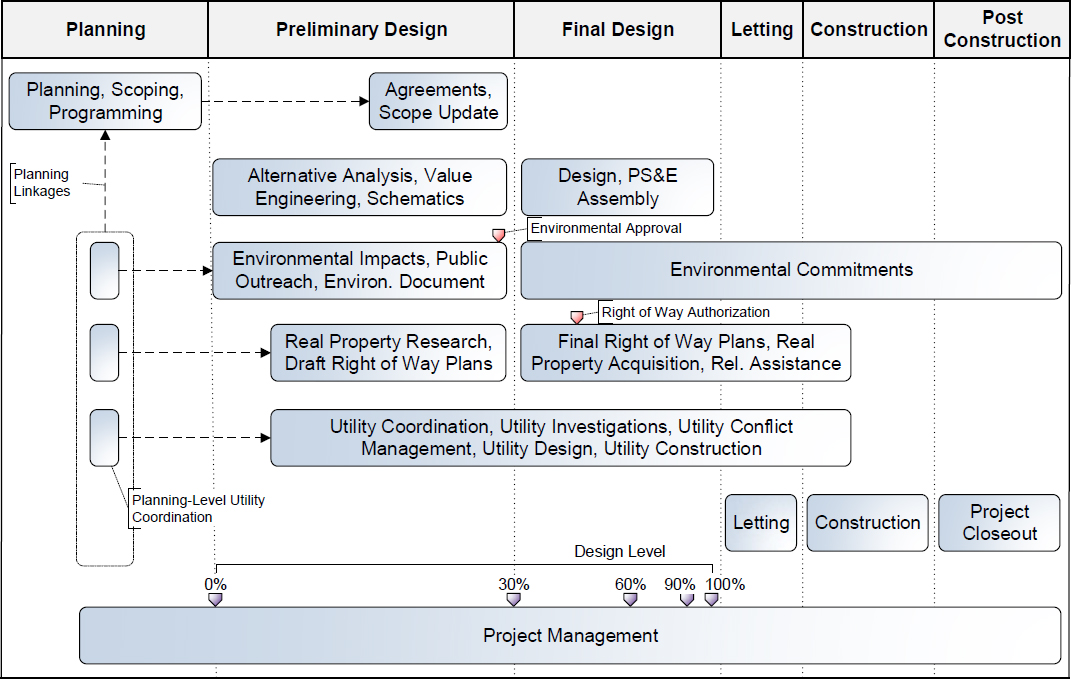
During the preliminary and final design phase, several utility-related activities should be executed to complete a feasible and constructible highway design. These activities include a variety of techniques to develop a utility inventory, coordination with the utility owners, and preparation of relocation designs or other strategies to resolve potential conflicts.
Although all states accommodate utility facilities within the right-of-way by permit or similar written authority, location records of utility facilities might not be easily retrievable during the preliminary design phase of a transportation project. As a result, DOTs typically conduct preliminary utility investigations during the preliminary design stage by reviewing as-built plans and other utility-related information. Although useful as a starting point for investigations, these preliminary activities often miss some of the utility facilities, and between 15 and 30 percent of the facilities are often not accurately represented (43). Despite these shortcomings, preliminary utility investigations often identify OOS facilities and thus allow project designers to make project stakeholders aware of potential utility conflicts.
Best practices during the project design phase involve conducting detailed utility investigations and further utility coordination activities to identify and address utility conflicts that may affect project execution. A survey conducted in 2021 as part of the NCHRP Synthesis 583 revealed that most of the states that implement SUE apply QLB techniques at 30 percent of the design completion (44). Depending on the geophysical method selection, it is possible to obtain a more accurate determination of the horizontal location of utilities, including OOS facilities, although not all of them are usually identified through these means.
The investigation of utility conflicts might result in the identification of additional OOS facilities or confirmation of previously identified OOS facilities within project limits and requires efforts to verify the owner of the facility and decisions for the most suitable solution to manage the OOS facility. The earlier OOS facilities are identified during the design phase, the more time is available to gather relevant information for the facility and act to avoid conflicts during the project construction phase.
Once the DOT determines a schematic design of the project, it will be evident if the project requires the acquisition of additional right-of-way to develop the project. The acquisition of the right-of-way is typically a lengthy process that can be complicated if the property to be acquired includes an OOS facility. Even though utility operators acquire easements to place their facilities on private property, only pipelines transporting gas or hazardous materials have federal provisions to properly abandon a pipe. As a result, the property owner might not be aware of the OOS facilities at the time of the property sale. Even with the existence of federal rules for the abandonment of pipelines, an OOS pipeline might not be evident until the affected property owner investigates the condition of the easement and contacts the easement grantee.
A related case of an OOS facility was reported in Central Texas, where a landowner wanted to build on a parcel with an easement for an underground pipeline (45). The landowner noticed that the easement had not been maintained for a while and contacted the Texas Railroad Commission Pipeline Safety Office, which was able to provide the current owner of the pipeline and noted that the owner had provided notice to the commission that the owner had abandoned the pipeline. Although the pipeline operator notified the commission, the company had not notified the landowner about the abandonment of the facility. Once the landowner contacted the pipeline owner to request the removal of the pipeline, an environmental company approved by the pipeline owner offered to remove the pipeline at the expense of the landowner. The easement grantor was not able to hire another company because the ownership of the pipeline belonged to the operator. This is an example of incidents that might happen during a highway project and involve more time to resolve than typical right-of-way acquisition. When identified early during the project design phase, such incidents can be managed to avoid costly delays during subsequent project development phases.
OOS Facilities in the Construction Phase
Many transportation agencies do not keep a rigorous and permanent inventory of OOS facilities. In fact, many state utility accommodation rules require that the utility owner maintains records of the location of the facility that was placed out of service. However, if the DOT does not have a record of a particular facility, and if there is no penalty or enforcement of the rule to maintain facility records, there is no benefit for the utility owner to maintain these records. In fact, when a project necessitates the removal of an OOS facility, it generates a cost to the utility owner for its removal. If the utility owner cannot be found or ownership records are lost, the DOT or its contractor will remove the facility, and the DOT will absorb that cost. As a result, and depending on the DOT’s ability to maintain utility facility information, it should not be surprising that OOS facilities are occasionally found on transportation projects.
When an OOS facility is unexpectedly found during construction, the discovery normally leads to delays and cost overruns, represented by change orders during the highway construction. An
excavator must first determine if the facility is active or out of service, and if the facility is determined to be inactive or out of service, whether the facility should be removed or not. As noted previously, some states might consider a facility temporarily placed out of service or idled, with the goal to reactivate the facility in the future. In other cases, a facility might be permanently out of service but should remain buried due to environmental concerns, including utility facilities that contain asbestos.
Until a facility can be verified to be out of service, contractors should assume that the facility is active and in service to minimize the risks to the construction staff and service interruptions to public users of the utility service. This verification process is lengthy and requires the contractor to halt activities at the site. To minimize project delays, a contractor might relocate construction activities to another section of the project, but this might not be feasible for all projects. Regardless, some effort will be needed to determine ownership and status of the utility facility followed by a determination of a proper procedure to handle the facility, a process likely to be convoluted and time-consuming.
During the legal review, the research team noticed that most DOTs ask the utility owner to remove an OOS facility when found during construction, particularly if it is interfering with the highway construction project. Unfortunately, utility owners do not have an incentive to respond to the DOT in a timely manner and meet the contractor’s project schedule. If a utility owner contests ownership of the facility or delays removal activities, the delays might generate contractor change orders that significantly exceed the cost for the removal of the OOS facility. As a result, a DOT might find it cost-effective to accelerate the removal and pay for the removal cost using project construction funds.
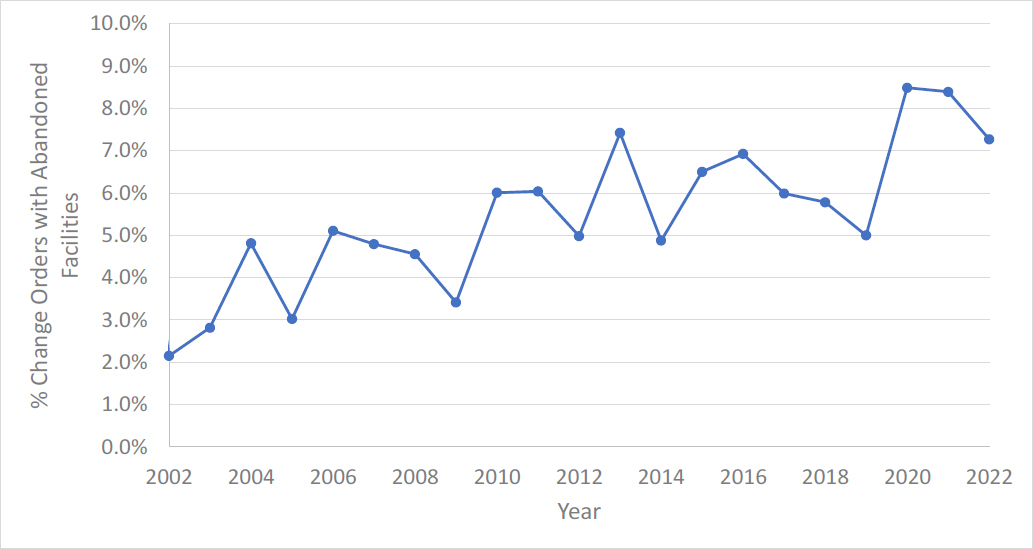
As part of an ongoing research project for the Texas DOT (TxDOT), the research team had access to a TxDOT change order database from 2001 to 2022 including about 100,000 records from 2000 to 2022. It contained the project number, change order number, approval date, change order amount, reason code(s), description, remarks, and other information. Researchers performed a classification of change orders, which resulted in 7,383 or about 7 percent of change orders associated with utility-related issues. A search within the description field of the utility-related change orders using the terms abandon and asbestos resulted in 417 change orders caused by an unexpected OOS facility discovered during construction or other issue related to the abandonment of a facility during the project execution, representing about 6 percent of the utility-related change orders.
Figure 2 shows the percentage of change orders with any reference to abandoned facilities in relation to the total number of utility-related change orders for each year. The percentage increases from 2 percent to more than 7 percent, showing a clear increasing trend, which could mean the presence of abandoned facilities causing a change order during construction in Texas is increasing.
Although the percentage of change orders with abandoned facilities might seem low in comparison to all utility-related change orders, the total dollar amount of these change orders was more than $36 million. This amount represents 2022 dollars using a dollar conversion according to the National Highway Construction Index provided by FHWA.
The research team also requested NPMS data of active and inactive hazardous liquid and gas transmission pipelines reported in accordance with 49 CFR 191.29. The database includes the mileage of hazardous liquid pipelines, gas transmission pipelines, and totals for each state. The information reported for abandoned pipelines does not correspond to the total mileage of abandoned facilities because the pipeline owners are not required to report their abandoned lines unless they are located offshore or cross a commercially navigable waterway. Further, the location of the pipelines corresponds not only to the state right-of-way but to any type of property. Regardless of these clarifications, the data indicate the nationwide trends in the lengths of abandoned pipelines.
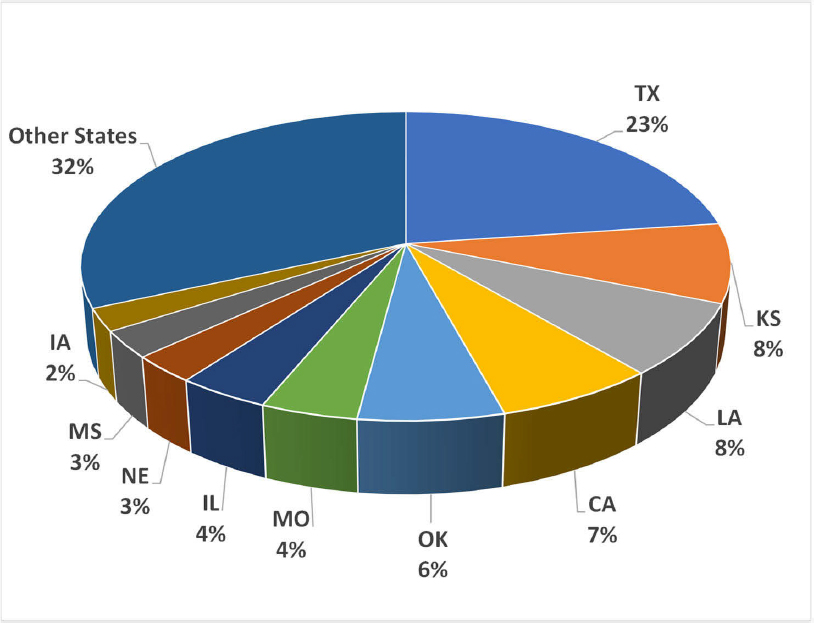
Based on the information received from NPMS, the research team prepared Figure 3, which is a representation of the states with the highest presence of abandoned pipelines in relation to the total nationwide. The total length of abandoned pipelines reported in the 50 states and the District of Columbia was 29,221 miles, and according to the data, Texas accounted for 23 percent of that mileage, followed by Kansas, Louisiana, California, and Oklahoma. These five states account for more than 50 percent of abandoned pipelines in the United States that were reported in NPMS.
Figure 4 shows the percentage of abandoned pipelines with respect to the total length of pipelines (active and abandoned) in each state as reported in NPMS. Iowa, South Carolina, Rhode Island, Washington, and Texas are the states with the highest proportion of abandoned pipelines. Notably, more than 50 percent of the pipelines installed in these states are classified as abandoned. Although this percentage does not include all types of utilities, the data suggest a significant amount of abandoned utility mileage in the United States.

Both Iowa and Rhode Island do not include any provisions within their statutes or regulations that clearly state the requirements for abandoning a utility facility in place. There also appears to be little DOT-issued guidance to manage abandoned facilities when they are found in the construction phase of a highway project.
OOS Facilities in the Operations and Maintenance Phase
The operations and maintenance phase of a highway project normally does not involve the disturbance of the unpaved right-of-way surface other than regular mowing, hence the impact of OOS facilities within the right-of-way is significantly lower than during design and construction phases. However, if a utility owner did not follow procedures for the placement of a facility out of service, a risk from leakage of pipeline contents might arise and affect the integrity of the highway structure and its operation.
As previously mentioned, most of the DOTs allow placing facilities OOS if they do not compromise the safety of the highway operation or affect highway maintenance activities. States have various strategies to manage OOS facilities during the operation and maintenance phase. For instance, Colorado conditions placing a utility facility OOS on how limited the right-of-way space is. Washington and Wisconsin clearly express in their utility manual and highway maintenance manual that an abandoned facility may remain in place and be reused to accommodate other utility facilities such as telecommunication cables or to be used as casing for future utility installations. These are convenient solutions for OOS pipelines located in crowded spaces or where their removal would seriously impact operations of the highway.
As noted previously, a main issue with OOS facilities is the lack of incentives for the utility owners to remove their facilities once that removal becomes necessary. However, the District of Columbia has a provision in its regulations that every permit holder with facilities that are accommodated within the right-of-way are required to pay an annual fee of $1.06 per linear foot occupied (46). Facilities abandoned within the right-of-way before March 31, 2000, are exempt from paying the fee. As a result, all facilities abandoned after that date must pay the fee if they want to remain in the right-of-way.
According to Georgia regulations, communication facilities accommodated longitudinally in the right-of-way must pay a specified annual fee (47). Communication utilities must pay this fee annually until a facility is abandoned or decommissioned, as described in a written notification to Georgia DOT. Noncommunication utilities in Georgia must pay an annual lump sum amount that represents a reasonable approximation of the average cost to Georgia DOT associated with the administration of noncommunication permits and other related activities (48). This fee is based on the mileage and/or number of facilities in the right-of-way and is negotiated on an individual basis, but the rule does not specify if the lump sum is adjusted if a noncommunication utility places utilities out of service.
Assessment and Management of OOS Risks
Risk management is a sequence of steps for the identification, analysis, mitigation, allocation, and control of the risks encompassing the implementation of procedures and resources to diminish the likelihood and impact of unfavorable consequences (49). One of those resources to manage risks is the risk register, which is helpful for risk identification, communication, and control. They usually involve the risk description and an assessment of the probability and impact of each risk (50). Abundant documents are available regarding risk management in general, but there is a shortage of information related to OOS utility risk management in highway projects.
FHWA has a risk register template, which includes guidance on how to assess the probability and impact of the risks and provides a list of suggested risks grouped by functional area and a list of recommended response strategies. The list of risks included two risks that might be related to OOS utilities: unidentified utility impacts and unidentified hazardous waste (51).
However, OOS facilities pose several inherent risks: they might contain hazardous materials, and they may not be locatable. Consequences of not mitigating risks might range from delays or additional costs during the project development to expensive procedures to remove the facility and remediate environmental impacts in the immediate area of the OOS pipeline. The result of the risk materialization depends on the location of the facility, the material contained in the pipe, the available information related to the utility, and the condition of the facility.
49 CFR 192 includes descriptions of several integrity management programs for pipelines transporting natural and other gas and related facilities (52). 49 CFR 192.12 defines the requirements for the integrity management program of underground natural gas storage facilities (53). 49 CFR 192.901 and following (Subpart O) describes the integrity management program for gas transmission pipelines, including a list of required elements in 49 CFR 192.911 (54, 55). 49 CFR 192.1001 and following (Subpart P) describes the integrity management program for gas distribution pipelines, including a list of required elements in 49 CFR 192.1007 (56, 57). Rules for pipeline integrity management in areas of high consequence, such populated areas of commercially navigable waterways, are included in 49 CFR 195.452 (58). These rules define the elements, baseline risk assessment intervals, re-assessment intervals, and procedures and recordkeeping requirements to ensure the safety and integrity of natural gas pipelines and related facilities.
These integrity management rules provide instructions to assess and analyze the risks associated with gas transmission pipelines and hazardous liquids. In response to those provisions, operators adopted risk models for the evaluation of pipeline segments. The objective of these rules is to assess the integrity of pipelines in areas where a potential pipe failure might result in catastrophic outcomes. However, there are no integrity management rules related to pipelines that have been placed out of service.
In 1999, PHMSA published a report titled, Common Ground Study on One Call Systems and Optimal Strategies for Preventing Underground Facility Damage, which identified and described best practices to prevent damage to underground facilities (59). The Common Ground Alliance (CGA) was established in 2000 to promote effective damage prevention practices to enhance the safety of all stakeholders. CGA released an online platform called the Damage Information Reporting Tool (DIRT) to allow stakeholders to report incidents and damages to underground facilities. That information is gathered to produce the annual DIRT report, which contains an analysis of the damage and incidents information captured and provides recommendations. The 2020 DIRT report (60) mentioned 385,381 damages occurred in the United States in 2020, of which 118,436 were of unknown causes. Of the remaining 266,945 causes, 32 percent were attributable to a lack of notification to the One Call center and 16 percent to excavation prior to test hole verification. Of the remaining 23 root causes, the category with the highest number of reports was “Facility marked inaccurately due to abandoned facility.”
Another way to look at the impact of OOS facilities is to look at a group of root causes called Locator Practices that include 11 root causes, including “Facility marked inaccurately due to
abandoned facility.” In 2020, 85,798 damage occurrences were attributed to locating practices. Researchers further grouped the 11 root causes into five types of locating practices root causes, as shown in Source: Adapted from CGA (60).
Figure 5. Of the damages to utilities caused by locating practices, problems related to abandoned facilities was the second largest group with 21,938 incidents or 26 percent of incidents related to locating practices.
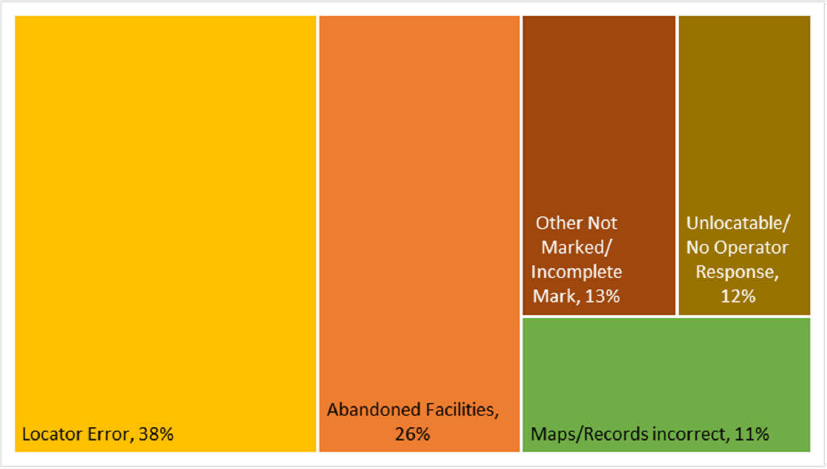
Figure 5. 2020 Grouped Root Causes Related to Locating Practices.
The 2021 version of the DIRT report showed a much reduced number of total damage reports (61). The publishers reported 203,618 damage incidents, of which 134,612 were of known causes, about half of the 2020 cases. In the group of root causes called Locator Practices, much fewer incidents were attributed to abandoned facilities, with 1,647 incidents or 4 percent of incidents related to locating practices, as shown in Source: Adapted from CGA (61).
The 2022 version of the DIRT report showed a similar number of total damage reports (62). The publishers reported 213,792 damage incidents, of which 144,530 were of known causes. In the group of root causes called Locator Practices, 1,634 incidents were attributed to abandoned facilities or 3 percent of incidents related to locating practices, as shown in Source: Adapted from CGA (62).
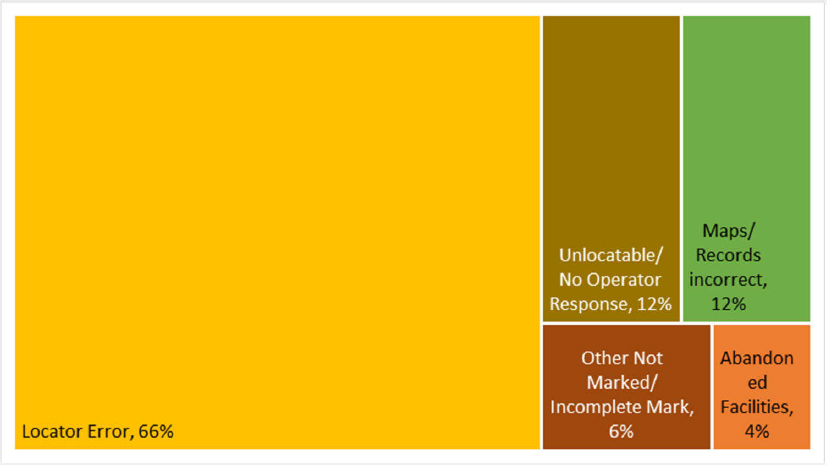
Figure 6. 2021 Grouped Root Causes Related to Locating Practices.
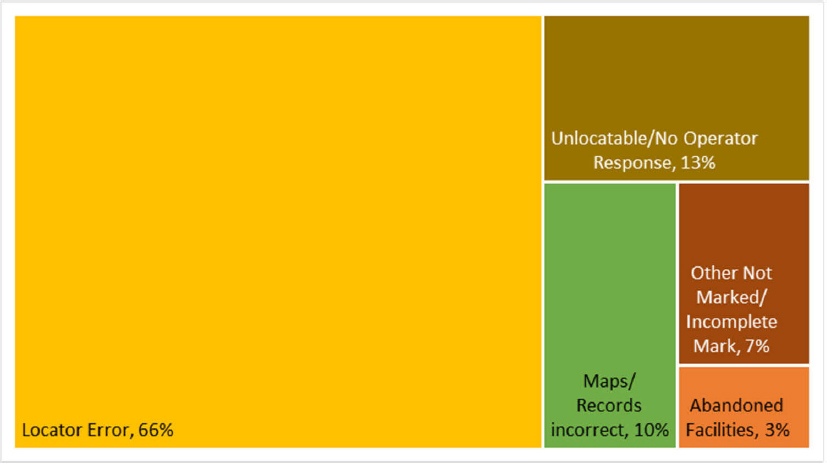
Figure 7. 2022 Grouped Root Causes Related to Locating Practices.
The DIRT reports do not provide an interpretation of the significant drop in damage incidents related to abandoned facilities. However, the 2021 and 2022 reports note that data submission about utility damages is voluntary, which results in changes to the makeup of each annual dataset. Beginning with the 2021 DIRT report, the publishers used a sample of the overall dataset referred to as the comparable dataset. This dataset represents data from stakeholders that consistently enter data for the past 3 years using a representative sample of stakeholders. An analysis of the comparable datasets shows that damage reports from consistently reporting entities have increased between 2020 and 2022, as shown Table 5.
Table 5. Trends in Damages from Consistently Reporting Entities.
| United States Damage Reports | Percentage Change from 2020 | |
|---|---|---|
| 2020 | 146,038 | — |
| 2021 | 153,886 | +5.4% |
| 2022 | 163,726 | +12.1% |
Source: Adapted from CGA (62).


