Gulf Research Program
The National Academies’ Gulf Research Program (GRP) is an independent, science-based program founded in 2013 as part of legal settlements with the companies involved in the 2010 Deepwater Horizon disaster. The GRP’s mission is to develop, translate, and apply science to enhance the safety of offshore energy, the environment, and the wellbeing of the people of the Gulf region for generations to come. It supports innovative science, guides data design and monitoring, and builds and sustains networks to generate long-term benefits for the Gulf region and the nation.
In progress
News and Updates
Gulf Futures Challenge Winners Offer Bold Solutions for Offshore and Resilience Challenges
Program News
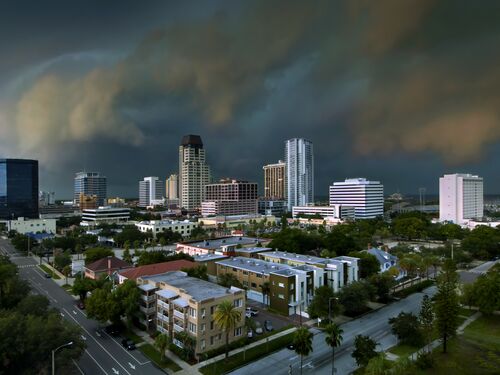
In 2024, the Gulf Research Program (GRP) of the National Academies asked the people of the U.S. Gulf Coast to envision bold science-based ideas to create safer and more resilient communities where people in the Gulf region can live, work, and thrive. Through its Gulf Futures Challenge, the GRP aimed to leverage the inherent talent and knowledge of the people of the Gulf by supporting ideas and solutions from those who understand the region best.
Gulf Research Program and NOAA Award $4 Million to Support Environmental Literacy for Community Resilience
News Release
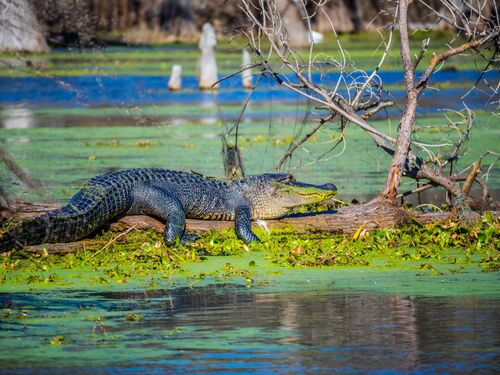
The National Academies of Sciences, Engineering, and Medicine’s Gulf Research Program (GRP) and the National Oceanic and Atmospheric Administration’s Environmental Literacy Program are partnering with $4 million in investments to support six place-based educational projects across the Gulf States — Texas, Louisiana, Mississippi, Alabama, and Florida. The awarded projects aim to help people better understand the connections between science, the environment, and their communities, building resilience to environmental challenges while fostering stronger stewardship of local ecosystems.
Explore Our Open Funding Opportunities
Update
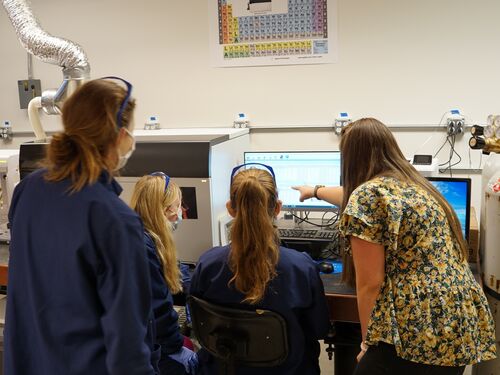
The Gulf Research Program (GRP) supports numerous projects and activities that develop, translate, and apply science to enhance the safety of offshore energy, the environment, and the well-being of the people of the Gulf region for generations to come. Our funding opportunities align with our core themes: offshore energy safety and the future of Gulf energy; health, resilience, and compounding disasters; the environment and changing coastlines; and education and the future workforce.
Our Mission
GRP will develop, translate, and apply science to enhance the safety of offshore energy, the environment, and the well-being of the people of the Gulf region for generations to come.
Focus Areas
Focus Areas
History
April 20, 2010, will forever be marked in our nation’s history. The 87 days that followed the Deepwater Horizon explosion and fire brought death, injury, and environmental damage as it became the largest offshore oil spill in U.S. history. In 2013, with $500 million in criminal settlement funds from the companies involved in Deepwater Horizon, GRP was created. The studies, projects, and activities conducted by GRP will advance and apply science, engineering, and public health knowledge to reduce the risks from offshore oil spills and will enable the communities of the Gulf region to better anticipate, mitigate, and recover from future disasters.
How We Work
GRP has a broad portfolio of programs that spans a wide range of funding opportunities from traditional research grants to large, multi-institutional collaborations, innovation challenges, community partnerships, fellowships, strategic outreach and engagement activities, capacity building initiatives, as well as consensus studies and convenings.
GRP is committed to ensuring that data from our funded projects are findable, accessible, interoperable, and reusable. To that end, we partner with GRIIDC, a Gulf science data repository, to manage and store data and information products produced by recipients of GRP funding. GRP-funded data sets are available to search through GRIIDC's website.
Learn more about the GRP program areas and several of the research projects GRP has funded through this video series.
Strategic Approaches
Strategic Approaches
Statement of Task
The mission of the Gulf Research Program is to enhance oil system safety and the protection of human health and the environment in the Gulf of Mexico and other U.S. outer continental shelf areas by seeking to improve understanding of the region's interconnecting human, environmental, and energy systems and fostering application of these insights to benefit Gulf communities, ecosystems, and the Nation. The program funds studies, projects, and other activities using three broad approaches specified in the legal settlements: research and development, education and training, and environmental monitoring.
The Gulf Research Program's activities are overseen by its Advisory Board and guided by its strategic plan, "The Gulf Research Program: A Strategic Vision" (2014).
This prospectus describes the program's core operations and activities for 2016, including program management, communications, operations, and four known external funding opportunities. Additional activities are anticipated to be planned and added to this base portfolio; these will be submitted as separate GBEC items during the year as they are developed.
FAQs
FAQs

Contributors
Committee
Chair
Member
Member
Member
Member
Member
Member
Member
Member
Member
Member
Member
Executive Director
Sponsors
Internal Funding
Staff
Lauren Alexander Augustine
Lead
Teri Thorowgood
Jim Banihashemi
Major units and sub-units
Gulf Environmental Protection and Stewardship Board
Gulf Research Program Executive Office
Gulf Health and Resilience Board
Gulf Offshore Energy Safety Board
Board on Gulf Education and Engagement