Integrating Crisis Management and Business Continuity at Airports: A Practical Guide (2024)
Chapter: 7 The Way Forward

CHAPTER 7
The Way Forward
Looking Forward
How can airports take meaningful steps toward integrating their crisis management and business continuity programs? This guide set out to answer this question with practical strategies and resources for airports of differing sizes, available resources, existing preparedness capabilities, and geographic locations (Exhibit 7). Incorporating continuity capabilities into airport operations can help airports and their stakeholders weather a disruptive incident with fewer impacts on personnel, facilities, and resources.
Continuity in Action
Continuity capabilities will inevitably vary by airport, and airports will encounter a series of obstacles in the pursuit of an integrated crisis management and business continuity program. How well airports navigate these crossroads can mean the difference between survival, growth, and failure. From this perspective, continuity in action will look different for each airport because of its unique needs and capabilities. Regardless of an airport’s size, facilities, resources, etc., integrating continuity into crisis management involves planning before and after a disruption (see Figure 22).
A Balancing Act
The essential elements of continuity discussed in this guide are meant to help airports with striking the right balance between minimizing impacts to people, facilities, and resources and maximizing their availability and performance. For pilot program participants, striking a balance means understanding the costs and benefits associated with prioritizing one essential function over another and making judgment calls to manage risks.
What informs decision-making can be motivated by, for example, prioritizing customer satisfaction by allowing customers to pass without paying parking fees during a temporary power outage. Disruptions with long-term impacts require that airports take a more strategic and operational approach to prioritization, which in contrast might result in prioritizing revenue streams. Table 7 shows common challenges and underlying issues that can help airports identify enabling and constraining factors in exercising continuity.
High-Impact Actions for Integrated Continuity and Crisis Management
Prioritize the Continuation of Essential Functions
Airports are typically well-versed in crisis response, but it is increasingly vital that airports be just as prepared to resume normal business operations when a crisis occurs. Prioritizing essential

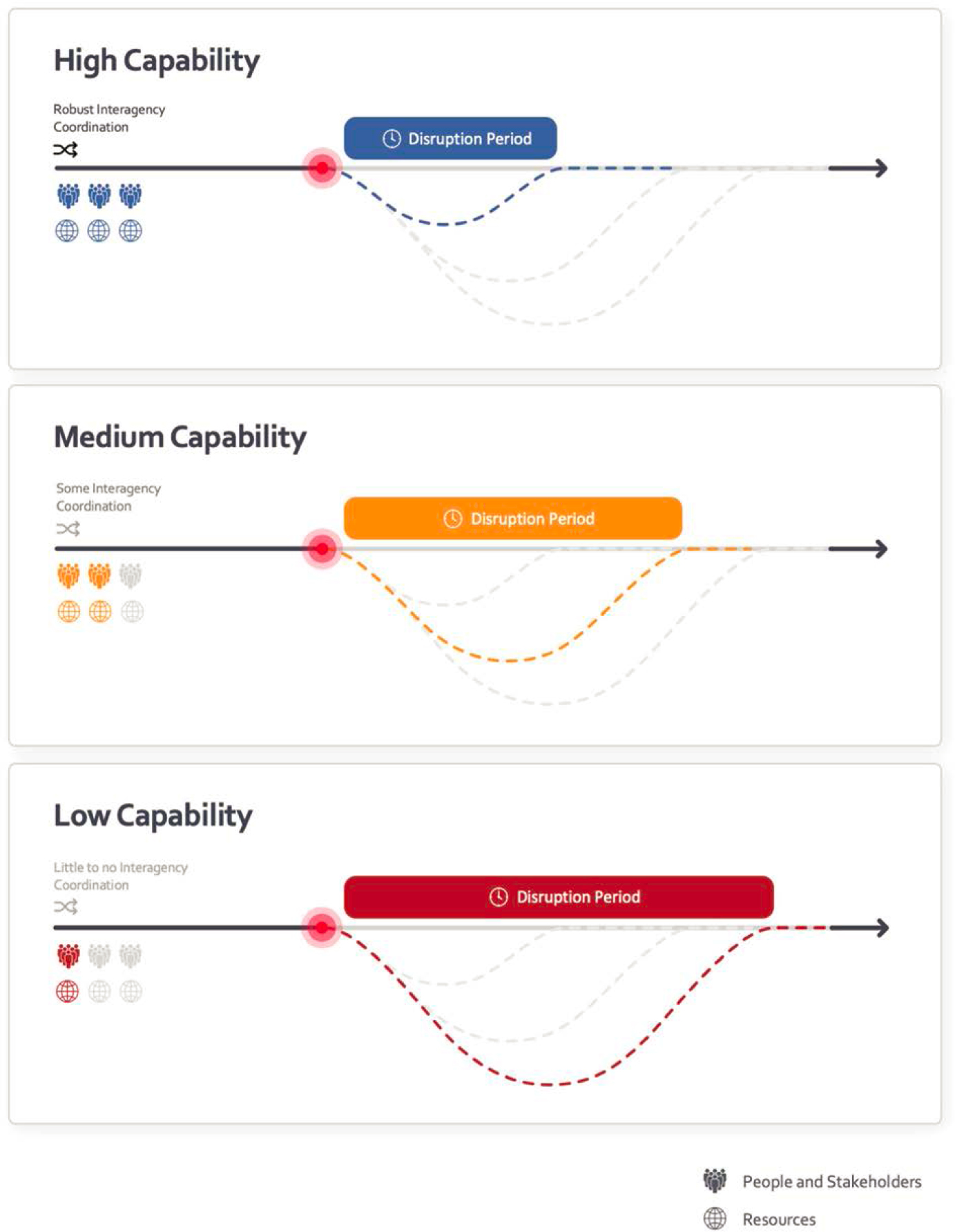
Table 7. Challenges and underlying issues.
| Element | Challenges | Underlying Issues |
|---|---|---|
| Plans | Lack of plan(s) Limited use of plan(s) |
|
| People & Stakeholders | Limited interdepartmental communication Limited partnerships |
|
| Resources | Costly response and recovery measures |
|
| Development and Evaluation | Limited ability to adapt efficiently and effectively |
|
business functions during and after a disruptive event is a critical component of resilient airports. Achieving this aim involves integrating continuity into crisis management efforts. For those involved in day-to-day operations at airports, this change can present itself in many ways:
- Prepare to absorb the shock of a crisis and re-establish the stability that staff and stakeholders seek during turbulent times.
- Design strategies to minimize the financial impacts and risks to capital improvement projects undertaken when an airport’s future revenue is uncertain.
- Develop crisis staffing plans that are sustainable throughout the entire incident and help protect airport property during volatile periods.
Identify and Establish Redundancies
Beyond the airport’s immediate environment, the airport’s ability to perform essential functions throughout a crisis directly impacts the surrounding community. Most communities have access to only one airport, making airports a critical and distinct community lifeline. Redundancies rarely exist for airports as transportation hubs, making the consequences of a disruption in operations even more significant for the communities they serve. If an airport is unable to move planes, passengers, baggage, and cargo, it not only disrupts the supply chain for nonessential items, but it risks delaying the arrival of necessary items like food, water, or medical supplies. Not having the ability to control the flow of inbound and outbound flights might not just frustrate passengers; it might delay the arrival of humanitarian assistance and disaster response personnel to a community. When considering that disruptions to normal operations may not only result in loss of revenue but also the loss of life, it becomes clear that airports are more than just a node in transportation systems; they are part of their community’s critical infrastructure.
Plan for Cascading Impacts
Natural, human-caused, and technological crises have become more frequent and more disruptive in recent years. Yet, airports continue to provide critical business functions and services to communities at a local and global level, meaning a disruption to airport operations can have cascading impacts within and outside the airport environment. Shifting airports’ planning approach to focus beyond what is happening inside of an airport’s walls and toward a perspective that includes the local community reflects a more evolved understanding of crisis and continuity readiness.
Adapt
As planners and operators consider current and future preparedness needs at airports, they must not think of continuity planning to meet compliance requirements, a strategy to check a “preparedness” box, or an additional burden or responsibility for airport staff. Instead, they should consider how continuity capabilities can help their organization rapidly adapt to changing circumstances, identify choke points impacting operations, and deploy immediate solutions to restore essential functions.
By implementing the recommendations included in this guide, airports can move beyond reacting to emergencies and toward being proactive in responding to disruptions on their operations. Building the foundation necessary to accomplish these goals extends from the stakeholders inside of an airport to those who rely on its performance for access to lifesaving support.


