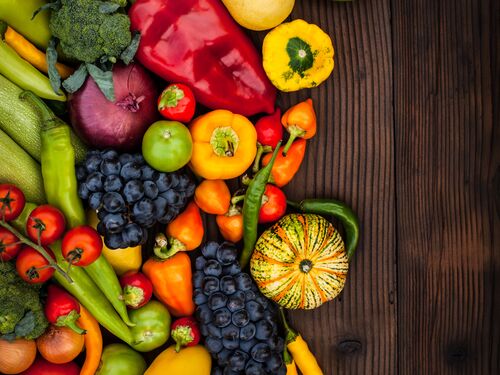
Food Production
Ensuring a secure and sustainable food supply requires innovation across agricultural systems. The National Academies examine how science, technology, and policy can improve food production efficiency, resilience, and access while reducing environmental impact.
What's happening
Guidance for Federal Conservation Programs on PFAS on Agricultural Lands Offered in New Report
News Release
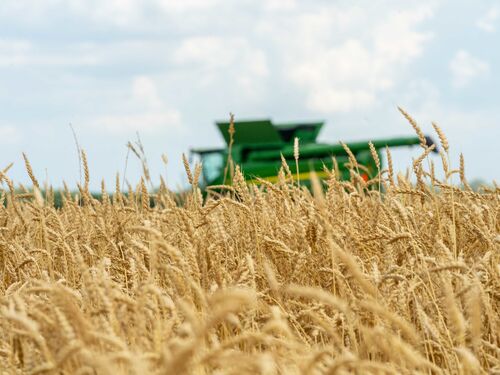
A new report examines the scope of PFAS challenges in agriculture and identifies steps that land conservation agencies at the U.S. Department of Agriculture could take to reduce the impacts of these “forever chemicals” on natural resources and agricultural productivity.
Why are native seeds important?
Based on Science
Native plants provide the foundation for environments to support pollinators (like bees), butterflies, birds, and other life above and below ground. However, the supply of native seeds to restore and conserve ecosystems often falls short of demand.

- Heritable Genetic Modification in Food Animals: New Report Apr 23, 2025 Media Advisory
- Winner of the 2024 Frontiers Planet Prize Discusses His Research in Sustainability Science Jul 16, 2024 Feature Story
- National Academies Report Sparks Action to Support National Native Seed Supply Mar 29, 2023 Feature Story
- Supply of Native Seeds Insufficient to Meet the Needs of Current and Future Ecological Restoration Projects, Says New Report Jan 26, 2023 News Release
- Are all crops that we eat genetically improved? Apr 8, 2022 Based on Science
- Your Holiday Leftovers and the Myths That Might Make You Waste Them Nov 30, 2020 Feature Story
- To Reduce Food Waste, Standardized Date Labeling, Behavior Change Campaign, and Marketing Changes Needed, Says New Report Aug 21, 2020 News Release
- Food and Nutrition Board Marks 80 Years of Advising the Nation Mar 19, 2020 Feature Story