
In progress
Regional focus
North America
Topics
Climate Conversations: Pathways to Action is a regular virtual event series that aims to convene high-level, cross-cutting, nonpartisan conversations about issues relevant to action on climate change.
News and updates
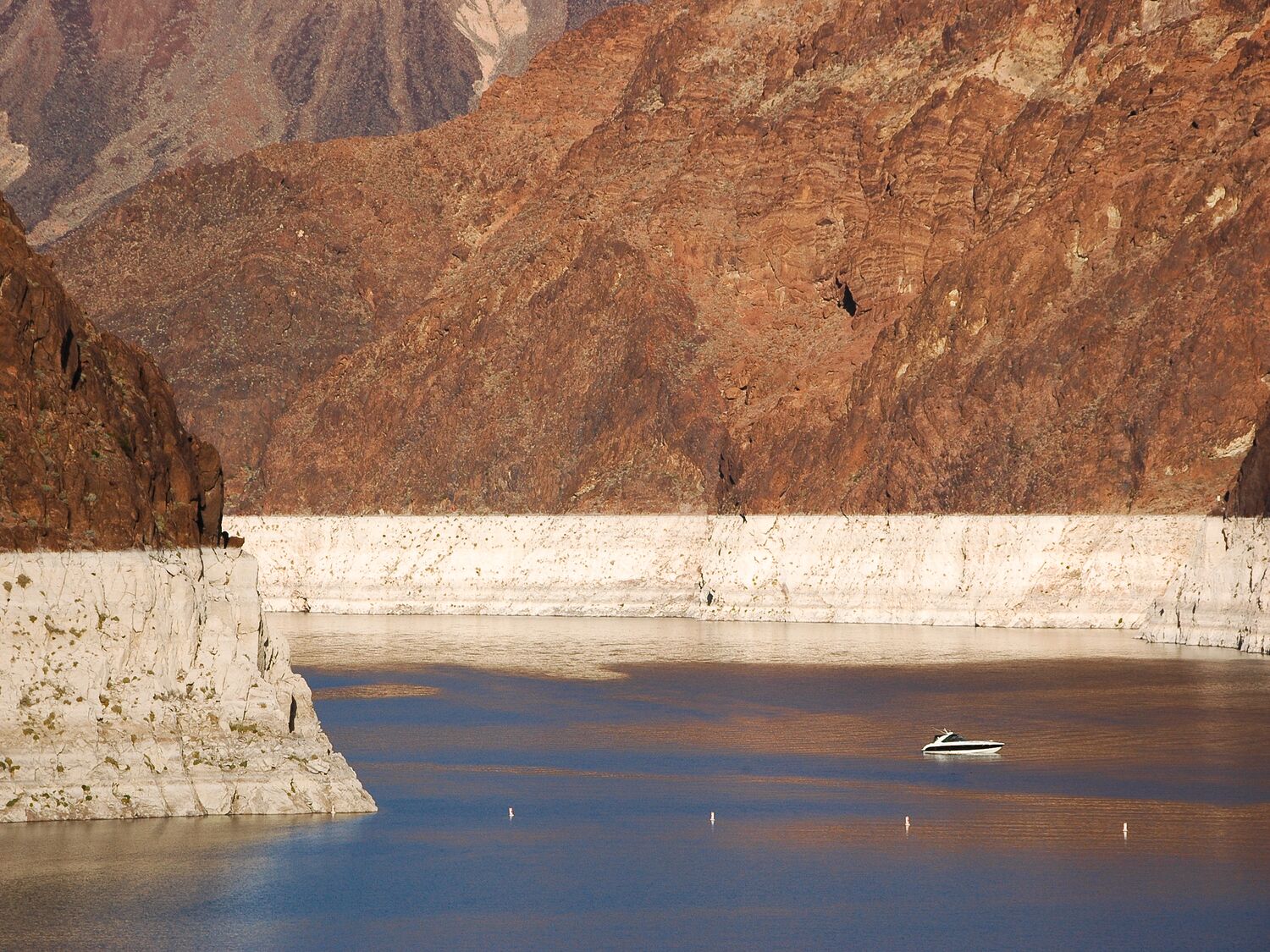
New Webinar for Climate Conversations: Sustainable Aviation Fuels
Update
While air travel has transformed global connectivity, it remains one of the most carbon-intensive modes of transportation and one of the hardest sectors to abate. Join us on June 25 for a conversation that will explore the future of sustainable aviation fuels.

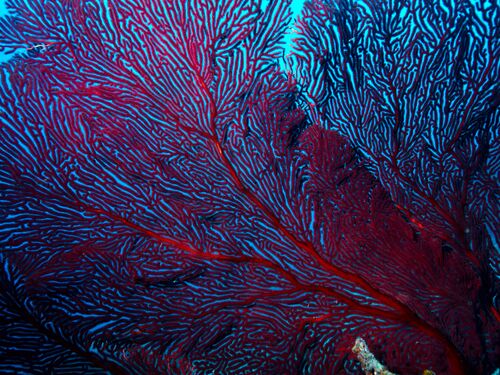
Coral Reefs, Resilience, and the Stories we Tell
Program News
Coral reefs are often described in scientific terms: ecosystems rich in biodiversity, natural storm barriers, and sources of food and income. Yet for many scientists, the path into reef research did not begin with data but with a powerful personal encounter with the natural world.
Statement of Task
Climate Conversations: Pathways to Action webinars and hybrid events feature conversations between experts, stakeholders, and communicators from across science, engineering, and medicine. The webinars build on, but aren't limited to, recent Academies reports, and focus on critical and timely topics to inform the rapidly changing science-to-action landscape.
Disclaimer: The views expressed in each conversation are those of the participants and do not necessarily represent the National Academies of Sciences, Engineering, and Medicine.
Contributors
Sponsors
Internal Funding
Staff
Amanda Purcell
Lead
Amy Mitsumori
Lead
Nikita Uberoi
Lead
Lauren Kalinosky
Lead
Major units and sub-units
Organizational Initiatives
Lead
Climate Crossroads
Lead