Development of a MASH Barrier to Shield Pedestrians, Bicyclists, and Other Vulnerable Users from Motor Vehicles (2024)
Chapter: 16 MASH Test 3-20 (Crash Test 612541-01-4)

CHAPTER 16
MASH Test 3-20 (Crash Test 612541-01-4)
Test Designation and Actual Impact Conditions
The MASH impact conditions and exit parameters for Test 612541-01-4 are given in Table 85 and Table 86, respectively. Figure 136 and Figure 137 depict the setup of the target impact.
Weather Conditions
Table 87 provides the weather conditions for Crash Test 612541-01-4.
Table 85. Impact conditions for MASH Test 3-20 (Crash Test 612541-01-4).
| Test Parameter | Specification | Tolerance | Measured |
|---|---|---|---|
| Impact speed (mi/h) | 62 | ±2.5 | 62.6 |
| Impact angle (deg) | 25 | ±1.5 | 25.5 |
| Impact severity (kip-ft) | 51 | ≥51 | 58.9 |
| Impact location [distance (in.) upstream of centerline of Post 14] | 12 | ±12 | 8 |
Table 86. Exit parameters for MASH Test 3-20 (Crash Test 612541-01-4).
| Exit Parameter | Measured |
|---|---|
| Speed (mi/h) | 48.3 |
| Trajectory (deg) | 11.6 |
| Heading (deg) | 11.6 |
| Brakes applied post impact (s) | 2.7 |
| Vehicle at rest position | 230 ft downstream of impact point |
| 93 ft to the traffic side | |
| 30 deg left | |
| Comments | Vehicle remained upright and stable. Vehicle crossed the exit boxa at 40 ft downstream from loss of contact and satisfied the exit box criteria described in MASH. |
aNot less than 32.8 ft downstream from loss of contact for cars and pickups is optimal.
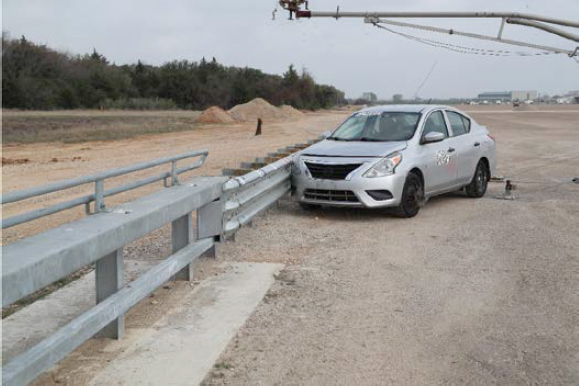
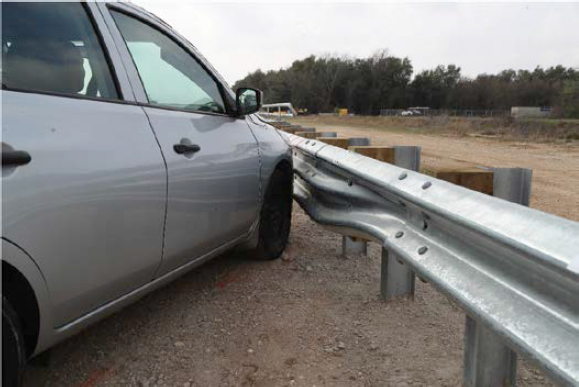
Table 87. Weather conditions for Crash Test 612541-01-4 (2023-03-01, AM).
| Condition | Measurement |
|---|---|
| Wind speed (mi/h) | 17 |
| Wind direction (deg) | 188 |
| Temperature (°F) | 79 |
| Relative humidity (%) | 79 |
| Vehicle traveling (deg) | 195 |
Test Vehicle
Figure 138 and Figure 139 show the 2018 Nissan Versa used for the crash test. Table 88 gives the vehicle measurements. Figure G.1 in Appendix G, Section G.1, gives additional dimensions and information about the vehicle.

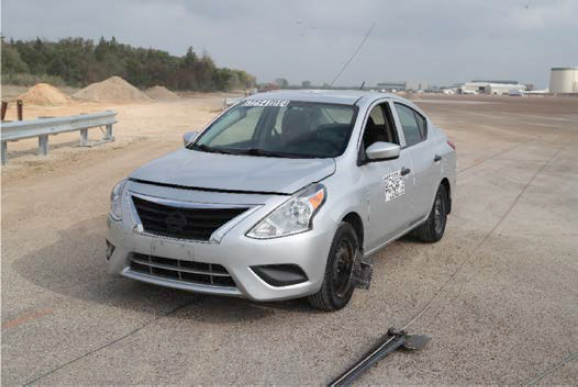
Table 88. Vehicle measurements for Crash Test 612541-01-4.
| Test Parameter | MASH | Allowed Tolerance | Measured |
|---|---|---|---|
| Dummy (if applicable)a (lb) | 165 | N/A | 165 |
| Inertial weight (lb) | 2,420 | ±55 | 2,427 |
| Gross statica (lb) | 2,585 | ±55 | 2,592 |
| Wheelbase (in.) | 98 | ±5 | 102.4 |
| Front overhang (in.) | 35 | ±4 | 32.5 |
| Overall length (in.) | 169 | ±8 | 175.4 |
| Overall width (in.) | 65 | ±3 | 66.7 |
| Hood height (in.) | 28 | ±4 | 30.5 |
| Track widthb (in.) | 59 | ±2 | 58.4 |
| CG aft of front axlec (in.) | 39 | ±4 | 41.85 |
| CG above groundc,d (in.) | N/A | N/A | N/A |
a If a dummy is used, the gross static vehicle mass includes the mass of the dummy.
b Average of front and rear axles.
c For test inertial mass.
d 2270P vehicle must meet minimum CG height requirement.
Test Description
Table 89 lists events that occurred during Crash Test 612541-01-4. Figures G.4, G.5, and G.6 in Appendix G, Section G.2, present sequential photographs from the test.
Damage to Test Installation
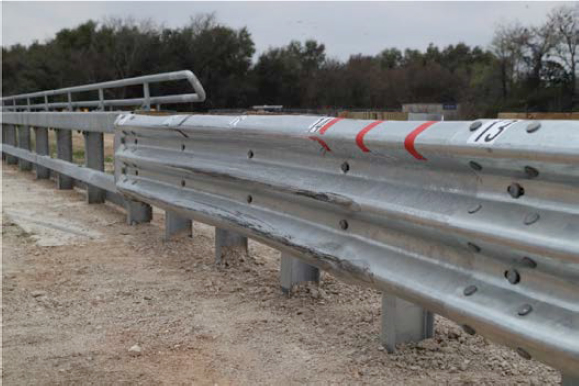
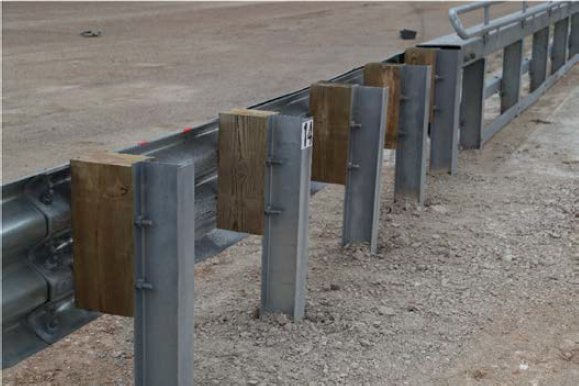
The rail was scuffed at impact. Table 90 reports the post displacement and lean of the installation, and Table 91 describes the deflection and working width of the multifunctional barrier transition. Figure 140 and Figure 141 show the damage to the pedestrian traffic rail transition.
Table 89. Events during Crash Test 612541-01-4.
| Time (s) | Event |
|---|---|
| 0.0000 | Vehicle impacted the installation. |
| 0.0150 | Posts 14 and 15 began to lean toward field side. |
| 0.0280 | Posts 13 and 16 began to lean toward field side. |
| 0.0300 | Vehicle began to redirect. |
| 0.0410 | Post 17 began to lean toward field side. |
| 0.1520 | Vehicle was parallel with installation. |
| 0.1590 | Passenger side of rear bumper contacted rail. |
| 0.2720 | Vehicle lost contact with the rail traveling 48.3 mi/h at a trajectory and heading of 11.6 deg. |
Table 90. Post displacement details for multifunctional barrier transition for Crash Test 612541-01-4.
| Post | Soil | Gap (in.) | Lean from Vertical Toward Field Side (deg) |
|---|---|---|---|
| Traffic Side | Field Side | ||
| 13 | ¼ | — | 1.5 |
| 14 | 1 | ½ | 2 |
| 15 | — | 1 | 3 |
| 16 | — | ¾ | 1 |
| 17 | — | ¼ | 1 |
Table 91. Deflection and working width of the multifunctional barrier transition for Crash Test 612541-01-4.
| Test Parameter | Measured |
|---|---|
| Permanent deflection/location (in.) | 2.75 toward field side, 2 ft downstream from Post 14 |
| Dynamic deflection (in.) | 6.8 toward field side at Post 15 |
| Working widtha and height (in.) | 24.1 at a height of 31.8 at Post 15 |
a Per MASH, “The working width is the maximum dynamic lateral position of any major part of the system or vehicle. These measurements are all relative to the pre-impact traffic face of the test article.” In other words, the working width is the total barrier width plus the maximum dynamic intrusion of any portion of the barrier or test vehicle past the field side edge of the barrier.
Damage to Test Vehicle
Figure 142 and Figure 143 show the damage sustained by the vehicle. Figure 144 and Figure 145 show the interior of the test vehicle. Table 92 and Table 93 provide details on the occupant compartment deformation and exterior vehicle damage, respectively. Figures G.2 and G.3 in Appendix G, Section G.1, provide exterior crush and occupant compartment measurements.
Occupant Risk Factors
Data from the accelerometers were digitized for evaluation of occupant risk, and the results are shown in Table 94. Figure G.7 in Appendix G, Section G.3, shows the vehicle angular displacements, and Figures G.8 through G.10 in Appendix G, Section G.4, show acceleration versus time traces.
Test Summary
Figure 146 summarizes the results of MASH Crash Test 612541-01-4.
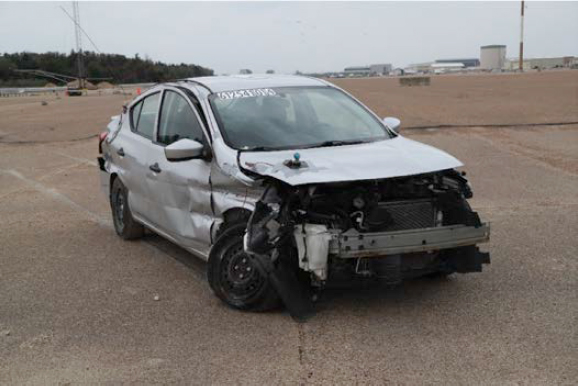
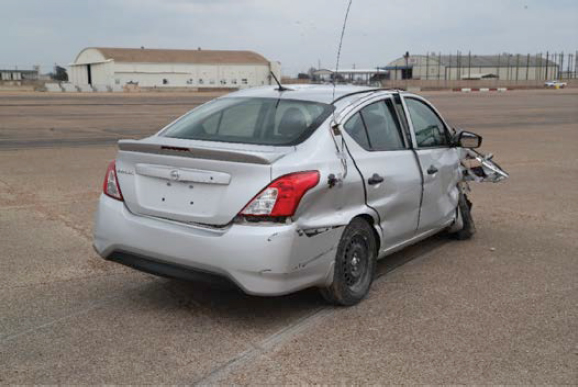
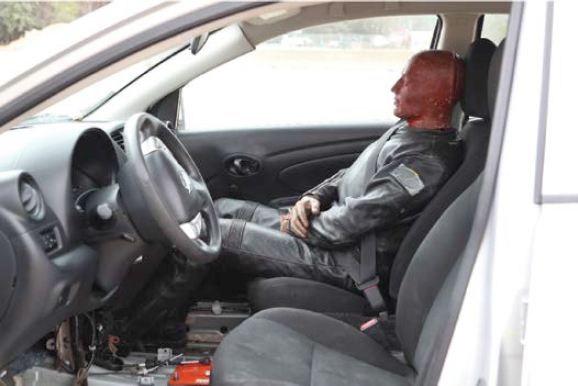
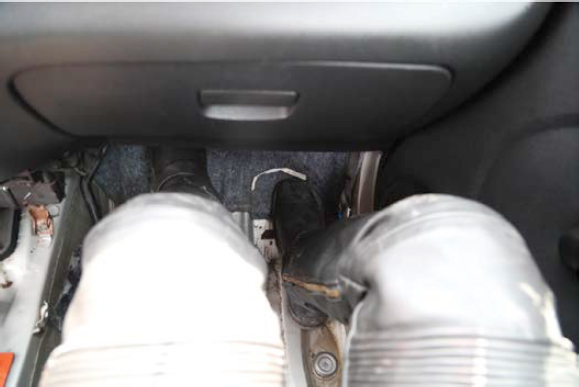
Table 92. Occupant compartment deformation for Crash Test 612541-01-4.
| Test Parameter | Specification (in.) | Measured (in.) |
|---|---|---|
| Roof | ≤4.0 | 0.0 |
| Windshield | ≤3.0 | 0.0 |
| A and B pillars | ≤5.0 overall, ≤3.0 lateral | 0.0 |
| Foot well/toe pan | ≤9.0 | 0.0 |
| Floor pan/transmission tunnel | ≤12.0 | 0.0 |
| Side front panel | ≤12.0 | 0.5 |
| Front door (above seat) | ≤9.0 | 1.0 |
| Front door (below seat) | ≤12.0 | 0.0 |
Table 93. Exterior vehicle damage for Crash Test 612541-01-4.
| Part of Vehicle | Damage |
|---|---|
| Side windows | Side windows remained intact |
| Maximum exterior deformation | 10 in. in the front plane at the passenger side front corner at bumper height |
| VDS | 01RFQ4 |
| CDC | 01FREW2 |
| Fuel tank damage | None |
| Description of damage to vehicle | The front bumper, radiator and support, right and left headlights, right front quarter fender, right front tire and rim, right front strut and tower, right front door, right rear door, right rear quarter fender, right rear tire and rim, and rear bumper were damaged. The right front door had a 2.75-in. gap at the top. |
Table 94. Occupant risk factors for Crash Test 612541-01-4.
| Test Parameter | MASHa | Measured | Time (s) |
|---|---|---|---|
| OIV (ft/s) | |||
| X | ≤40.0 30.0 | 17.9 | 0.0847 on right side of interior |
| Y | ≤40.0 30.0 | 30.4 | 0.0847 on right side of interior |
| Ridedown (g) | |||
| X | ≤20.49 15.0 | 5.6 | 0.0847–0.0947 |
| Y | ≤20.49 15.0 | 9.4 | 0.0881–0.0981 |
| THIV (m/s) | N/A | 10.6 | 0.0829 on right side of interior |
| ASI | N/A | 2.0 | 0.0543–0.1043 |
| Max. 0.050-s average (g) | |||
| X | N/A | –9.5 | 0.0379–0.0879 |
| Y | N/A | –16.3 | 0.0275–0.0775 |
| Vertical | N/A | 2.1 | 0.0842–0.1342 |
| Roll (deg) | ≤75 | 10.1 | 2.0000 |
| Pitch (deg) | ≤75 | 2.3 | 0.2266 |
| Yaw (deg) | N/A | 49.3 | 2.0000 |
a Values in italics are the preferred MASH values.


